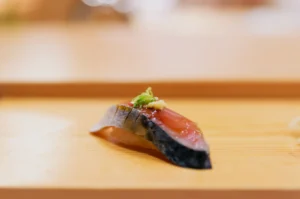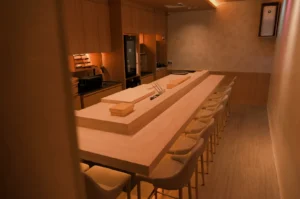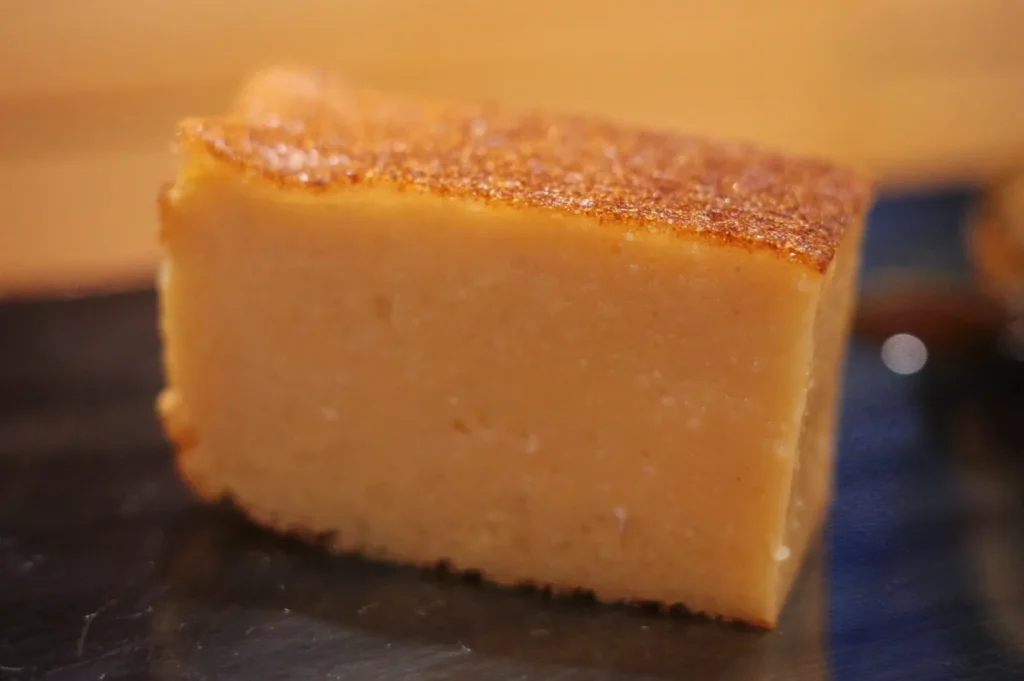
Ask a guest what they expect at the end of a Japanese omakase in Singapore, and few will say egg. Yet in the Edomae tradition, a golden slice of tamagoyaki often arrives as the quiet final note. It looks humble, but it carries a great deal of meaning. At Sushi Masa by Ki-Setsu, we think this small piece of Japanese food deserves a proper introduction, so let us explain why we place it where we do.
Edomae Tamagoyaki and the Logic of the Final Course
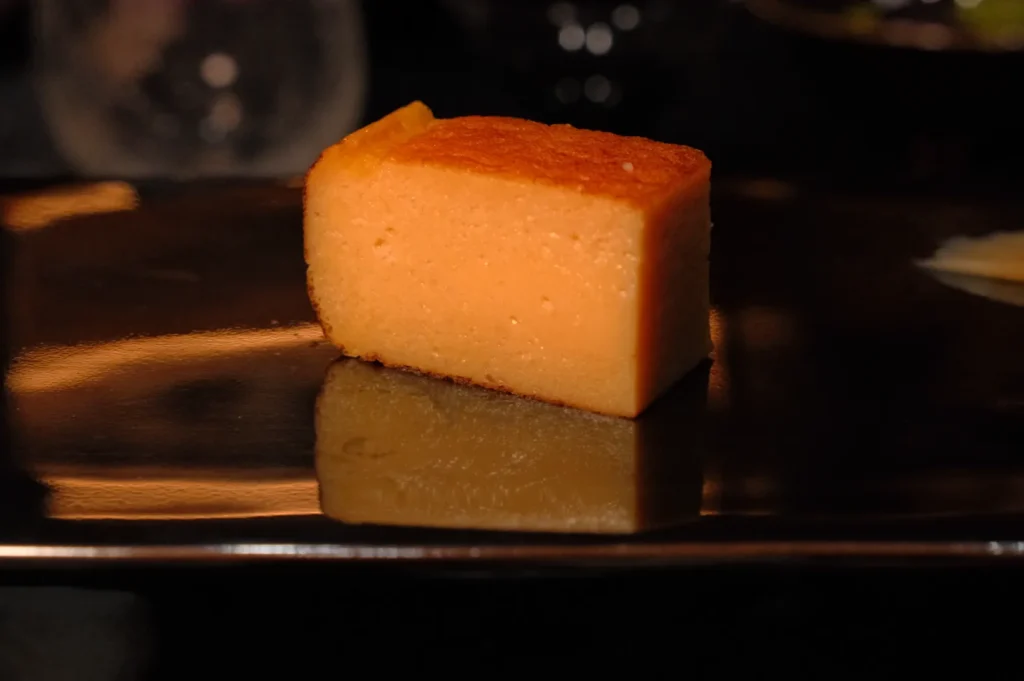
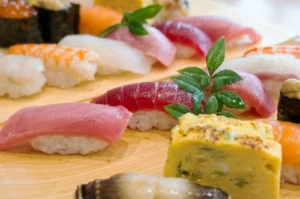
Edomae sushi grew out of Edo, the old name for Tokyo, where fresh fish from the bay was prepared with salt, vinegar, soy sauce and careful ageing. In that tradition, the meal moves from lighter, more delicate fish towards richer, more deeply flavoured pieces. The tamago sits at the very end because it is sweet, soft and gentle on the palate.
Placed first, Edomae tamagoyaki would dull the senses before the fish had a chance to speak. Served last, it works as a sweet full stop. At Sushi Masa by Ki-Setsu, our omakase follows this natural rhythm, with Chef Masa choosing each piece in order and sourcing the seafood from Toyosu, so the meal arrives at its close feeling balanced rather than rushed.
Tamago Sushi: Why a Simple Fried Egg Tests a Chef's Craft
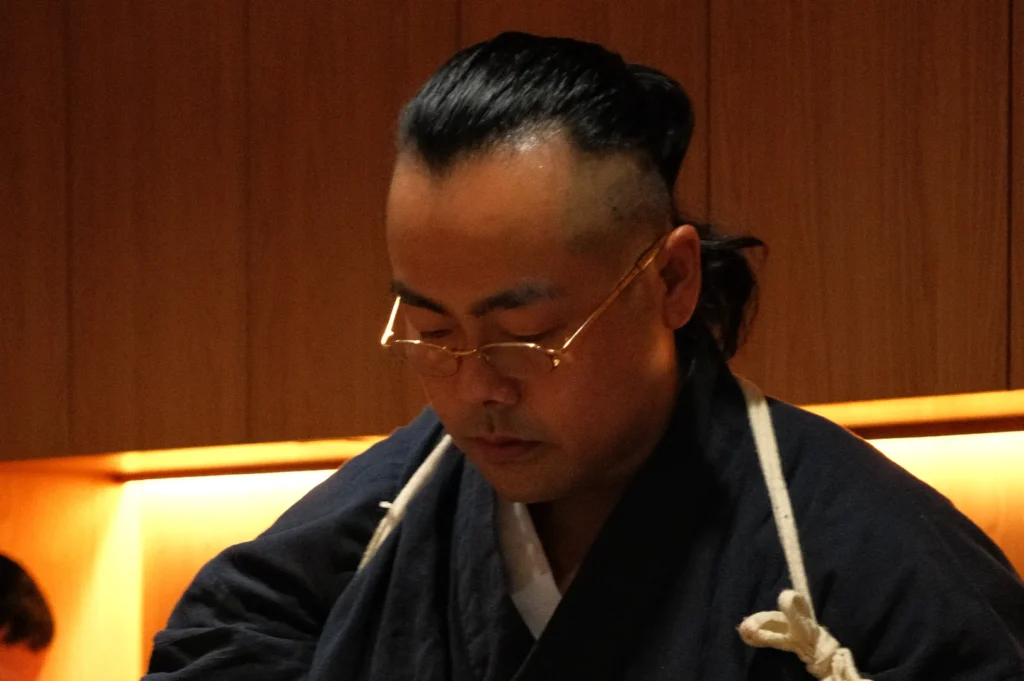
Many people assume tamago sushi is the simplest item on the counter. In truth, it is often treated as a measure of a sushi chef’s discipline. There is no raw fish to hide behind, only egg, seasoning and heat. Every flaw shows: a tough texture, a scorched surface, an uneven shape.
Traditionally, a chef who has mastered tamago has mastered patience. The fried egg must be tender but structured, sweet but not cloying, and sliced so cleanly that each piece holds its form. This is why we give the dish the same attention as any fish. At our counter, Chef Masa prepares it with the same focus he brings to every nigiri, because a guest who finishes the meal on a well-made piece of tamago leaves with a lasting impression.
Dashimaki Tamago and Atsuyaki Tamago: Two Faces of Japanese Food
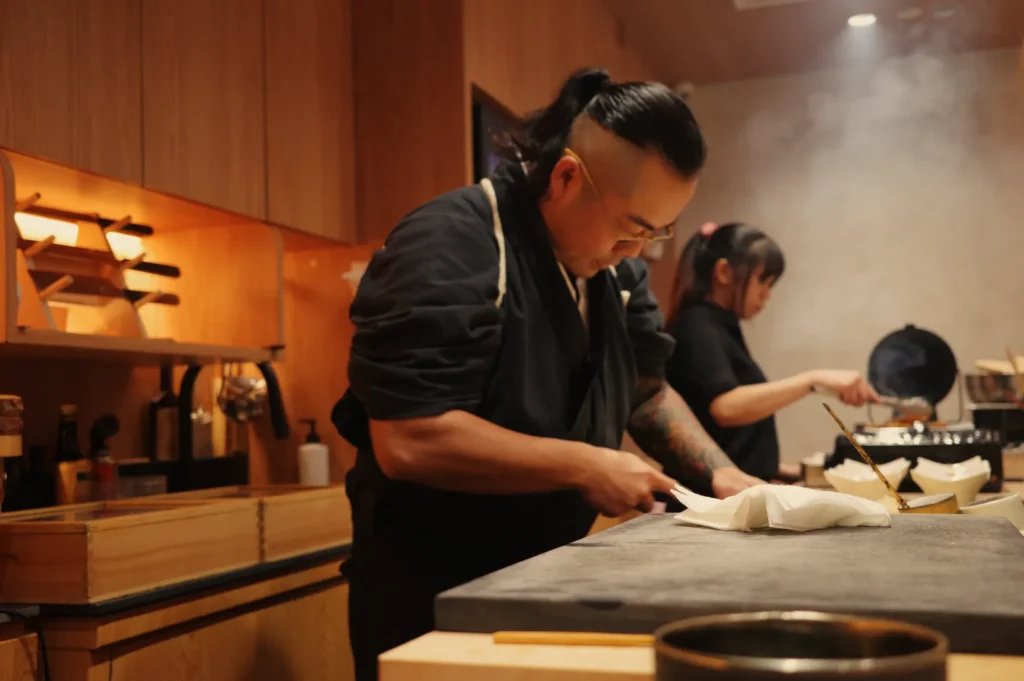
Not all rolled egg is the same. Two styles tend to come up whenever people discuss tamagoyaki in Japan, and they could hardly be more different in character.
Dashimaki tamago is a style closely associated with the Kansai region. It is made with plenty of dashi stock, which gives the egg a juicy, almost custard-like softness and a savoury, delicate flavour. It is often served with a little grated daikon radish, whose fresh bite balances the richness.
The Tokyo Way: Atsuyaki Tamago
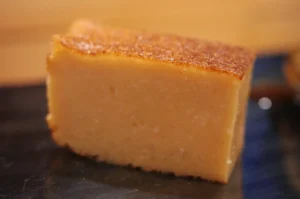
Atsuyaki tamago, by contrast, belongs to the world of Edomae sushi. It is denser, sweeter and firmer, and it is traditionally made with a paste of shrimp or white fish, along with mountain yam to give it a light, fluffy lift.
The result is closer to a delicate, baked sweet omelette than a soft roll. Where dashimaki tamago is moist and savoury, atsuyaki tamago is cake-like, rich and slightly sweet, which is exactly why it suits the end of an Edomae meal.
Egg Mixture: Where Every Rolled Egg Begins
Every good rolled tamagoyaki starts with the egg mixture. It sounds obvious, but this is where most of the quality is won or lost. The egg itself matters first: a fresh chicken egg with a bright, rounded yolk gives better flavour and colour than a tired one.
The raw egg is beaten gently with chopsticks, using a cutting motion rather than a whisking one. The aim is to break up the whites without whipping in air. Too many bubbles lead to a pocked surface and a coarse texture. The beaten eggs are then combined with seasoning: a little sugar, a touch of salt, mirin for gentle sweetness, and sometimes a splash of usukuchi soy sauce. This light soy sauce adds savoury depth without darkening the colour, which is why it is preferred for tamagoyaki.
For a dashi-forward version, the mixture also includes cooled dashi. Adding warm dashi would partly cook the egg before it reaches the pan, so patience is needed here as well. Straining the mixture through a fine sieve into a small bowl gives a smooth, even liquid that cooks into a clean, uniform egg layer.
The Tamagoyaki Pan and Why a Copper Pan Matters
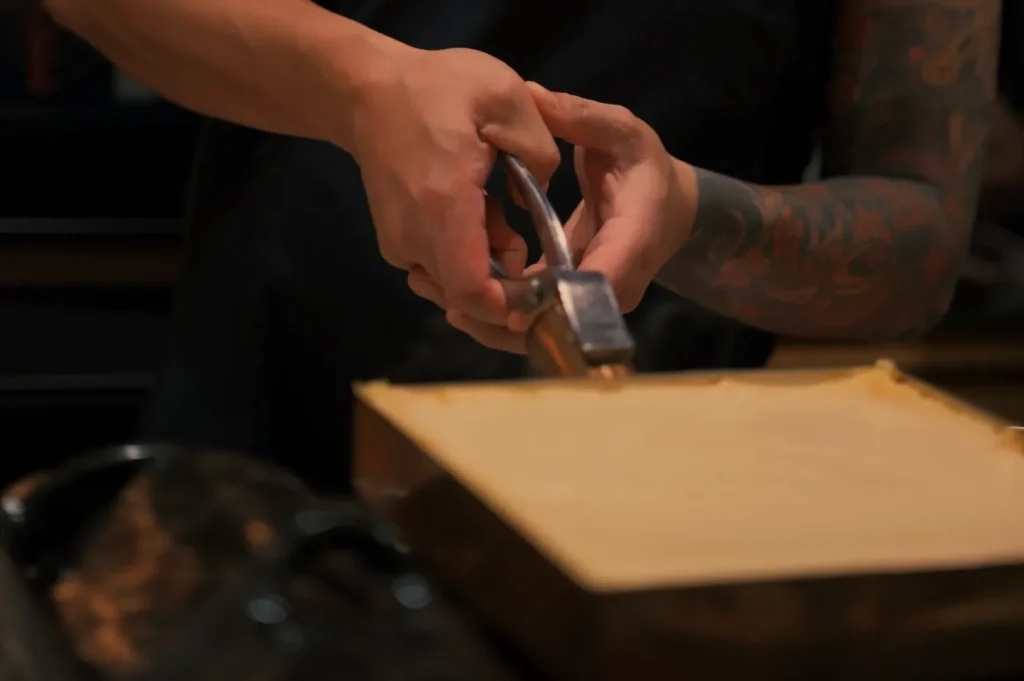
The tamagoyaki pan is a rectangular pan, often called a square pan, designed to produce the neat, even shape of a rolled omelette. Its straight sides make it possible to fold the egg into a tidy block, which a round pan simply cannot do as well.
Material matters too. A traditional copper pan conducts heat quickly and evenly, which helps the egg set without hot spots. That is why many professional kitchens in Japan favour copper for tamagoyaki. It responds instantly when the heat is adjusted, giving the person at the stove precise control over how fast each thin layer cooks.
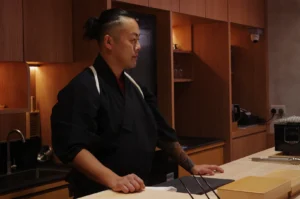
At Sushi Masa by Ki-Setsu, we believe that good tools are part of good craftsmanship. Chef Masa treats the pan as an extension of his hand, seasoning and maintaining it carefully so that the egg releases cleanly every time.
How We Cook Tamagoyaki: Heat, Patience and a Thin Layer
To cook tamagoyaki well, the first rule is to respect the heat. The pan is warmed over medium heat, then lowered. Too much high heat will brown the surface and toughen the egg, while too little will cause sticking and a pale, watery finish. The goal is a cooked egg that is pale gold, with no browning at all.
A paper towel lightly soaked in oil is wiped across the pan before each pour. This is the oiled paper towel technique: it leaves just a thin, even film of oil rather than a pool, which keeps the surface clean and free of grease.
Building the First Layer
A small amount of egg mixture is poured in and tilted to cover the base in a thin layer. Any large bubbles are popped with chopsticks. When the egg is just set but still slightly glossy on top, it is rolled from the far edge towards the near edge using chopsticks or a spatula. The rolled egg is then pushed back to the far edge, the pan is oiled again, and more mixture is poured beneath and around it.
This repeats several times, and each new layer adheres to the last. The rolling is done while the egg is still soft, because a fully set layer will crack rather than fold. The finished block is then shaped, often with a bamboo mat or sushi mat that has been rolled around it for a minute, so that the sides are straight and the surface is smooth.
Making Tamagoyaki at Home with a Simple Frying Pan
Many families enjoy making tamagoyaki at home, and it is a fixture in Japanese bento boxes. If you do not own a dedicated tamagoyaki pan, a small, flat frying pan will work, although you will need to fold the egg more carefully to keep it from sprawling.
Here is a simple recipe for a gentle dashimaki-style version. Start with three eggs, around sixty millilitres of cooled dashi, a teaspoon of sugar, a pinch of salt and half a teaspoon of usukuchi soy sauce. Beat the eggs lightly, stir in the seasoning and dashi, and strain. Warm the pan over medium heat, oil it with a paper towel, then lower to low heat before pouring. Roll the first layer, push it aside, oil again, pour, and repeat until the mixture is used up.
When it is done, transfer the block to a bamboo mat that has been slightly wet, roll it snugly and let it rest. The residual heat will finish the cooking gently from within, and the shape will set as it cools slightly. Slice it into neat rounds and serve with grated daikon radish for a delicious, refreshing contrast.
If you are drawn to the richer, denser Edomae style, the approach changes. The egg is combined with a smooth paste of shrimp and grated mountain yam, then cooked slowly over low heat. A wooden lid is sometimes used to help the heat circulate evenly, so the egg cooks through softly without hardening. Baked or gently grilled in some kitchens, it emerges tall, sweet and beautifully fluffy.
Why It Closes the Meal at Sushi Masa by Ki-Setsu
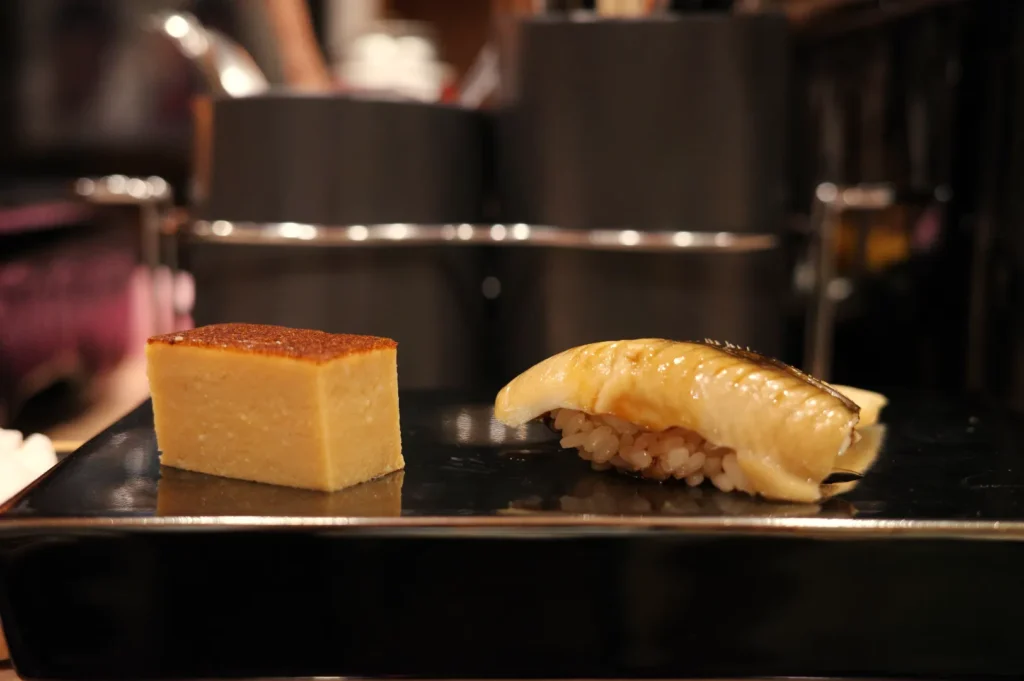
Our dining model is built on a single experience: omakase, led by Chef Masa. There are no shortcuts and no gimmicks, only a considered progression of seafood sourced from Toyosu and prepared in the Edomae manner. The meal opens with a light dashi soup, moves through seasonal fish and carefully seasoned nigiri, and may include other classics along the way, such as simmered anago brushed with its sweet glaze.
By the time the tamago arrives, the palate has travelled a long way. The shari, the vinegared rice, has been seasoned to complement each fish. The wasabi has done its work. What remains is a craving for something soft and gently sweet, and the tamago provides exactly that. It offers comfort rather than surprise, and it signals that the meal has reached its natural resting place.
We also find that guests used to tamago as an early or casual item on other sushi menus, or tucked into sushi hand rolls, are delighted by this shift. Eaten at the end, with the memory of the fish still lingering, the egg feels like a chapter closing rather than a side note.
Come and Taste the Final Note
Edomae tamagoyaki may be the humblest item at the counter, but it is one of the most revealing. It shows patience in the egg mixture, control in the heat, and skill in the rolling, all within a single, golden block. That is why we serve it last, and why we think it deserves your full attention when it arrives.
We warmly invite you to join us at Sushi Masa by Ki-Setsu, where Chef Masa prepares each omakase evening with care, from the first sip of dashi to the final slice of tamago. Come hungry, stay curious, and discover for yourself how a simple rolled egg can bring an entire meal together.