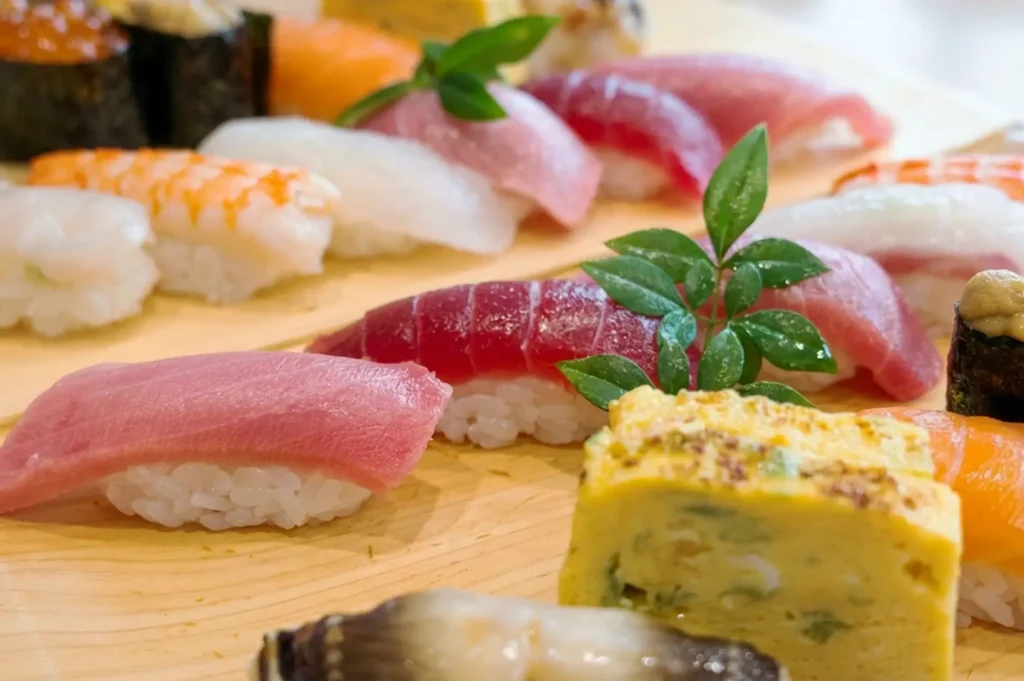
Long before the modern calendar, Japan marked the year in twenty-four finer periods, each recording a subtle shift in light, temperature and the sea. For a sushi restaurant, this is far more than poetry. It is a working guide to what tastes best, and when.
At Sushi Masa by Ki-Setsu, we cook with this rhythm in mind. Every evening, Chef Masa shapes our Singapore omakase around what the waters and fields are offering at that moment. Here is how the year unfolds on our counter.
Reading the Omakase Seasonal Calendar
The Japanese calendar of twenty-four periods began as an agricultural tool, guiding farmers on when to sow and harvest. Fishermen and cooks adopted it just as naturally. A shift in water temperature changes the fat in a fish, the sweetness of shellfish and the moment a species is at its natural peak.
This is why an omakase menu cannot stay still. Within Japanese cuisine, the omakase tradition rests on trust: the word means “I leave it to you,” and it expresses faith that the chef knows what is best today. At Sushi Masa by Ki-Setsu, that trust is the very heart of our dining experience. We do not offer a long list of choices. We offer one thoughtful omakase course, composed around the freshest ingredients of the moment.
Our approach follows the Edomae tradition, which grew out of old Tokyo. Edomae sushi values careful preparation, gentle ageing and curing, and a close relationship between the fish and the vinegared sushi rice. Because we source from Toyosu, the great fish market of Tokyo, we choose only the finest ingredients and follow seasonal availability closely, letting each ingredient arrive at its absolute peak.
Spring Seasonal Ingredients: Gentle Sweetness and Fresh Beginnings
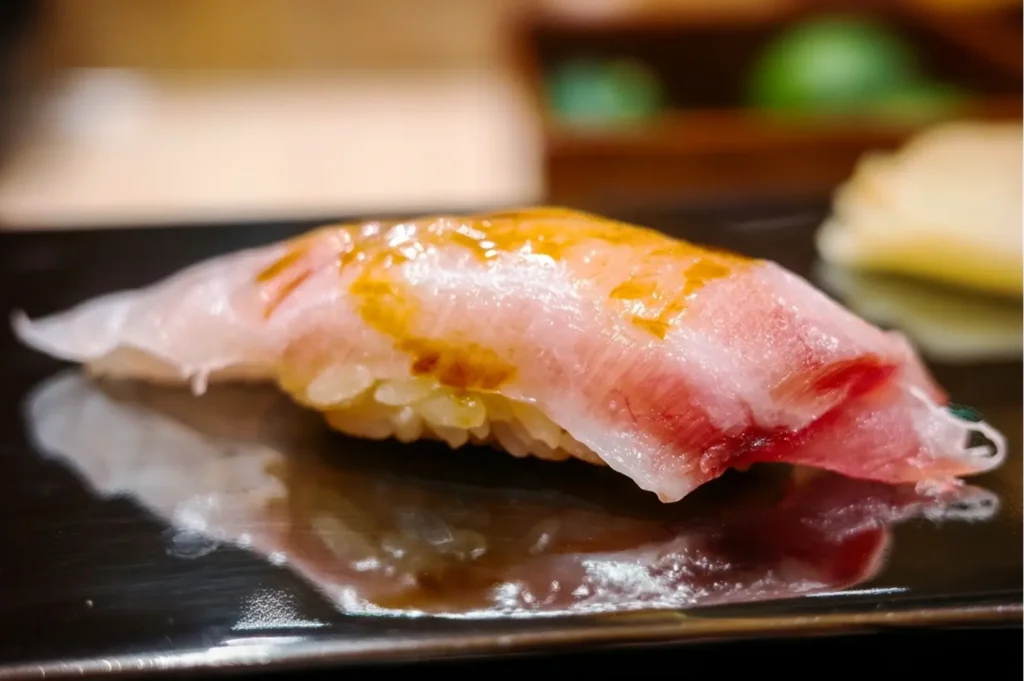
Spring arrives quietly on the plate. As the cold fades, the sea brings lighter, more delicate flavours. Shellfish become sweeter, and many white fish carry a clean, tender character that rewards simple handling.
This is a season for restraint. A thin slice of white fish served as sashimi, a touch of salt or citrus, and a carefully seasoned piece of rice can say everything. Chef Masa often lets the natural flavour of spring ingredients lead, keeping ingredient tastes clear and unmasked. Firefly squid and young bonito also appear in the spring markets, each with a fresh, slightly mineral quality that signals the new year of fishing.
Spring is also when many regular guests tell us they notice the lightness of the meal. The opening stages of our course begin with a dashi soup, a gentle stock that is not infused with shellfish. It prepares the palate and sets a calm tone for what follows.
Summer Seasonal Fish and the Brilliance of Sea Urchin
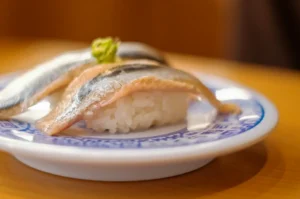
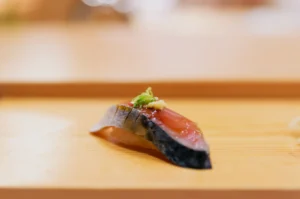
When the heat builds, appetites turn towards freshness and brightness. Summer is the time for horse mackerel, a silver fish whose lively, savoury flavour comes alive with a touch of ginger and scallion. It is a humble fish, yet in its perfect season it rivals far more expensive cuts.
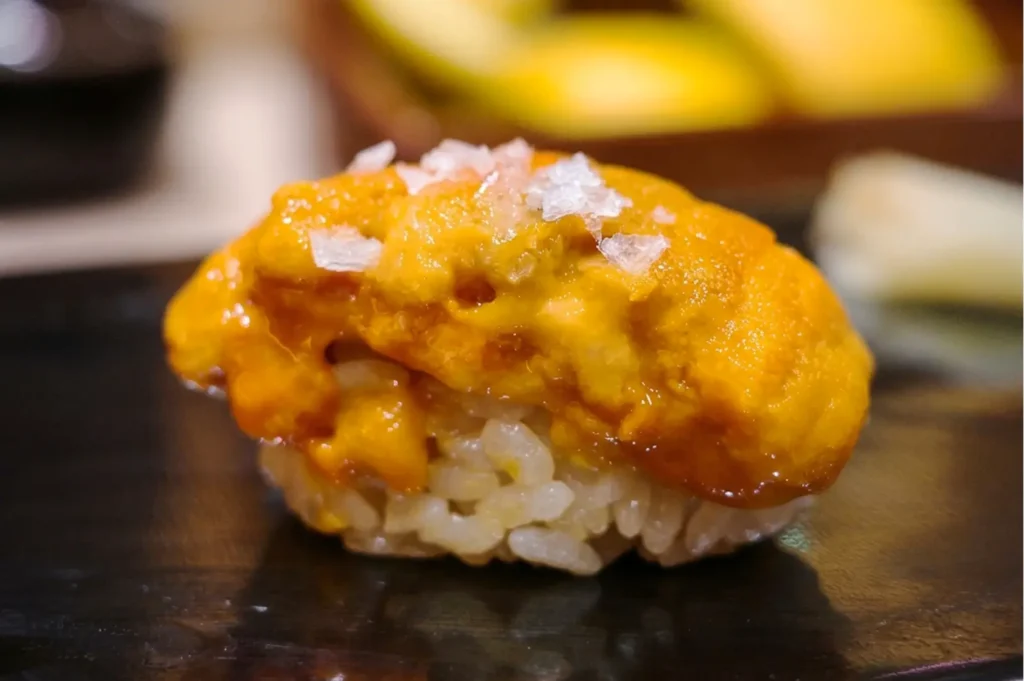
Summer is also a wonderful moment for sea urchin. Good sea urchin is creamy, sweet and faintly briny, with a texture that melts almost before you notice it. Quality varies enormously from one day to the next, which is why we choose carefully each morning rather than committing to a fixed supplier. When it is at its best, a single piece on a small mound of sushi rice needs nothing more.
Conger eel, another summer favourite, is simmered until soft and finished with a light glaze. Its rich yet delicate taste shows how a seasonal ingredient can be both comforting and refined. Each dish reminds us that a seasonal menu is not about luxury for its own sake. It is about timing.
Autumn Seasonal Dining: Earthy Flavours and New Harvest Rice
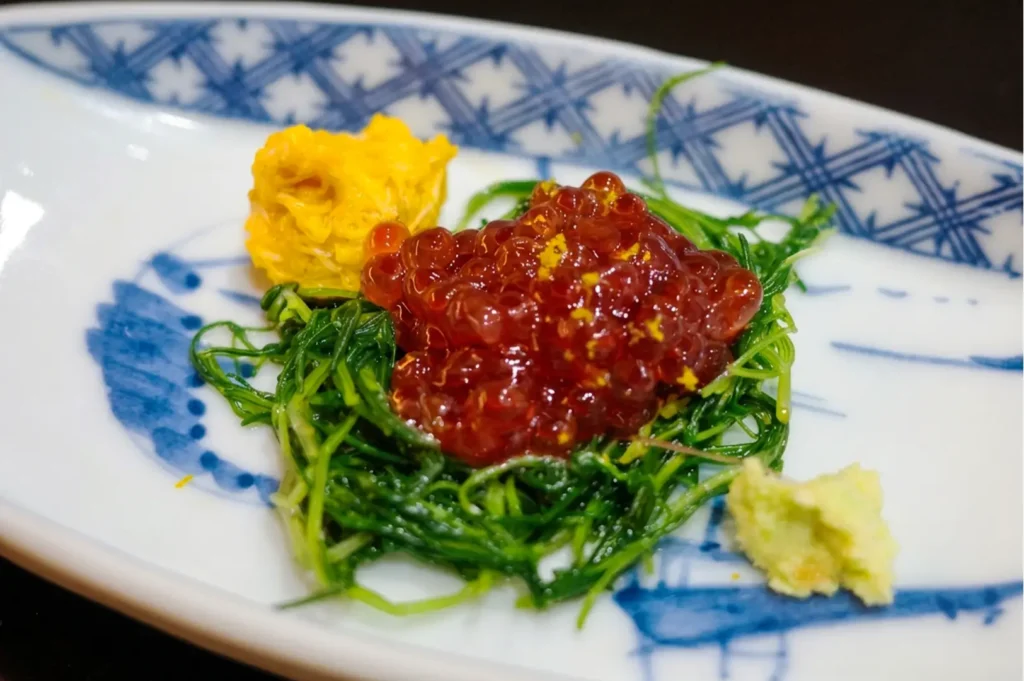
Autumn is, for many of us, the most generous season. The sea grows richer as fish prepare for the colder months, and the land contributes its own seasonal produce. An earthy autumn begins with the first scent of matsutake mushrooms and continues in the deeper, rounder tones of the fish.
Pacific saury, called sanma, reaches its fatty best in autumn, and salmon roe glistens with its season-only freshness, delivering a burst of savoury sweetness. We use roe thoughtfully, as a considered accent within the course. It is never piled high, because we prefer balance to spectacle. A small amount, well placed, tells you far more than a mountain of it ever could.
Matsutake mushrooms are among autumn’s most prized aromas, and we occasionally use them as a delicate accent alongside seafood. Their fragrance is unmistakable, and it signals that the year has turned.
Why Sushi Rice Changes With the Harvest
Autumn also brings new harvest rice, known as shinmai. This freshly harvested grain holds more moisture and carries a gentle natural sweetness. Because sushi rice is half of every piece of nigiri, even a small change in the grain affects the whole bite.
Chef Masa adjusts the water, the vinegar and the seasoning to suit the new rice. A tiny change in balance can be the difference between a good piece and a memorable one. This is the kind of craftsmanship that guests seldom see, but always taste.
Winter Seasonal Menu: Snow Crab and the Richness of Cold Waters
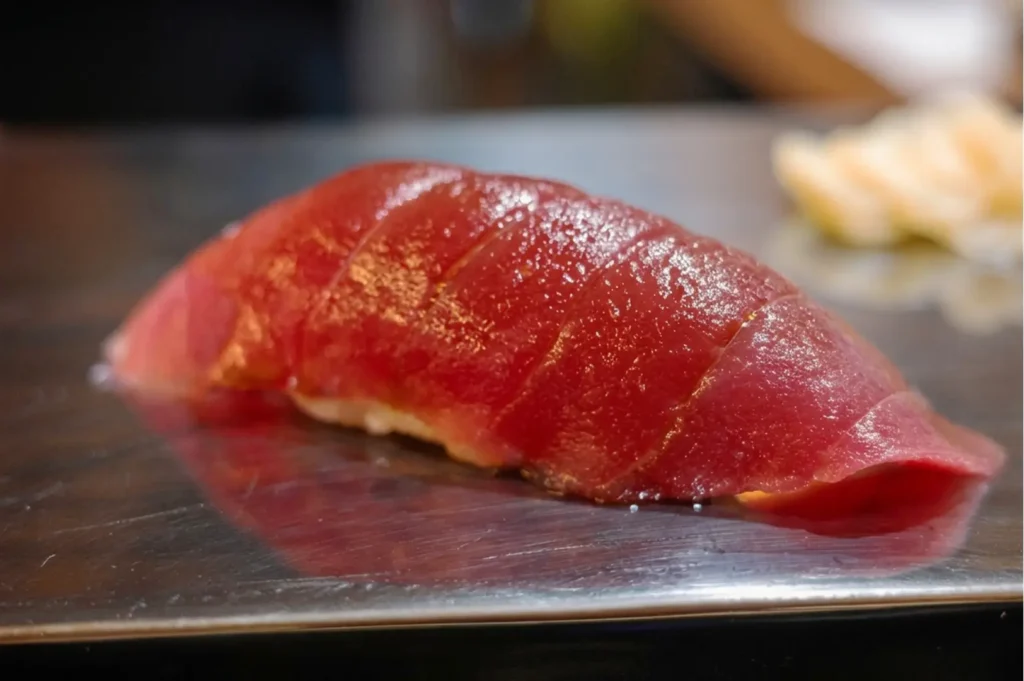
As winter settles in, the seas of northern Japan grow cold, and that cold is a gift. Fish build up fat to survive, and shellfish and crustaceans develop a concentrated sweetness. It is the season of deep, rich flavour.
Snow crab is among our most anticipated winter ingredients. Its flesh is tender, sweet and slightly silky, with a clean ocean taste that needs little help. We serve it with great care, because the best snow crab is delicate and should never be overwhelmed. For many guests, it becomes the highlight of a winter evening.
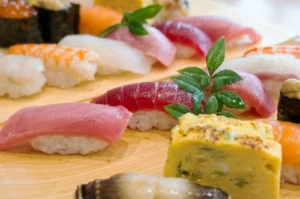
Monkfish liver is another winter classic, often described as the foie gras of the sea. Properly prepared, it is creamy and smooth, with a luxurious depth that pairs beautifully with a touch of acidity. Golden eye snapper, with its rosy skin and soft, fatty flesh, also reaches its peak in the colder months. Tuna from the Pacific is at its richest too, and a well-aged piece reveals layers of flavour that younger fish cannot match.
Winter is a time for warmth, and our course reflects that. Later in the meal, guests are served miso soup cooked with clams, which closes the evening gently after the richer stages of the course.
Personalised Service and the Best Omakase Menus Begin With One Chef
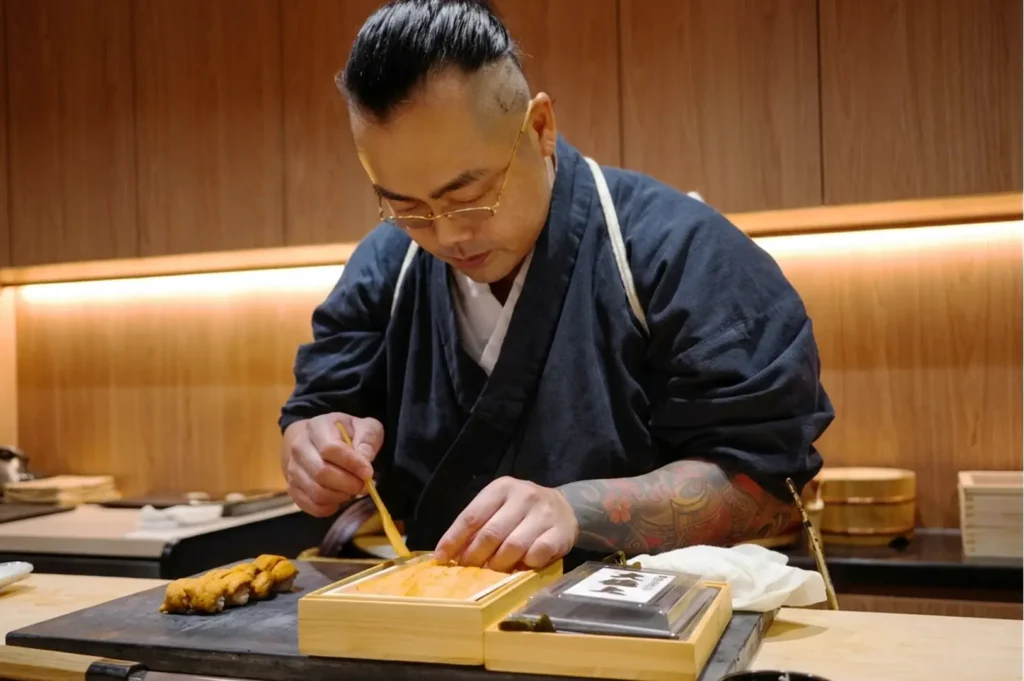
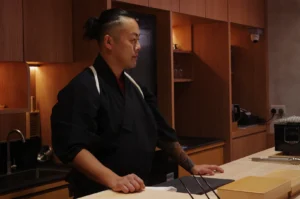
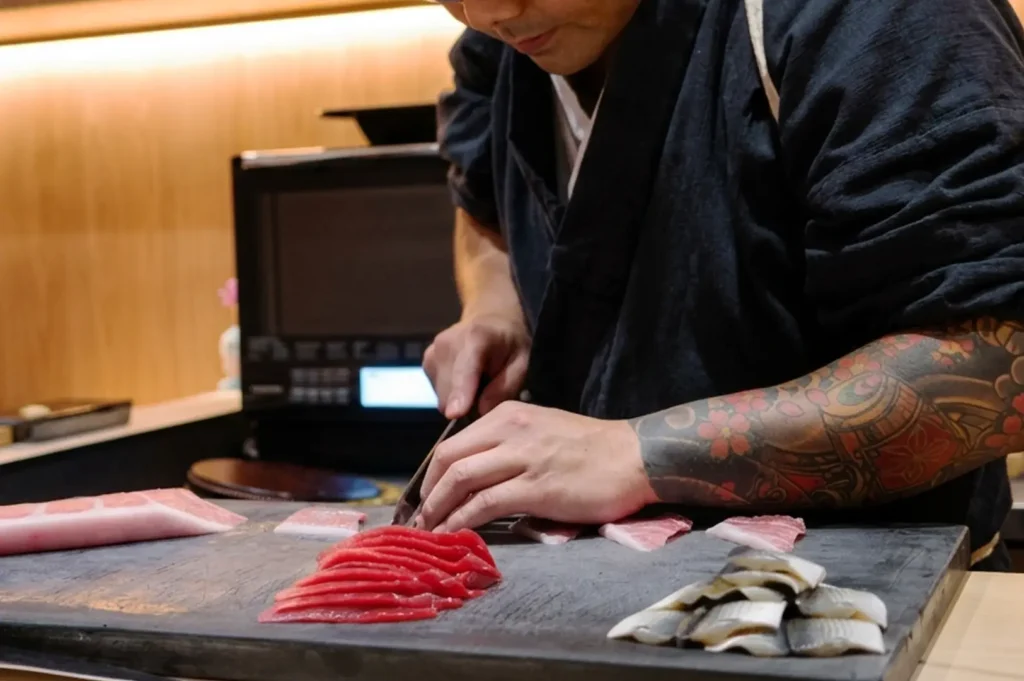
A seasonal omakase works only when the person behind the counter has deep knowledge and absolute freedom. At Sushi Masa by Ki-Setsu, there is one chef, and that is by design. Chef Masa selects the fish, prepares each ingredient and serves each piece personally. Nothing is delegated, and nothing is left to chance.
This matters because seasonality is a matter of judgement. A fish may be at its best for only a short stretch of time, and the difference between day three and day five of ageing can be remarkable. When one person oversees every stage, from the market to the counter, the whole meal gains a coherence that is difficult to achieve any other way.
It also allows genuinely personalised service. Because Chef Masa works directly with each guest, he can adjust to dietary needs and avoid certain ingredients when asked, and he can adapt the pace of the meal to the room. We encourage guests to share any requirements when they reserve, so that the evening feels considered from the very first piece.
Many other establishments rely on a fixed menu that changes only occasionally. We believe the best omakase menus are those that respond to the sea itself, not to a template. That is why no two seasons at our counter are ever quite the same, and why returning guests often discover something new.
A Seasonal Dining Experience for Regular Guests and First Visits
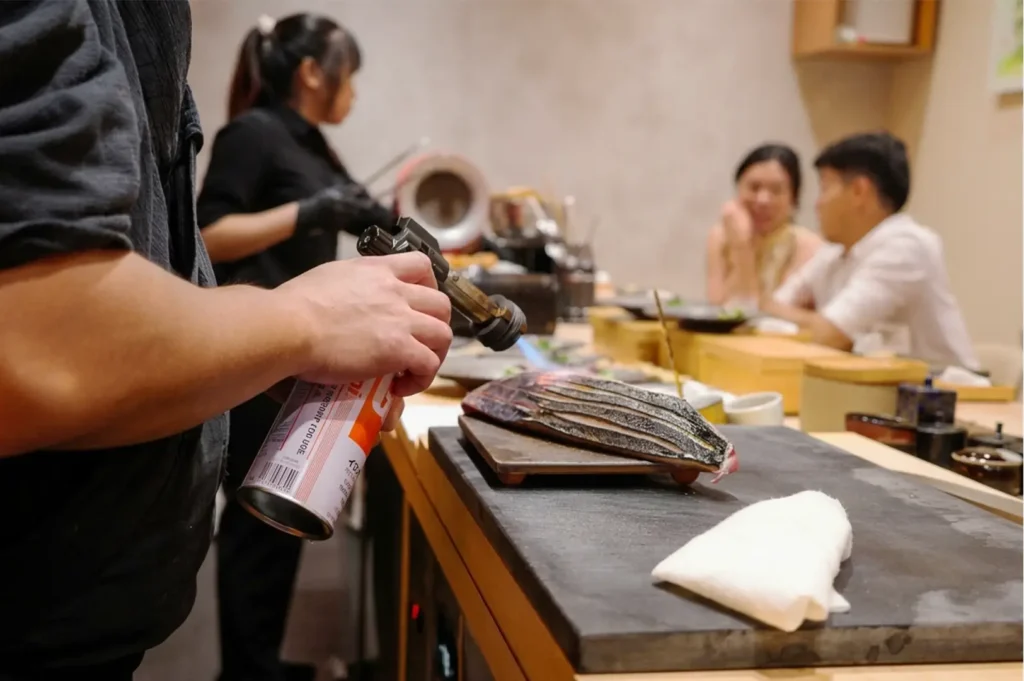
Seasonal dining rewards repetition. Someone who visits in spring and again in autumn will taste two entirely different meals, shaped by the same hands and the same principles. Each visit offers a new chapter of the omakase experience, and our regular guests often tell us that they plan their visits around the calendar, returning for snow crab in winter or for new harvest rice in autumn.
For first-time guests, we aim to make the evening welcoming and unhurried. We are a dinner-only restaurant, which allows us to focus our energy on one carefully paced service. The menu is entirely seafood-based, and the course unfolds in a considered order, moving from lighter flavours to richer ones and closing with a quiet, satisfying finish, including a dessert that suits the season.
Thoughtful diners often ask how to recognise the best omakase. We would suggest looking for a few simple signs: a counter led by a single, knowledgeable chef, ingredients sourced with care, and a menu that changes with the season rather than staying fixed. These are the qualities that make a meal memorable, and they are the ones we hold ourselves to every evening.
Sushi Masa by Ki-Setsu: An Omakase Experience and Culinary Journey Through the Year
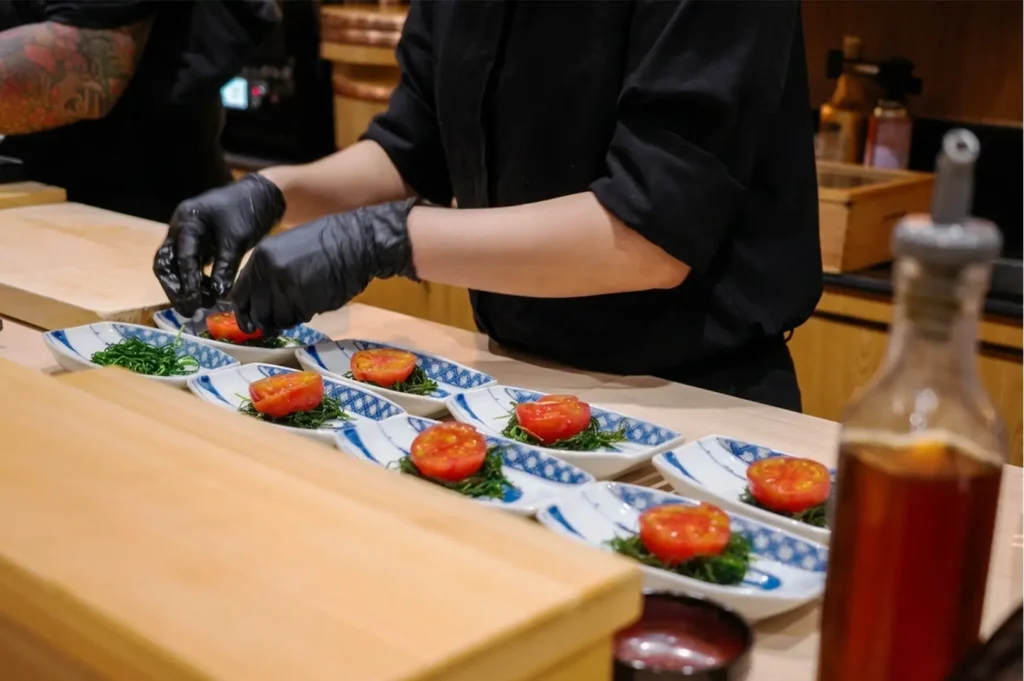
The twenty-four seasons of Japan are not a theory to us. They are a daily guide, shaping what we buy at Toyosu, how Chef Masa prepares each piece and how we hope our guests will feel when they leave. A seasonal omakase is, in the end, a culinary journey through time, told one bite at a time.
Whether you wish to taste the sweetness of spring, the brightness of summer, the earthy depth of autumn or the richness of winter, we would be delighted to welcome you. Reserve a seat at Sushi Masa by Ki-Setsu and let the season speak for itself.