Every deal reaches a point where the paperwork is nearly done and the only thing left is trust. Term sheets can bring two parties to the edge of an agreement, but they rarely carry anyone across it. That final step often happens away from the office, over a meal where people stop performing and start talking.
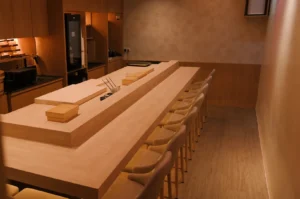
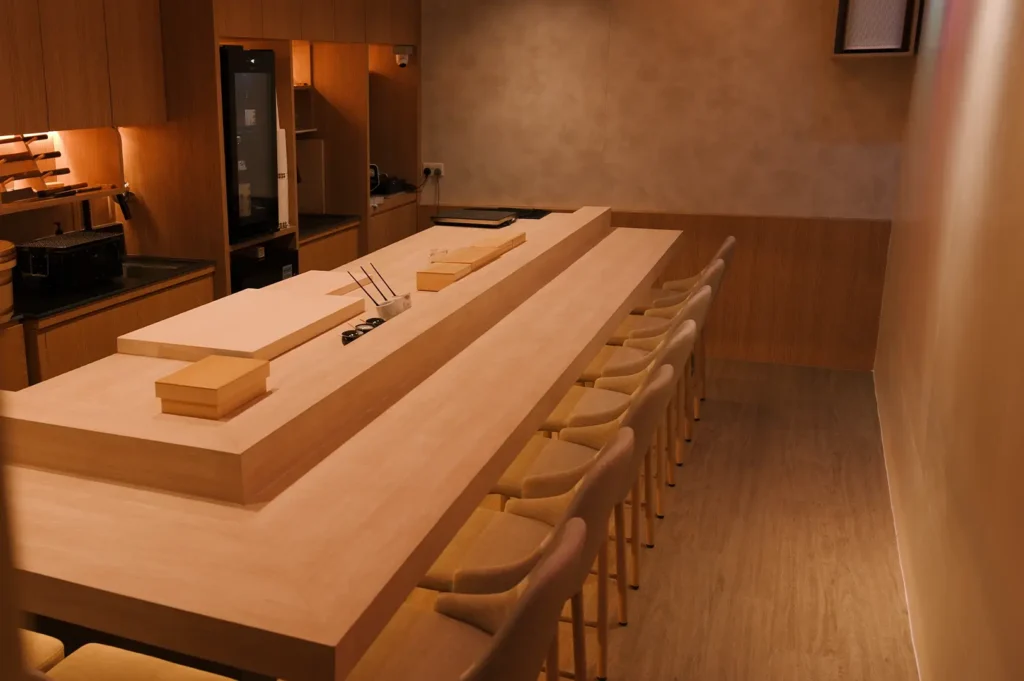
At Sushi Masa by Ki-Setsu, we have watched this unfold many times from behind our eight-seat counter. Guests arrive as two sides of a negotiation and leave as people who understand each other. Here we look at why a closing dinner works, how to plan a client dinner that feels effortless, and why a sushi counter may serve you better than the traditional boardroom table.
Why Closing Deals Over Dinner Still Works
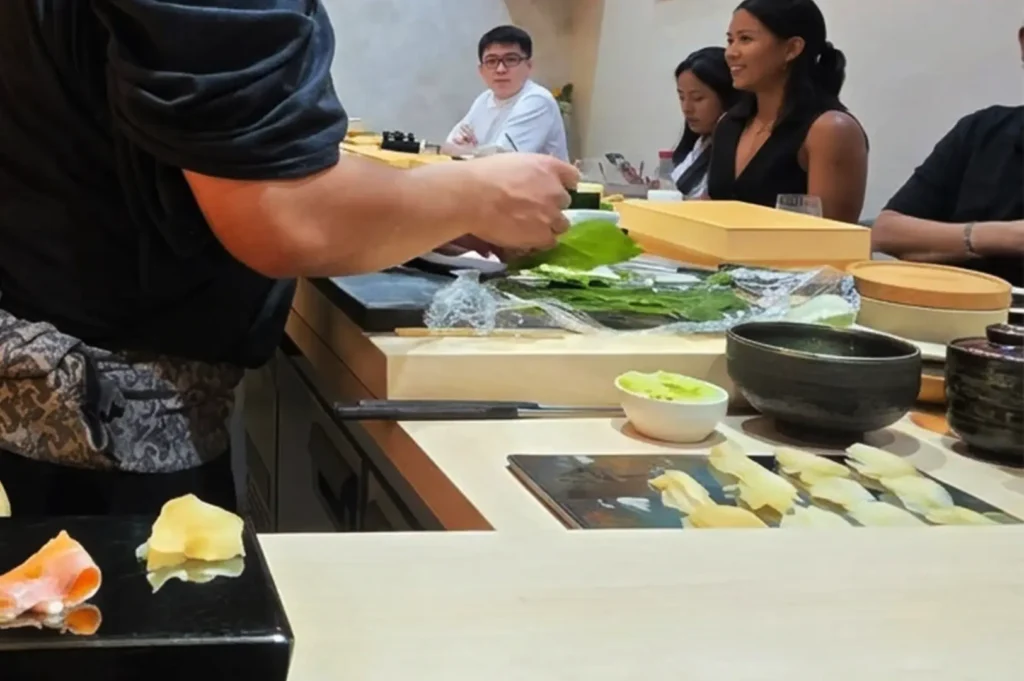
Sharing a meal is one of the oldest forms of relationship building. When people eat together, defences soften. The conversation moves from positions to priorities, and the other side becomes a person rather than a counterparty. Most people remember how a dinner made them feel long after they have forgotten the details of a presentation. Business owners know this instinctively: the strongest partnerships often begin with two people who enjoyed each other’s company, and some of them end up as friends.
A business dinner also changes the rhythm of a negotiation. In an office, meetings are timed, interrupted and crowded by phones. At the table, there is no business agenda pinned to the wall, only a natural flow of courses that gives everyone room to breathe. A joke lands, a story about family comes out, and a sticking point suddenly feels smaller than it did that morning. Even talk of money feels easier when it arrives between courses, and you can finally hear what the other side truly cares about.
There is a practical side too. A successful deal rarely depends on one clause. It depends on whether both parties believe the other will honour the agreement once the lawyers have gone home. Dinner is where that belief is quietly built, one course at a time.
The Boardroom Table Has Its Place
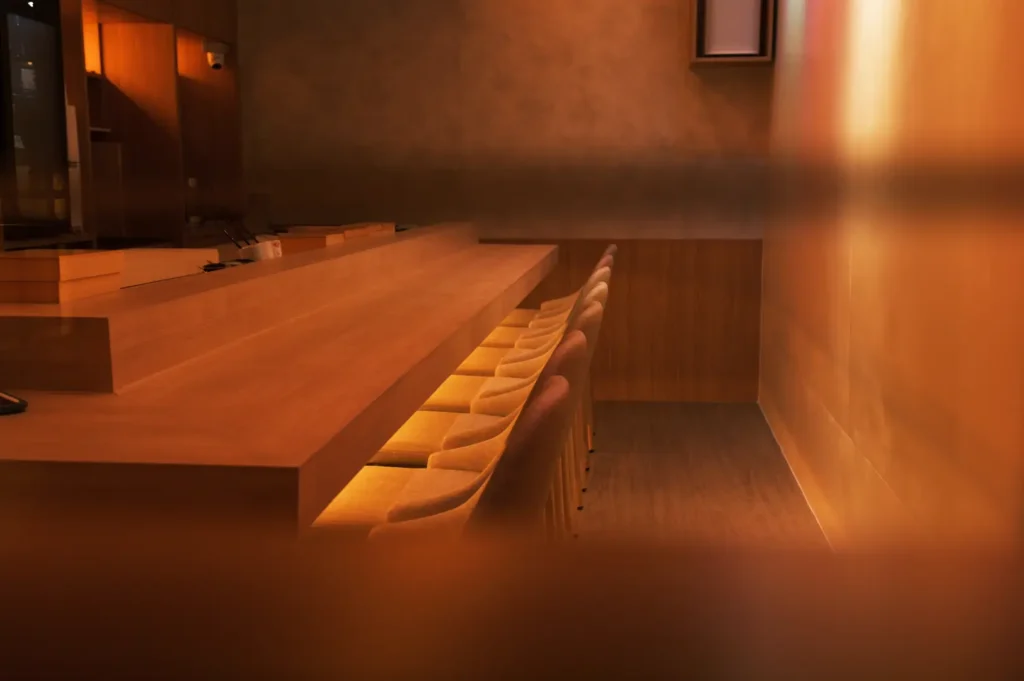
We should be fair to the boardroom. Large companies, finance teams and professional services firms often need a formal setting where documents can be reviewed, signatures collected and compliance requirements met. Many luxury hotels offer excellent private rooms for exactly this purpose, with the logistics handled and a neutral atmosphere that suits sensitive discussions.
But a boardroom comes with a script. Everyone sits on opposite sides, notes in front of them, and the tone stays guarded. That is useful when you are reviewing terms line by line. It is less useful when your goal is to move from “we are interested” to “we are in.”
The smarter approach is to separate the work from the celebration. Settle what needs settling in the office, then use dinner to confirm the relationship and mark the moment. The boardroom is where the agreement is written. The restaurant is where it is sealed.
Planning a Closing Dinner That Feels Effortless
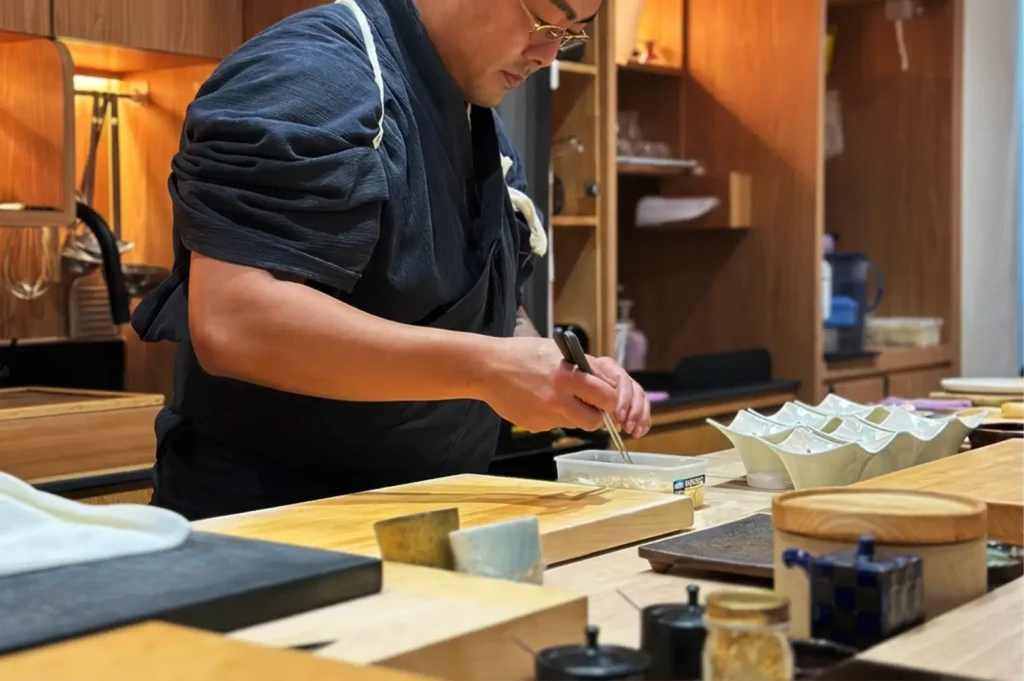
The best closing dinner looks spontaneous and is anything but. Half the work is done before anyone sits down, and preparation is the key to letting the host relax and focus on the conversation.
Begin by deciding who should be invited. A small group works best, because a table of four or six keeps the discussion shared rather than splintering into side chats, and every guest can contribute. Ask yourself what the evening needs to achieve and determine your priorities in advance. Is it to resolve a final concern, to introduce the wider team, or simply to thank the other side for their patience? A clear purpose also means you are not discussing terms all night.
Next, do some quiet research. Find out what your guests enjoy, whether they have food allergies or dietary restrictions, and whether anyone avoids alcohol. At our counter, the menu is purely seafood, so we always ask for allergies and preferences ahead of time. It is a small step that makes all the difference.
Then book early. Good seats are limited, and a busy week in town can fill the best tables quickly, even in a city as large as Singapore. Sushi Masa by Ki-Setsu serves dinner only, from 7:15pm, Tuesday to Saturday, and private bookings are available on Sundays. Confirming the details well in advance means the evening runs on your terms.
Hosting a Client Dinner: Who Pays and How to Handle the Bill
The rule is simple: the person who invites is the one paying. If you are the host, the bill is your responsibility, and it should be settled discreetly. Arrange payment in advance or step away from the table at the end of the meal. Nobody should watch a card machine travel across the table while a deal is being finalised.
If you are the guest, accept graciously. Offering to split the cost can feel polite, but it often signals discomfort and shifts the mood. It is also not expected of you. A warm thank you and a promise to host next time is the better response.
Mind the budget, too. A generous dinner shows respect, but an extravagant one can leave the other side feeling an obligation they did not ask for. The aim is a meal that feels thoughtful rather than showy.
Finally, remember that your company probably has clear expense and tax rules for entertaining clients. Check your own policy before you book, keep accurate receipts, and make sure the guest list and purpose are recorded honestly. Clean records protect everyone involved, and they keep a pleasant evening well clear of any suggestion of fraud.
Wine, Sake and Keeping Control of the Evening
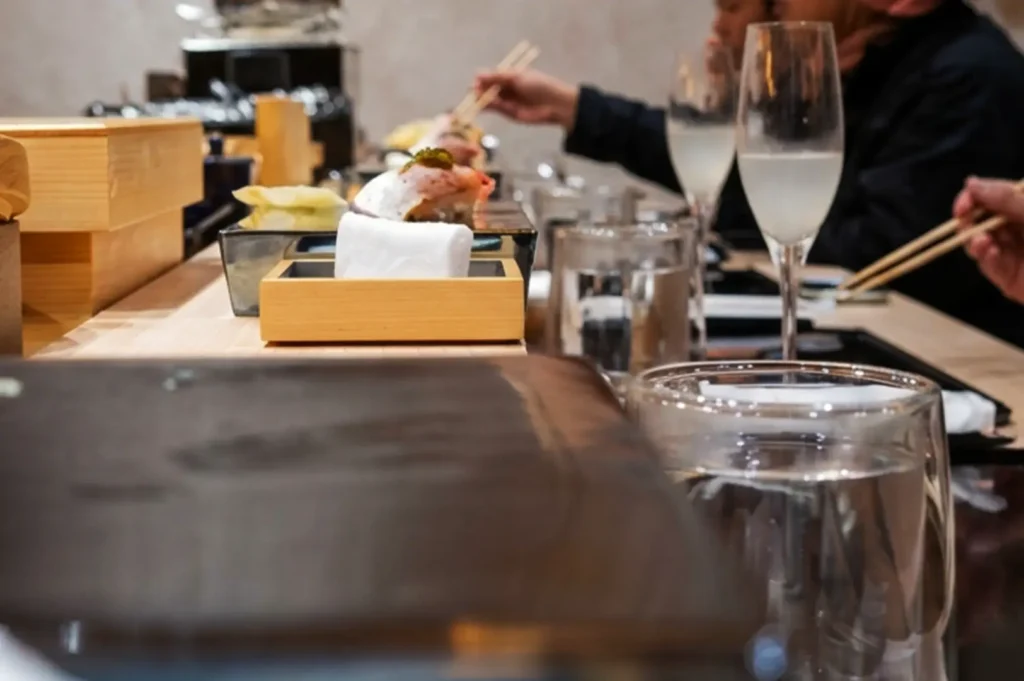
A good drink can warm a table, but it can also cloud judgement. The host sets the pace, and the host should stay in control. Order thoughtfully, pour moderately, and always offer something non-alcoholic so that no guest feels pressed to match the rest of the table.
Seafood pairs beautifully with both wine and sake, and a well-chosen bottle gives people something to discuss besides the contract. Ask your guests what they prefer, then guide the evening gently. Nobody should leave remembering the drinks more than the agreement.
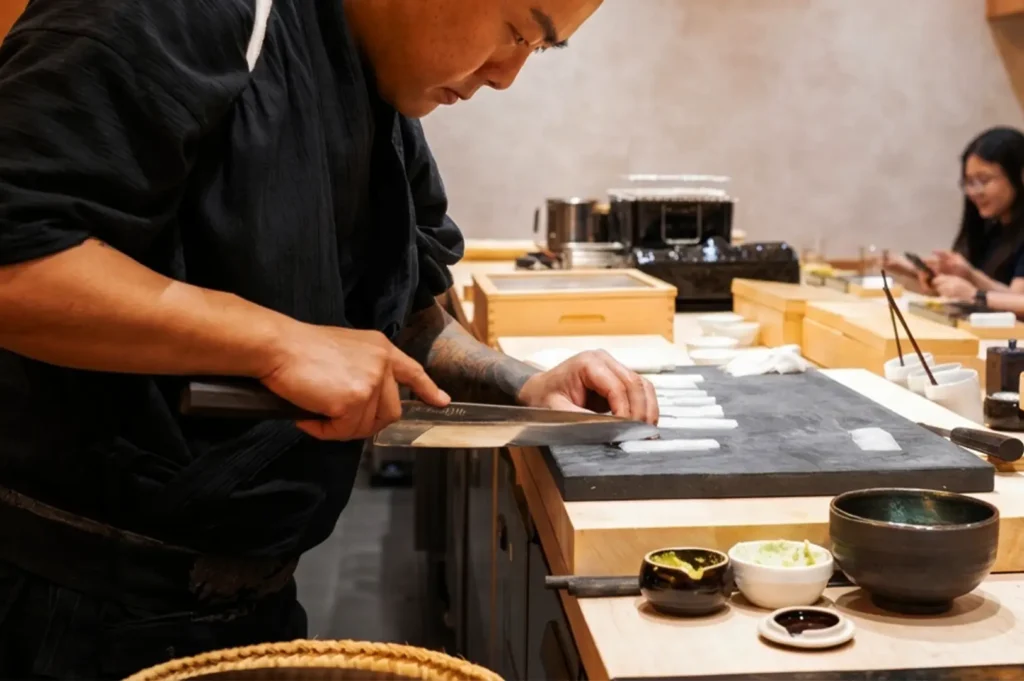
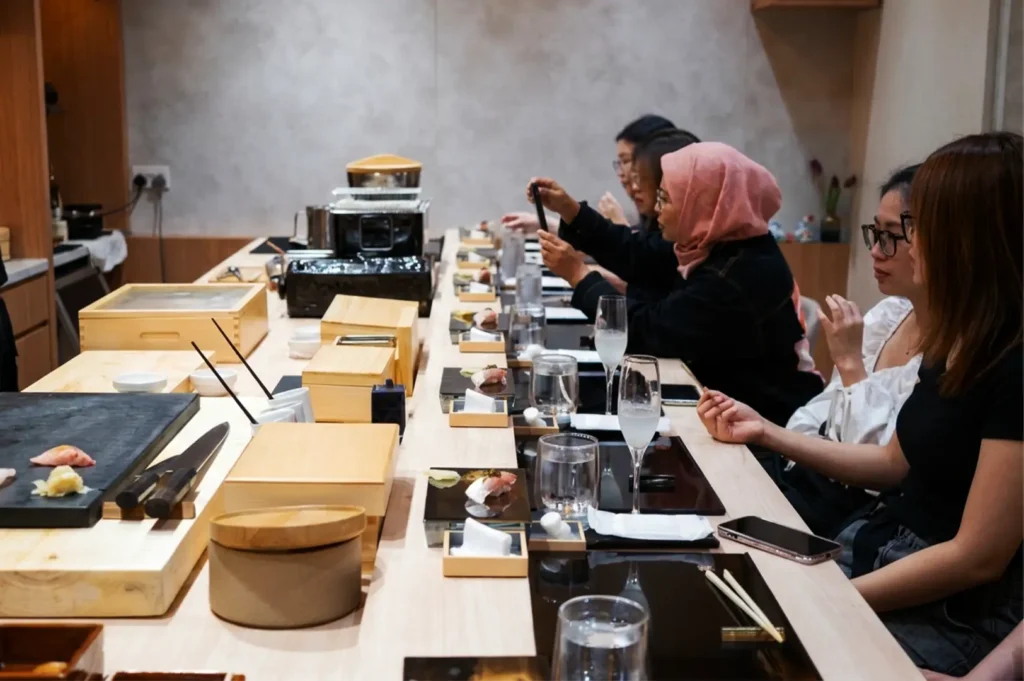
A conventional restaurant table puts people face to face, which can feel like a continuation of the negotiation. A sushi counter changes that geometry. At Sushi Masa by Ki-Setsu, our eight seats sit side by side, facing Chef Masa as he works. The effect is subtle but powerful.
Everyone Faces the Same Direction
When two parties sit shoulder to shoulder, the dynamic shifts from opposition to shared experience. Attention rests on the craft in front of you: the slice of a blade, the shaping of rice, the careful placing of each piece. That creates a natural topic of conversation that has nothing to do with price or terms. People relax, and a little fun enters the room. Relaxed people tend to be more open and more generous.
A Pace That Suits Conversation
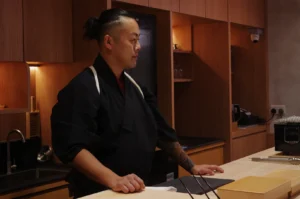
Omakase means “we leave it to you,” and it is built on trust. Our guests place the evening in Chef Masa’s hands, and he paces the seasonal tasting menu so the meal unfolds naturally. There is no menu to debate and no decisions to slow the table down. Courses arrive, pauses happen, and the conversation breathes.
Trust is the quality you are trying to build over a closing dinner, and the omakase format is a model of it. Both sides are invited to let go of control for a few hours and enjoy what is placed before them. That alone can change the tone of a negotiation.
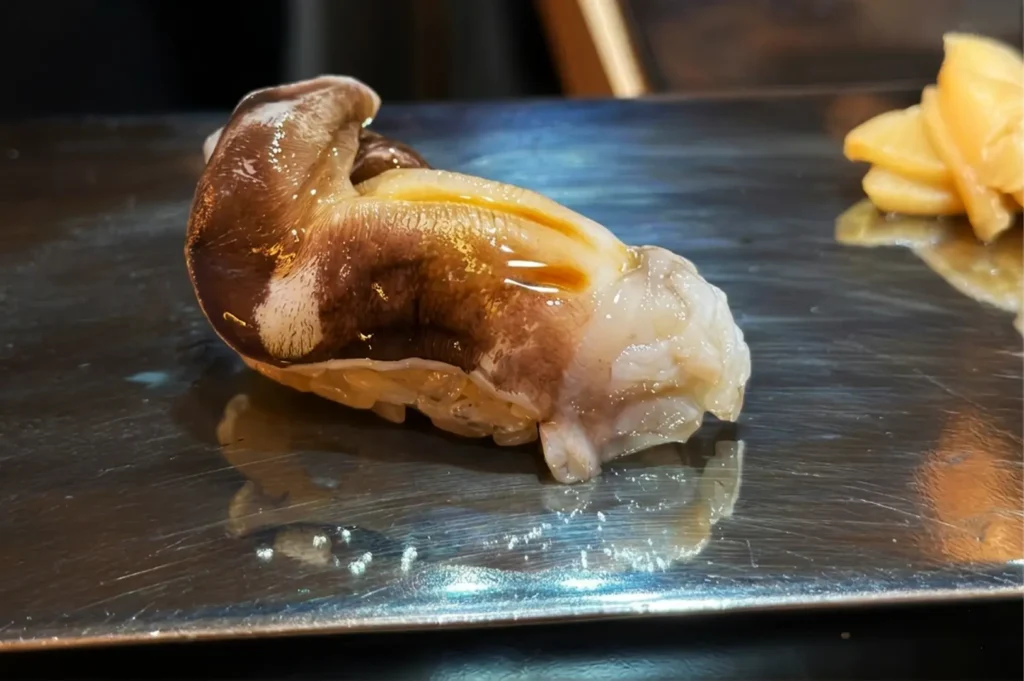
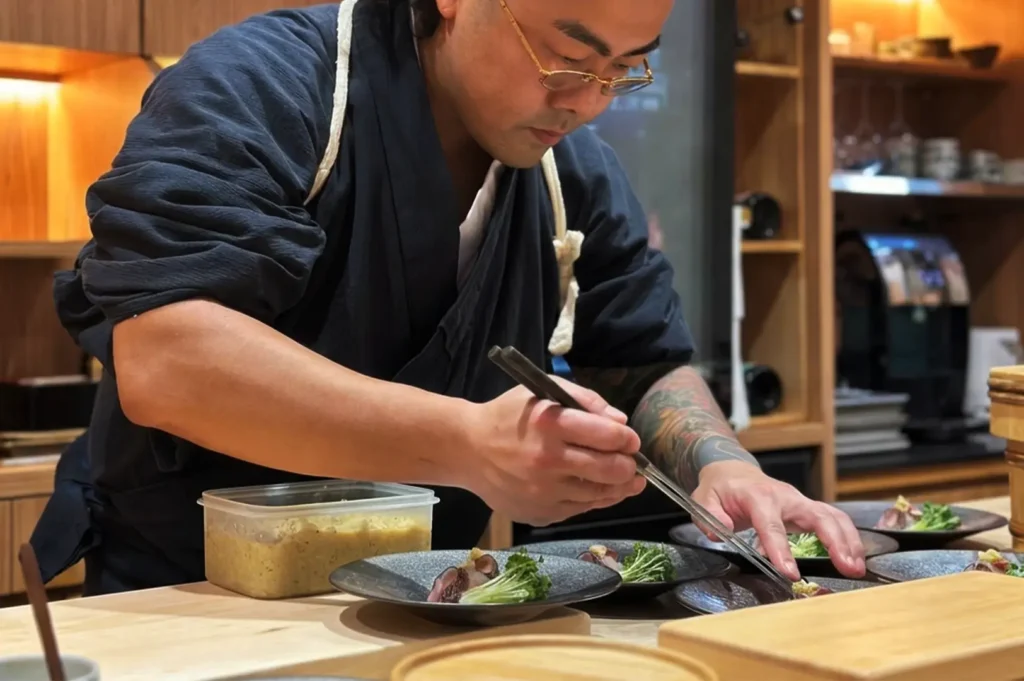
Our approach is Edomae, a style rooted in Tokyo’s traditions of preparing fish with care and precision. Chef Masa is from Tokyo, and your table gains access to seafood sourced from Toyosu Market and flown in daily. Because Chef Masa prepares every course himself, the evening has a single, unified voice. Your guests are looked after by one person, with the same attention from the first course to the last.
The setting matters as well. Our counter sits discreetly in a quiet corner of the Orchard belt, and many guests describe it as a hidden find. Privacy is something we take seriously, which suits conversations that are not meant for a crowded room.
Deal Toys, Gifts and Small Gestures
In finance and law, deal toys are small mementoes created to commemorate a completed transaction. They are a charming tradition, and a closing dinner is a natural place to present one. A modest, well-chosen gift says that the relationship matters beyond the signature.
Keep it tasteful and check that it fits within both sides’ compliance guidelines, since some organisations limit what their people may accept. Often the most meaningful gesture is the evening itself. A memorable meal, shared in good company, becomes the souvenir that both sides carry away.
For larger celebrations, our Hiseki Menu is available by arrangement with our concierge. It requires at least a week’s notice and a minimum group size, which allows us to source special ingredients and curate the experience around your occasion. It suits a major milestone, when a deal deserves a proper send-off.
Bring Your Next Closing Dinner to Our Counter
The boardroom will always have its role. It is where terms are tested and documents are signed. But when you want to turn agreement into genuine partnership, an unhurried meal at a quiet counter can do what no meeting room can.
Plan with care, host with generosity, let the conversation lead, and trust the experience to do the rest. If you are preparing a client dinner that needs to leave a lasting impression, we would be honoured to welcome you and your guests to Sushi Masa by Ki-Setsu. Reserve your seats with our concierge, tell us what the evening is for, and Chef Masa will take care of the rest.