Before the rice, before the knife, every pairing begins with one question.
How much fat does this fish carry?
Umami intensity matters. So do texture and preparation. Yet fat level, more than anything else, changes what a sake must do on the palate. With lean fish, sake complements and deepens. With fatty fish, it must cut through, lift and refresh. This shift sits at the heart of fish fat sake pairing.
This guide presents a three-tier framework for understanding how rising fat changes best sake pairing requirements. It draws on the nine fish explored across this series and arranges them as a progressive spectrum: from akami at the lean end, through chutoro, hamachi, saba and katsuo, to the richness of iwashi, sanma, buri and otoro.
For the wider foundations, our guide to sake pairing principles offers the broader view. Here, the focus narrows to fat alone.
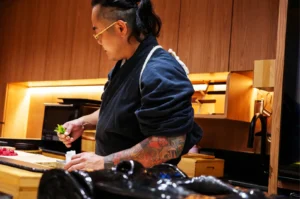
It is also the lens through which Chef Masa at Sushi Masa reads each piece at the counter. He watches the fish, gauges its richness and lets the sake follow, course by course, as the evening unfolds.
The Three-Tier Framework for Fish Fat and Sake Pairing
A note before we begin. The fat percentages below are approximate ranges, not fixed values. They shift with season, origin and the individual fish. Winter brings fattier flesh across most species, as fish build reserves against cold water. Treat each tier as a guide, not a rule.
Two terms appear throughout. SMV (Sake Meter Value) indicates dryness: the higher the positive number, the drier the sake. San-do measures acidity: a higher figure means more acid structure.
Tier 1: Lean Fish (Under 5% Fat) and Umami Synergy
Fish: Akami, the lean red meat of tuna, typically around 2 to 5% fat.
Akami coats the palate only lightly. Its flavour arrives directly: mineral, meaty, clean. With no fat to mask it, the umami speaks plainly.
Here, the sake’s task is synergy. Umami-rich styles such as kimoto, yamahai and robust junmai carry glutamates that meet the fish’s inosinate and amplify it. Acidity matters less, because there is little fat to cut. Body should match the meatiness without overwhelming it.
- Key principle: Synergy over contrast
- SMV: +1 to +6 (dry to medium-dry)
- San-do: 1.3 to 1.6 (moderate)
- Temperature: Room temperature or lightly warmed (35 to 40°C)
Tier 2: Medium-Fat Fish (5 to 20% Fat) and the Balance Point
Fish: Chutoro (roughly 15 to 20%), hamachi (moderate to high), spring katsuo (low to moderate), and saba (naturally rich, but tempered by curing).
Fat begins to register. A gentle coating forms on the palate, and the texture starts to melt. Umami and richness now share the stage.
This is the most versatile tier, with the widest pairing window. Junmai ginjo, expressive junmai, dry ginjo and some honjozo all sit comfortably here. The sake needs enough structure to register against the fat, yet enough restraint to respect the delicacy still present in the flesh.
- Key principle: Balance, managing umami and fat together
- SMV: +1 to +5 (dry to medium-dry)
- San-do: 1.2 to 1.5 (moderate)
- Temperature: Flexible, from lightly chilled (12 to 18°C) to room temperature
Tier 3: High-Fat Fish (20% and Above) Where Acidity and Structure Lead
Fish: Otoro (roughly 25 to 40%), buri and winter kan-buri, autumn katsuo (modori-gatsuo), peak-season iwashi, and autumn sanma.
Fat now leads the flavour. Richness is deep, the coating substantial. Without care, the palate tires quickly.
The sake must work actively: cutting through fat, refreshing between bites, keeping each piece as clear as the first. Kimoto, yamahai, dry junmai and warmed honjozo are natural partners.
- Key principle: Contrast and refreshment
- SMV: +3 to +10 (dry)
- San-do: 1.5 to 1.8 and above
- Temperature: Room temperature to warmed (35 to 50°C)
The Science Behind the Framework
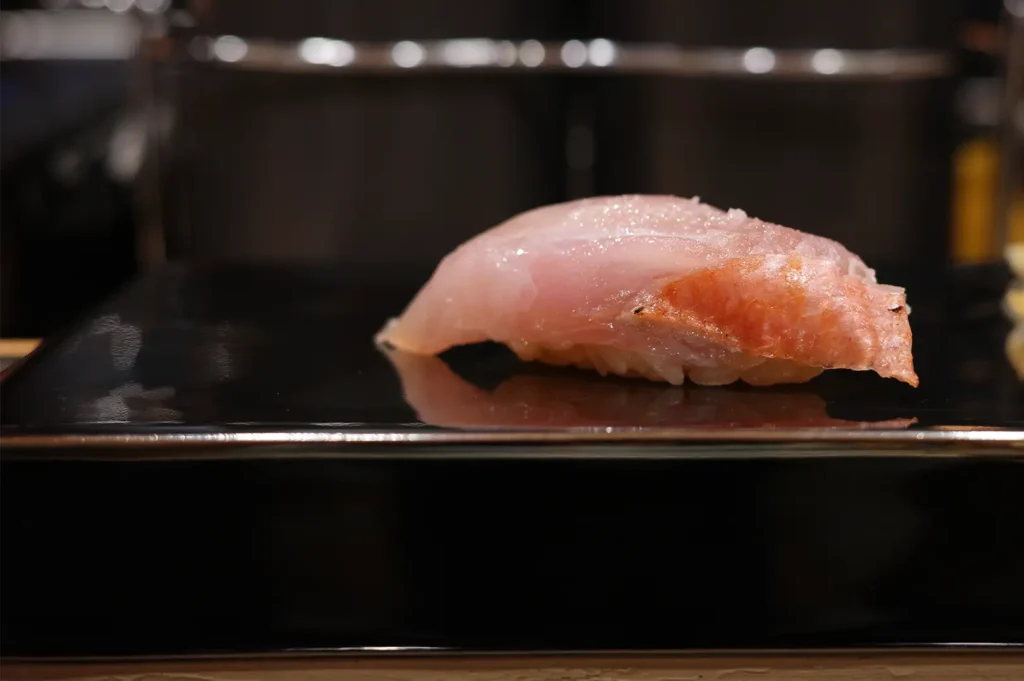
The tiers are not arbitrary. They follow how fat, acid and temperature behave on the tongue.
How Fat Masks Umami
Fat dissolves aromatic, volatile compounds well. It does not readily dissolve water-loving molecules such as glutamate and inosinate. In very fatty fish, part of the umami is held within lipid structures, less available to our taste receptors.
This helps explain a quiet paradox of tuna cuts. Otoro and akami come from the same fish, yet akami tastes more intensely savoury. The fat in otoro simply sits in the way. As fat rises, the sake’s role moves from amplifying umami to managing richness.
The Acid and Fat Interaction
Organic acids in sake, including succinic, malic and lactic, interact with the fatty film left on the tongue. They help break it into smaller droplets that saliva can carry away. Higher San-do generally means more effective refreshment. This is why sake acidity becomes essential as fat climbs.
Temperature and Viscosity
Warming sake lowers its viscosity. It flows more freely across the palate and lifts residual oil more easily. Warmth also heightens the perception of acidity. For rich fish, gentle heat often helps, though a cool, dry junmai at room temperature can work just as well.
The Body Matching Principle
Body and acidity are separate qualities. Fatty fish asks for both.
Body is weight: viscosity, texture, the presence of alcohol. A very light sake disappears beside otoro, leaving only the fish. The sake must carry comparable weight to stand as an equal partner, while acidity does the separate work of cleansing.
Practical Application: Reading a Fish for Pairing
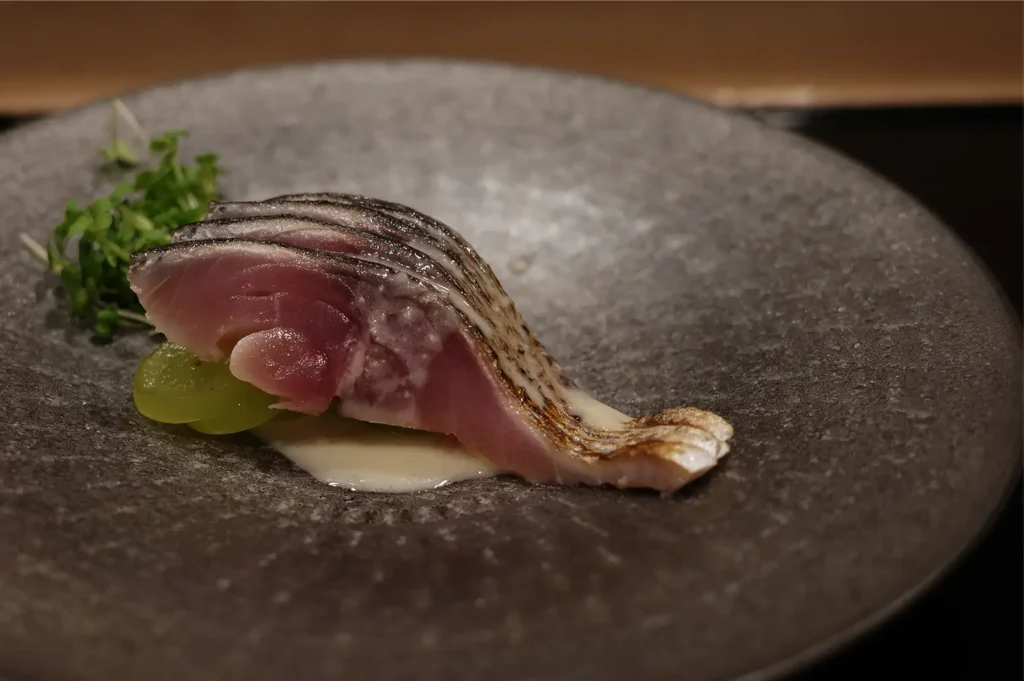
You can apply this framework to almost any fish. Begin by observing.
Look at the Flesh
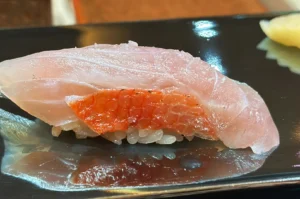
Colour and marbling tell much. Deep red, translucent flesh suggests leanness. Pale pink with fine white streaks signals rising fat. A soft sheen on the surface often means oil content is high.
Consider the Season
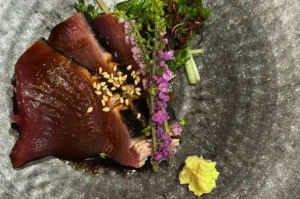
The same species changes through the year. Spring katsuo is lean and bright. Autumn modori-gatsuo returns south heavy with fat. Winter buri carries far more richness than summer hamachi. Sanma and iwashi reach their fullest in their peak months. Season can move a fish from one tier to the next.
Consider the Cut
Within a single fish, fat varies widely. Tuna cuts explained simply: akami from the back, chutoro from the flank, otoro from the belly. Each asks for a different sake.
Consider the Preparation
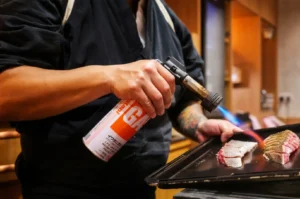
Curing, as with saba, firms the flesh and tempers its richness. A light sear softens fat and adds smoky depth. Both can shift the pairing.
Notice the First Bite
Pay attention to how the fish feels after you swallow. A clean finish points towards umami synergy. A lingering coating calls for acidity and structure.
Temperature as a Pairing Tool Across Fat Levels
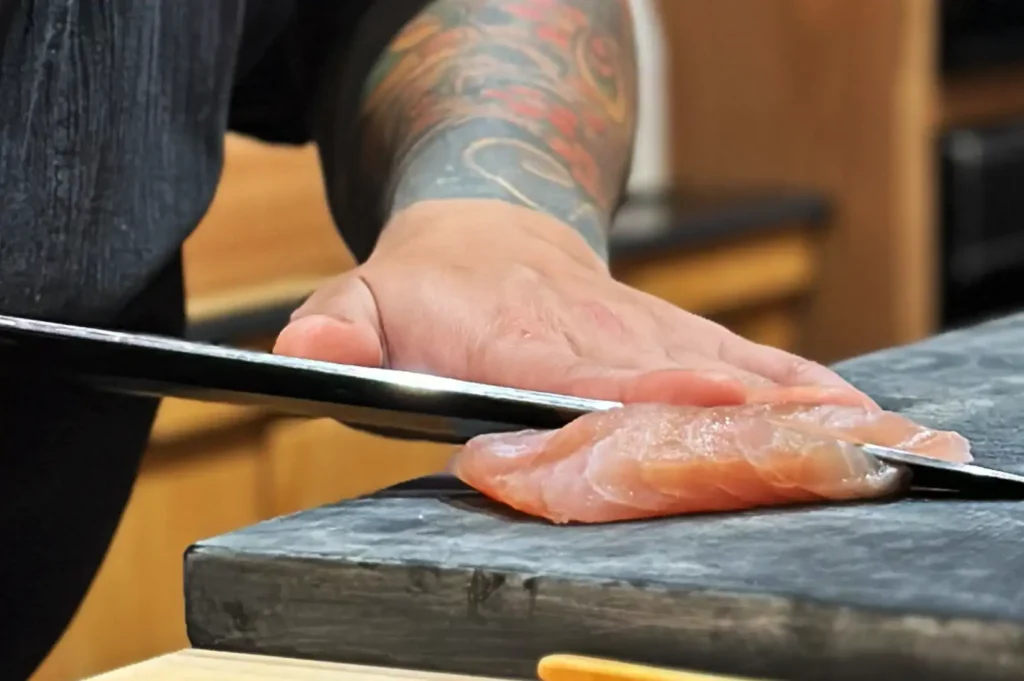
Temperature is a quiet but powerful adjustment. As a broad pattern, it rises alongside fat.
Lean Fish
Room temperature or gentle warmth, around 35 to 40°C, opens up umami in the sake and meets akami’s meatiness. Warmth is not required. Room temperature is equally fitting.
Medium-Fat Fish
This tier allows the most freedom. A lightly chilled junmai ginjo, between 12 and 18°C, keeps chutoro and hamachi bright. Room temperature suits richer examples or cured saba.
High-Fat Fish
Here, warmth often helps. Sake at 35 to 50°C flows more easily, lifts acidity and creates a gentle contrast with cool, rich fish. Otoro beside warmed kimoto is a classic expression.
Yet a dry junmai at room temperature can work beautifully too.
Across all three tiers, temperature considerations for fatty fish come down to one idea. Warmth sharpens refreshment. Coolness preserves delicacy. The sommelier chooses based on the specific fish, its season and its preparation.
Conclusion
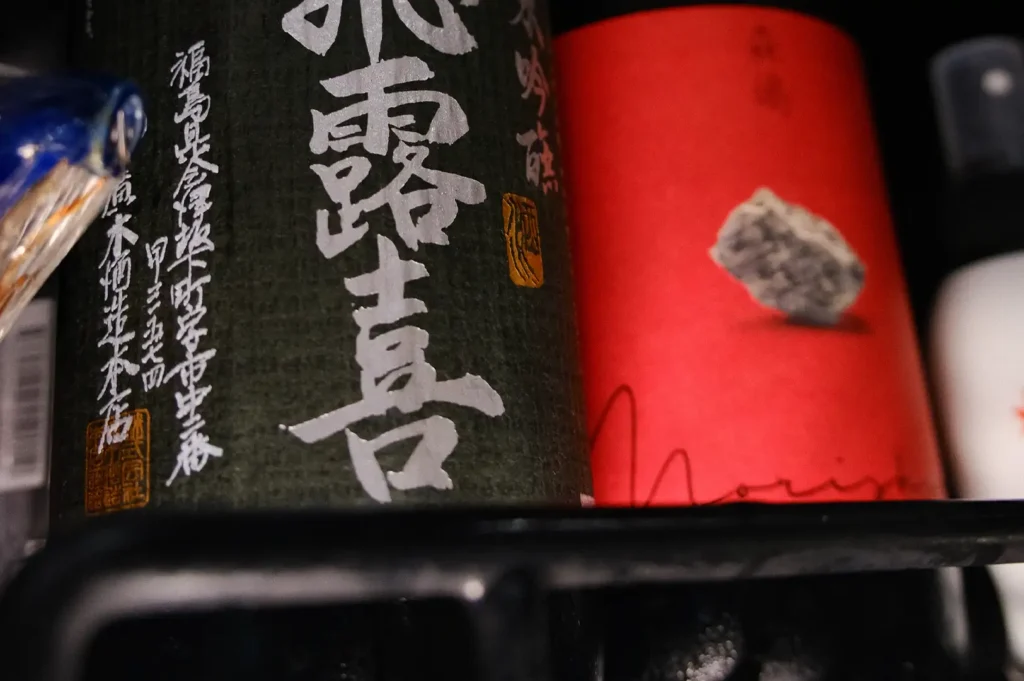
Understanding fat turns sake pairing from guesswork into a clear, repeatable approach.
The path from lean to fatty fish maps closely onto a path from umami-focused to acidity-focused sake. Temperature tends to rise along the way. No single sake serves every tier, and that is precisely the point. Each level of richness asks something different of the glass.
In a thoughtful omakase, this framework unfolds course by course. Lighter pieces open the evening. Richer ones arrive towards its peak. The sommelier adapts the sake to each fish as it comes, guided by principle but never bound by it.
At Sushi Masa by Ki-Setsu, this progression is shaped in real time, mirroring the rhythm of Chef Masa’s fish from first piece to last.
Eight seats at Cuppage Plaza. The fish arrives. The sake follows.
We invite you to taste how each one finds its partner.