For many, the first foray into Japanese omakase can feel as intimidating as it is exciting. The word itself means “I’ll leave it up to you,” implying a surrender of control that is rare in modern dining. But while you surrender menu choices and let go of ordering from a traditional omakase menu, you do not surrender your role in the experience. This distinction is key, especially for diners new to the omakase dining concept, looking to enjoy hot dishes, sea urchin, or perfectly grilled selections at an acclaimed Singapore outpost.
At Sushi Masa by Ki-Setsu, we know that understanding the “unspoken rules” of the counter doesn’t restrict your enjoyment—it liberates it. When you know the etiquette, the anxiety fades. This leaves only the pure pleasure of the meal and the chance to truly indulge in one of Singapore’s most memorable dining experiences.
This guide is your invitation to step confidently into the world of high-end Japanese omakase, whether you’re passionate about the finest ingredients, curious about the chef’s unwavering dedication, or excited for your first meal at our restaurant.
For those new to the concept, we’ve covered the fundamentals in our comprehensive guide to Omakase: The Ultimate Guide to Japan’s Premier Dining Experience in Singapore. Here, we go deeper, exploring the nuances of behavior that transform a meal into a memory.
Understanding Your Role in the Japanese Omakase Performance
It’s often said that Japanese omakase is akin to jazz—a dialogue between the musician and the audience, or in this case, the chef and the guest. Unlike other Japanese restaurants where you may browse elaborate omakase menus, here you are an involved participant. The energy you bring, the pace at which you eat, and the respect you show for the chef’s unwavering dedication to his craft all influence the flow of courses and the overall dining experience.
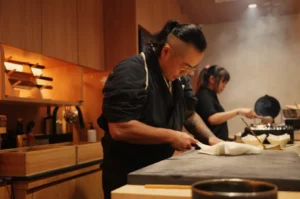
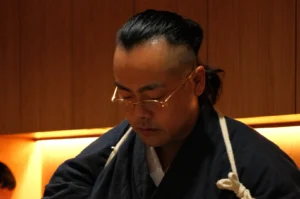
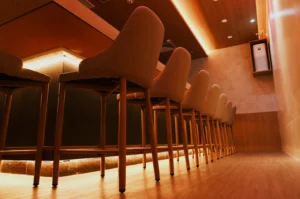
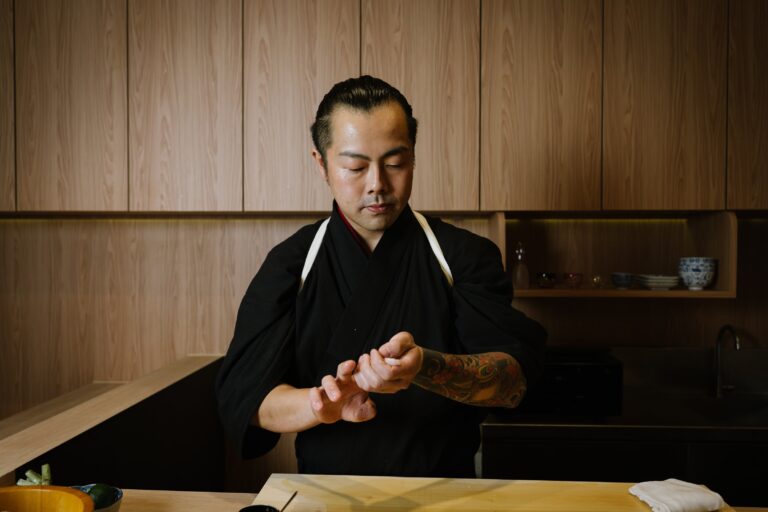
Chef Masa leads, certainly. But the engagement of guests—true lovers of cuisine, those visiting for a celebration, or even a curious first time diner—is the rhythm section. At Sushi Masa, our intimate counter concept eliminates the distance between the kitchen and dining room. You sit centre stage, mere inches from Chef Masa as he works his precise magic, presenting each dish to the person directly and with pride. Such proximity is a privilege and comes with a responsibility to honor the space, showcasing your respect for the tradition and philosophy behind Japanese dining.

Before You Sit Down: Pre-Arrival Etiquette at Omakase Restaurants
The etiquette of Japanese omakase extends far beyond the counter. It begins before you even reserve your seat, and carries into every moment you spend in the restaurant.
Opening Hours: Punctuality is Sacred
In the world of Edomae sushi and premium omakase restaurants, the orchestration of opening hours, fresh produce deliveries, and ingredient preparation leaves no room for delay. Every menu, every sushi rice grain, and every dish—whether a taste of air flown seafood or a delicate slice of sashimi—relies on precise timing. As a dinner-only restaurant, we only have one window to ensure every meal is memorable.
If you arrive late, you disrupt this carefully choreographed dinner service, which is why we urge guests to treat their reservation as sacred. Arrive five minutes early, soak in the light, and prepare your palate for the meal ahead.
Dress Code Considerations
Dining at a fine Japanese restaurant is not just about the food—it’s about the whole dining experience. Smart casual attire is a reflection of your respect for the chef, other guests, and the spirit of omakase itself. Scents matter as much as looks; a strong cologne or perfume can distract from the aroma of hot dishes, the subtlety of freshly grated wasabi, or the delicate fragrance of premium fish.
Understanding the Commitment
A true omakase dining experience is a marathon of flavor and craft, usually proceeding over 1.5 to 2.5 hours. When you dine at Sushi Masa, you’re not just having dinner; you’re participating in a trusted collaboration, where you let go of lunch cravings and instead indulge in a singular, world-class dinner. Trust in the chef’s vision and dedication—this is a menu without shortcuts or compromise, inspired by Japanese tradition and the freshest seasonal ingredients.
At the Counter: Seating and Initial Interactions
The counter, or tsukeba, isn’t just a place to sit; it’s the main stage of the omakase philosophy.
Counter vs. Table Seating
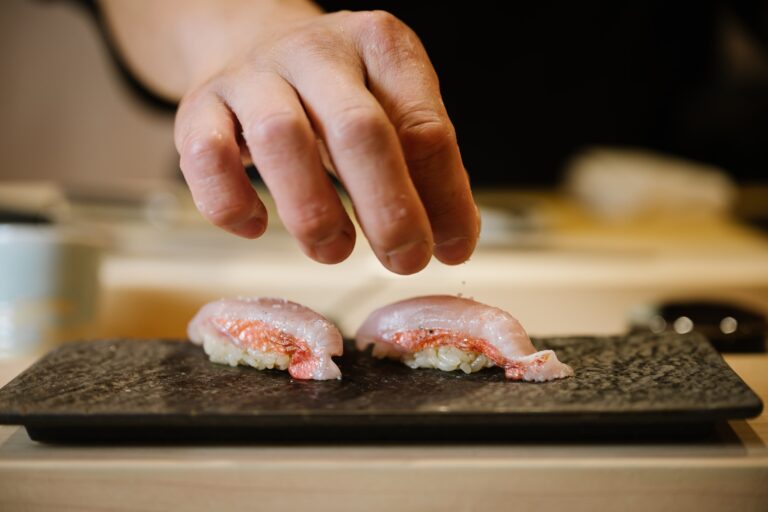
While some restaurants offer private tables, true omakase shines at the counter. Here, diners experience every movement, every step, and every deft motion as the chef prepares sushi, tempura, and other dishes. It’s your chance to watch as they work with sashimi, beef, and even delicate hot dishes, all crafted with the highest attention to detail and precision. If you have the opportunity, always reserve the counter for the most immersive experience, as it allows for the unique level of communication that defines traditional omakase.
First Contact with the Chef
A polite “Konbanwa” (good evening) or simple bow establishes a warm connection with the chef, who stands as the ambassador of Japanese omakase cuisine. If this is your first time or you are eager for the experience, mention it—you’ll find the chef welcoming and ready to guide you through your journey, responding to genuine curiosity about every dish from appetiser to dessert. As with all fine dining restaurants, always communicate allergies at the start, as the chef helms each seating personally and plans the progression of courses with care.
The Timing: When and How to Eat Each Piece
Timing is an essential part of mastering omakase etiquette—and of showing respect for both the meal and chef.
The Golden Rule: Eat Immediately
Each piece of sushi or sashimi, each plate of tempura, is served at the moment of its peak freshness. When the chef presents food directly to you, it’s meant to be enjoyed on the spot. Delaying, even for a photo or a sip of wine, can diminish the intended texture and temperature. This precision—from rice temperature to the perfect cut of fish—reflects the chef’s pride and dedication to their art.
Reading the Chef's Cues
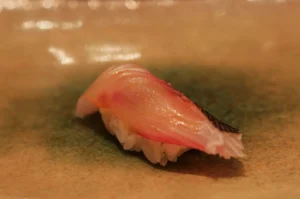
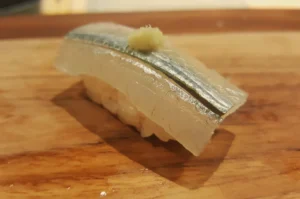
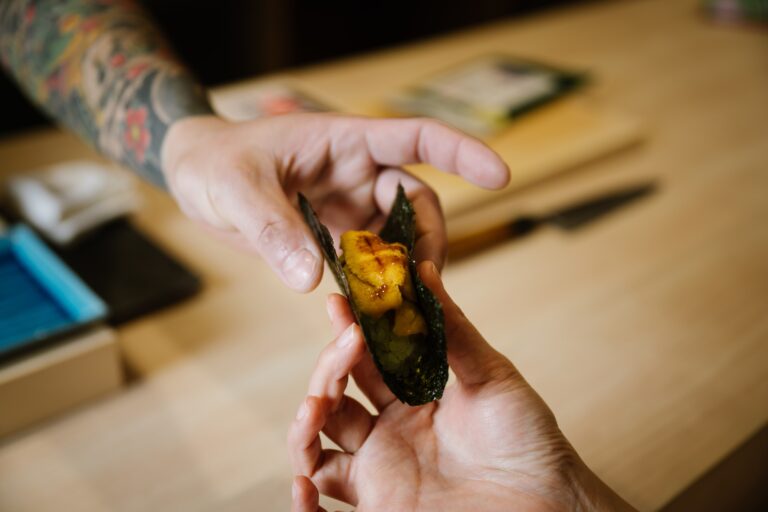
Every dish, whether a generous cut of suzuki or an elegantly presented uni (sea urchin), arrives with its own preparation and ideal method of enjoyment. Sometimes the chef will hand you a dish (like a hand roll) to eat immediately, while others invite you to savor with your hands or chopsticks.
Pacing Yourself
Relish the meal, but follow the rhythm set by the chef. Each omakase menu is thoughtfully constructed to bring you from light to rich, from delicate to bold. Allow the experience to unfold as intended— it’s not just a dinner, but a showcase of Japanese culinary philosophy and a memory designed to impress.
Hands vs. Chopsticks: The Eternal Question
Few topics inspire as much discussion at Japanese restaurants as whether to use your hands or chopsticks.
Traditional Edomae Etiquette
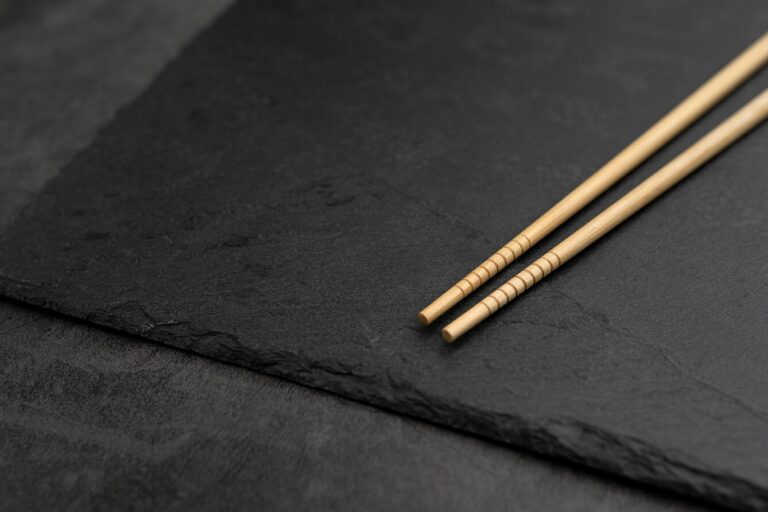
In Edomae-inspired omakase, eating sushi with your hands is not only accepted but encouraged. You connect with the dish on a tactile level and help preserve the careful composition of rice and fish. Chopsticks are reserved for sashimi, specific hot dishes, and courses where sauce or temperature might be a factor.
When in Doubt, Ask
The joy of omakase dining is the dialogue it inspires. If you’re ever uncertain—whether about the way to eat a hot dish or how much sake to pour—ask the chef. The restaurant’s philosophy is all about making diners feel comfortable and confident, whether it’s your first time or your fiftieth.
Soy Sauce, Wasabi, and Ginger: The Condiment Conundrum
Sauces and condiments are an area where the chef’s expertise particularly shines.
The Chef Has Already Seasoned Each Piece
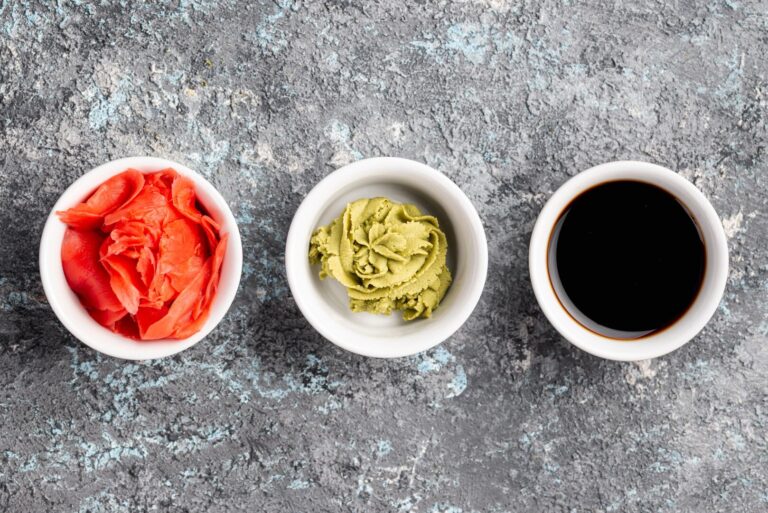
Each sushi course is seasoned by the chef with the required level of nikiri glaze, salt, or citrus—showcasing both the ingredient and the chef’s deep understanding of balance and flavor. Adding soy sauce, wasabi, or ginger is rarely necessary with fine omakase and can even be viewed as a breach of tradition.
When Soy Sauce is Appropriate
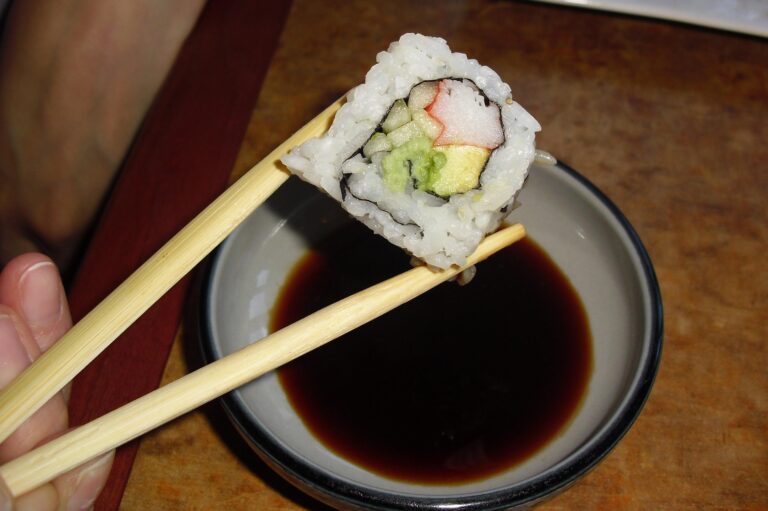
If soy sauce is served with a dish, use it sparingly, and only dip the fish side—not the rice. This maintains the integrity of the bite, so flavors remain optimum and the chef’s hard work is respected.
Wasabi Protocol
The chef has calibrated exactly how much wasabi is appropriate for each cut and type of fish, from lean maguro to fatty toro or the fresh brine of sea urchin. Extra wasabi, or mixing it into soy sauce, can alter the intended palate and undermine the chef’s precision.
The Role of Ginger
Gari (pickled ginger) is present as a palate cleanser, allowing you to enjoy multiple courses and unique flavors in succession. Enjoy it between courses, not atop nigiri or sashimi.
Communication with the Chef: What to Say and When
A key ingredient in every omakase meal is communication—subtle, sincere, and mindful.
Expressing Appreciation
A nod, a polite “oishii,” or a simple “thank you” goes a long way. At Sushi Masa, praise is never expected, but often appreciated—especially when it’s clear that guests recognize the pride and hard work behind each dish and every menu decision.
Asking Questions
Curiosity is encouraged. Ask about the source of the fish, the inspiration for a hot dish, or the philosophy behind Edomae tradition.Many premium omakase establishments source their seafood selections, from seasonal suzuki to rich beef or eggs for omelette dishes, are sourced with exacting standards, sometimes air flown from Japan and always curated with detail and care.
What Not to Say
Avoid references to other omakase restaurants or requests for changes to the carefully composed menu. Omakase, especially with a chef helmed concept like ours, is about trusting in the vision, artistry, and tradition on display.
Photography: To Snap or Not to Snap?
We live in an era of food photography and online review culture, but omakase etiquette offers its own best practice.
Reading the Room
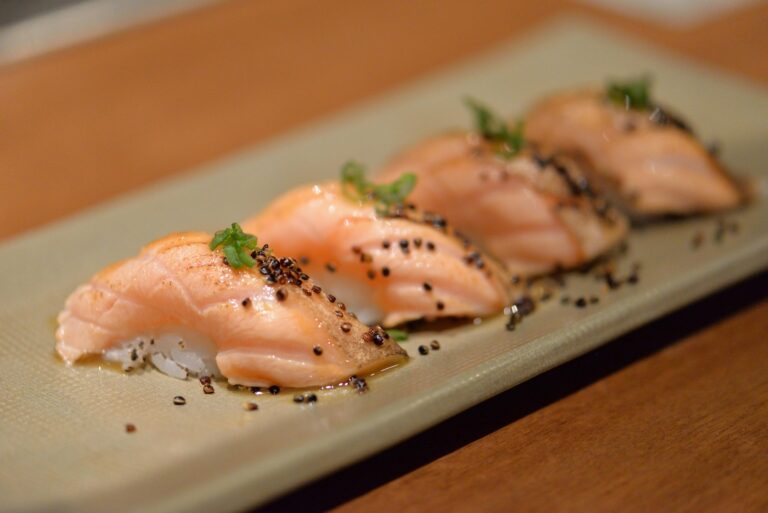
It’s generally acceptable to take a quick photo of a visually impressive course, but always prioritize the chef’s timing and the light play across each carefully prepared ingredient. In the context of memorable omakase menus, the taste should outweigh the desire for the perfect Instagram shot.
Respecting Other Guests
Be mindful of space and privacy for both the chef and fellow diners. Discreet, silent, and quick is always appreciated so as not to disrupt the unique dining atmosphere or experience.
Advanced Etiquette: Navigating Challenging Moments
Even with the best intentions, unexpected situations can arise during a multicourse omakase meal.
If You Don't Like Something
Every person has a different palate, but omakase encourages openness to new dishes—be it sea urchin, a creative appetiser, or a special hot dish. If something does not suit, quietly set it aside. The chef’s unwavering dedication is to create an experience with the world’s most memorable ingredients, but every diner has personal limits.
If You're Full Before the Meal Ends
Let the chef know if you’re struggling with portion size before the next course. The goal of the service is to impress with both abundance and grace; adjusting rice portions or skipping a non-essential dish is perfectly acceptable and helps avoid waste.
Beverage Pairing Etiquette
The pairing of sake, wine, or even water is carefully considered to support the flavors across the menu. Opt for the chef or sommelier’s recommendation—be it for beef, seafood, or lighter dishes—so that your dining experience remains harmonious.
The Closing: Ending Your Japanese Omakase Experience Gracefully
As your dessert signals the finale and the meal draws to a close, etiquette remains important.
Expressing Gratitude
A soft “Gochisousama deshita” or a simple thank you, coupled with respectful body language, reflects the essence of omakase dining. The chef values each reservation and the trust you place in their skills and philosophy.
Tipping Customs
Understand the restaurant’s service charge policy in Singapore. True appreciation for the chef and team is shown through your respectful participation, enjoyment, and gratitude at the end of the meal.
Fine Dining Restaurants or Omakase Japanese Restaurants?
Embracing Japanese omakase etiquette is not about rigidity—it’s about presence, trust, and indulging in the intersection of art and tradition. Whether dining for the first time, looking for a special meal in Cuppage Plaza or Tanjong Pagar, or celebrating the world’s inspiring cuisine, the true spirit of omakase welcomes all who approach with respect and curiosity.
We invite you to put these traditions into practice at Sushi Masa by Ki-Setsu. Here, at the centre stage of our counter, Chef Masa’s singular dedication to every detail ensures that your dinner is not just a meal, but a lifelong memory. Step into the world of unforgettable courses, precise flavors, and passionate hospitality. Book your reservation and discover the culinary pride of Japan—no distance required.
Ready to experience the art of trust?