The allure of omakase for lunch under $150 is undeniable. For many in Singapore, spotting a lunch omakase menu at a fraction of the typical dinner omakase price feels like discovering a hidden treat. Omakase restaurants often use these offerings to entice new diners and introduce Japanese cuisine traditions to a larger audience. The price tag is tempting—who wouldn’t be pleasantly surprised by a well-priced meal in an omakase restaurant known for fresh ingredients, delicate sushi courses, and attention to detail? Yet, we believe this “deal” warrants a deeper look: what are you truly trading away for that bargain?
At Sushi Masa by Ki-Setsu, our philosophy centers around the singular quality of dinner-only omakase service, with every course personally helmed by our head chef. We understand the passion diners have for Japanese food, and our commitment is to a standard that celebrates not just quality, but the entire dining experience.
This review isn’t meant to discredit a lunch omakase menu or budget-friendly options. Instead, we aim to reveal what makes a meal truly memorable, impressing Singapore’s most discerning guests, and to help you recognize where hidden compromises in taste, produce, and chef dedication often lie.
Understanding the Lunch Omakase Restaurant Price Point
A quick scan of Singapore’s dining scene shows lunch omakase menus ranging from $80–$150 per person, sometimes inclusive of appetisers, miso soup, and dessert. These menus are often found in omakase restaurants across Tanjong Pagar, Cuppage Plaza, and Orchard. They appeal to busy professionals and curious diners looking for a taste of premium nigiri or sashimi omakase during the day. The concept appears to offer a good balance: a selection of sushi courses, a cup of green tea, and a dessert—all at a price point that’s far more approachable than dinner omakase.
Yet, the operational costs for any omakase restaurant—high-quality seafood, premium sake and wine, service staff, and rent—remain substantial whether it’s lunch or dinner. For lunch omakase to be priced significantly lower, something must give. These cost-saving measures may not be evident to guests, but they weave through every part of the dining journey, from the omakase menu to the very fish and meat served in each dish.
The Ingredient Quality Compromise
If omakase is an art, then its finest brushstroke is found in the ingredients. The heart of any sushi omakase lies in the daily selection of fresh seasonal produce flown in from the famed Toyosu Market in Japan.
Market Timing and Freshness
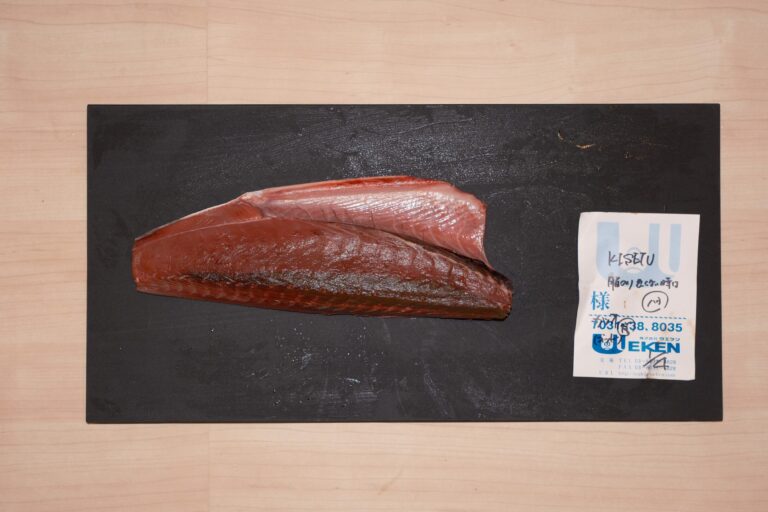
Top omakase restaurants with a Singapore outpost, like ours, pride themselves on serving seafood sourced at dawn and flown in for same-day dinner service. At Sushi Masa, fresh fish, beef, and shellfish arrive at their peak, destined for diners expecting the absolute highest quality. Lunch omakase often makes use of fish that was purchased at yesterday’s market, as the day’s new arrivals are usually reserved for dinner omakase. While still delicious, these ingredients may lack the remarkable freshness and texture found in the evening’s omakase courses.
Freshest Seasonal Ingredients
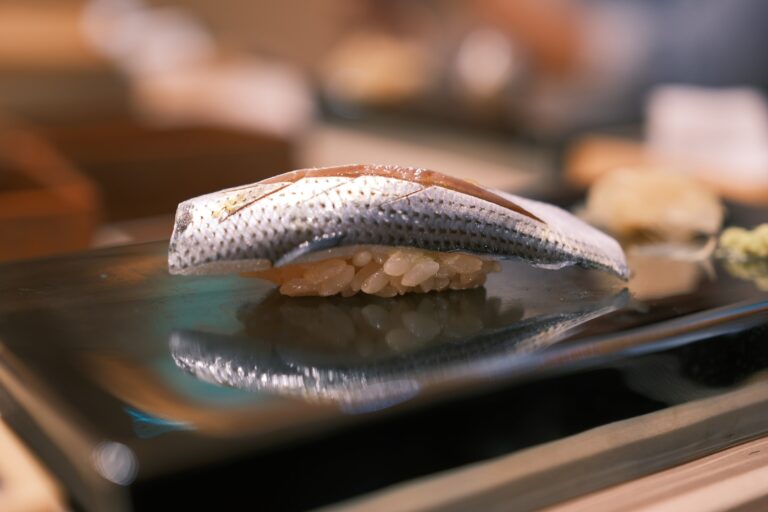
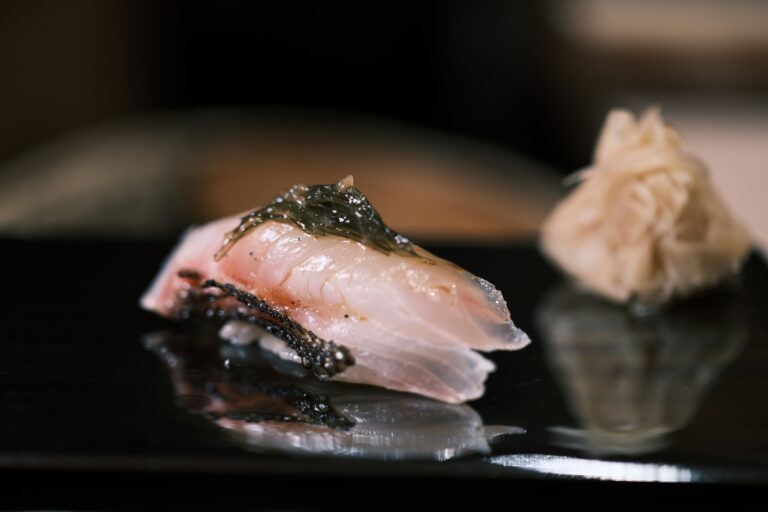
A standout omakase menu celebrates Japan’s seasons, featuring delicacies like creamy sea urchin (uni), luscious scallop, richly marbled beef, or rare fish like ganko sushi and suzuki. These ingredients command a premium, especially at the height of their season. To manage costs, a lunch omakase menu tends to feature more common fare and rarer items are reserved for dinner service. Top-grade uni or toro, for example, are less likely to appear at midday—meals will instead emphasize good-value options, often skipping the hot dishes or unique appetisers that elevate each course and surprise even seasoned diners.
The Edomae Standard
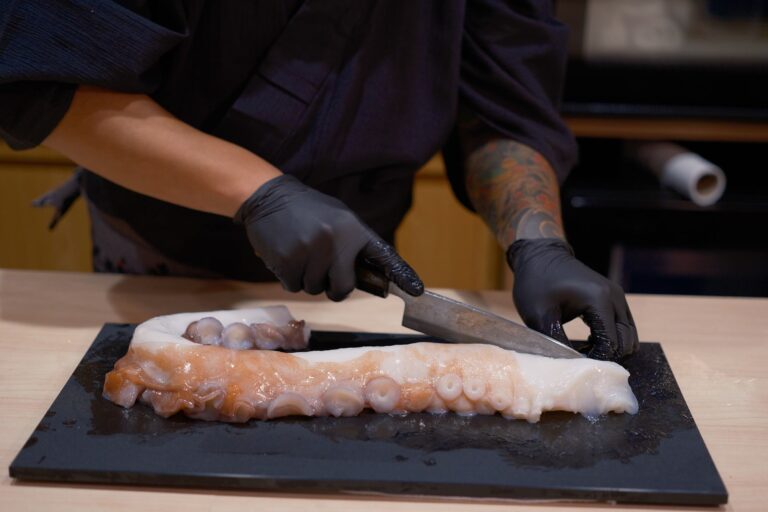
Authentic Edomae nigiri sushi is not just sliced and served—it is massaged, aged, or marinated to develop complex flavors. Preparing a memorable sushi omakase meal using these Edomae techniques demands time and patience. A quick-turnaround lunch set may lack the luxury of prolonged fish curing or delicate seasoning, resulting in dishes that taste pleasant but miss the depth, subtlety, and balance that only careful Edomae preparation brings.
Chef Focus and Attention: The Intangible Cost
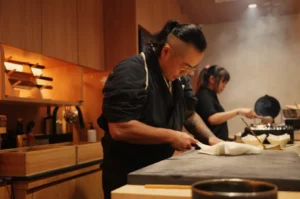
Ask anyone who has dined at a truly intimate sushi omakase counter and they’ll recall not just the food, but the interaction with the chef. The chef observes, tailors, and explains every dish—each nigiri, each sashimi slice, each hot course. Their passion shapes the meal.
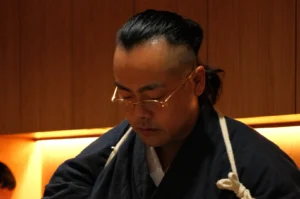
Lunch omakase services, especially in restaurants with high turnover or limited opening hours, are often managed with rapid seatings and larger crowds. The chef may have less time to discuss produce origins, or explain why a dessert or appetiser was included in today’s omakase menu. At Sushi Masa, Chef Masa’s unwavering dedication to each person allows us to create a meal that feels personal and warm—a real connection between chef and guest that is simply not possible in a rushed lunch setting.
Sourcing and Supply Chain Realities
High-quality omakase depends on privileged access to the best fish and produce. At our omakase restaurant, direct partnerships with Toyosu Market suppliers ensure we receive what is freshest and most exclusive for dinner omakase. This isn’t always viable for lunch service, particularly for restaurants focused on lunch sets or cost-effective menus. When the market sends its second wave or lower-grade cuts, those often find their way to the lunch menu while the very best is reserved for a full review of the dinner experience.
Freshness, delicacy, and complexity in taste are the legacy of a close relationship between chef and market, between ingredient and guest. A lunch omakase menu—especially one priced for accessibility—may simply not have the same depth of produce selection or fair share of top-shelf seafood.
The Exclusivity Factor: Why Dinner-Only Matters
By operating as a dinner-only concept, Sushi Masa stands firmly behind the belief that excellence emerges from singular focus. A menu built for the evening—planned, sourced, and executed by the head chef—enables each course to shine. We skip shortcuts, opt for the cream of the seasonal crop, and build a flow of omakase courses that highlight the Japanese philosophy of harmony and detail.
At many omakase restaurants in Singapore, exclusivity is what sets the dinner omakase apart. There is no rush to turn tables at midday, no need to compromise quality or guest experience for volume. Each guest is welcomed as a valued person, with reservations strictly limited to maintain intimacy and allow our team the time to showcase fresh ingredients.
When Lunch Omakase Makes Sense (And When It Doesn't)
For First-Time Diners
There’s merit in a more accessible lunch omakase for those new to Japanese cuisine. If you’re curious about the tradition, want to taste your way through a series of sushi courses, and have limited time, a lunch set can provide a gentle introduction. You’ll experience nigiri sushi, perhaps some miso soup, and a thoughtfully priced menu in a warm dining setting.
For Budget-Conscious Enthusiasts
We understand that lunch omakase menus offer many guests a chance to indulge in the sushi omakase experience at a fraction of the cost. In Singapore, where dining out is a celebration, lunch sets and omakase menus ranging from $80 to $150 appeal to those seeking a treat without the splurge of a dinner omakase filled with premium seafood and meat.
When to Invest in Dinner
If you want to be truly impressed—if you’re celebrating, seeking an intimate encounter with a chef revered for his precision and unobtrusive service, or eager to sample the freshest seasonal ingredients flown from Japan’s Toyosu Market—dinner omakase is in a class of its own. These meals span more omakase courses, feature rare produce, and offer time for the chef to present each dish with care, making for a memorable, rewarding dining experience.
Beyond Price: What You're Really Paying For
A $150 lunch omakase menu and an exclusive dinner omakase are different in more than just course count. Dinner service embodies the full passion of the chef, the highest freshness possible, and the harmony of dishes curated for a limited number of diners. You’re not simply paying for more sashimi or an extra dessert—you’re investing in precision, attention, and the connection to Japanese culinary tradition itself.
For more on the craft behind Singapore’s omakase scene, read our comprehensive guide: Omakase: The Ultimate Guide to Japan’s Premier Dining Experience in Singapore.
The Uncompromising Omakase Experience
Lunch omakase can indeed be a pleasant, reasonably priced meal—a gentle entry into the world of omakase restaurants, introducing you to the basics of Japanese cuisine. However, the hidden trade-offs are real: from the quality of the seafood and seasonal produce, to the depth of chef interaction and the exclusivity of the meal itself.
At Sushi Masa by Ki-Setsu, we have unwavering dedication to quality and intimacy. We believe true omakase—crafted by a head chef using only the freshest seasonal ingredients and served through a limited, reservation-only dinner service—offers a good balance of value and memorable experience for each and every guest. Dining with us is about more than food. It’s about service, passion, and honouring Japanese tradition in every dish. Reserve your seat, and let us show you what a genuinely uncompromising omakase feels and tastes like.