The turn of the year is a powerful moment across cultures, marked by reflection, hope, and often, a celebratory feast. In both Japan and Singapore, food lies at the heart of New Year festivities, serving not just to nourish the body, but to express wishes for prosperity, health, and happiness. While the specific dishes may differ, the spirit of gathering and sharing a meaningful meal is a beautiful, universal tradition.
As specialists in Japanese cuisine, we are deeply inspired by the role food plays in cultural celebrations. This appreciation extends to the vibrant traditions we see here in Singapore, particularly during Chinese New Year. Exploring these customs, from Japan’s elegant Osechi Ryori to Singapore’s abundant Pen Cai, reveals a shared reverence for ingredients, symbolism, and the art of the feast. It’s a fascinating intersection of culinary heritage that enriches our own philosophy of mindful dining.
Osechi Ryori: A Japanese New Year's Treasure Box
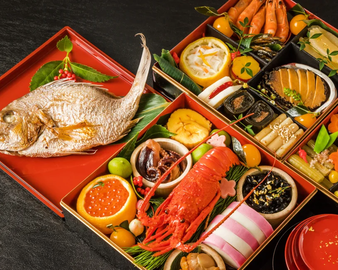
In Japan, the New Year, or Oshogatsu, is the most important holiday of the year. Central to this celebration is Osechi Ryori, a stunning collection of traditional foods beautifully arranged in multi-tiered lacquer boxes called jubako. Each dish within the box is carefully chosen for its symbolic meaning, representing a specific wish for the coming year.
The tradition originated in an era when it was considered taboo to cook during the first few days of the New Year. Osechi was prepared in advance so families could rest and enjoy the holiday without spending time in the kitchen.
The Symbolism in Every Bite
Every component of Osechi Ryori is a culinary poem. Here are a few examples:
- Kuromame (Black Soybeans): Symbolizes the wish for good health and the ability to work hard in the new year.
- Kazunoko (Herring Roe): A cluster of tiny eggs that represents fertility and a prosperous family.
- Datemaki (Sweet Rolled Omelet): Its scroll-like shape is associated with scholarship and learning.
- Ebi (Prawns): With their bent backs, prawns symbolize a long life, until one’s own back is bent with age.
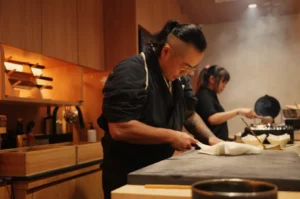
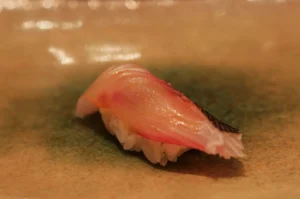
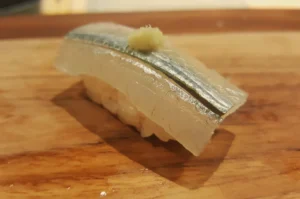
This deep respect for seasonality and symbolism is a cornerstone of Japanese culinary philosophy. It’s a principle we honor every evening at Sushi Masa, where our singular chef, Chef Masa, curates an omakase experience based on the finest seasonal ingredients sourced directly from Toyosu Market.
The Communal Feasts of Singapore: Pen Cai, Yu Sheng, and Beyond
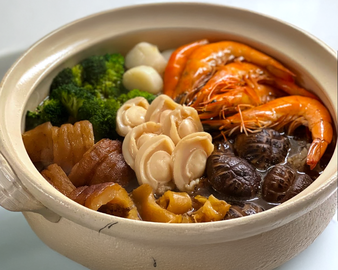
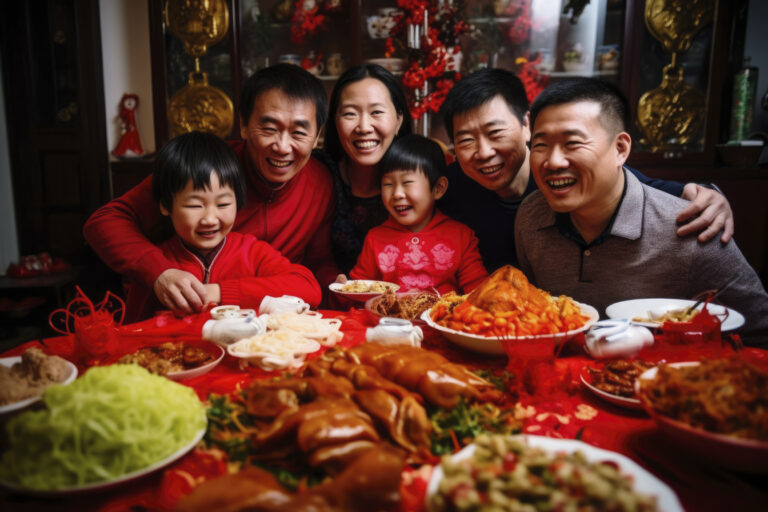
In Singapore, Chinese New Year celebrations are filled with joy, meaningful gatherings, and magnificent feasts that bring together family, friends, and larger groups around the table. One standout dish that always impresses at a reunion dinner is Pen Cai—a prosperity-packed “basin dish” layered with premium ingredients such as abalone, sea cucumber, fish maw, Hokkaido scallops, rock lobster, bamboo pith, Chinese sausage, and spring onion. Each ingredient is thoughtfully selected for its symbolic value, offering wishes for abundance, wealth, and good fortune in the new year.
Pen cai delivery and takeaway options make hosting gatherings of any size more convenient and stress-free, allowing you to focus on enjoying the celebration with your guests.
As families pre order festive menus and plan their gatherings, the convenience of pen cai delivery, islandwide delivery, and self pickup options allows for a fuss free, stress-free, and indulgent experience whether you choose takeaway, self collection, or dine in at your favourite restaurant. Platters are packed with rich flavours and can cater to both traditional and vegetarian preferences, ensuring every guest—adults, kids, and friends alike—gets to enjoy this essential part of the feast.
Pen cai and other festive dishes are available at multiple outlets across Singapore, making it easy and accessible to pick up your order from a location that suits you best.
The Feast of Fortune: Abalone, Pen Cai, and Prosperity Toss Essentials
While many Chinese new year dishes feature abalone, lobster, chicken, mushroom, pig, and even snake for the brave, others highlight prosperity abalone yu sheng and sweet, colourful yu sheng platters, perfect for tossing to ring in a prosperous year ahead.
For those who want to treat their fam to unforgettable memories, a well-prepared Pen Cai or prosperity dish is always a delight. Platters are served in reheatable containers or beautifully plated, making it easy to serve and impress your guests during the festivities.
- Don’t forget to check for special details, “early bird” price or year takeaway deals, as many outlets offer limited courses and popular menus often require advance purchase or pre booking, especially as Jan arrives.
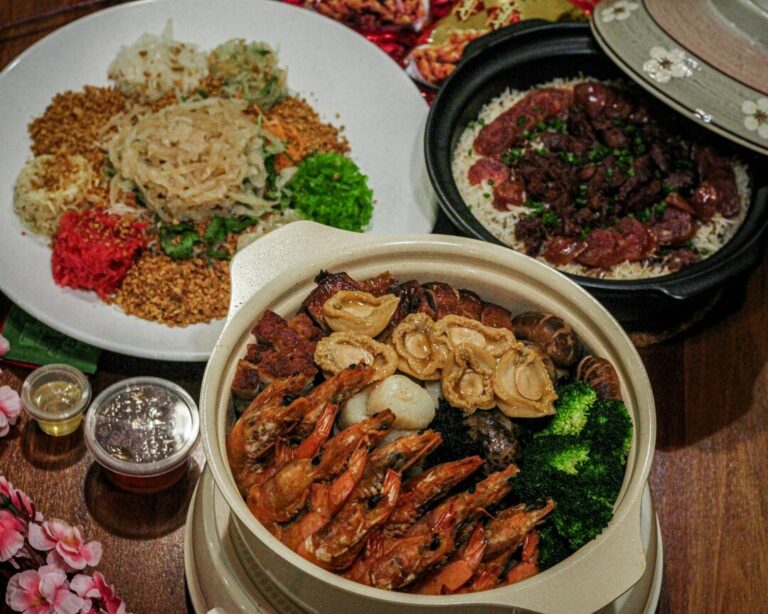
Much like Osechi, the ingredients in Pen Cai are laden with auspicious meanings. Abalone signifies definite good fortune, while prawns represent happiness and laughter. The dish is a communal experience, meant to be shared among family and friends as a symbol of unity and abundance.
Another celebrated highlight for Chinese New Year celebrations and reunion dinners is the luxurious soup known as Buddha Jump Over the Wall. Revered for its abundance of premium ingredients—such as sea cucumber, Hokkaido scallops, fish maw, bamboo pith, chicken, rock lobster, pig trotter, and mushrooms—this rich feast delights both adults and kids at the table. Lovingly packed and simmered for hours to perfection, every course is designed to impress, offering a harmonious blend of prosperity and indulgence. Many families pre order this dish for gatherings, with options for pen cai delivery and islandwide delivery, as well as self pickup or self collection at select outlets for a truly fuss free and stress-free experience.
In Singapore, the demand for Buddha Jump Over the Wall, prosperity abalone yu sheng platters, and other vegetarian or traditional dishes is so great that menus and takeaway offerings often have limited availability, requiring advance planning and early purchase, especially as Jan arrives. Don’t forget to note the details, enjoy the sweet broth, and raise a bottle with friends and family as you indulge in a prosperous new year surrounded by abundance and love.
The Shared Spirit of Chinese New Year Celebrations
Though the flavors and ingredients are distinct, a common thread connects Japanese Osechi and Singaporean New Year feasts. Both are born from a desire to usher in the new year with abundance and good fortune. They are a testament to the idea that food is more than sustenance—it is a language of love, hope, and community.
This philosophy of mindful preparation and meaningful consumption resonates deeply with our approach at Sushi Masa. Our omakase model is built on this very principle. There is no fixed menu; instead, our guests entrust Chef Masa to present a narrative of the season through a sequence of carefully prepared dishes. This singular focus, dedicated entirely to our dinner guests, allows us to transform a meal into a unique and personal celebration every evening.
Cultural Exchange: A Two-Way Street
The culinary relationship between Japan and Singapore is a dynamic one. Japanese cuisine has been warmly embraced in Singapore, with diners showing a sophisticated appreciation for everything from authentic sushi to regional specialties. In turn, living and working in this vibrant city gives us a unique perspective, enriching our understanding of different culinary traditions.
We see a shared dedication to ingredient quality, a passion for presentation, and a profound respect for the hands that prepare the food. Whether it is a chef meticulously assembling an Osechi box or a family gathering around a steaming pot of Pen Cai, the underlying spirit is one of gratitude and shared joy.
A Toast to New Beginnings
The traditions of New Year’s feasts in Japan and Singapore offer a beautiful glimpse into what makes culinary culture so powerful. They are a celebration of history, a showcase of seasonal bounty, and a heartfelt expression of wishes for a bright future. These meals remind us to slow down, to savor the moment, and to appreciate the connections we share with one another.
At Sushi Masa by Ki-Setsu, we are inspired by this spirit every day. We invite you to experience our interpretation of Japanese culinary tradition, where every dinner is a unique celebration crafted with passion and precision. We wish everyone a season filled with joyous feasts and prosperous new beginnings.