Omakase means “I leave it to you.” Those three words describe a relationship of trust between guest and chef. Yet diners today arrive with real needs: allergies, preferences, smaller appetites, special occasions. So a fair question follows. If we begin adjusting a set menu, does the experience still deserve the name?
At Sushi Masa by Ki-Setsu, we think the answer is yes, with care and honesty about what can and cannot change. Here is how we think about it.
Adjusting a Set Menu Without Losing the Spirit of Omakase
A set menu is not a rigid script. A well-made set menu offers a clear path through the evening, designed by one person who has tasted the fish, judged the rice and considered how each course leads into the next. When a guest asks for a small change, the goal is not to protect the menu for its own sake. The goal is to protect the logic behind it.
Think of a musical composition. Removing one note does not necessarily ruin a piece, but rewriting the middle section changes its character. Swapping a single ingredient because of an allergy is very different from asking the kitchen to rebuild the meal around entirely different dishes.
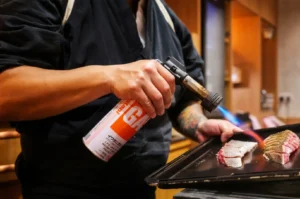
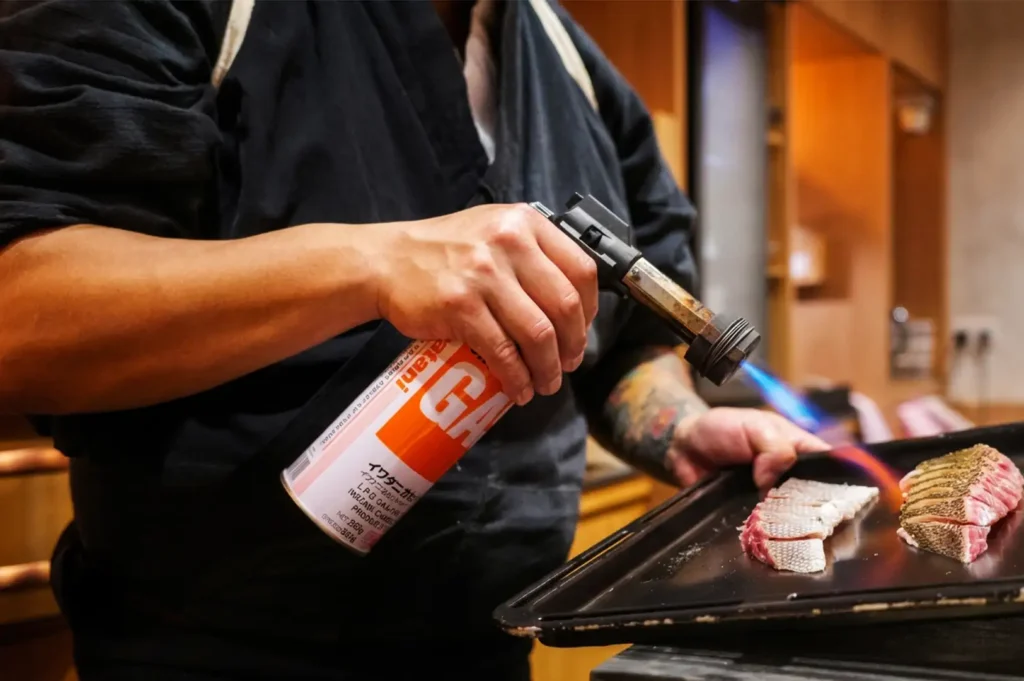
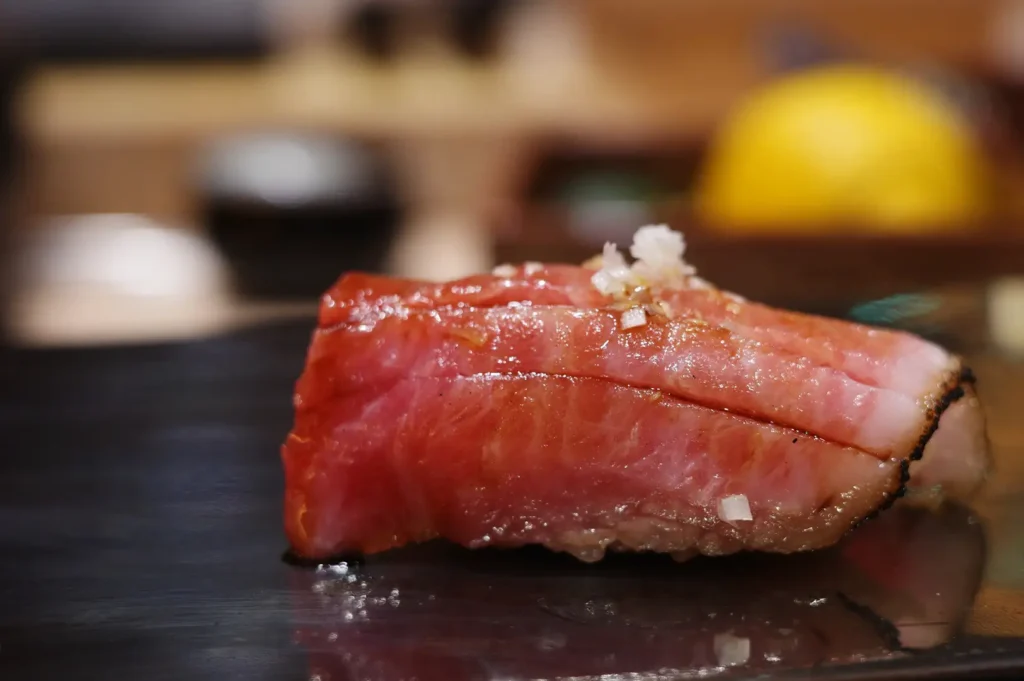
At Sushi Masa by Ki-Setsu, Chef Masa plans each omakase in the Edomae tradition, where technique, ageing, curing and seasoning bring out the best in seafood. Because that philosophy shapes every course, we can usually adjust a detail or two while keeping the whole intact. The earlier we know, the better the result, and guest and chef work best as a team.
What Counts as a Reasonable Adjustment
Small, well-communicated changes work best. Removing one type of seafood, offering an alternative for a single piece, or adjusting rice portions are all manageable. Asking for a completely different structure usually is not, because the meal stops being a considered progression and becomes a list of separate requests. Leave any comments or concerns with your reservation so we can plan around them.
How Many Courses Make a Memorable Meal?
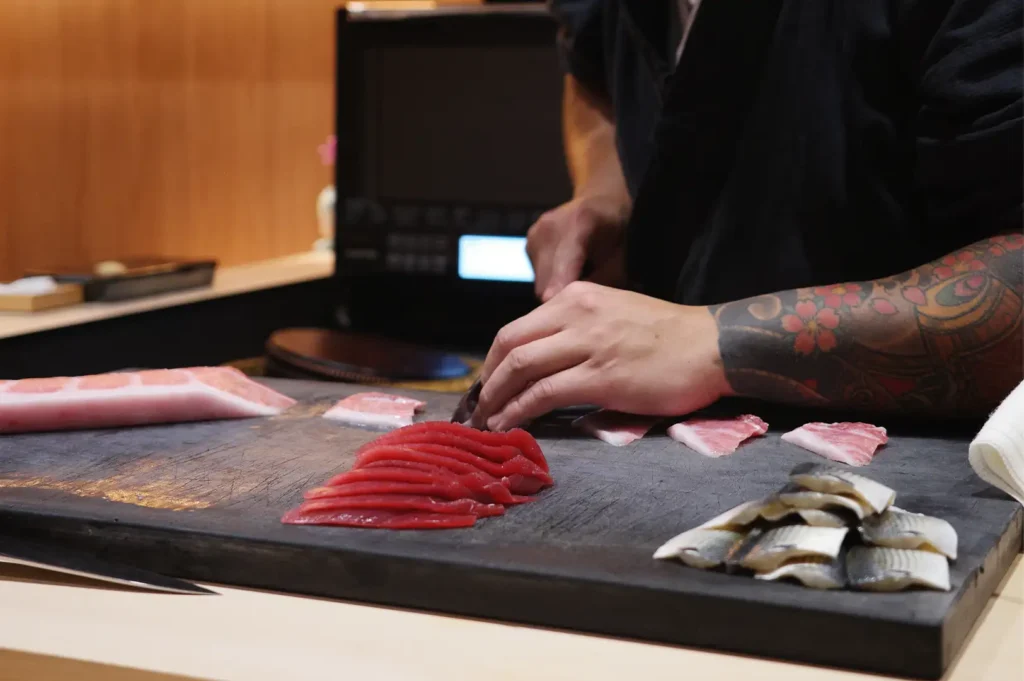
Guests often ask how many courses to expect, and it is a sensible question. The honest answer is that the number matters less than the pacing. A memorable meal is defined by rhythm: something light to open, a build in richness, a peak, and a calm finish.
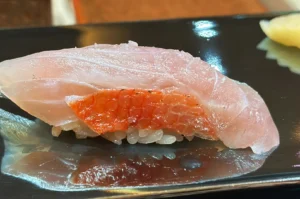
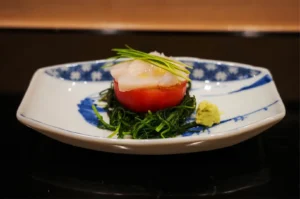
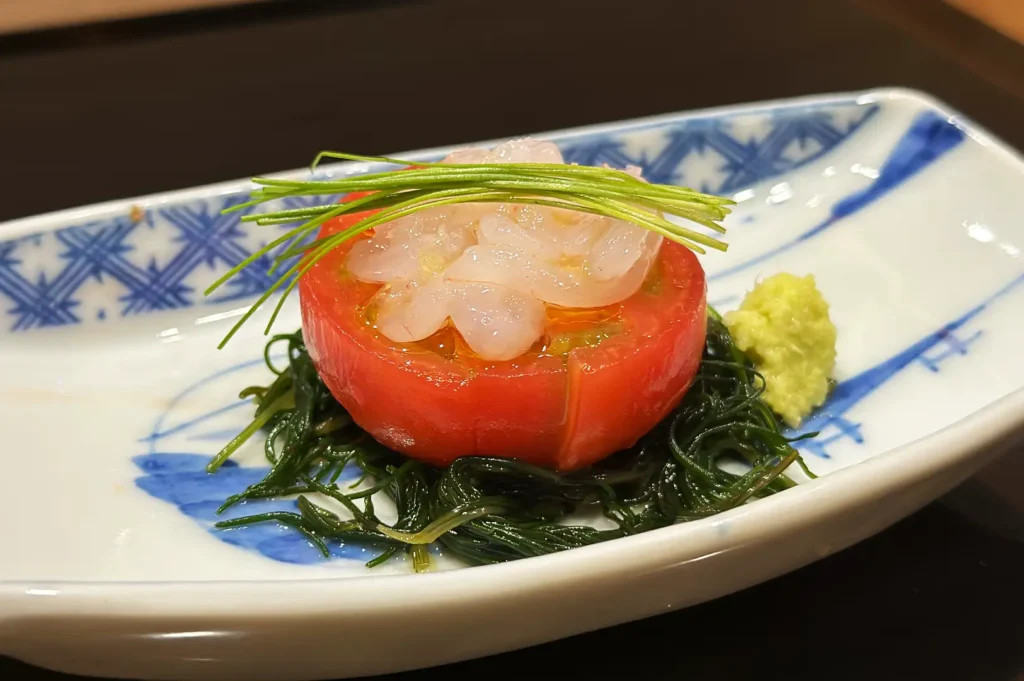
In a traditional Edomae omakase, the meal begins gently with a light dashi, moves through small preparations, and settles into nigiri, which the chef shapes and serves directly to you. Dessert closes the evening softly. There is no bread to fill you up and no heavy opener. Each stage prepares your palate for the next, with enough space between courses to savour it.
This is why we are cautious about stretching a course count to look generous. More dishes are not necessarily better. Smaller portion sizes, thoughtful sequencing and ingredients at their peak do far more than sheer quantity.
It also helps to compare experiences by substance rather than plate count. Omakase is a fixed price experience by nature, so the price reflects the quality of the ingredients, the years spent to master the craft and the kitchen time behind each piece. Guests who plan a budget can pay with confidence, knowing the cost covers the whole evening and not a series of extras. At Sushi Masa by Ki-Setsu, we would rather you leave comfortable and curious than overwhelmed.
Why Fine Dining Sushi Is Built Around One Sequence
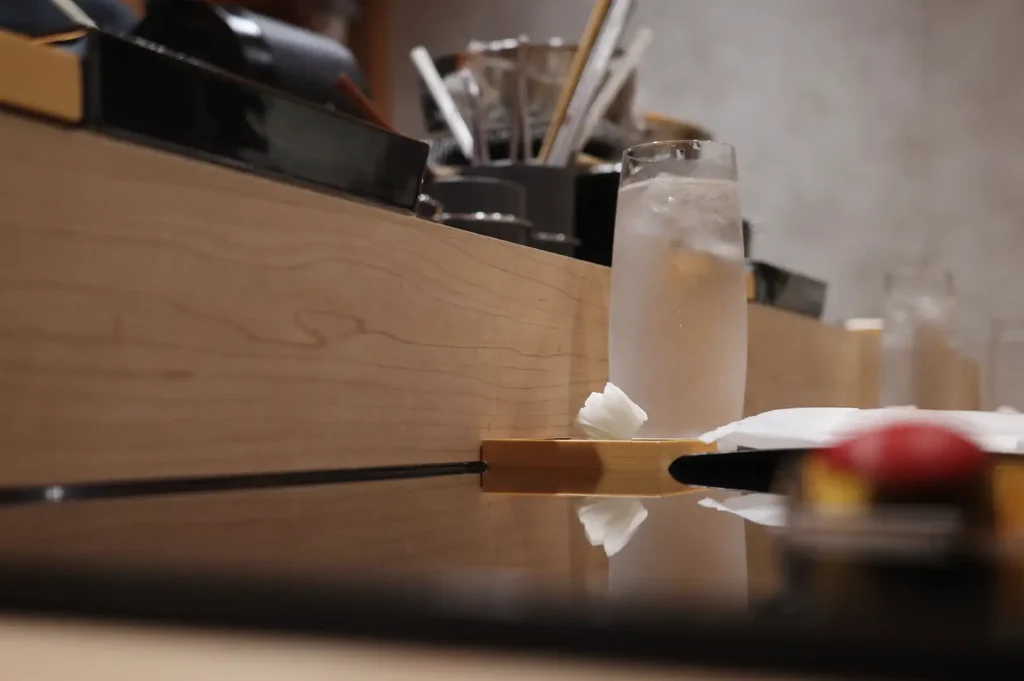
Fine dining, especially in Japanese cuisine, relies on the idea that the kitchen sees the whole picture while the guest sees only the next plate. That asymmetry is a gift. It lets the chef surprise you, and it lets you eat without having to decide anything.
Many Michelin starred restaurants around the world follow a similar principle: a single, carefully controlled progression rather than an open list of choices. The format reduces decision fatigue and puts the focus on quality and consistency. When service is calm and each plate arrives at the right moment, the dining room itself seems to slow down.
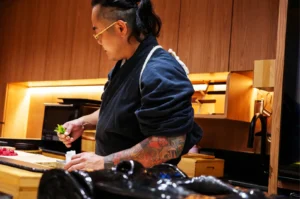
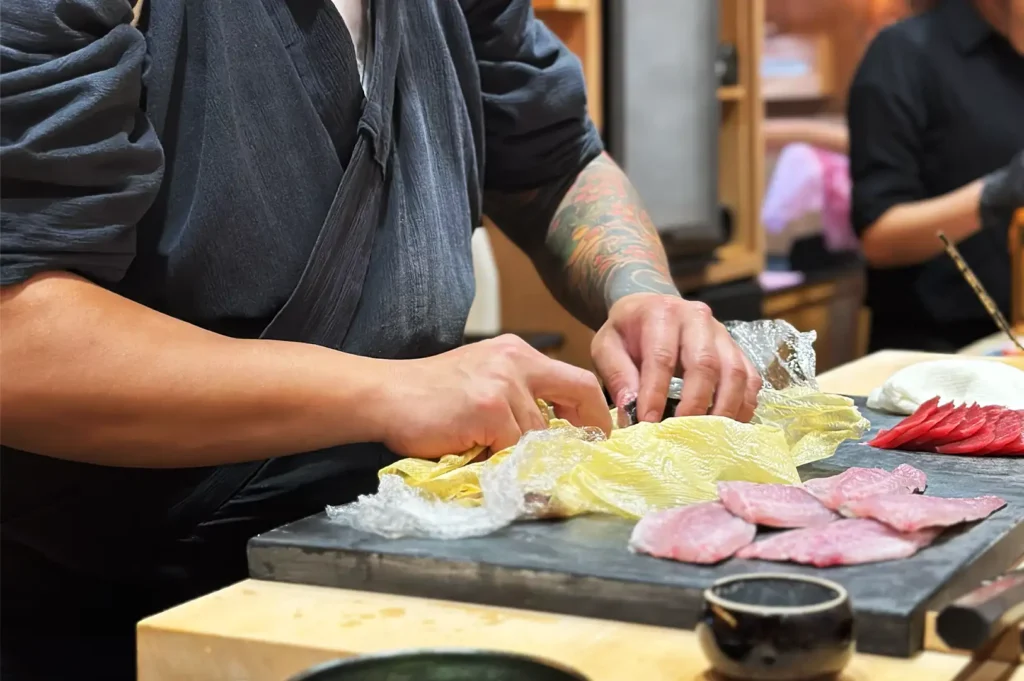
Our own model is omakase and only omakase. Chef Masa works at the counter, preparing and serving each course himself. That single point of contact is deliberate. It means the person who selected your fish is the same person watching how you respond to the first course, and adjusting the pace to create the right rhythm.
Sourcing Sets the Foundation
Much of what makes a set menu feel intentional begins before service. We source our seafood from Toyosu, the market that supplies many of Japan’s finest kitchens, and we plan the evening around what arrives at its best. Fish quality is the defining feature of the whole meal. A menu built on ingredient quality can flex in small ways because the standard is high. A menu built on filler cannot.
Where à la Carte Thinking Falls Short in Omakase
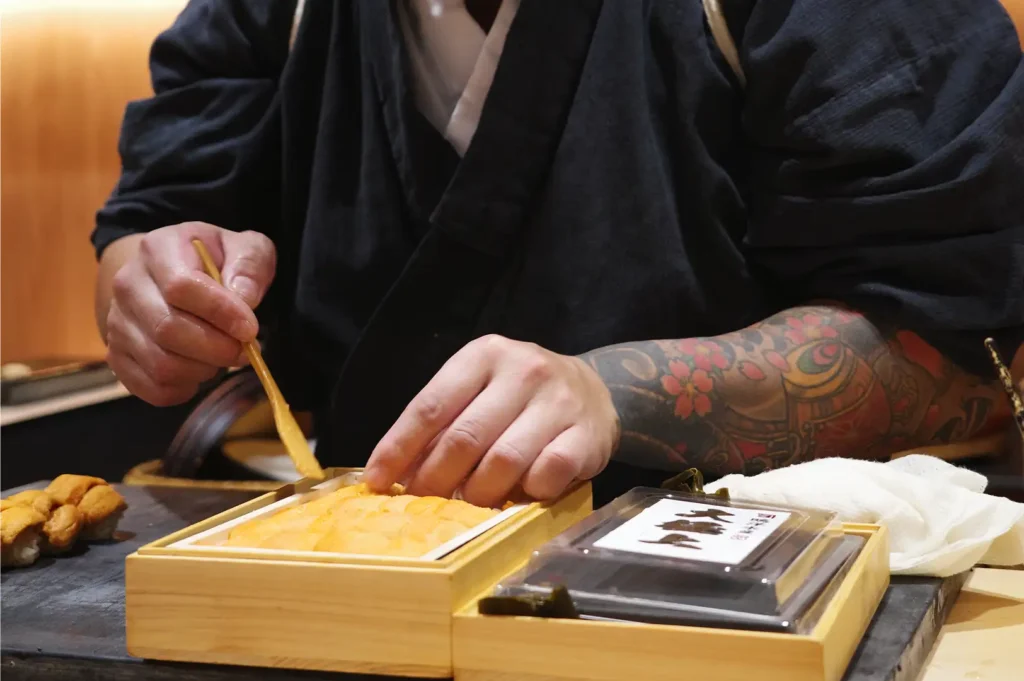
Many establishments offer an à la carte menu, where diners choose individual dishes one by one. That format has its place, and it gives guests more control over what lands on the table. It suits those who know exactly what they want.
Omakase asks for something different. When you choose each item yourself, you also take on the work of balancing flavours, temperatures and textures. In omakase, that balancing is the chef’s craft. Handing it over is the whole point. Menu descriptions can only tell part of the story, and the best moments at the counter are often the ones no description could predict.
Elsewhere, traditions like the Spanish menú del día show how a limited set menu with a few options can still feel generous and coherent. Omakase follows a similar logic, only with one sequence led entirely by the chef. If a guest wants to select every piece, the experience shifts away from what omakase is meant to be. If a guest wants to trust the sequence while sharing a few preferences, we are glad to listen. Preference informs the meal, while control over every dish replaces it.
Dietary Preferences and Allergies: What We Can Adjust
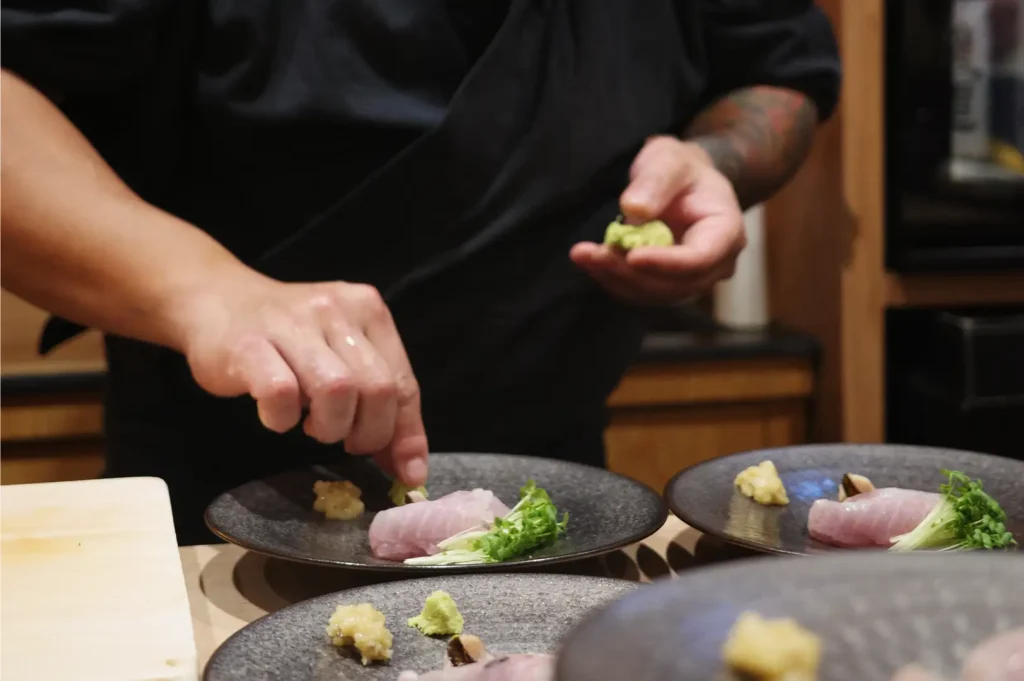
Honest communication matters most here. Our kitchen is purely seafood-based, so there are several things guests should know. We do not serve chicken, pork, beef or lamb, and we do not offer tempura or chawanmushi. If you avoid certain types of fish or shellfish, tell us when you reserve rather than on arrival.
With advance notice, Chef Masa can often replace a specific ingredient with another from the same stage of the meal. A guest who cannot eat shellfish, for example, may receive a different preparation in its place. A guest who prefers lighter rice portions can simply ask. These changes respect the structure of the evening.
What we cannot do is promise an entirely custom meal for someone with extensive restrictions. In such cases, we would rather say so honestly than serve a compromised dinner. A restaurant with a single chef works best when expectations are aligned from the start.
The Value of Planning in Advance
Fresh seafood is ordered with care and cannot always be substituted at short notice. Giving the kitchen time to plan means alternatives are properly considered and not improvised. We always encourage guests to share details when booking so Chef Masa can prepare thoughtfully.
Large Groups and the Whole Table
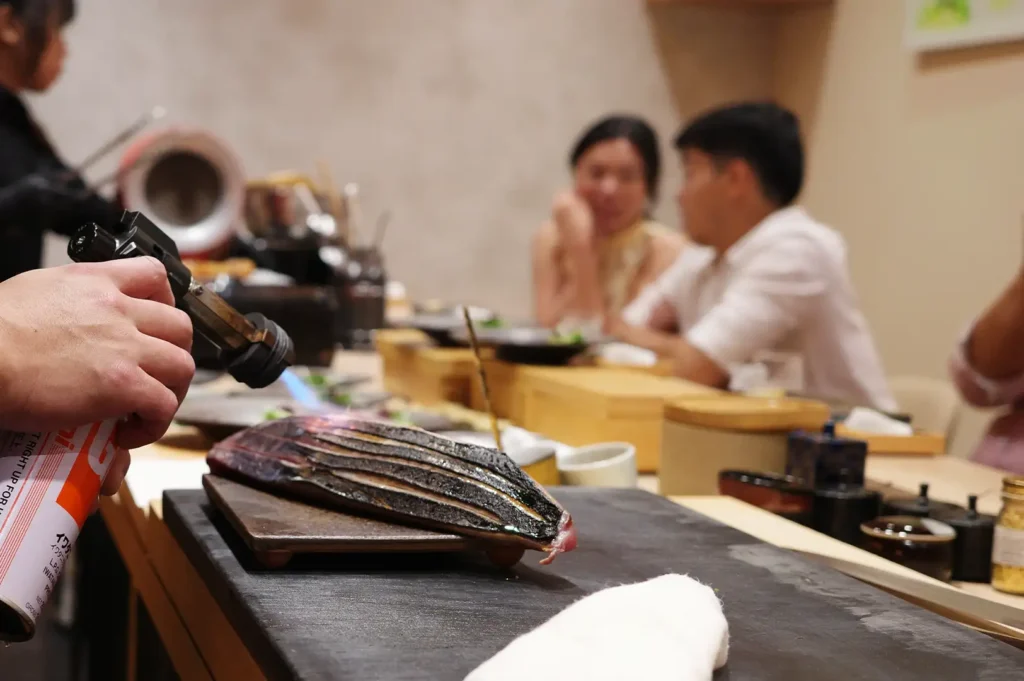
Dining with a larger party brings its own challenges. When a whole table is served the same sequence, everyone is on the same page, reacting to the same first course and arriving together at dessert. That sense of occasion is hard to recreate when each person eats something different.
For large groups, consistency also matters for the kitchen. Preparing nigiri by hand, one piece at a time, takes real kitchen time, and keeping everyone on the same sequence lets the chef maintain the standard of each plate. Where individual needs exist, a few small alternatives can usually be arranged. Two or three options at most keep the meal coherent without fragmenting it.
We find that guests who arrive with an open mind enjoy the evening most. Letting the whole table share one progression often turns dinner into a conversation about what everyone is tasting.
Drinks, Pacing and the Rest of the Evening
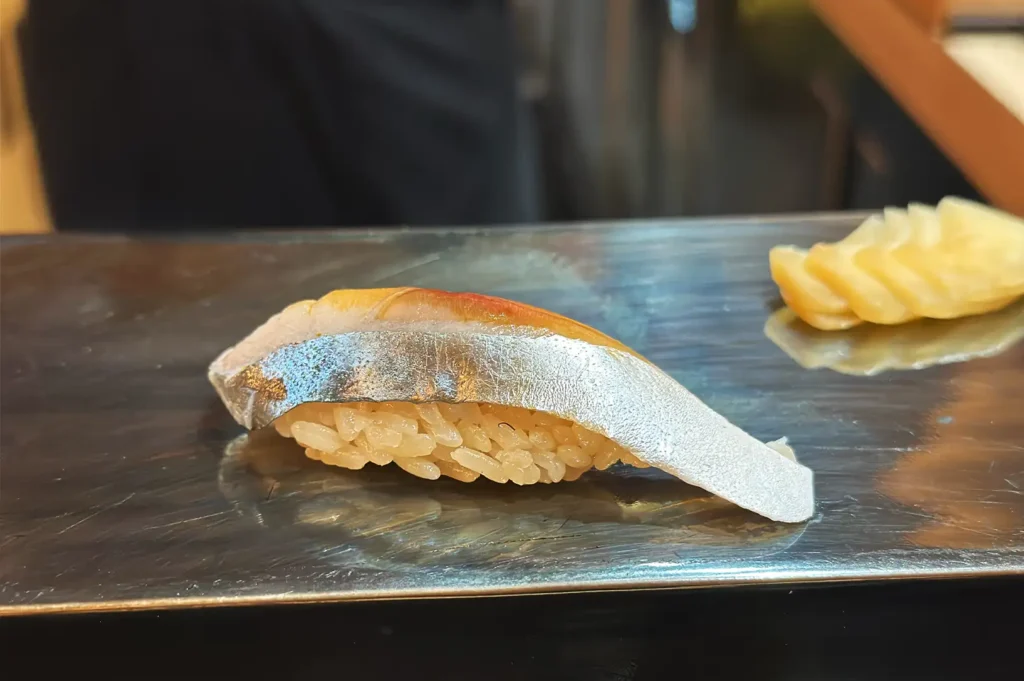
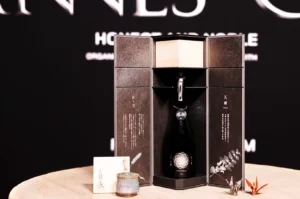
Drinks deserve a place in the plan as well. Wine pairings, sake or tea can lift a course or distract from it, depending on how they are chosen. We suggest keeping selections light and clean so they support the delicate flavour of the fish and do not compete with it.
Pacing is the other half of the story. A good dinner should never feel rushed or drawn out. At our counter, service follows the guest: if conversation lingers, Chef Masa waits. If you are ready for the next piece, it arrives. That ability to manage the pace in real time, more than any menu change, is what makes an omakase feel personal.
When a New Menu Arrives With the Season
One of the quiet pleasures of Japanese cuisine is its attention to the seasons. Fish that is superb in one month may be past its best in another, and a thoughtful chef responds accordingly. So a new menu is not a marketing exercise. It is a natural consequence of what the sea provides.
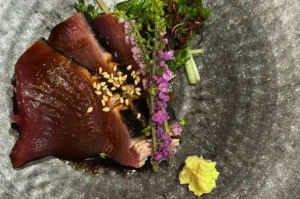
Guests returning to Sushi Masa by Ki-Setsu will notice that the sequence evolves, even when the structure remains familiar. A fish may be aged for longer, a garnish may change, or a different seasonal ingredient may take the lead. The idea is simple: the same craft, expressed through different ingredients, so omakase never feels repetitive.
In that sense, a set menu is always being adjusted. The difference is that the chef does the adjusting, guided by quality and timing, not by habit.
So, Does It Still Feel Like Omakase?
It does, provided the changes are small, honest and made in advance. Omakase survives thoughtful adjustment because its heart is not a fixed menu. Its heart is trust: a guest who is willing to be guided, and a chef who takes that responsibility seriously.
What breaks the experience is not a modified ingredient but a loss of coherence. When the sequence is respected, the meal remains whole.
If you would like to experience this for yourself, we welcome you to join us at Sushi Masa by Ki-Setsu for dinner. Share your preferences when you reserve, take a seat at the counter, and let Chef Masa guide you through an Edomae omakase built on Toyosu seafood and a deep respect for tradition.