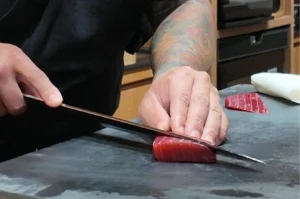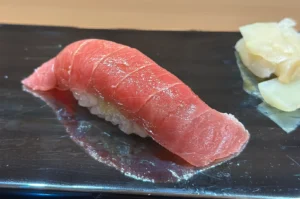
The Art and Soul of Japanese Omakase Menus: A Culinary Dialogue
In the world of traditional Japanese cuisine, few experiences are as personal or profound as Japanese omakase. This celebrated dining experience stands out among fine dining restaurants and Japanese restaurants alike, captivating diners who seek something beyond the ordinary.
While the phrase “omakase” translates to “I’ll leave it up to you,” its meaning runs much deeper. It represents a surrender to the chef’s expertise, attention to the freshest produce, and a journey into the heart of seasonal flavors, meticulous preparation, and time-honored traditions.
At Sushi Masa by Ki-Setsu, this philosophy is the foundation of everything we do, quietly distinguishing our Singapore outpost in Cuppage Plaza. It is an approach that values the story behind each ingredient and the singular vision of the artist preparing it. This article explores the cultural soul of Japanese omakase, delving into the trust, craftsmanship, and seasonal reverence that make it one of the most respected forms of dining in the world.
The Philosophy of Trust in Japanese Omakase
At its core, a memorable Japanese Omakase dining experience is built on shinrai, or trust. This is not simply about trusting the chef to make delicious food; it is about trusting their deep knowledge of the seasons, relationships with trusted suppliers, and their ability to craft a narrative with flavors and textures, all while using the finest ingredients and fresh produce.
The Unspoken Agreement
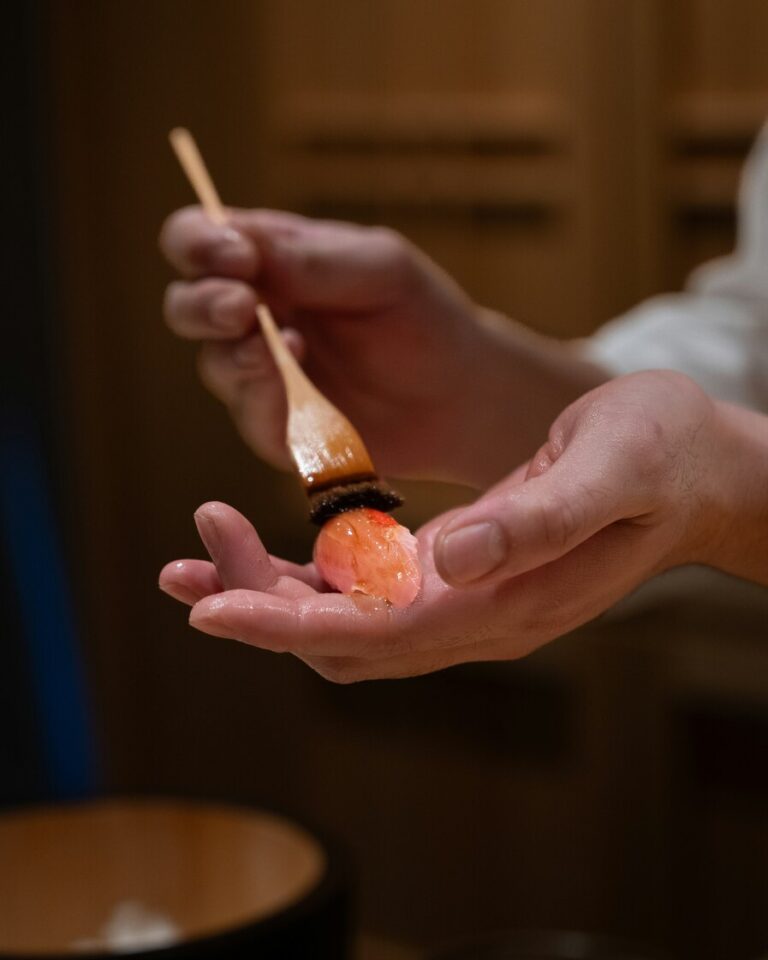
To dine at an omakase counter is to enter into an unspoken agreement. Guests are placing their dining experience entirely in the hands of a culinary expert, whether they are craving sushi, sashimi, or inventive hot dishes such as grilled seafood or surprising meat courses cooked to perfect texture.
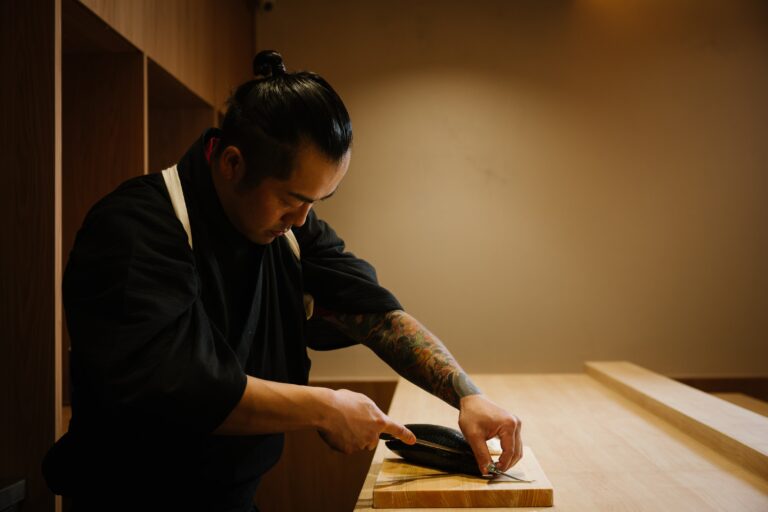
This act of letting go allows for a more immersive and surprising journey — one that lets the chef’s talents shine at centre stage. Our chef, Chef Masa, views this relationship as a privilege, an opportunity to share his unwavering dedication to the art of Japanese cuisine directly with each guest during our dinner service.
Reading the Guest
A masterful omakase chef does more than just serve food; they observe and adapt, refining every aspect from the balance of rice to the seasoning on each dish. They pay close attention to a guest’s reactions — a subtle nod of satisfaction, a moment of contemplation after a specific bite of edomae sushi, uni, or a finely sliced suzuki.
This silent feedback allows the chef to tailor the experience, perhaps adjusting the amount of wasabi or choosing a different premium cut of fish, beef, or grilled seasonal mushroom for the next course. This intuitive connection makes every omakase dining experience deeply personal and unique.
The Art of Edomae Sushi: A Legacy of Flavor
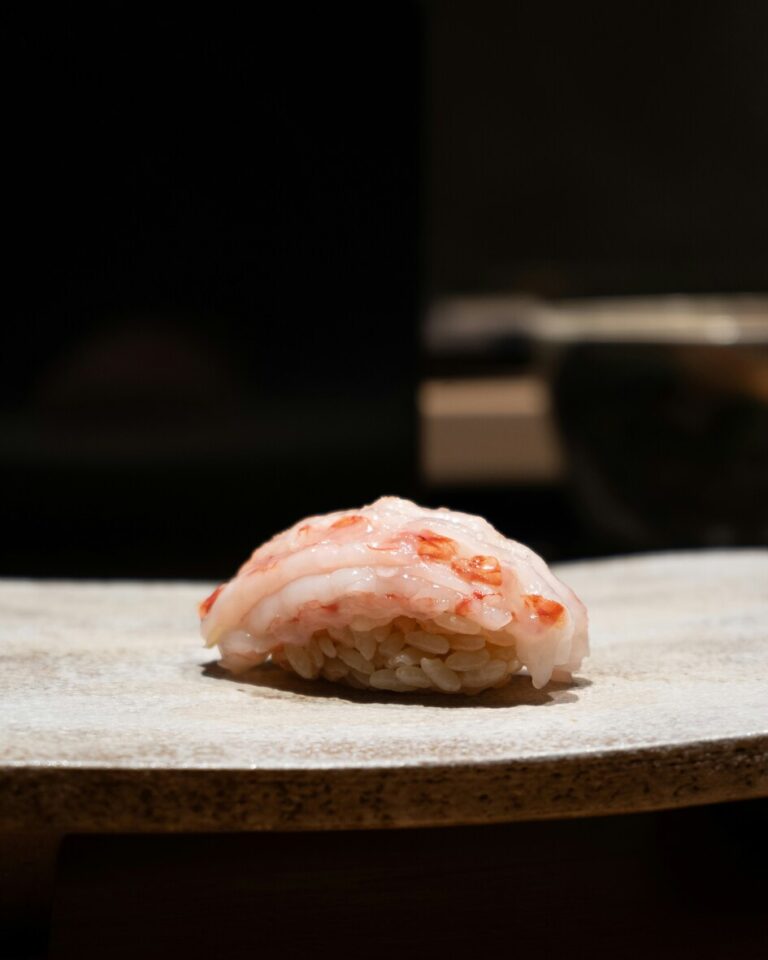
Many of the most lauded Japanese omakase experiences are rooted in the traditions of Edomae sushi, a showcase of sushi craftsmanship that puts both hot and cold dishes at the heart of the meal. This historic style, born in the 19th century in Edo (modern-day Tokyo), is a testament to the ingenuity of sushi masters striving to serve the freshest food possible long before refrigeration. It is a philosophy we proudly uphold at Sushi Masa by Ki-Setsu and a point of pride for our Singapore outpost.
Beyond Freshness: The Science of Enhancement
While using fresh, high-quality fish is essential and expected from the best Japanese restaurant or Michelin Guide-listed omakase restaurants, the Edomae style is defined by the techniques used to preserve and enhance each ingredient’s natural character.
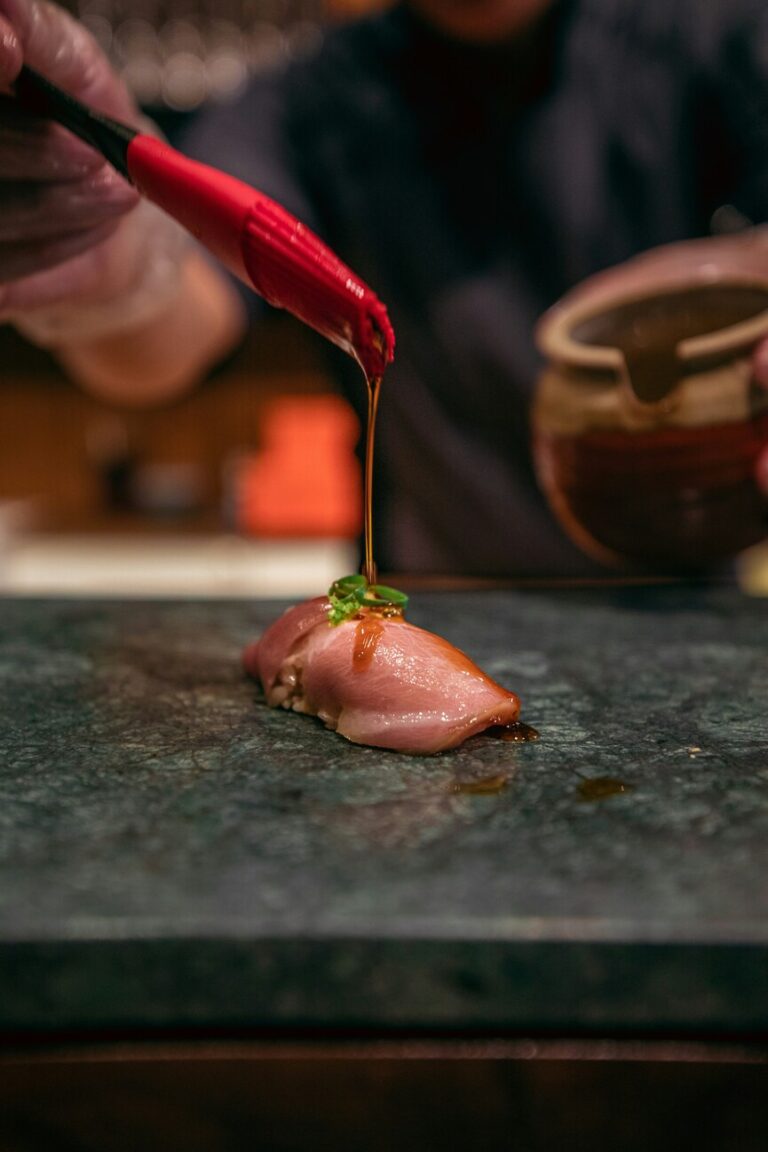
- Marinating (Zuke): Lean cuts of tuna, for example, are briefly marinated in a proprietary soy sauce blend. This not only seasons the fish but also firms its texture and deepens its umami, transforming it into a centerpiece of the omakase menu.
- Curing (Shime): Oily fish like mackerel (saba) or gizzard shad (kohada) are cured with salt and vinegar. This technique balances the fish’s richness and allows its true palate to emerge—a practice revered in fine dining circles worldwide.
- Aging (Jukusei): Certain white fish and seafood, including prized items like suzuki, are aged for several days, yielding a luxurious softness and elevated flavor complexity, a hallmark of the highest-end omakase menus.
These techniques require immense skill and unwavering dedication. From the earliest morning hours to the quiet focus before opening hours, our chef, Chef Masa, refines and prepares each ingredient, from the seasonal uni (sea urchin) to fresh caviar, so that every bite impresses even the most seasoned diners.
Sourcing the Seasons: A Commitment to Quality
A Japanese omakase menu is a living calendar, reflecting seasonality and the pursuit of the freshest ingredients. This reverence for ingredients is why Sushi Masa by Ki-Setsu sources largely from the world-renowned Toyosu Market.
The Toyosu Market Connection
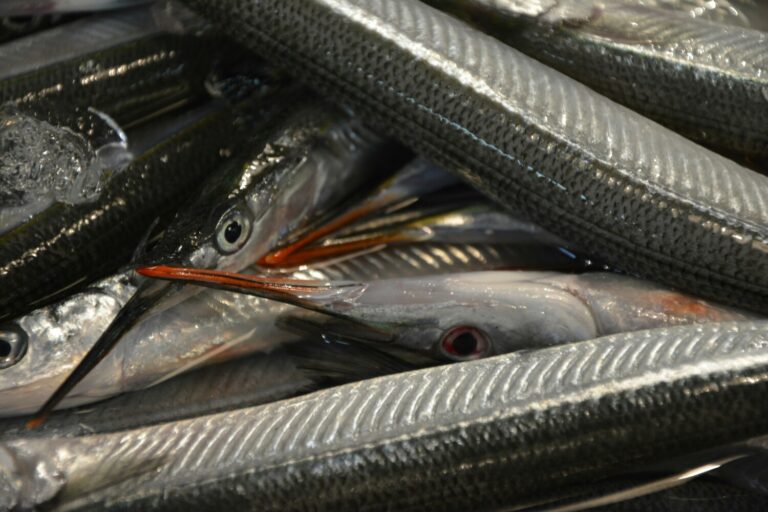
To ensure every course—from the first delicate appetiser to the closing soup or dessert—is exceptional, we maintain a direct line to Toyosu Market in Tokyo. This famed auction is the lifeline for premium seafood, supplying the finest ingredients for both classic and modern Japanese cuisine. Dishes such as beautifully seared wagyu, fresh sashimi, or innovative tempura rely on these air-flown ingredients, meticulously chosen for quality and flavour.
Celebrating Shun: The Peak of the Season
Central to the omakase tradition is shun (旬): each fish, rice, mushroom, or vegetable is only served at the precise moment it is at its peak. Whether it’s the sweetness of uni in late spring or the umami-rich mushroom in autumn, Chef Masa’s menu revolves around showcasing these fleeting treasures. This approach exemplifies the pride and tradition that elevate Sushi Masa among the best Japanese restaurants in Singapore.
The Guest Experience: What to Expect from Japanese Omakase Dining Experience
For guests new to Japanese omakase, entering a minimalist counter is a uniquely elegant experience—a stark contrast to the bustle of lunch or the rush of all-day dining in other venues.
The Counter Is the Stage
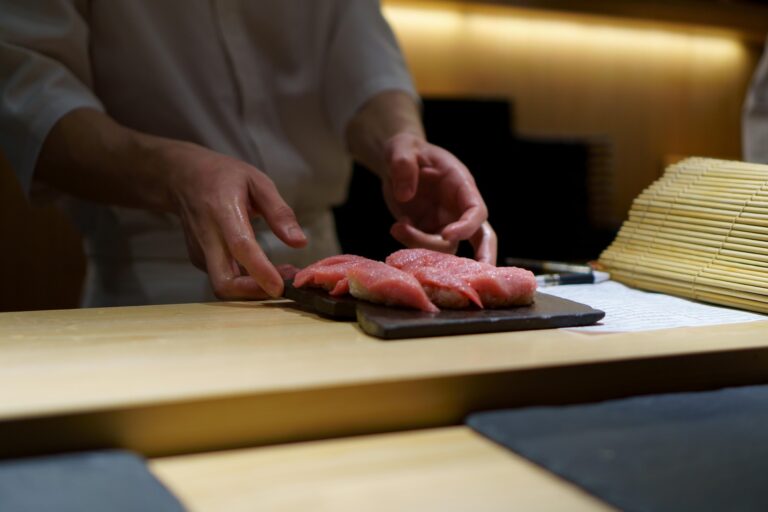
The counter is not just where sushi is made—it is where imaginative storytelling comes alive. Chef Masa’s artistry guides the meal, with each dish or sashimi piece crafted and immediately served, ensuring both visual and flavor perfection. The service is attentive yet unobtrusive, allowing guests to savor each course and the quiet atmosphere, making every moment at the counter a centre stage event.
The Progression of Flavors
A full omakase experience is meticulously curated, typically starting with lighter appetisers and progressing through sashimi, premium sushi, and flavorful hot dishes—like grilled seafood or a satisfying soup—before building toward richer items such as fatty tuna or indulgent sea urchin. Interwoven are moments of surprise: perhaps an elegant Japanese beef, a tender prawn, or a playful pairing with sake, spirits, or expertly selected wine and beer. Each meal often concludes with a generous, elegant dessert, such as house-cut fruit or a nuanced sweet that leaves the palate refreshed.
Dinner and Lunch Omakase Etiquette
To fully enjoy omakase dining, guests are invited to follow a few thoughtful customs:
- Eat Prominently: Savour each item at its intended temperature, immediately after it is served.
- Use Your Hands: For sushi courses, feel free to indulge with your hands as is common in Japan.
- Single Bite: Each nigiri is designed for a one-bite experience—an interplay of rice, seasoning, and seafood.
- Trust the Chef: Rely on the chef’s expertise—seasoning with soy or wasabi is precise, and extra additions are rarely needed.
- Relax and Dine: Enjoy the quiet moments, the transitions, and the inspired details that make the meal memorable.
Those who wish to explore Singapore’s omakase scene in more detail are encouraged to read our guide on Omakase: The Ultimate Guide to Japan’s Premier Dining Experience in Singapore.
The Singular Dedication of a Master Chef
A core pillar of any exceptional Japanese omakase restaurant is the relentless dedication of its chef—never a team, but a single craftsman at the heart of the meal. This shokunin spirit drives Chef Masa, who personally selects, prepares, and presents every course, from the nuanced cut of fish to the inspired grilled meat or vegetable. Such committed service means each guest enjoys not just dinner, but an intimate performance where tradition and innovation intersect.
Omakase Restaurants: A Journey of Culinary Discovery
To experience Japanese omakase is to embark on a journey—one that welcomes you into a world where every meal, every dish, and every course is a showcase of Japan’s rich food culture. It is a chance to indulge in delicious, elegantly prepared sushi, stunning hot dishes, and exquisite desserts, all while sitting at the counter among other appreciative guests.
At Sushi Masa by Ki-Setsu, we invite you to dine with us, to discover the harmony of tradition and modernity, and to be inspired by the meticulous artistry of Chef Masa. Our counter is open by reservation only; each person is treated to a dinner where every element—rice, seafood, meat, sake, and even the humble soup—contributes to a unified, memorable dining experience.
Those searching for a concept that consistently impresses, and a meal that lingers in memory, will find Japanese omakase the perfect answer.