There is a moment, somewhere between the first sashimi course and the warm glow of the counter light, when a date dining experience stops feeling like dinner and starts feeling like something else entirely. Something slower. More deliberate. It is the kind of moment that a large, bustling restaurant cannot manufacture, no matter how refined the menu. It can only happen in a space designed, from the very beginning, to make two people feel as though the entire evening exists solely for them.
This is the philosophy behind Sushi Masa by Ki-Setsu, an omakase restaurant tucked into the sixth floor of Cuppage Plaza in Singapore. Renowned as one of the best omakase Singapore destinations, it offers an intimate dining experience that highlights seasonality, craft, and the singular focus of Chef Masa. For discerning diners seeking the best omakase for date dining, the answer often lies not in the grandeur of a space, but in its deliberate smallness.
What Makes an Omakase Meal Right for a Date
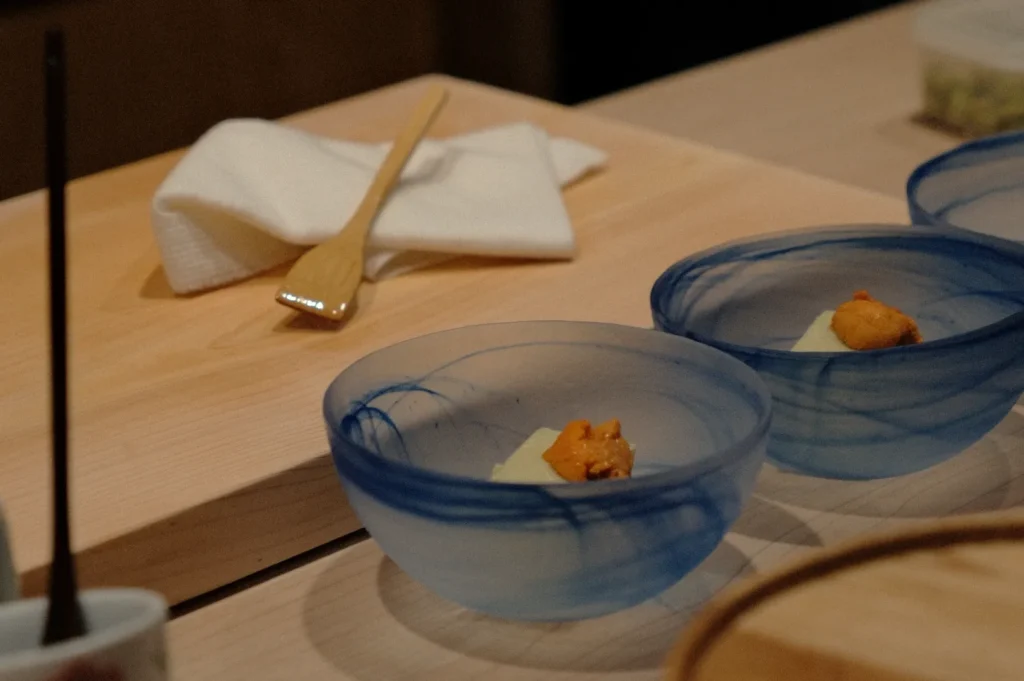
The omakase experience is, at its core, an act of trust. The phrase itself translates loosely to “I leave it to you,” an invitation for the chef to guide the evening from beginning to end. For a date, this structure carries an unexpected gift: it removes the need to deliberate over menus, negotiate choices, or navigate the subtle pressures of ordering. The conversation can simply flow.
At Sushi Masa by Ki-Setsu, the omakase menus are built around a seasonal tasting menu based on the freshest seasonal ingredients sourced daily from Japan’s Toyosu Market. What arrives at the counter is never fixed or predictable. A dinner might open with a refined dashi soup, light and pristine, before moving into seasonal sashimi, nigiri sushi, and a series of cooked dishes that reflect whatever Chef Masa has deemed finest that day. The element of surprise, managed with quiet assurance, is precisely what makes this format so suited to a special evening.
The Role of Counter Seating in an Intimate Setting
Counter seating is central to the omakase dining style, and it transforms the experience entirely. Rather than facing each other across a table, diners at a sushi counter sit side by side, both angled gently toward the chef. The shared perspective creates a natural sense of togetherness: watching the same hands at work, receiving the same explanation of a seasonal fish, reacting in unison to the first bite of something unexpected.
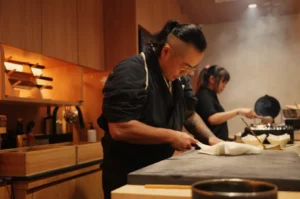
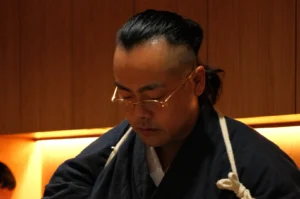
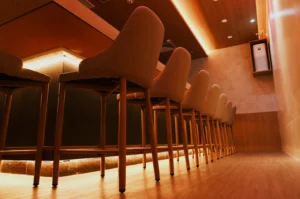
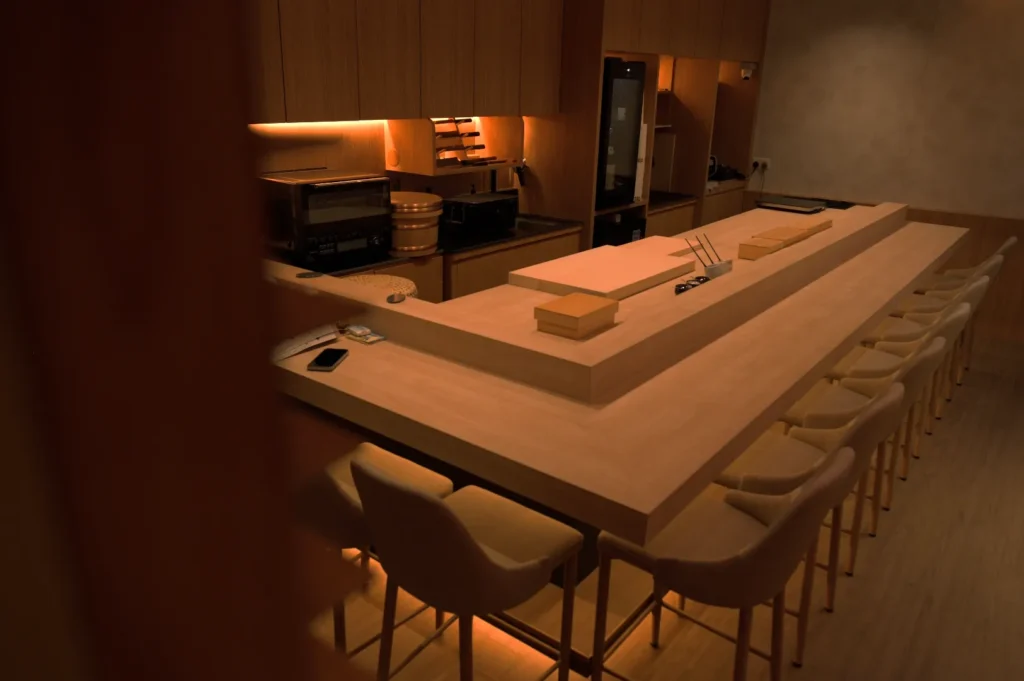
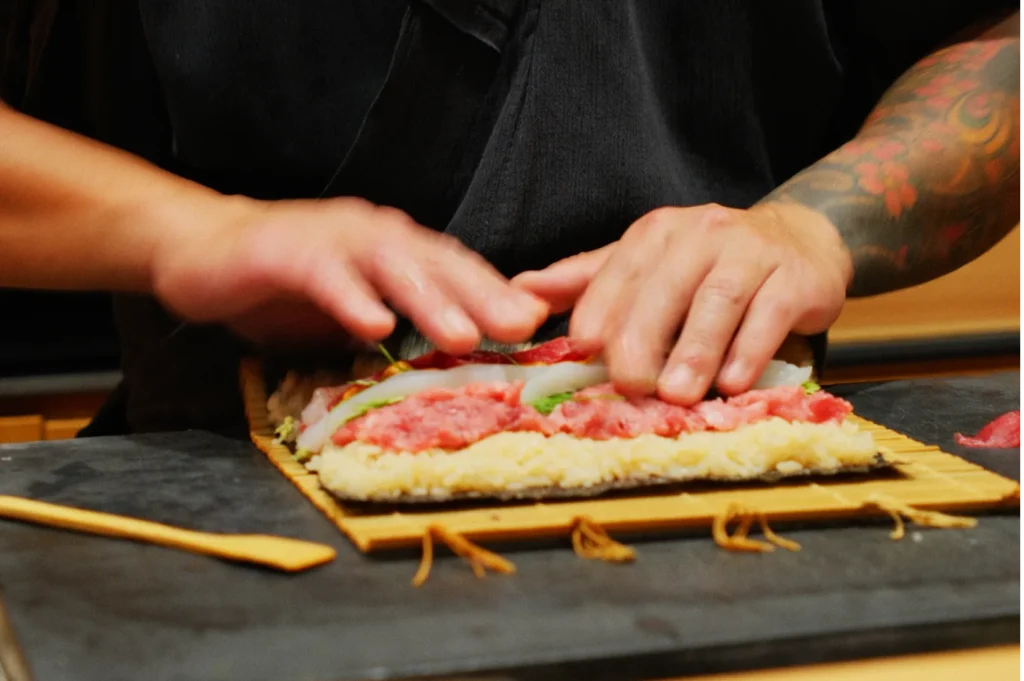
At Sushi Masa by Ki-Setsu, the eight-seat counter is intimate by design. There are no adjacent tables to crowd the atmosphere, no ambient noise competing with the moment. Chef Masa works directly in front of guests, and the proximity allows for quiet dialogue about each course: where a particular piece of premium seafood was sourced, why a seasonal appetiser uses one preparation over another, or how sushi rice is seasoned to complement the flavour of a specific nigiri. This level of engagement is something a large restaurant simply cannot replicate.
The Dinner Omakase Menu: A Seasonal Journey from Start to Finish
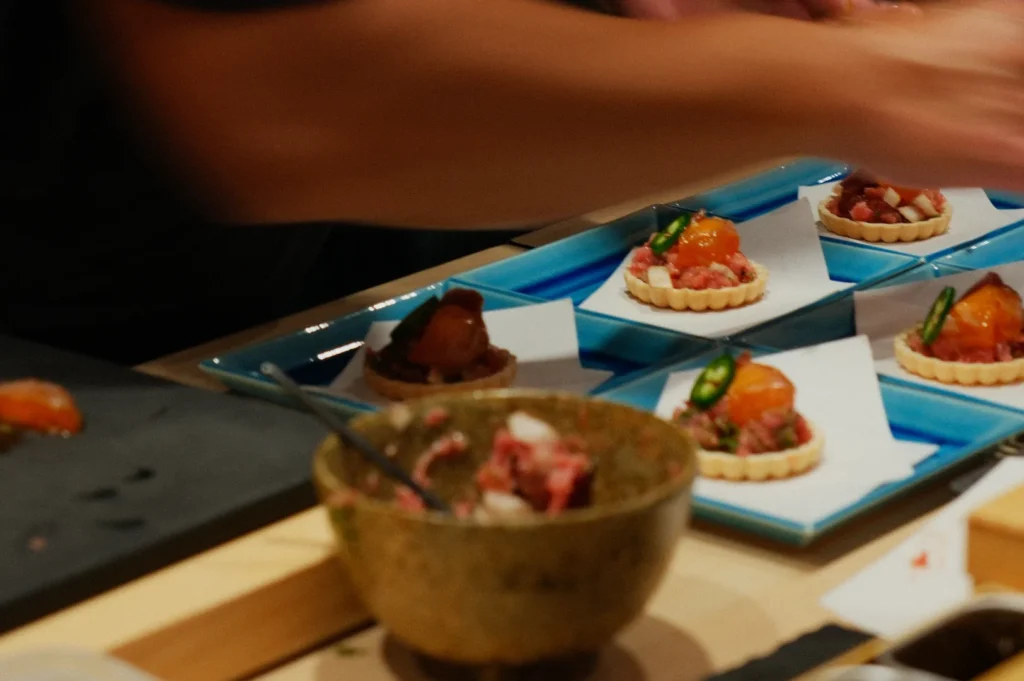
The dinner omakase menu at Sushi Masa by Ki-Setsu is structured around the Edomae tradition, a style of Japanese dining rooted in precision, restraint, and an unwavering respect for fresh ingredients. Dinner starts at 7:15pm, and from the first course, the intent is clear: every element on the counter has been chosen to tell a coherent, seasonal story.
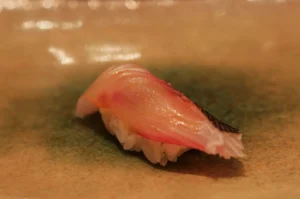
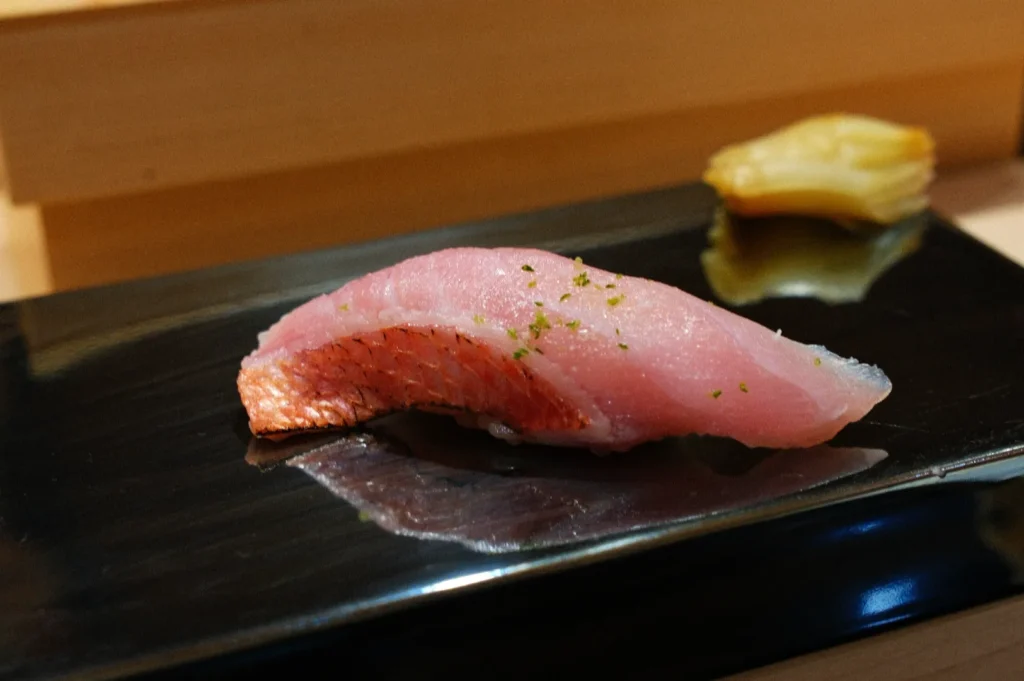
Seasonal appetisers open the meal, setting the tone with delicate flavours drawn from whatever the season offers. This might include golden eye snapper prepared simply to highlight its clean sweetness, or shima aji presented with enough restraint to let the fish speak for itself. Seasonal fish, including fatty tuna and sea urchin from Japan, form the heart of the sushi courses, each piece of nigiri sushi crafted by Chef Masa with the sushi rice vinegared and seasoned precisely to complement the protein above it.
Hot Dishes, Miso Soup, and the Art of Pacing
A well-paced omakase course is one that knows when to introduce warmth into a sequence of cold preparations. Hot dishes serve this function, offering textural contrast and a shift in temperature that refreshes the palate between sashimi and sushi courses. At Sushi Masa by Ki-Setsu, these cooked dishes are drawn from the same pool of seasonal ingredients, ensuring continuity throughout the meal.
Towards the end of the dinner omakase menu, miso soup arrives: a clam miso, rich and grounding, that signals the meal is drawing toward its close. It is a considered placement. Rather than appearing as an opener, the miso soup at Sushi Masa by Ki-Setsu acts as a bridge between the final savoury courses and dessert, which closes the meal on a sweet note. A sake menu is available throughout the evening for those wishing to complement their omakase meal with Japanese wine.
Why Proper Omakase Is Not About Abundance
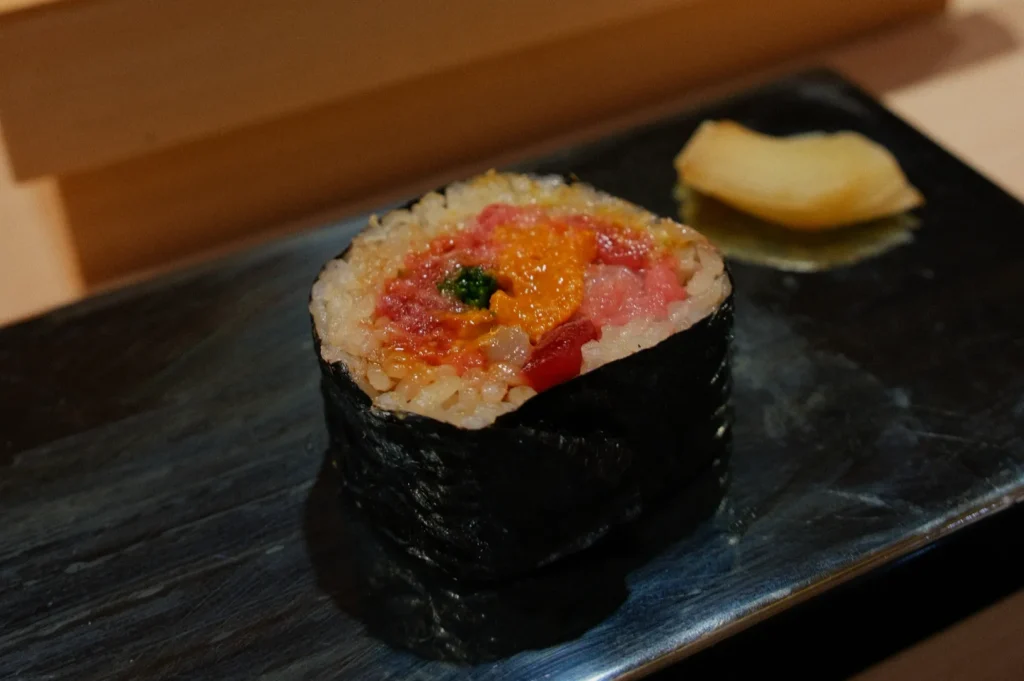
There is a common misconception that a memorable omakase experience is defined by volume: the number of courses, the quantity of premium ingredients piled high, or the theatrical presentation of luxurious ingredients in oversized portions. A proper omakase, however, is defined by none of these things. It is defined by proportion, intention, and the chef’s ability to curate a good balance across every course.
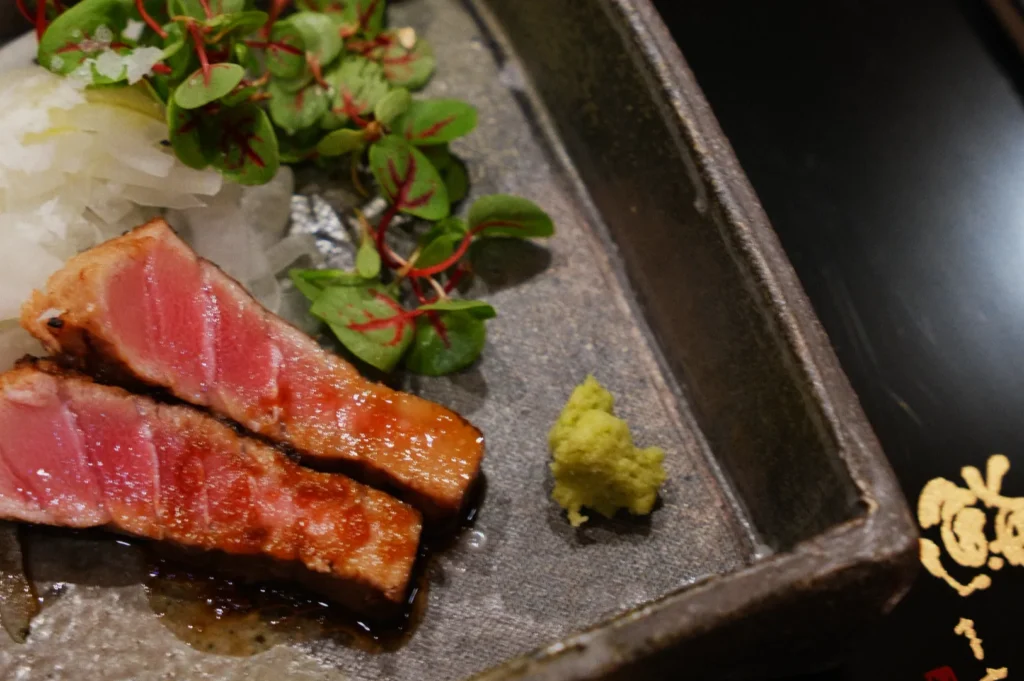
Chef Masa curates each evening’s omakase sets with this philosophy in mind. The finest ingredients, sourced from Toyosu Market and flown in to Singapore daily, are treated with the kind of care that makes extravagance unnecessary. A single slice of seasonal sashimi, cut with precision and presented on a clean surface, communicates more than a crowded platter. The restraint is the statement.
For omakase places to truly distinguish themselves in the Singapore context, they must resist the pressure to perform abundance for its own sake. Sushi Masa by Ki-Setsu has made a deliberate choice in this regard: the menu is a seasonal tasting menu based on integrity, not spectacle. Allowing diners to focus entirely on what is in front of them is, itself, a form of hospitality.
Affordable Omakase That Refuses to Compromise on Quality
One of the persistent tensions in Singapore’s Japanese dining scene is the relationship between accessibility and quality. The assumption that an affordable omakase must involve compromises on ingredients or technique is one that Sushi Masa by Ki-Setsu challenges directly. The omakase menus ranging across different price points are designed to bring the standard of a proper omakase experience to a wider group of discerning diners, without lowering the bar on what is served.
For those curious to learn more about how Sushi Masa by Ki-Setsu strikes the perfect balance between quality and affordability, we invite you to check out our article Affordable Omakase vs. Accessible Excellence: Finding the Sweet Spot. It’s a closer look at how exceptional omakase can be both accessible and uncompromising.
The freshest seasonal ingredients, including premium seafood sourced from Japan’s Toyosu Market, form the foundation of every omakase experience at comparable establishments, but what distinguishes Sushi Masa by Ki-Setsu is the singular focus of one chef who is present for every course, every evening. There is no division of labour that dilutes the experience. Chef Masa shapes the narrative of each meal from start to finish.
The Singapore Outpost That Thinks Like a Sanctuary
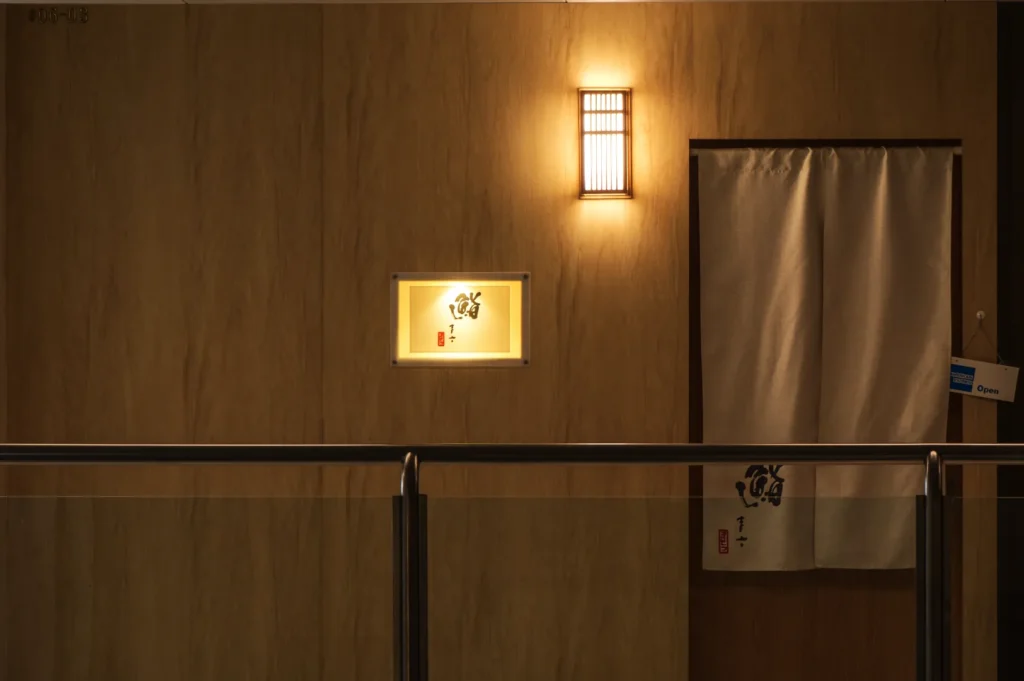
Sushi Masa by Ki-Setsu is part of a broader culinary philosophy rooted in the Ki-Setsu group, whose name translates to “season” in Japanese. The Singapore outpost at Cuppage Plaza carries this philosophy in every detail, from the understated entrance to the quiet efficiency of service once guests are seated. It is a Japanese restaurant designed not to impress with its presence, but to recede entirely so that the food and the company can take centre stage.
The location itself is quietly deliberate. Cuppage Plaza, tucked into the Orchard belt, offer a sense of urban discretion: close enough to be convenient, removed enough to feel like a discovery. For special occasions, including anniversaries, milestone celebrations, or simply an evening that deserves to be remembered, this quality of quiet distinction is precisely what elevates a dinner from enjoyable to meaningful.
Choosing the Right Japanese Restaurant for a Date in Singapore
Not every Japanese restaurant in Singapore is built for the intimacy that a date requires. Many restaurants in Singapore offer excellent food in settings that are simply too large, too loud, or too anonymous to foster the kind of connection that a special evening deserves. The Japanese dining style of omakase, particularly when practised in a small counter setting, addresses this gap directly.
What sets Sushi Masa by Ki-Setsu apart from other omakase places in the city is not only the quality of its seasonal sushi or the provenance of its premium ingredients. It is the cumulative effect of every considered detail: the eight-seat counter, the singular chef, the seasonal tasting menu, the opening hours that begin at dusk and extend into the quiet of the evening. Each of these choices creates a container for an experience that holds.
For those who value an omakase course rooted in the Edomae tradition, sourced from the finest ingredients at Toyosu Market, and delivered with warmth and precision by Chef Masa, the reservation process is straightforward. Sushi Masa by Ki-Setsu opens Tuesday to Saturday, with dinner starting at 7:15pm. Sunday private bookings are available for those who wish to take the sanctuary entirely for themselves.
A Dining Experience Worth Returning To
The best omakase for date dining is not simply a meal. It is an architecture of small decisions, each one oriented toward the same goal: giving two people the conditions to be fully present with each other and with the food in front of them. At Sushi Masa by Ki-Setsu, that architecture has been built with care, refined over time, and anchored in the unwavering belief that quality and intimacy are not competing values. They are, in the best Japanese dining tradition, inseparable.
If you are planning a special evening in Singapore and wish to offer someone an omakase experience that is genuinely difficult to find elsewhere, we welcome you to the counter. The season is always changing, and Chef Masa will be ready.