There is a reason the words “omakase” and “Japan” seem to belong together. Long before it became a global fine dining trend, omakase was simply how a chef and a guest built trust across a wooden counter, one piece served at a time.
To understand what makes the Japanese omakase so extraordinary is to understand a philosophy of hospitality refined over generations, and to see why that same spirit now lives on at Sushi Masa by Ki-Setsu, tucked within Cuppage Plaza in the heart of Singapore.
The Soul of Omakase: More Than a Meal
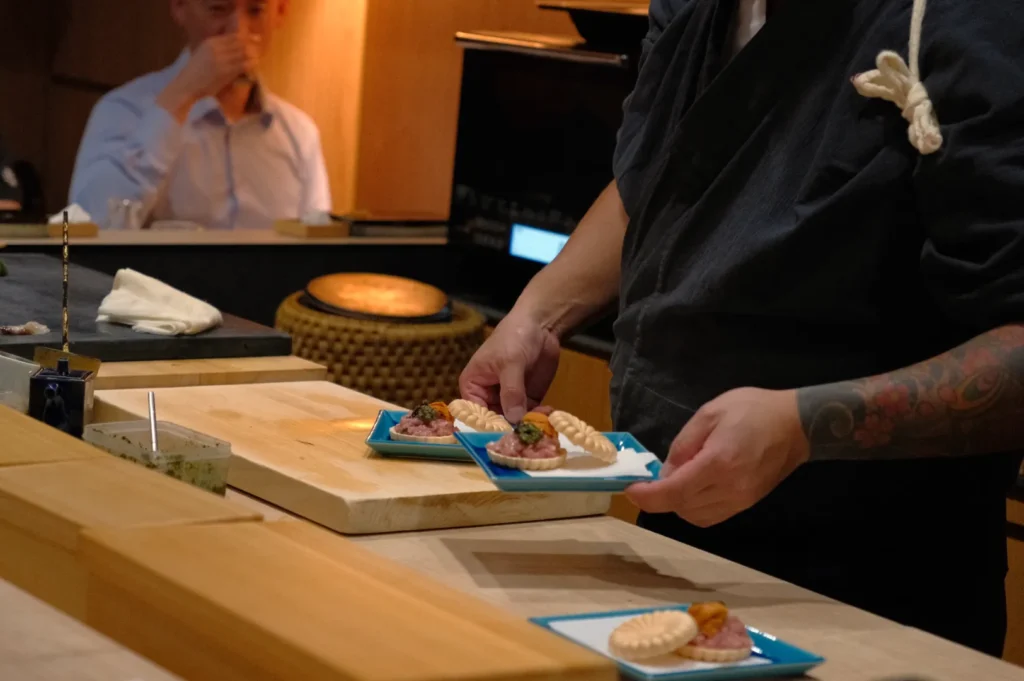
Omakase, translated loosely, means “I leave it to you.” It is an act of trust between diner and chef, allowing diners to set aside the menu entirely and let the person behind the counter decide what the day’s catch deserves to become. In Japan, this trust is treated with reverence, almost as an art form in itself. The chef takes full responsibility for the entire dining experience, from the first piece served to the last, curating each course according to what is freshest that day rather than what a guest might request.
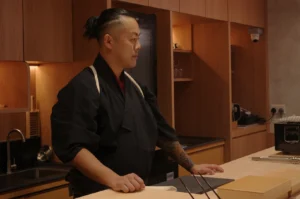
This is what separates sushi omakase from an ordinary Japanese restaurant visit. There is no à la carte browsing, no dishes chosen at will. Instead, the chef leads a journey through texture and season, often beginning light before building toward richer, bolder flavours. At Sushi Masa by Ki-Setsu, this same philosophy shapes every seating. Chef Masa does not simply prepare sushi, he composes an evening, reading each guest and adjusting the pace accordingly, so that dinner starts gently and builds with intention.
Why Trust Matters at the Counter
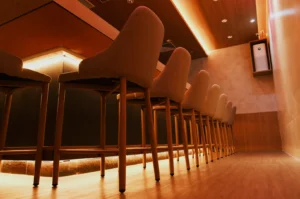
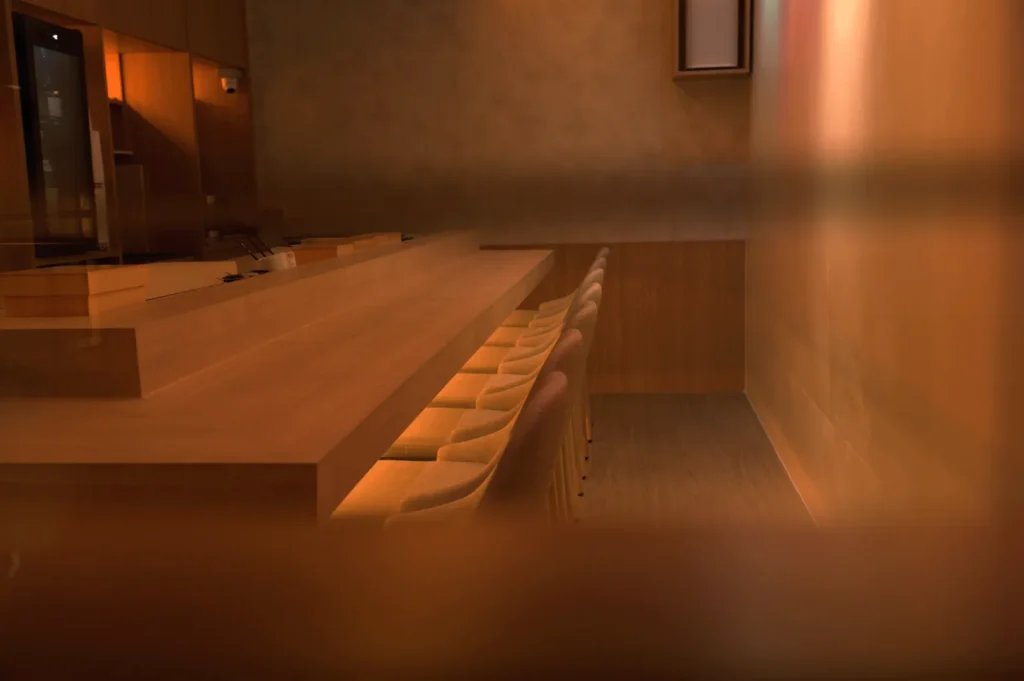
Sitting at a sushi counter is an intimate act. Counter seating places the diner within arm’s reach of the chef, close enough to watch each piece formed by hand and to sense the quiet choreography behind good service. This closeness is deliberate. It gives the chef room to gauge appetite, share a little of the story behind an ingredient such as uni or a cut of tuna, and adjust the rhythm of the meal in real time.
Sushi, Tokyo, and the Culture That Shaped It
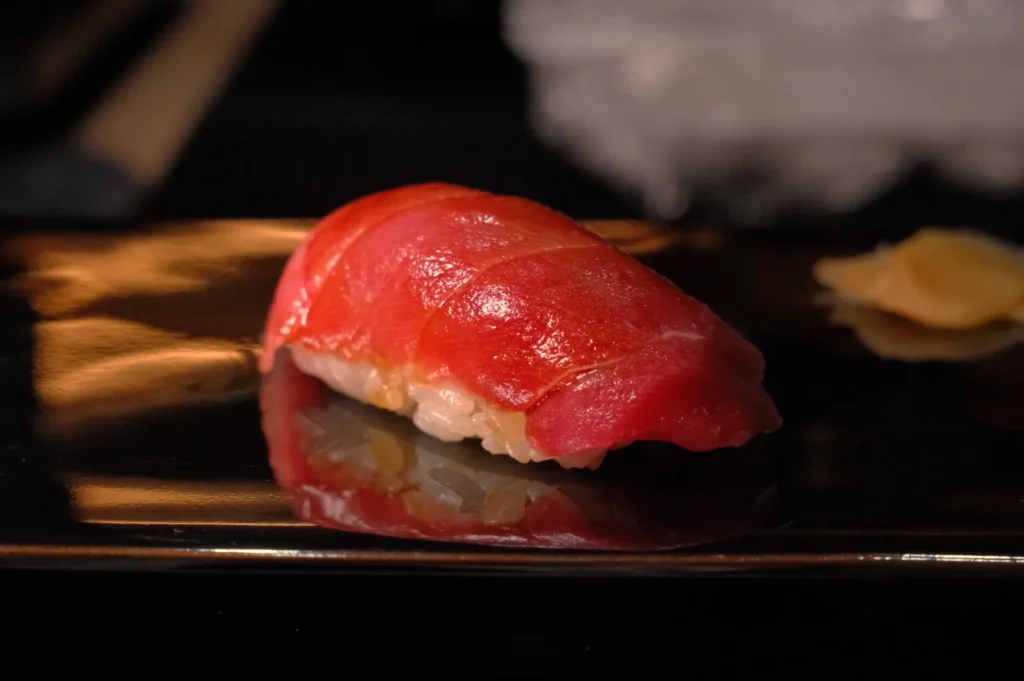
No conversation about the best omakase in Japan is complete without Tokyo. When people picture sushi, Tokyo is almost always the backdrop, a city that holds more Michelin stars for Japanese cuisine than almost anywhere else in the world. From the historic streets of Chuo Ku to the polished towers of Minato Ku, Tokyo’s sushi counters range from centuries old establishments to sleek modern spaces tucked inside office districts such as Marunouchi Brick Square.
Interestingly, many of these Tokyo restaurants also serve lunch courses, shorter and lighter omakase sets designed for lunchtime diners who want a taste of the experience without a full evening commitment. It is a reminder that omakase can flex with the time of day, even if the philosophy behind it never changes. Some food critics in Japan even speak of a manten standard, a perfect, full marks sushi experience where every element, from rice temperature to the seasoning of a single piece, comes together without flaw.
The Michelin Guide and What It Really Measures
The Michelin Guide has become something of a shorthand for excellence, and it has helped introduce diners worldwide to sushi counters once known only to locals. Yet stars only tell part of the story. They reward technique and quality of ingredients, but they cannot fully capture the warmth of a chef remembering a returning guest’s preferences, or the quiet satisfaction of watching a piece served exactly to temperature. True excellence in omakase dining lives in these details, the ones a review rarely captures but a guest always feels.
What Defines a Truly Exceptional Omakase Menu
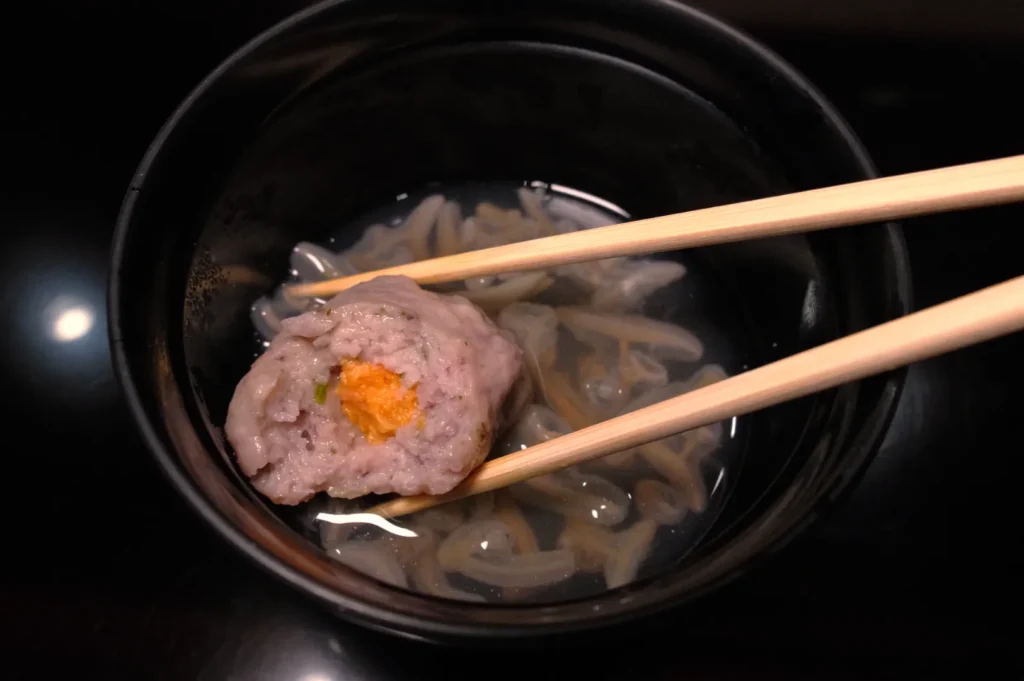
A few hallmarks separate a forgettable meal from one that lingers in memory. The first is seasonality. The best omakase menus change constantly, shaped by what the sea provides rather than what a kitchen wants to serve. A chef who insists on freshest ingredients is a chef who respects the produce enough to let it lead the meal offers something different every visit.
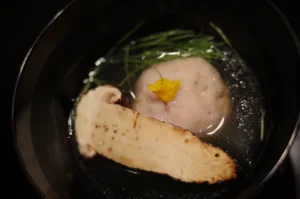
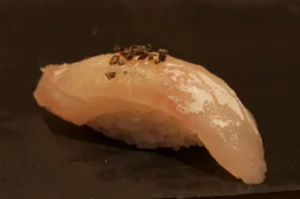
The second hallmark is restraint. Great sushi is deceptively simple. Fatty tuna requires careful ageing to develop richness, while delicate white fish demands only the lightest touch of soy or citrus to shine. Uni, prized for its creamy sweetness, is perhaps the clearest example of how a single ingredient, handled with care, can define an entire course. Seasonal vegetables sometimes make a quiet appearance too, offering a moment of freshness between richer cuts of fish.
The third hallmark is variety within cohesion. A well composed course moves through textures and temperatures with intention, offering a good balance of raw and lightly cooked dishes, sometimes finishing with a small, considered dessert rather than anything heavy. This thoughtful sequencing is something Chef Masa considers carefully at Sushi Masa by Ki-Setsu, where each seating feels like a complete story rather than a simple string of dishes to eat through.
Ingredients That Cannot Be Rushed
Behind every extraordinary omakase experience lies painstaking sourcing. Premium ingredients are not simply expensive, they are the product of relationships built over years between chefs and their suppliers. This is why so many of the best restaurants in Japan send their chefs directly to the market each morning rather than relying on deliveries alone. Sushi Masa by Ki-Setsu follows this same principle, sourcing seafood with the same standards one would expect from Toyosu Market itself, so that every dish served in Singapore honours the tradition it draws from.
Bringing an Authentic Omakase Experience to Singapore
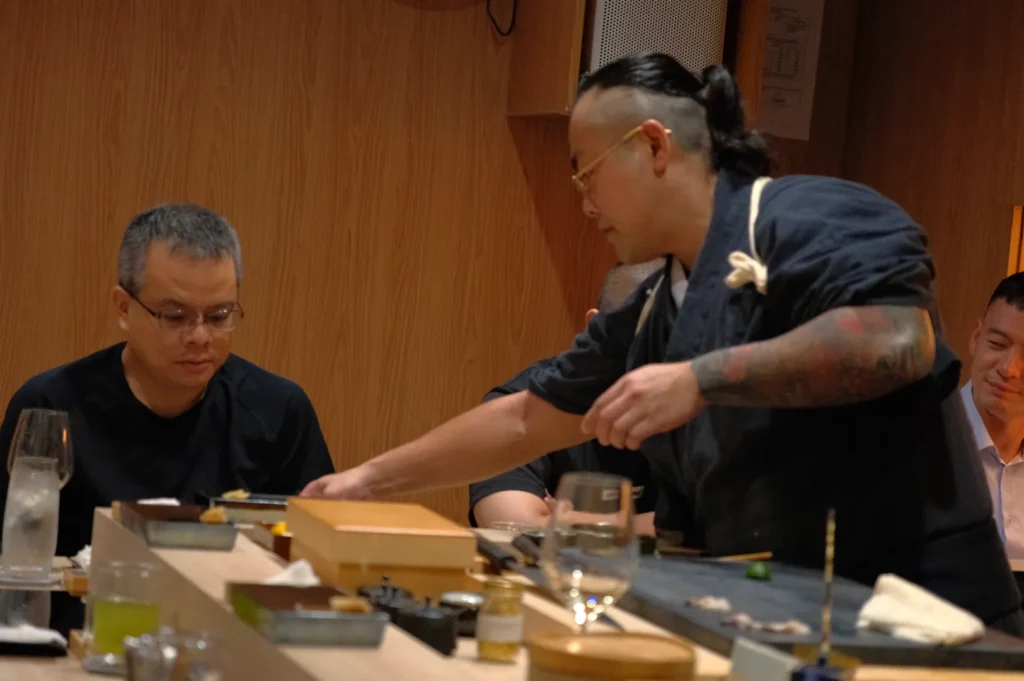
For those in Singapore who dream of experiencing the best omakase in Japan without boarding a flight, Sushi Masa by Ki-Setsu offers a rare alternative. Nestled within Cuppage Plaza, the restaurant was built around a singular vision, to recreate the discipline and precision of a traditional Tokyo sushi counter within an intimate Singapore context.
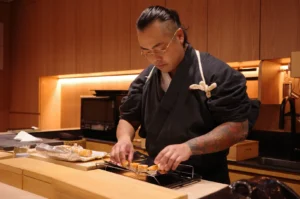
Unlike many establishments that rely on large teams, Sushi Masa by Ki-Setsu is guided entirely by one chef. Chef Masa personally oversees every course, from selecting the day’s seafood to shaping each piece by hand. This singular approach mirrors the traditional omakase experience found across Japan’s most respected counters, where consistency comes not from standardisation but from one set of hands guiding the entire meal.
The restaurant’s counter seating is deliberately limited, so reservations are essential well before the evening dinner starts. There is no rush here. Each night is paced thoughtfully, moving from lighter preparations through richer, more indulgent seafood as the evening unfolds, satisfying even the strongest sushi cravings by the final course. It is an experience often recommended by hotel concierge teams across the city to visitors seeking something more personal than an ordinary night out, built on conversation, craftsmanship, and quiet attention to detail.
A Philosophy Rooted in Edomae Tradition
At the core of Sushi Masa by Ki-Setsu’s approach is Edomae, the traditional style of sushi preparation that originated in old Tokyo, where fish was cured, marinated, or lightly cooked to preserve freshness before refrigeration existed. This method remains central to the restaurant’s identity today, not as a nostalgic gesture but as a genuine belief that these techniques produce better flavour. Every element of the menu offers a reflection of this dedication to doing things the traditional way, even when faster methods exist.
The restaurant’s seafood focused menu is entirely free of meat, keeping the spotlight firmly on the ocean’s food. This is not a limitation but a deliberate choice, one that allows the chef to explore the full range of what seasonal fish and shellfish can offer across a single sitting. It is a purist’s approach to Japanese cuisine, and one that rewards diners who appreciate subtlety over spectacle.
An Invitation to Experience Omakase Dining for Yourself
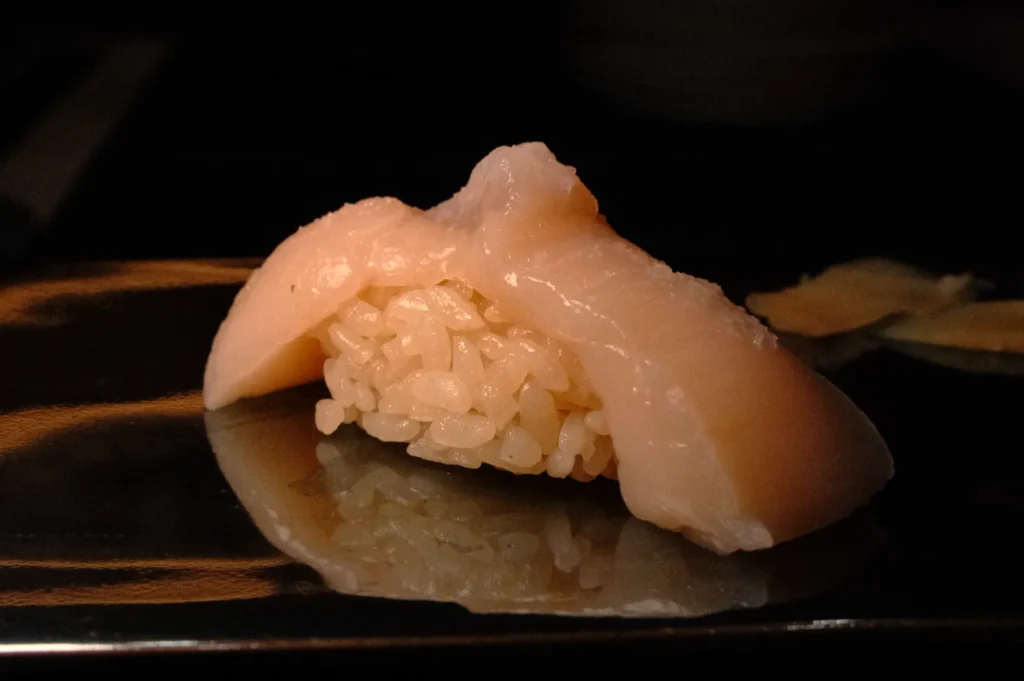
The best omakase in Japan continues to inspire chefs and diners around the world, and that same spirit of trust, patience, and craftsmanship can now be found much closer to home. At Sushi Masa by Ki-Setsu, every evening is an invitation to slow down, take a seat at the counter, and let Chef Masa guide you through a menu shaped entirely by the season.
Whether it is a special occasion, a quiet night out, or simply a long held curiosity about what makes omakase dining so beloved, guests are warmly welcome to secure their reservations at our counter within Cuppage Plaza. Come hungry, come curious, and let us show you why the art of omakase remains one of Japanese cuisine’s most cherished traditions.