The Ultimate Guide to the Best Omakase Restaurant in Singapore: Where Culinary Artistry Meets Japanese Tradition at Sushi Masa by Ki-Setsu
Singapore has evolved into Southeast Asia’s most sophisticated destination for authentic Japanese omakase experiences, with a thriving dining scene that rivals Tokyo’s finest establishments. The phrase omakase, meaning “I leave it up to you,” represents more than just a meal—it’s a profound act of culinary trust that transforms dining into an intimate dialogue between chef and guest.
Sushi Masa by Ki-Setsu is a key player in this movement, representing the quality and commitment to tradition that diners expect from a refined omakase restaurant in Singapore. To dine here is to fully immerse oneself in this unique exchange, savoring each course as part of an elevated experience.
This ancient Japanese tradition has found remarkable expression in Singapore’s cosmopolitan food landscape, where over 50 dedicated venues now offer everything from accessible lunch courses to elaborate multi-course journeys that can span three hours. Whether you’re a curious newcomer or a seasoned omakase enthusiast, understanding this distinctive dining culture opens doors to some of the most memorable culinary experiences available in the region.
What Makes Singapore’s Omakase Scene Exceptional
Singapore’s position as a global culinary hub has attracted master chefs who bring decades of Japanese culinary training to create authentic omakase experiences outside Japan.
The freshest seasonal ingredients arrive daily from Japan’s renowned Toyosu Market, ensuring exceptional freshness—a key factor in the quality of the omakase experience—so diners here enjoy the same quality of seafood and produce found in Tokyo’s most prestigious establishments.
The role of fresh ingredients flown daily from Japan’s Toyosu Market cannot be overstated—this commitment to quality forms the foundation of authentic omakase experiences that rival those found in Japan itself.
We, at Sushi Masa, adhere strictly to this principle, ensuring that the base of every dish meets the highest standard of freshness and seasonality.
Diverse Omakase Styles: From Traditional Edomae to Modern Interpretations
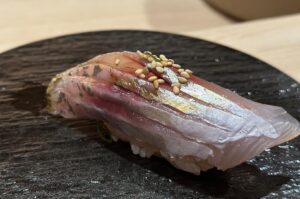
The omakase landscape in Singapore encompasses remarkable diversity, with each style offering distinct approaches to Japanese cuisine. Sushi-focused omakase represents the most traditional format, where master chefs employ centuries-old Edomae techniques to transform premium seafood into perfectly balanced nigiri.
Kappo-Style Dining
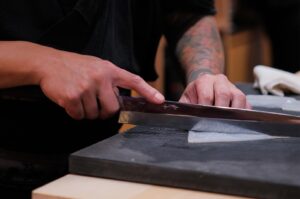
Kappo-style dining introduces theatrical presentations and seasonal kaiseki elements that transform the meal into performance art. Chefs showcase knife skills and ingredient preparation while guests observe the intricate processes that create each dish. This interactive format particularly appeals to diners seeking educational engagement alongside exceptional food.
Vegetarian Omakase
Vegetarian omakase demonstrates meatless innovation rooted in Buddhist culinary principles, proving that plant-based ingredients can achieve the same seasonal sophistication as traditional seafood-focused menus. These experiences often incorporate rare vegetables, artisanal tofu preparations, and innovative cooking techniques that elevate humble ingredients to extraordinary heights.
Beef-Centric Omakase
Beef-centric omakase presents wagyu-focused journeys that celebrate Japan’s legendary cattle breeds through various preparation methods. These specialized experiences might feature different cuts prepared as sushi, grilled preparations, and even beef-based broths that showcase the versatility of premium Japanese beef.
Sake-Pairing Experiences
Sake-pairing experiences integrate extensive sake selections with omakase progression, where each course arrives with carefully chosen pairings that enhance both food and beverage. Expert sake sommeliers guide guests through regional varieties and brewing styles that complement the evening’s culinary journey.
Understanding Omakase Pricing and Value
Evening experiences at various establishments across Singapore’s dining scene offer remarkable value when considered within the context of ingredient quality and chef expertise. Many restaurants feature omakase menus ranging in price and variety, with different sushi courses offered at various price points to cater to diverse preferences and budgets.
- Mid-range experiences ranging from $138-$218 at select venues provide excellent introductions to omakase dining without the intimidation factor of ultra-premium establishments.
- Premium omakase experiences commanding $288-$450+ at top-tier establishments justify their pricing through exceptional ingredient sourcing, master chef preparation, and intimate settings that often limit seating to fewer than ten guests.
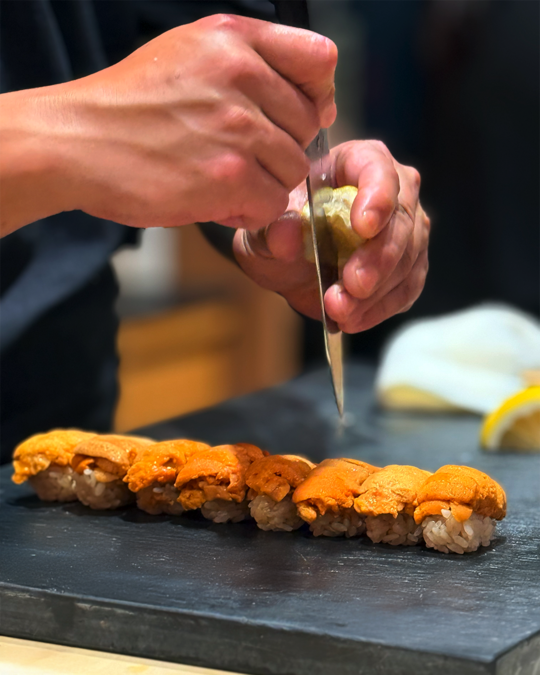
Factors affecting pricing include ingredient quality sourced directly from Japan, chef expertise often representing decades of training, and restaurant ambiance designed to enhance the contemplative nature of omakase dining. The intimate counter seating arrangements, where guests observe every aspect of preparation, require significant investment in both space design and staff training.
For diners seeking this premium omakase experience, Sushi Masa by Ki-Setsu offers several elevated evening omakase choices. Our menus typically range from $238 for the 10-piece Sushi Omakase to $328 for the more comprehensive Masa Omakase, providing a competitive entry point into high-quality, chef-curated Edomae dining.
The Art of Seasonal Japanese Cuisine
Understanding how omakase menus change with Japanese seasons reveals the profound connection between nature’s rhythms and culinary artistry.
- Spring brings sakura season inspirations with delicate cherry blossom elements.
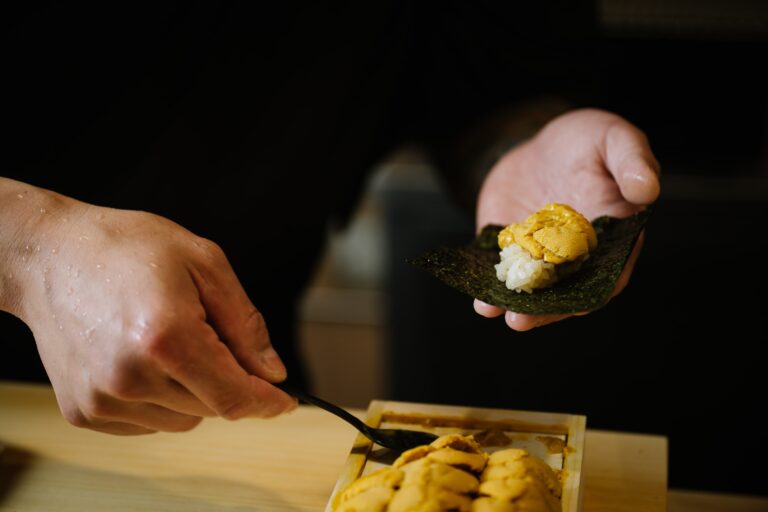
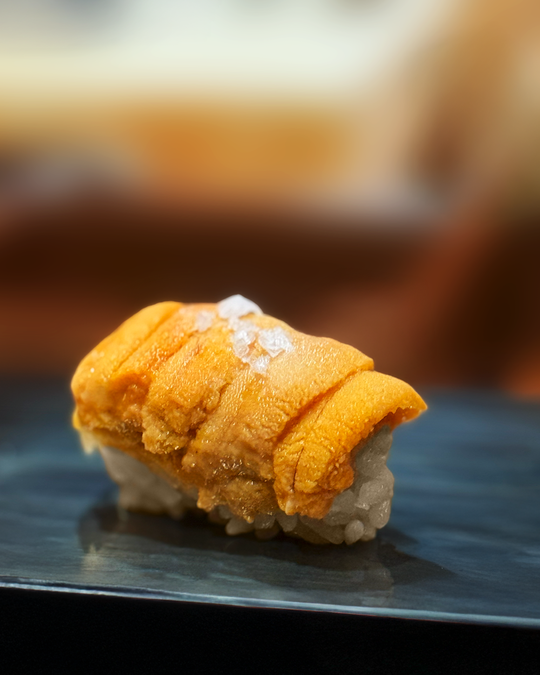
- Summer showcases premium uni (sea urchin) at its creamy peak.
- Autumn introduces prized matsutake mushrooms and returning fish varieties.
- Winter features the legendary fugu and other cold-weather specialties.
The importance of timing in omakase extends beyond seasonal availability to daily ingredient selection and menu planning. Master chefs begin each day by examining delivered ingredients, adjusting the evening’s progression based on what appears at peak quality.
Omakase Etiquette and First-Timer’s Guide
Proper omakase dining etiquette centers on respect for both the chef’s craft and the dining experience itself.
- Guests should eat each piece immediately upon presentation, trusting the chef’s seasoning and avoiding additional soy sauce unless specifically offered.
- Communication with the chef enriches the experience—asking about ingredients, preparation methods, or seasonal selections demonstrates genuine interest in the culinary journey.
- Making reservations often requires advance planning, particularly at popular establishments where seating might be booked weeks ahead.
- Dietary restrictions must be communicated during reservation, as omakase menus cannot accommodate last-minute changes without compromising the entire experience.
What to Expect
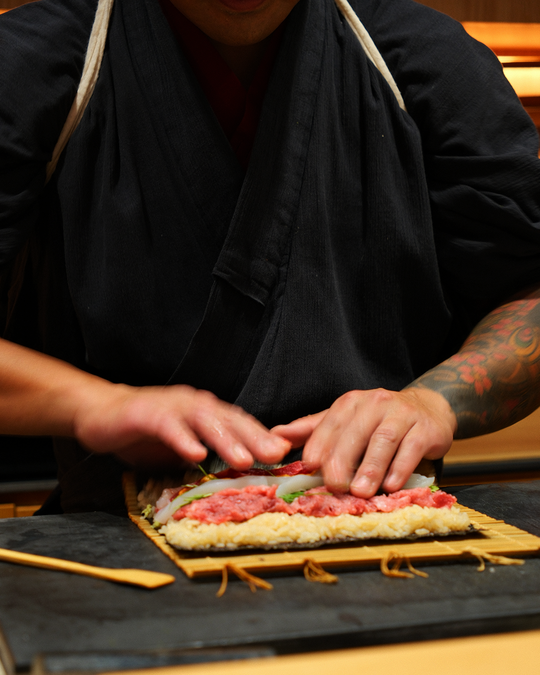
A typical omakase progression includes careful pacing designed to build flavors gradually while preventing palate fatigue.
Early courses often feature an appetiser—a key introductory dish that sets the tone for the meal by balancing flavors and showcasing seasonal ingredients—followed by delicate preparations that awaken the senses, progressing through richer flavors before concluding with satisfying rice-based dishes or traditional dessert presentations.
Sake and wine pairing options enhance omakase experiences when selected thoughtfully. Many establishments offer curated sake menu selections that complement specific courses, while others provide expert guidance in choosing beverages that support rather than overwhelm the food.
Unique Architectural and Design Elements
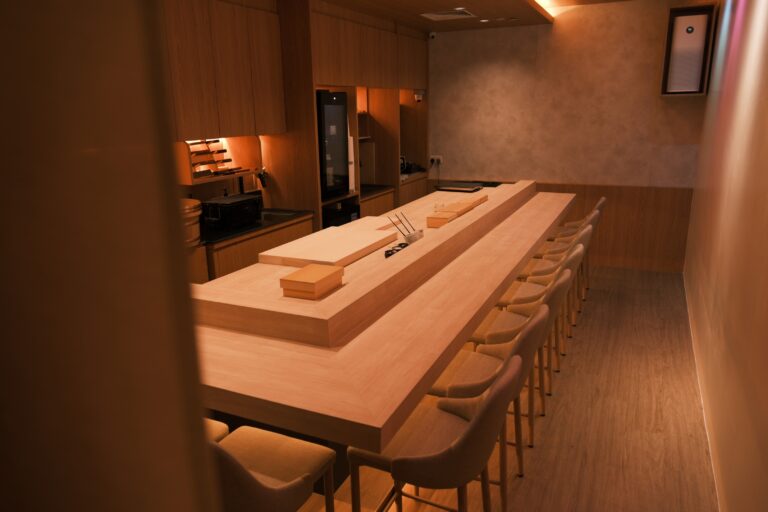
Restaurant design plays crucial roles in enhancing omakase dining experiences beyond mere aesthetics. Bamboo design elements and natural stone features at select establishments create connections to traditional Japanese architecture while supporting the contemplative mood essential to omakase appreciation.
Zen garden aesthetics and natural skylight arrangements create serene ambiance that encourages focus on the culinary experience. Light-inspired interiors with thoughtful design elements often incorporate traditional Japanese principles of minimalism and natural harmony.
Theatrical entrance experiences and performance elements at certain venues establish expectations from the moment guests arrive.
How restaurant design enhances the omakase dining experience involves careful attention to sight lines, sound management, and spatial relationships between chef and guest. The most successful designs create intimate theaters where culinary performance takes centre stage while maintaining comfort and functionality for extended dining sessions.
Intimate Counter Experiences vs. Private Dining
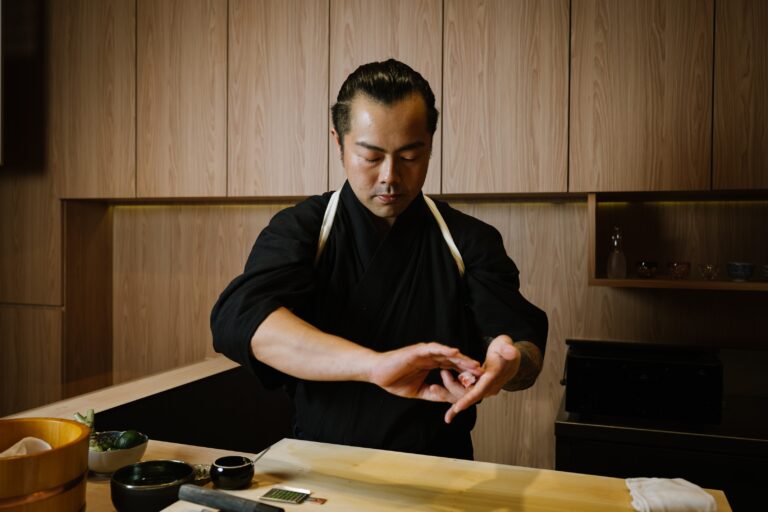
At Sushi Masa by Ki-Setsu, 8-seat counter arrangements offer the best omakase Singapore experiences through direct chef interaction and live preparation viewing that reveals every technique and ingredient handling detail. These intimate settings allow for educational dialogue while maintaining the focus necessary for appreciating subtle flavor progressions and technical expertise.
10-seat establishments create exclusive experiences that balance intimacy with slightly more relaxed social dynamics. These venues often provide compromise between counter intimacy and private dining flexibility, appealing to couples or small groups seeking shared omakase experiences without complete immersion in chef interaction.
Larger venues with flexible omakase options accommodate different dining preferences while maintaining quality standards. These establishments might offer both counter seating and private dining areas, allowing guests to choose the level of interaction and intimacy that matches their comfort levels and occasion requirements.
Beyond Sushi: Exploring Diverse Omakase Formats
Shabu-Shabu
Shabu-shabu omakase presents multi-course Sukiyaki progression that transforms hot pot dining into sophisticated culinary theater. These meals typically feature premium wagyu beef, seasonal vegetables, and handmade noodles presented in carefully orchestrated sequences that build complexity while maintaining the interactive elements that make shabu-shabu distinctive.
Tempura
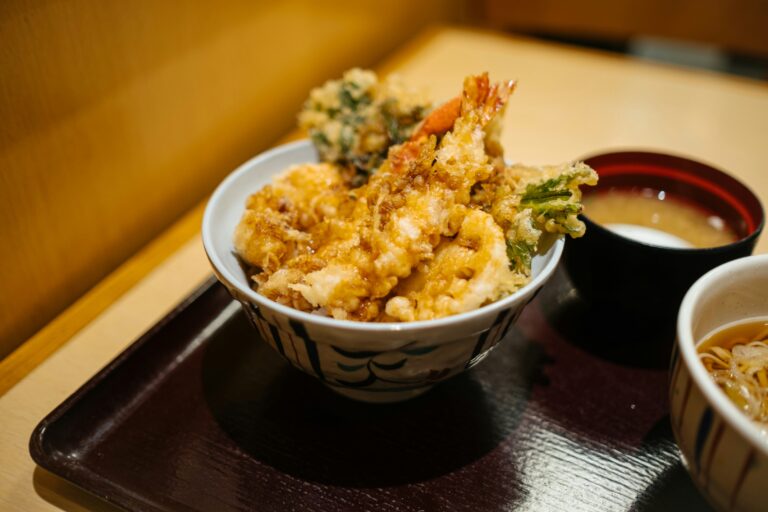
Tempura-focused experiences and combination menus demonstrate how traditional frying techniques can achieve omakase-level sophistication. Master tempura chefs employ precise oil temperature control and batter techniques that create incredibly light, crispy textures while preserving ingredient flavors. These specialized omakase meals often incorporate seasonal seafood and vegetables in combinations impossible to achieve through standard menu ordering.
Modern Interpretations
Modern interpretations featuring travel-inspired dishes represent evolving omakase concepts that maintain traditional principles while incorporating global influences. These innovative approaches might feature familiar techniques applied to non-traditional ingredients, creating fusion meals that respect Japanese methodology while embracing creative freedom.
How different omakase styles cater to various preferences and dietary needs reflects the format’s inherent adaptability. Whether featuring seafood, meat, vegetables, or combination approaches, skilled chefs can create compelling omakase meals that accommodate different tastes while maintaining the essential elements of seasonal focus and technical excellence.
Premier Omakase Destinations: Where Master Craftsmen Tell Culinary Stories
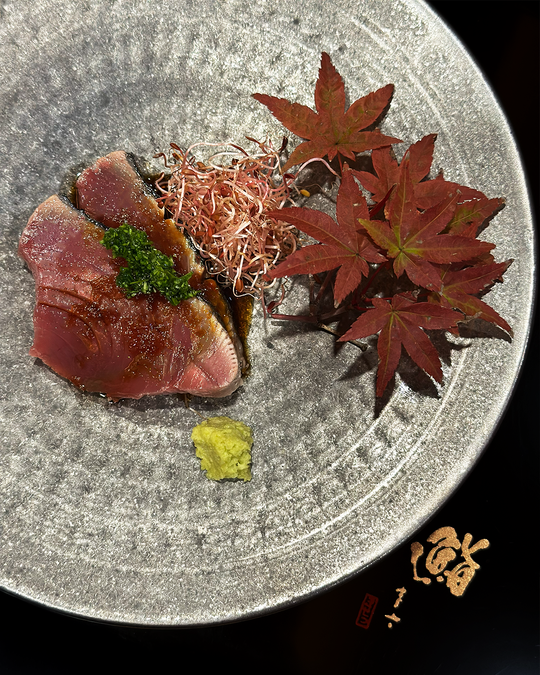
Among Singapore’s distinguished omakase venues, Sushi Masa by Ki-Setsu exemplifies the pinnacle of intimate Japanese dining through Chef Masa’s philosophy of seasonal perfection and technical mastery. Located within Cuppage Plaza—an area recognized as a significant Japanese dining enclave—this 8-seat intimate counter experience represents the essence of traditional omakase values adapted for Singapore’s sophisticated dining scene.
Sushi Masa by Ki-Setsu offers an exclusive dinner omakase, with a dinner omakase menu that showcases a curated selection of premium, seasonal ingredients and innovative courses designed to impress even the most discerning guests.
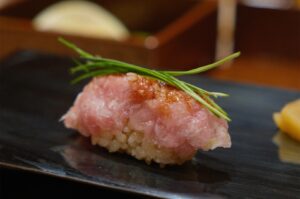
Chef Masa’s approach to seasonal omakase menus, starting from $230 and featuring up to 16+ courses of premium ingredients, demonstrates how authentic Japanese techniques can create extraordinary dining experiences outside Japan. Signature dishes often feature prized ingredients such as scallop, bluefin tuna, and uni, highlighting the chef’s commitment to quality and artistry.
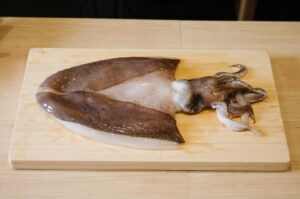
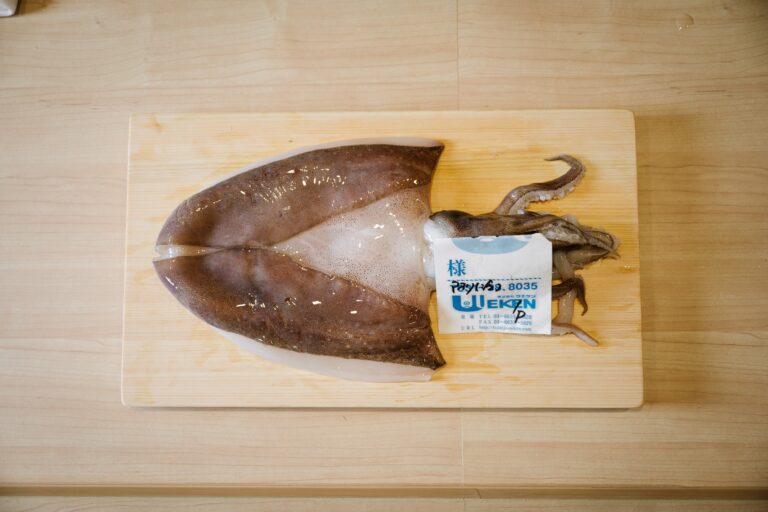
Daily preparation rituals begin each morning with careful examination of ingredients, including bluefin tuna, uni, and monkfish liver flown directly from Japan. The morning preparation hours allow Chef Masa to develop deep familiarity with each day’s ingredients, enabling the spontaneous menu adjustments that characterize authentic omakase experiences.
The reservation process reflects the restaurant’s commitment to providing personalized experiences, with dinner-only service allowing Chef Masa morning hours for ingredient preparation and menu planning. This schedule ensures that each guest receives the chef’s full attention and creative energy, rather than experiencing rushed service common in venues attempting to serve multiple meal periods. Sushi Masa by Ki-Setsu aims to impress guests with innovative dishes and exceptional service, ensuring that every visit is memorable.
Cuppage Plaza
The significance of the Cuppage Plaza location extends beyond convenience to represent Singapore’s concentration of authentic Japanese dining establishments. This area has evolved into a destination where serious Japanese food enthusiasts can explore multiple omakase experiences within walking distance, creating opportunities for comparative appreciation of different chefs’ approaches and specialties.
Notable options nearby include lunch omakase, lunch omakase menu, and lunch sets at other renowned restaurants, offering curated midday experiences at various price points.
Making the Most of Your Omakase Experience
Best times to visit involve evening service considerations that align with traditional Japanese dining customs and practical preparation requirements. When planning your visit, it is important to check the opening hours of the restaurant to ensure availability and avoid disappointment. Weekend evenings often provide more relaxed pacing, while weekday dinners might offer opportunities for extended chef interaction during quieter periods.
The world of omakase dining in Singapore offers extraordinary opportunities to experience Japanese culinary tradition at its finest, adapted for contemporary dining preferences while maintaining essential cultural authenticity.
Whether seeking affordable omakase experiences that provide gentle introductions to this distinctive format or pursuing premium dining that rivals Japan’s most celebrated establishments, Singapore’s omakase scene delivers exceptional value through committed craftsmanship, quality ingredients, and genuine hospitality.
To explore the seasonal menus and secure your reservation for an unparalleled omakase dining experience, click here: https://kisetsu.com.sg/