Many diners searching for the best sake in Singapore expect a single answer, one bottle, one label, one name to remember. The truth is quieter than that. The right sake shifts with the food in front of you.
A sake that flatters a delicate slice of madai may overwhelm the gentle sweetness of the fish it sits beside. The same bottle that lifts the deep fat of otoro might flatten against the creamy salinity of uni. There is no fixed winner. There is only what suits the moment.
At Sushi Masa by Ki-setsu, an eight-seat omakase counter tucked inside Cuppage Plaza near Orchard Road, the question is never simply which sake costs the most. It is how the sake behaves with the ingredient, the preparation, the seasoning, and the sequence of the meal. This guide is here to help you think about sake the way you might think about a course: with attention, and without haste.
Why There Is No Single Best Japanese Sake
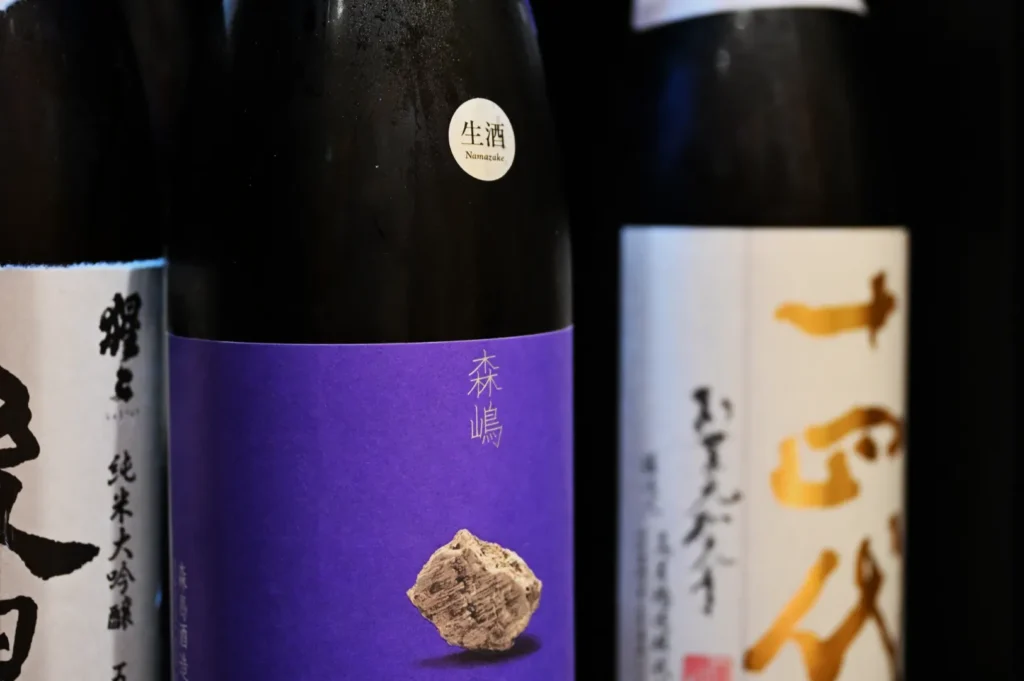
Sake resists easy ranking. Price, rice-polishing ratio, classification, and grade, brand reputation, rarity, none of these alone tells you how a sake will taste, or how it will sit against seafood.
A highly aromatic Daiginjo can be beautiful on its own. Beside a subtle white fish, its perfume may dominate. Beside a richer, seasoned course, that same aroma might find its place.
Consider the range:
- Daiginjo and Ginjo often carry floral, fruity aromatics, while junmai daiginjo is the highest grade of sake and usually signals a more refined, premium style.
- Junmai tends toward fuller body and savoury depth.
- Honjozo is frequently clean and light.
- Nama (unpasteurised) can taste fresh and lively.
- Kimoto and Yamahai often lean earthy and acidic.
- Koshu (aged) may offer nutty, mellow complexity.
These labels guide expectation. They do not guarantee one fixed flavour. Two Junmai from different breweries can taste worlds apart. This is why the best Japanese sake for any dish is a matter of assessment, not assumption.
Key Characteristics for Assessing the Best Sake
Rather than reading a label, read the sake itself: sake is a fermented rice beverage brewed to show many variations, and a few characteristics shape how it meets seafood:
- Aroma from restrained to intensely floral or fruity.
- Sweetness and dryness the impression of sugar against clean austerity.
- Acidity brightness that cuts through fat and refreshes the palate.
- Umami savoury depth that can echo or complement the sea.
- Body the weight and fullness across the tongue.
- Texture silky, crisp, or dense.
- Finish short and clean, or long and lingering.
- Alcohol warmth a gentle heat that can either lift or overpower, as sake generally sits around 15 to 17 percent alcohol.
One useful caution: the Sake Meter Value (SMV) is often read as a sweetness measure, but it does not fully determine perceived sweetness. Acidity, amino acids, yeast, and serving temperature all shape how sweet or dry a sake actually feels. About 80 percent of all sake made is Futsuu-shu, often thought of as table sake rather than premium styles. Numbers guide. They do not decide.
How Food Changes the Pairing Equation
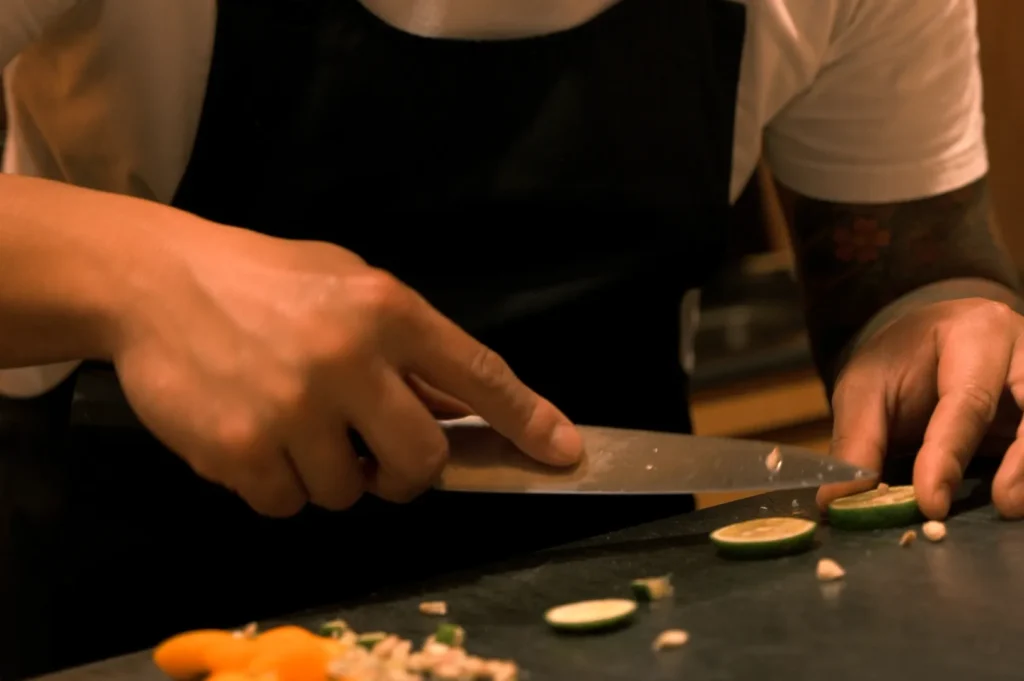
Seafood carries its own language, fat, oiliness, umami, sweetness, salinity, mineral character, texture, and length of flavour. Each shifts what a sake needs to do.
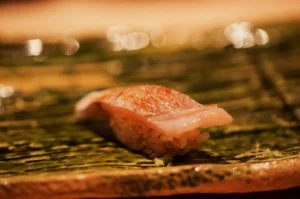
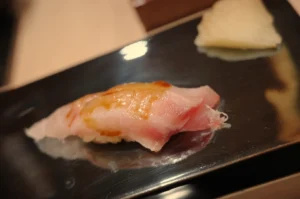
A delicate hirame (flounder) or madai (sea bream) asks for restraint. A fatty otoro invites structure and acidity. Uni brings creamy salinity; hotate (scallop) offers gentle sweetness; awabi (abalone) carries a firm, mineral chew. Ikura (salmon roe) bursts with briny richness, while saba (mackerel) brings oil and a pronounced savour. Akami, chutoro, and otoro are cuts of the same tuna, yet their differing fat levels make them behave almost like separate ingredients.
No single pairing is universally correct. The goal is balance, matching intensity to intensity, and letting neither the sake nor the seafood disappear.
Different Types of Sake
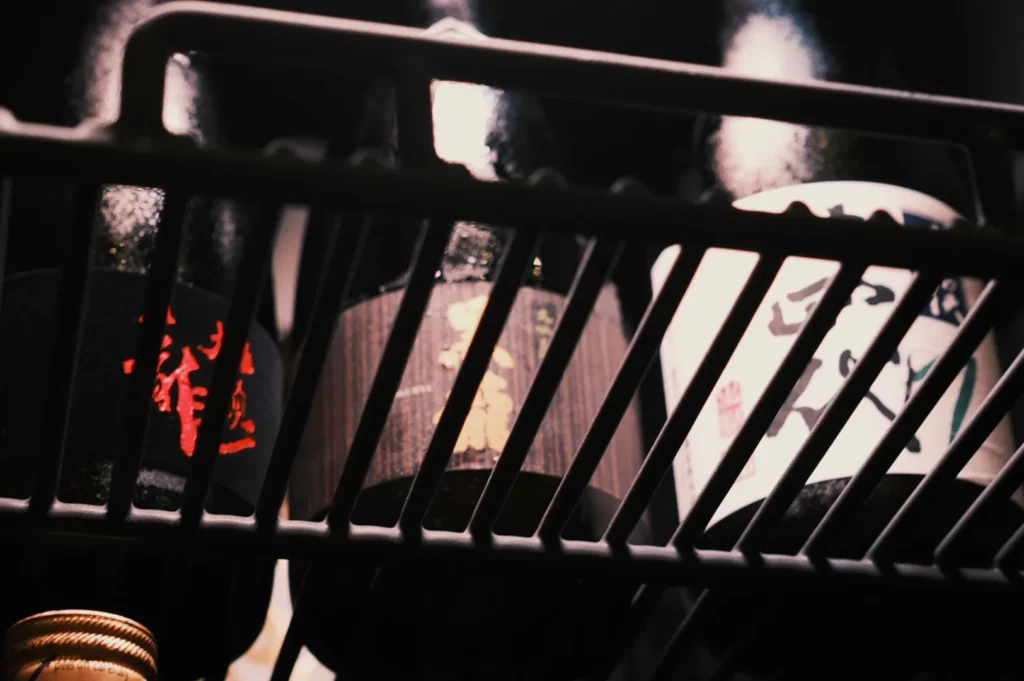
Understanding the different types of sake is essential for selecting the best sake to complement your meal. Beyond junmai, junmai daiginjo, and brands like Sho Chiku Bai, sake varieties include honjozo, ginjo, nama (unpasteurized), and koshu (aged sake). Each type offers unique characteristics in aroma, sweetness, acidity, and body. For example, ginjo sake often has a fresh, floral profile, while koshu provides nutty, mellow complexity.
Small breweries across Japan, including those in Hyogo Prefecture, produce these diverse styles, contributing to sake’s rich tapestry. Whether you sip sake warm or chilled, understanding these different types enhances your dining experience, especially when paired thoughtfully with seafood dishes in restaurants or enjoyed with friends.
For more detailed information, many sake websites offer guides and tasting notes to help enthusiasts and novices alike avoid missing out on the nuances of sake.
Junmai Sake
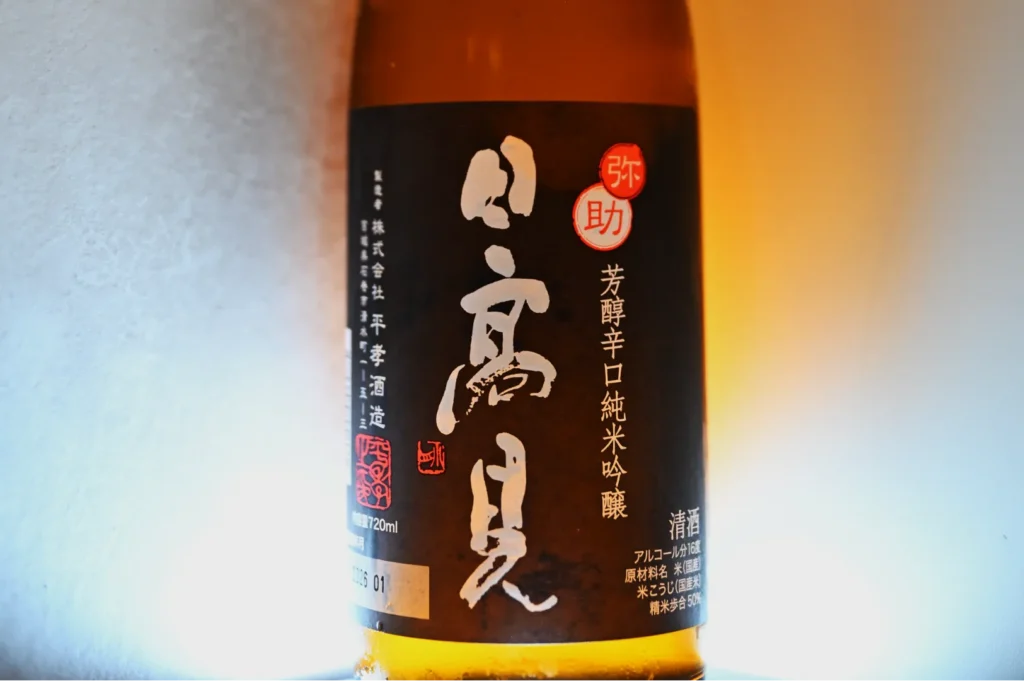
Junmai sake is a traditional style of sake brewed using only rice, water, yeast, and koji mold, without any added alcohol. It tends to have a fuller body and richer umami, making it a popular choice for pairing with a variety of seafood and Japanese dishes.
Originating from breweries across Japan, including those in Hyogo Prefecture, junmai sake often carries a clean yet complex profile with a subtle sweet side balanced by acidity. This type of sake is versatile and can be served chilled, room temperature, or warm, depending on the dish it accompanies. The majority of sake drinkers appreciate junmai for its balance and depth, making it a frequent sign of quality on many sake websites and menus in restaurants specializing in omakase.
Sho Chiku Bai
Sho Chiku Bai is a well-known brand representing a small brewery tradition with a long history of producing approachable and affordable sake. It offers different types of sake, including junmai and junmai ginjo, catering to both newcomers and seasoned sake lovers.
Sho Chiku Bai sake often features a smooth texture with a gentle sweetness and a clean finish, making it easy to sip alongside various dishes. Its popularity in restaurants is notable, as it pairs well with both delicate and richer seafood courses. For those seeking an entry point into sake, Sho Chiku Bai provides an accessible sign of quality without the premium price tag, often found on sake websites and in sake bars across Singapore.
Junmai Daiginjo
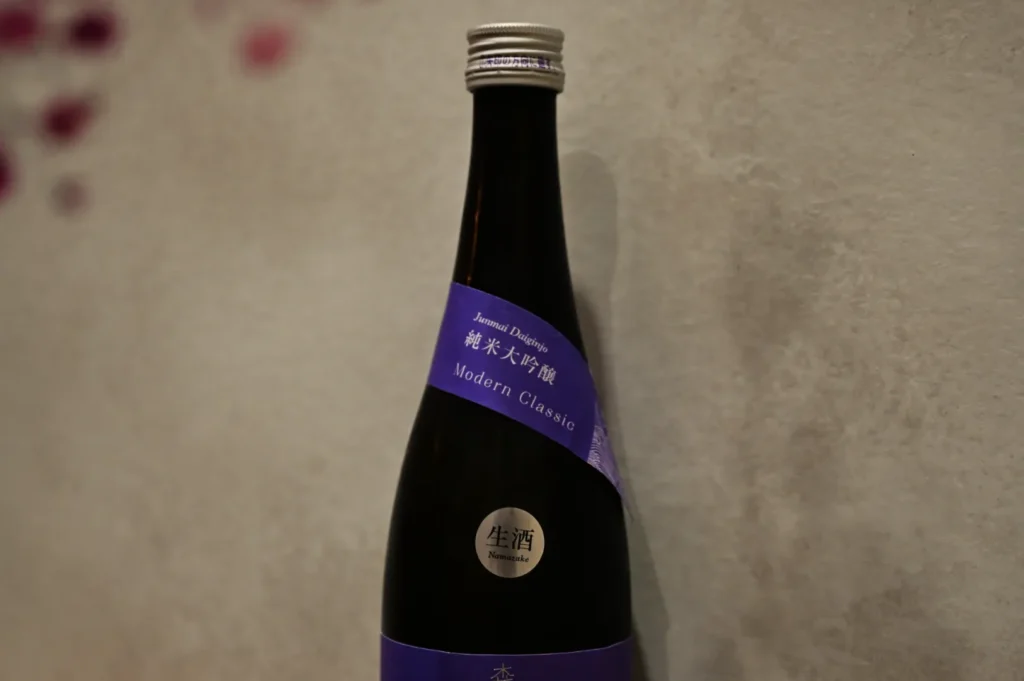
Light, subtle fish reward a sake that does not crowd them. Look for controlled aroma, a clean finish, moderate body, balanced acidity, and gentle umami; for example, a mild junmai sake served cold often works well with delicate white fish. Served at a considered temperature, such a sake supports the fish rather than competing with it.
Keep in mind that seasoning changes everything. A squeeze of citrus, a brush of soy, a pinch of salt, or the warmth and vinegar of sushi rice can all shift the pairing. What suits plain sashimi may not suit the same fish as nigiri, so notice how slightly warmer or cooler serving changes the aroma and flavor.
Sake for Delicate White Fish
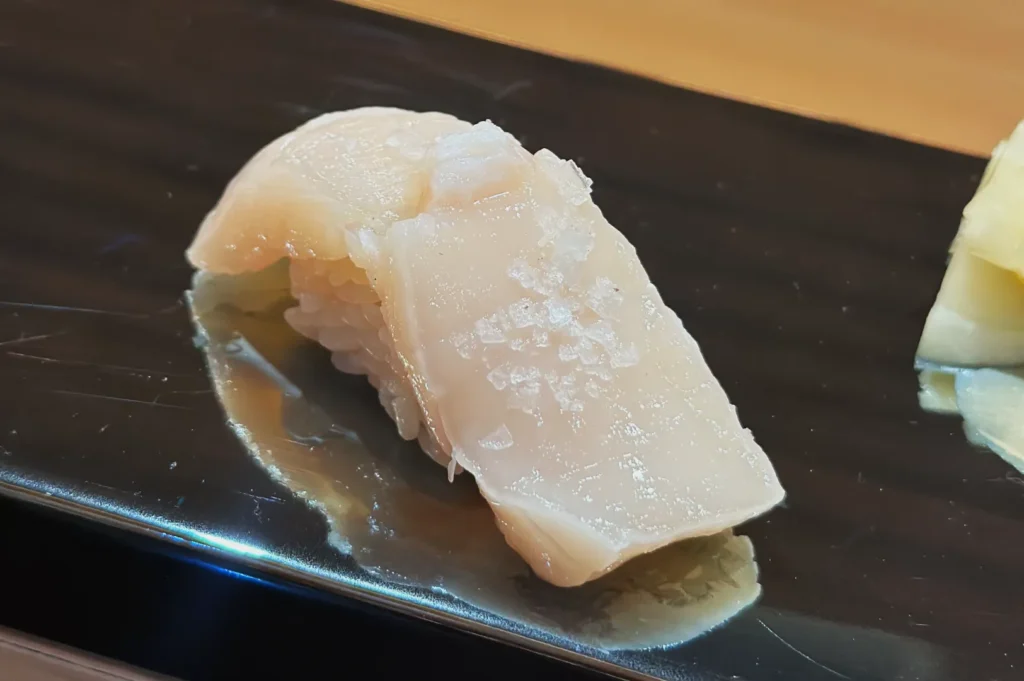
Light, subtle fish reward a sake that does not crowd them. Look for controlled aroma, a clean finish, moderate body, balanced acidity, and gentle umami; for example, a mild junmai sake served cold often works well with delicate white fish. Served at a considered temperature, such a sake supports the fish rather than competing with it.
Keep in mind that seasoning changes everything. A squeeze of citrus, a brush of soy, a pinch of salt, or the warmth and vinegar of sushi rice can all shift the pairing. What suits plain sashimi may not suit the same fish as nigiri, so notice how slightly warmer or cooler serving changes the aroma and flavor.
Sake for Tuna and Rich Fish
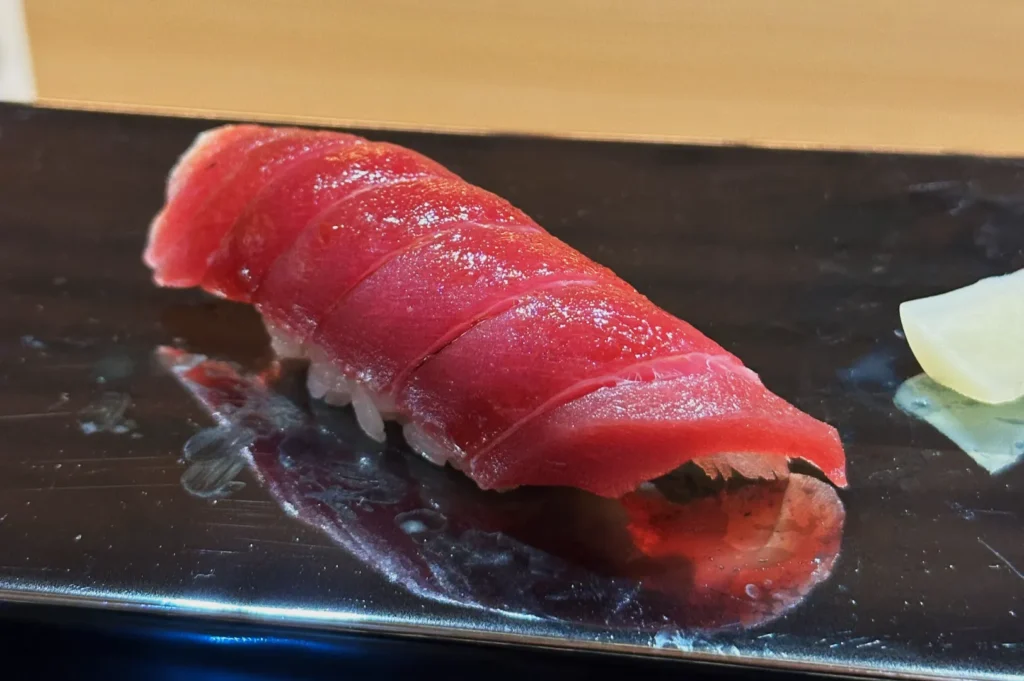
Tuna asks more of a sake. Leaner akami may sit comfortably beside a clean, moderately structured pour. As fat increases through chutoro to otoro, a smooth, medium body becomes more valuable, cutting through richness and refreshing the palate.
Preparation matters as much as the cut. A soy marinade (zuke), a light sear, or added fat all raise the intensity of the dish. Richer, more savoury sake often meets these preparations well, and some pairings work especially well because high acidity can cut through fat, though the balance always depends on the specific plate.
Sake for Uni, Shellfish and Roe
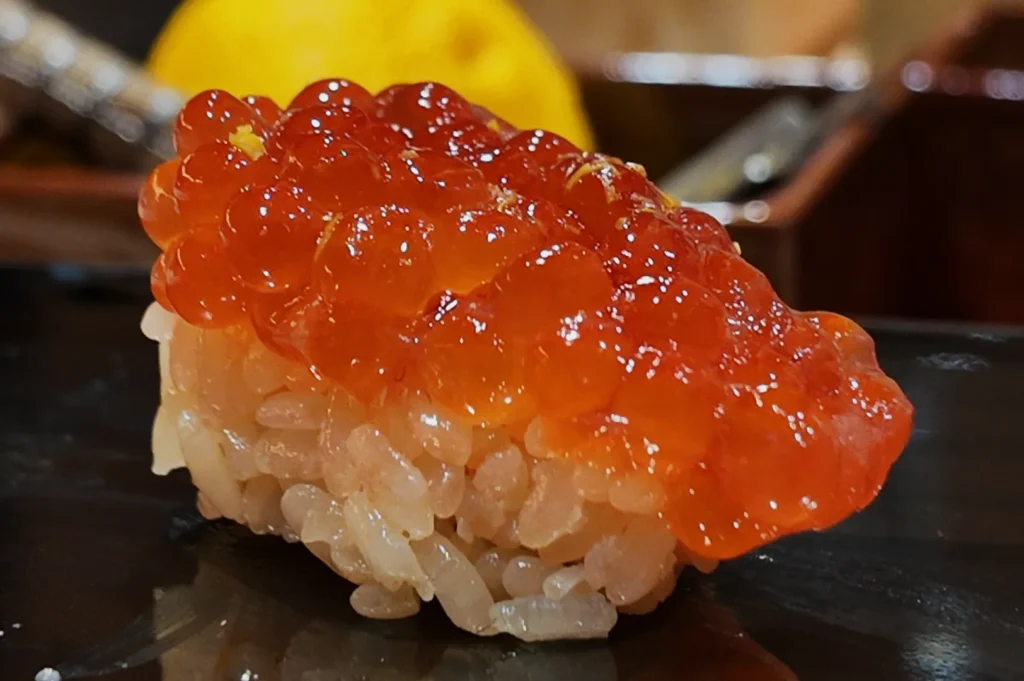
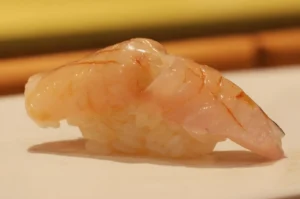
Uni is sea urchin, not fish, an echinoderm with a soft, creamy texture and a salinity that speaks directly of the sea. Shellfish such as awabi, crustaceans like amaebi and botan ebi, molluscs like hotate, and roe such as ikura each behave differently, so they should not be treated as one group.
These ingredients are often delicate in aroma but rich in texture. A sake that is too aromatic, too sweet, too complex, or too warm with alcohol can easily dominate them, and fruity notes like banana can overwhelm uni and roe in particular. Here, restraint and clean acidity tend to serve the seafood better than intensity.
Sake for Grilled and Cooked Courses
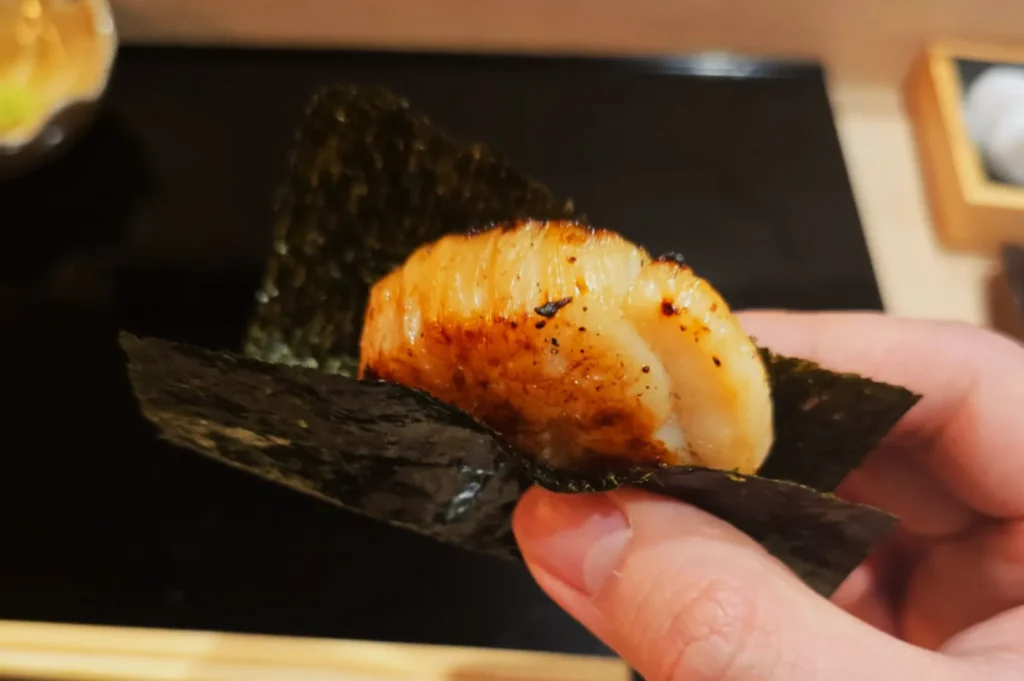
Heat changes the equation. Grilling over binchotan, searing, browning, and the addition of miso, dashi, or sauce all deepen and intensify flavour.
Cooked and seared courses can stand up to fuller-bodied, savoury, or earthy sake, styles such as Junmai, Kimoto, or Yamahai. Gently warmed sake may also suit these dishes, matching their warmth and weight. This is pairing logic, not a fixed rule.
How Serving Temperature Affects Drinking Sake Pairing
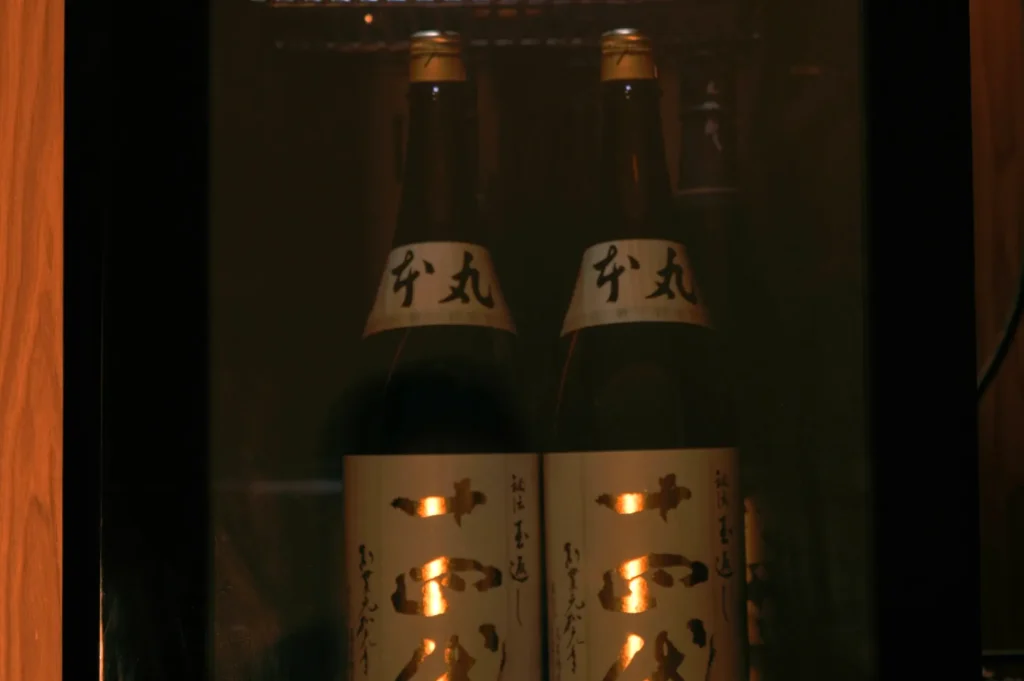
Temperature is not a detail. It reshapes the sake in the glass.
Some premium styles show best when served cold, feeling crisp and precise while tightening aroma and sharpening acidity. Room temperature can open aromatics and soften edges, and with warmer service you may notice different flavours opening up. Gently warmed sake can expand body, umami, and texture, while releasing alcohol warmth, and aged bottles at the right temperature can behave more like wine or even whiskey.
Warm sake is not lesser sake, and chilled is not automatically superior. Temperature should be chosen alongside the food, not decided in isolation.
Sake Across an Omakase Progression
An omakase meal moves with intention and so can the sake beside it. A progression might travel:
- From delicate to rich
- From light to full-bodied
- From raw to cooked
- From chilled to warmer service
- From clean finishes to longer, savoury ones, ending with aged sake
Koshu refers to aged sake and is less common today, but it can suit later savoury courses.
The sake that opens the meal, bright and restrained beside white fish, may feel thin later against seared or fatty courses. Thinking across the whole sequence, rather than course by course in isolation, leads to more considered pairings.
The Sushi Masa Perspective
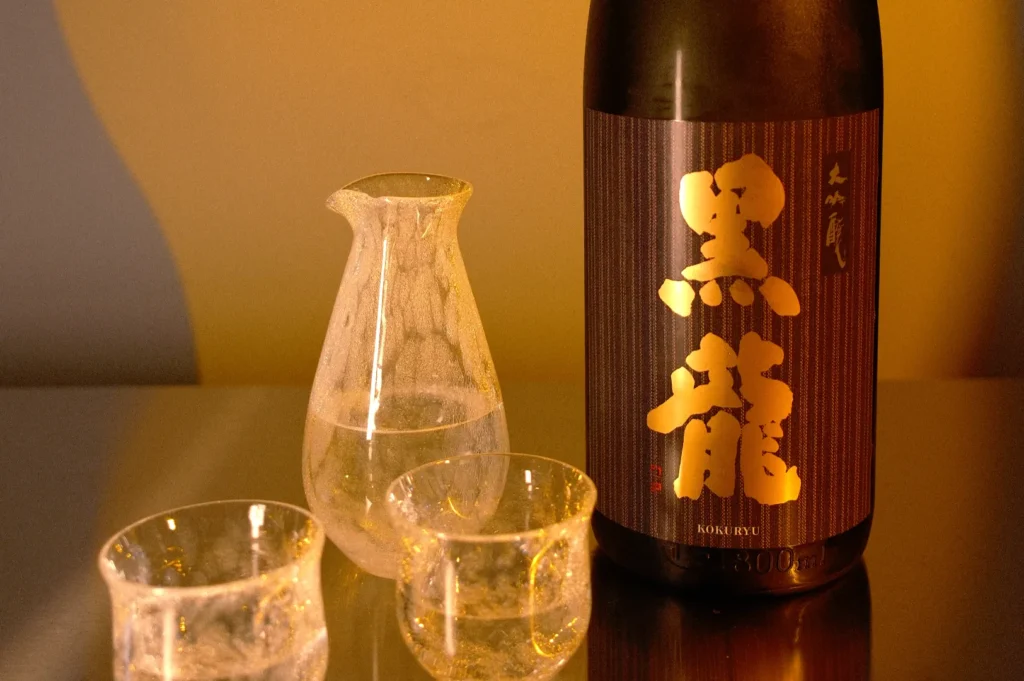
At Sushi Masa by Ki-setsu, the most useful way to think about sake is not by prestige alone, but by how it supports seafood, seasonality, preparation, temperature, and the rhythm of the omakase meal.
The counter holds eight seats. Dinner only. Seasonal seafood arrives from Japan, and Chef Masa Nakano Masayuki, with more than sixteen years in Japanese cuisine, works within arm’s reach of every guest. In a room this small, the conversation between food and drink is close, direct, and unhurried. Sake is not an accessory here. It is part of the same seasonal logic that guides the fish.
How to Choose the Best Sake in Singapore
When you are deciding, a simple framework helps more than any label:
- What are you eating? Name the ingredient and its cut. Sake can also work with chinese dishes, not only Japanese courses, if you match intensity carefully.
- Is the dish delicate or rich? Match intensity to intensity.
- Is it raw or cooked? Heat and searing call for more body.
- Is the seasoning light or strong? Citrus, soy, miso, and dashi all shift the balance.
- Is the sake aromatic or restrained? Protect delicate flavours; support bold ones.
- Is the sake light or full-bodied? undiluted sake can suit heartier dishes because of its richer profile.
- Chilled or warm? Choose temperature with the food in mind.
- One course, or the whole meal? Think across the progression.
Ask these questions and the choice becomes clearer, not perfect, but considered. great sake often comes from understanding the brewery and how the bottle was brewed, not just the label.
Conclusion
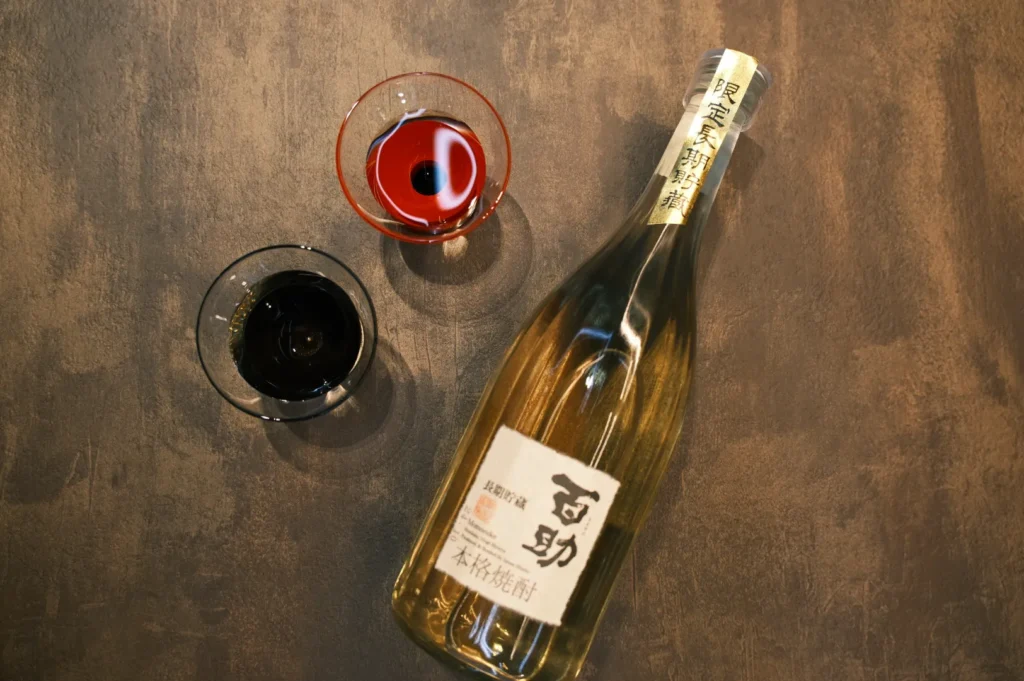
The best sake is not the most expensive bottle, nor the most highly polished rice. The best Japanese sake for omakase is the one whose aroma, acidity, umami, body, texture, and temperature suit the food in front of you and the stage of the meal you have reached.
Pairing is a practice of attention, not a search for a single answer. At Sushi Masa by Ki-setsu, that attention sits quietly at the heart of a seafood-focused omakase in Cuppage Plaza, course by course, season by season.