Patience defines the difference between a good meal and a memorable one. In many sushi restaurants in Singapore, speed drives the experience. Orders move quickly, menus stretch wide, and efficiency becomes the priority. Yet, the best sushi place follows a different standard. It slows down. It refines. It allows time to shape the outcome.
At Sushi Masa by Ki-Setsu, we believe that sushi, at its highest level, depends entirely on timing. From the moment fresh seafood is sourced to the second a piece of nigiri sushi is placed before a guest, every step reflects control. Without patience, the craft loses its depth.
The Best Sushi Place Begins Long Before Service
Quality does not begin at the counter: it starts at sourcing and continues through preparation. Fresh seafood, often misunderstood as something to serve immediately, requires time to reach its peak.
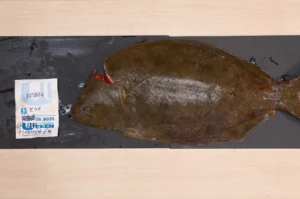
After harvest, fish undergoes a natural process where enzymes break down muscle fibres. This softens texture and deepens flavour. Serving fish too early results in firmness and a lack of complexity.
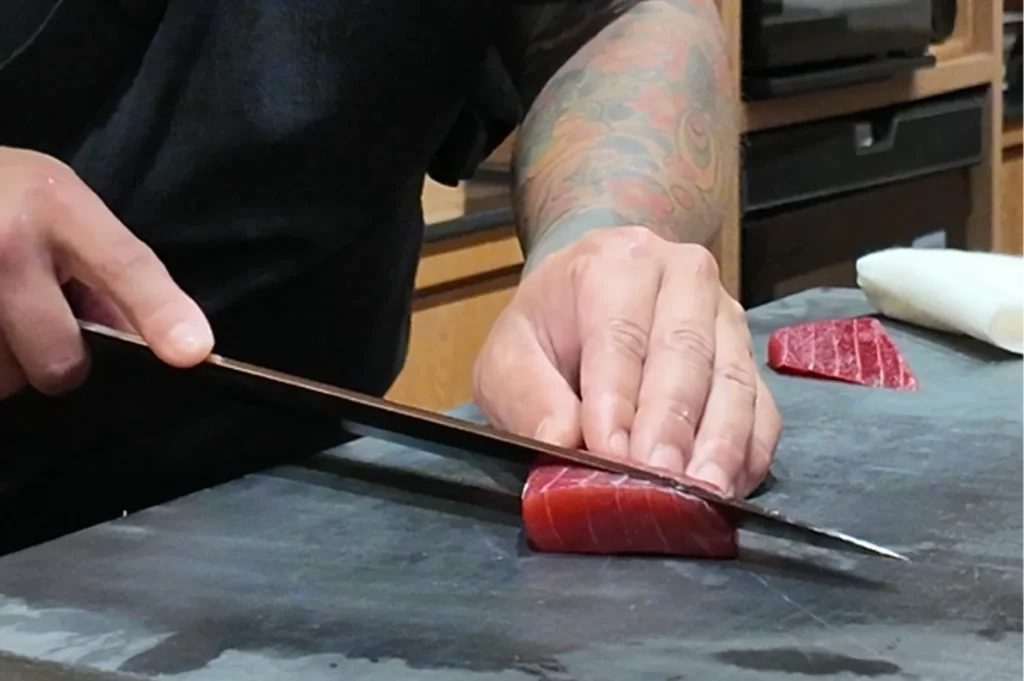
The best sushi restaurants in multiple locations understand this balance. Some fish are served within hours. Others are aged carefully under the watchful eye of Chef Masa. Each decision depends on the nature of the ingredient, not convenience. Fresh sashimi reflects this discipline. A well-timed slice carries clarity, structure, and depth. It shows restraint rather than haste.
Our commitment to this process is why we only open for dinner, allowing our chef the entire day to ensure every ingredient has reached its absolute prime.
Fresh Sushi Relies on Precision, Not Speed
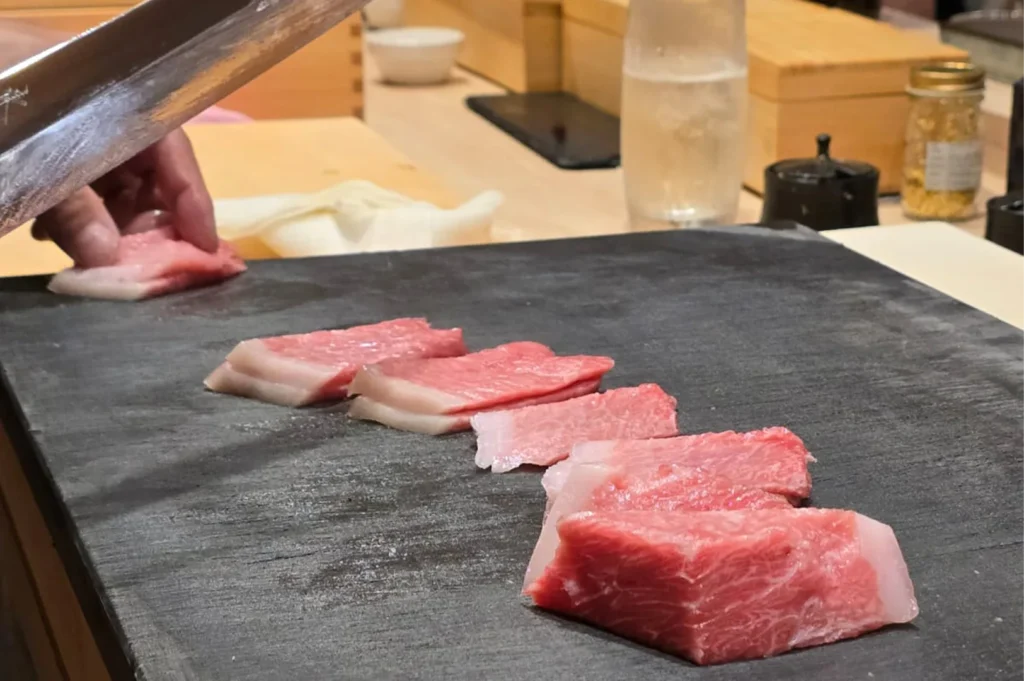
Fresh sushi appears simple, yet every detail requires attention. Rice must be at the right temperature. Vinegar must be balanced. The pressure used to shape each piece must remain consistent. In many sushi restaurants, large sushi platters and extensive sushi roll selections prioritise volume. This approach creates variety but often sacrifices control.
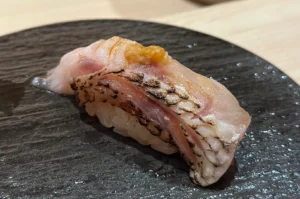
The best sushi place focuses on pieces prepared individually. Each piece of nigiri sushi is formed at the moment of service. Fish is sliced just before it reaches the plate. This ensures texture and temperature remain intact. Edomae sushi techniques reinforce this approach. Methods such as curing, marinating, and light searing, as seen in aburi sushi, require careful timing.
Why the Best Sushi Restaurants Focus on Process Over Variety
A wide menu often signals convenience rather than depth. Many establishments present extensive selections of sushi rolls, assorted sashimi, and various Japanese dishes. While this offers choice, it can dilute attention. The omakase restaurant model removes this distraction. Guests place trust in the judgement of the chef. The experience becomes guided rather than chosen.
An omakase menu unfolds with intention. Each course arrives at the right moment, allowing flavours to build naturally. The pacing encourages focus. Guests engage with each piece rather than rushing through a sequence. This structure reflects a deeper principle.
Patience shapes not only preparation but also the way the meal is experienced. By offering purely seafood-based omakase sets, we ensure that the narrative of the meal remains elegant and focused.
Affordable Sushi and the Question of Value
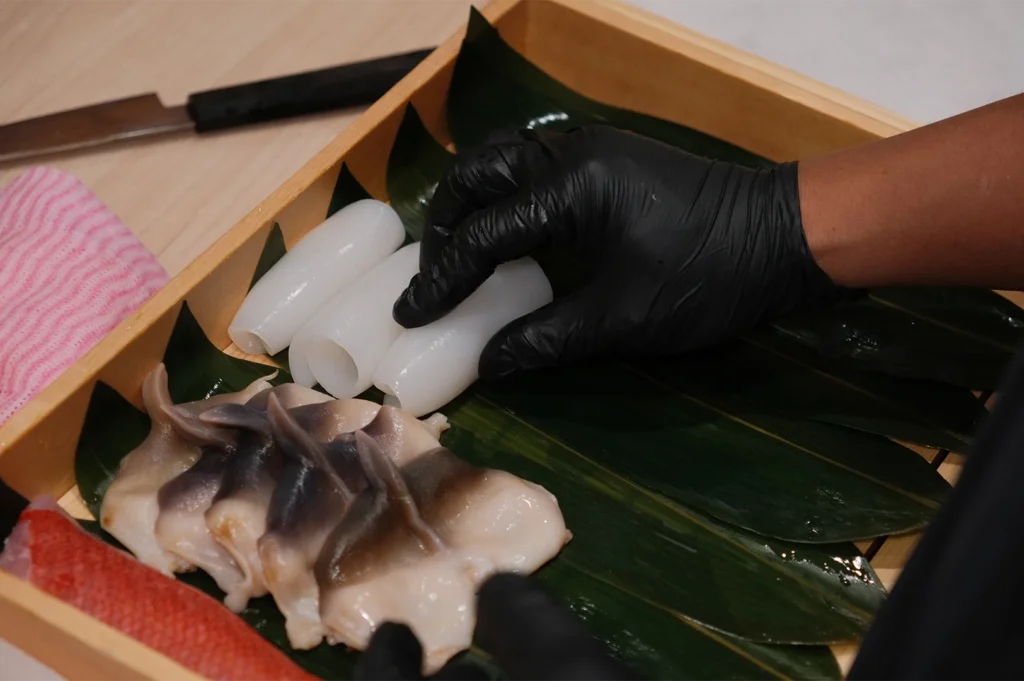
Affordable sushi often depends on efficiency. Ingredients are prepared in advance. Assembly becomes routine. This reduces cost but also limits refinement. The best sushi restaurants define value differently. They prioritise the integrity of each component and deliver premium sushi even at reasonable prices.
Premium ingredients, such as fatty tuna and sea urchin, require careful handling. Temperature, slicing technique, and timing all influence the result. Without attention, even the finest ingredients fall short.
Japanese cuisine, at its core, values balance. Quality is not measured by quantity, but by how well each element is handled. At Sushi Masa by Ki-Setsu, we do not serve meat or tempura, as these can distract from the delicate nuances of high-grade seafood sourced from Toyosu.
Japanese Food Is Rooted in Timing
Patience extends beyond sushi into the broader philosophy of Japanese cuisine. Flavours develop gradually. Nothing is forced. Courses are structured to guide the palate. Lighter notes appear first. Richer flavours follow. This progression allows each dish to stand on its own while contributing to the whole.
At the beginning of the meal, we serve a clean dashi soup or light stock. This prepares the senses for the journey ahead. Miso soup, often served towards the end, reflects a more robust approach. Prepared with clams, it develops depth as it cooks. Its placement is deliberate, offering a warm and balanced close to the meal. Timing here is not incidental: it is intentional.
Handmade Sushi and the Role of a Single Chef
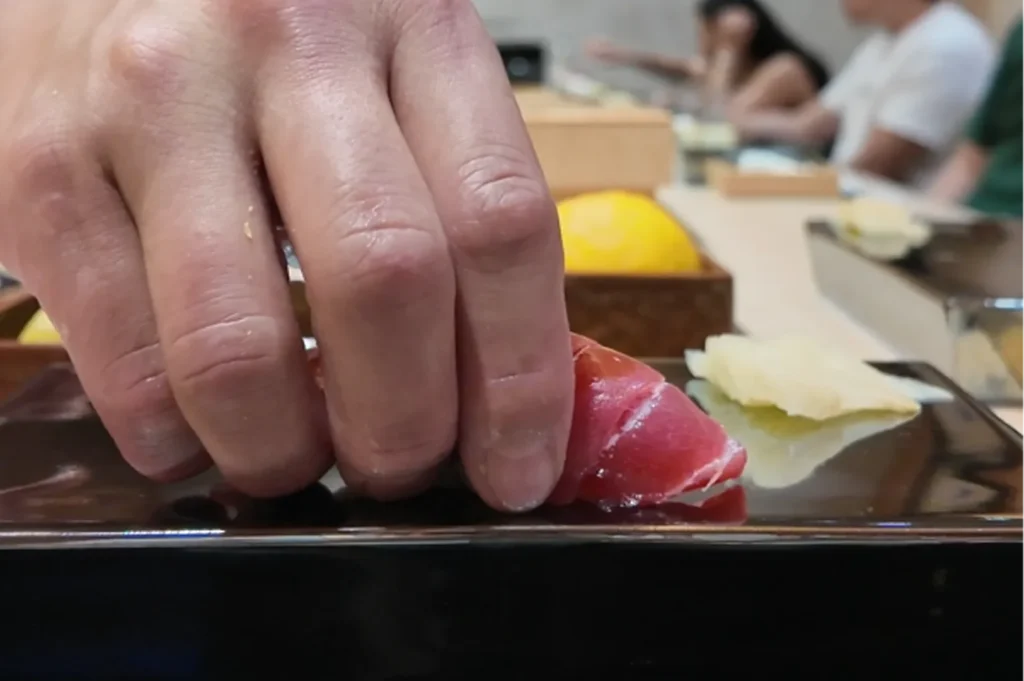
Consistency relies on control. When multiple hands prepare food, variation becomes inevitable. In a more focused setting, a single chef oversees every detail. With us, every piece of sushi follows the same standard because it is crafted solely by Chef Masa. Timing remains consistent. The experience feels cohesive.
This approach also shapes the pace of service. Dishes are presented when ready, not according to a fixed schedule. Guests move through the meal at a natural rhythm. Such control defines many of the best Japanese restaurants. It creates a direct connection between preparation and experience, ensuring that every guest receives the full expertise of our chef.
Fresh Seafood Require More Than Freshness
Fresh ingredients form the foundation, but they do not guarantee excellence. The transformation from raw fish to exquisite sushi involves multiple stages. Ageing enhances flavour. Seasoning refines balance. Technique shapes texture.
Fresh seafood flown under strict conditions still requires careful handling before it reaches the plate. Each step adds value. This process separates ordinary sushi from premium sashimi. It shows how time influences outcome. We take pride in the fact that our ingredients are handled with the utmost respect, maintaining the standards expected of a premier establishment.
The Experience of Patience at the Sushi Bar
Patience is often felt rather than seen. Guests notice it through the flow of the meal. In fast-paced environments, dishes arrive quickly, but the experience can feel fragmented. There is little time to reflect or appreciate.
In a more deliberate setting, the pace slows. Each course arrives with intention. Guests have space to engage with flavour, texture, and detail. This becomes especially meaningful during special occasions. A measured rhythm encourages conversation and connection. The meal becomes more than a sequence of dishes. It becomes a memory.
Why the Traditional Japanese Cuisine Never Rushes
The best sushi place does not treat patience as optional: it treats it as essential. Every decision, from handling fresh sashimi to shaping nigiri sushi, reflects timing. Without it, quality declines.
Sushi Masa by Ki-Setsu follows this principle through a focused premium omakase experience. Each course is prepared by Chef Masa with careful attention to timing, technique, and ingredient integrity. The approach remains quiet and controlled, allowing the craft to speak for itself. We believe that by limiting our capacity and focusing on a dinner-only model, we preserve the soul of Japanese hospitality.
Taste Signature Dishes with Exceptional Quality
Sushi is often described as simple. Rice and fish, shaped by hand. Yet, within this simplicity lies precision. Patience allows each element to reach its full potential. It transforms fresh ingredients into something more refined. It shapes not only flavour, but also the experience itself.
The best sushi restaurants understand this deeply. They do not rush to impress. They build trust through discipline, consistency, and time. For those seeking a more thoughtful approach to Japanese cuisine, the difference becomes clear. When time is respected, every bite carries intention.
Experience quality sushi in Singapore by checking out our dinner menu here.