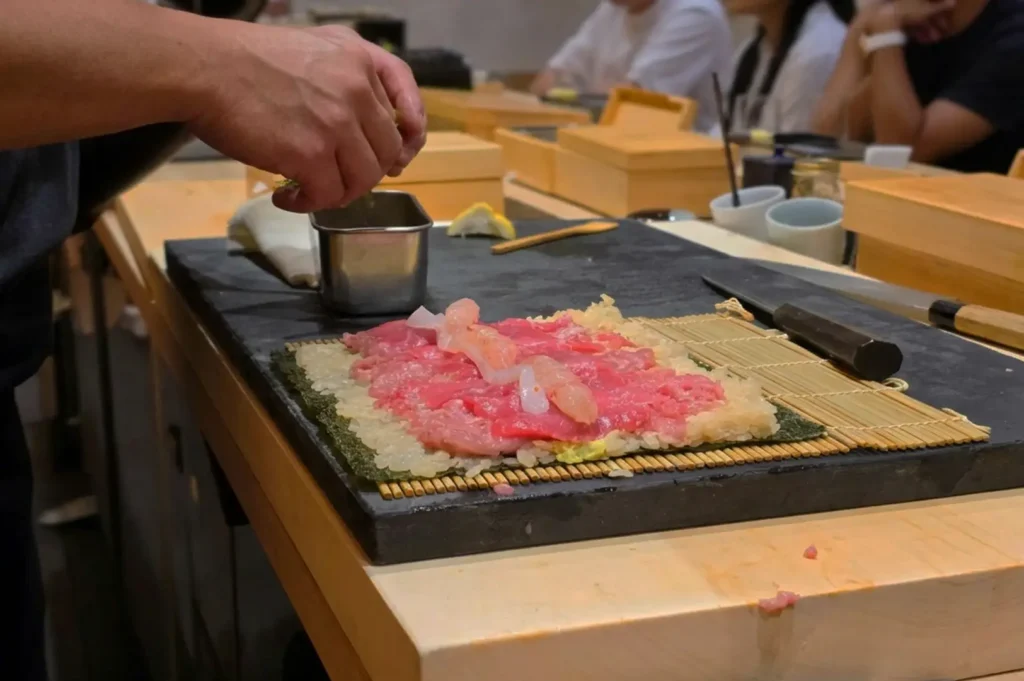
Finding the best sushi in Singapore is not simply about choosing the most expensive restaurant or ordering the largest sushi platter. A memorable piece of sushi depends on the quality of the fish, the balance of seasoned rice, the chef’s technique and, often, the moment it is served.
At Sushi Masa by Ki-setsu, a discreet eight-seat sushi restaurant on Level 6 of Cuppage Plaza, Chef Masa brings these details together in a seasonal Japanese omakase dinner. Seafood flown in from Japan, including produce sourced through Tokyo’s Toyosu Market, shapes the evening’s menu. Guests watch as each piece of nigiri sushi is prepared across the counter, one at a time.
Singapore offers everything from affordable sushi chains to intimate counters devoted to traditional Japanese cuisine. This guide explores what separates good sushi from exceptional sushi, how different restaurants suit different occasions, and why the craft behind Sushi Masa’s seasonal menu makes a visit worth considering.
The Heart of Japanese Culinary Tradition: A Philosophy of Seasonality
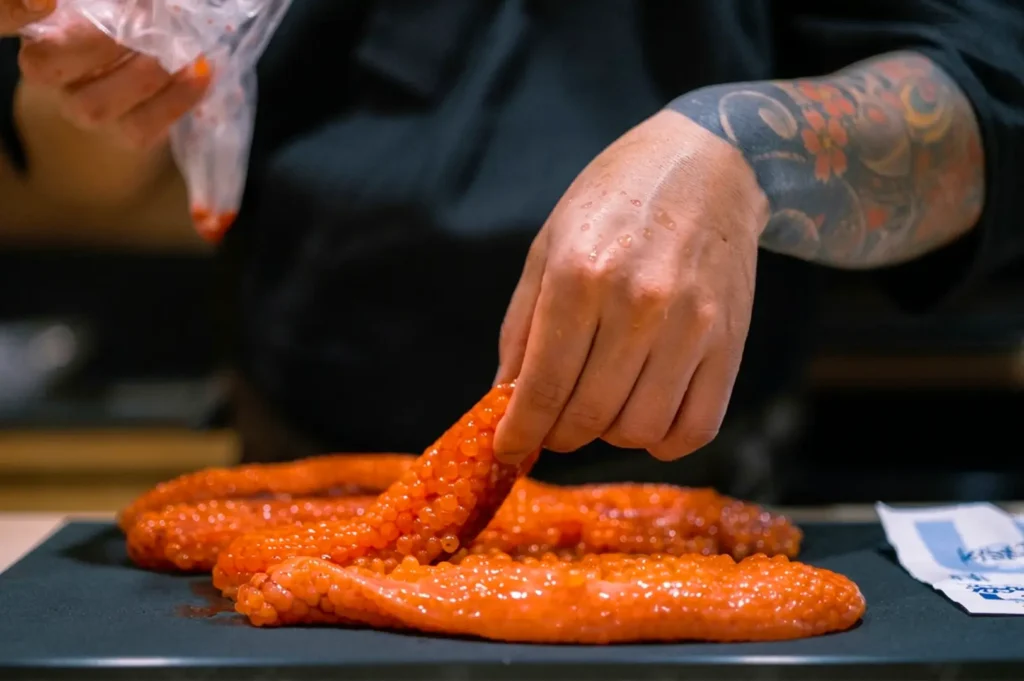
In Japanese cuisine, shun refers to enjoying quality ingredients when their qualities are at their seasonal peak. For a sushi chef, that means looking beyond a familiar list of salmon, tuna and prawns. Different fish are prized at different times of year for their fat content, texture and flavour.
At Sushi Masa, the menu changes with the seafood available that day. Chef Masa selects ingredients for how they will work together across the dinner, from delicate appetisers, fresh sushi and fresh sashimi to cooked seafood, nigiri, soup and dessert. The emphasis is on expressing the individual character of each ingredient, rather than repeating the same sushi sets every night. That is why there are so many big fans of Sushi Masa in Singapore. Read the Google Reviews to understand.
Fresh Seafood from Tokyo’s Toyosu Market
Good fish begins with responsible sourcing and careful handling. Toyosu Market is a major centre for Japanese seafood, connecting specialist buyers with catches from different regions of Japan. But a famous market name alone cannot guarantee an outstanding meal; shipping, storage, preparation and the chef’s judgment all matter.
Sushi Masa receives premium ingredients flown in from Japan for its dinner service. This sourcing approach gives Chef Masa the flexibility to select high quality seafood according to season and availability. The day’s catch may inspire a light white-fish course or a richer sequence of tuna nigiri.
Because the restaurant serves dinner only, the daytime hours are devoted to ingredient receiving and preparation. Guests do not select from a fixed display of fish. They discover Chef Masa’s choices as the evening unfolds.
Fresh Sashimi Before the First Piece of Sushi
Sashimi and sushi are related, but they reveal different aspects of the same ingredient. Fresh sashimi allows diners to appreciate the natural texture and taste of carefully handled raw fish without rice. Sushi adds the acidity, warmth and structure of shari, or seasoned sushi rice.
At Sushi Masa, sashimi may appear early in the omakase progression before the nigiri begins. A delicate white fish can offer a clean, firmer bite, while a richer cut of tuna produces a softer mouthfeel. Even guests who usually order assorted sashimi or premium sashimi platters may notice new differences when individual pieces are served in a considered sequence.
The specific fish changes daily. The season, not a fixed list of favourites, guides the selection.
Meticulous Craftsmanship: What Makes Exquisite Sushi?
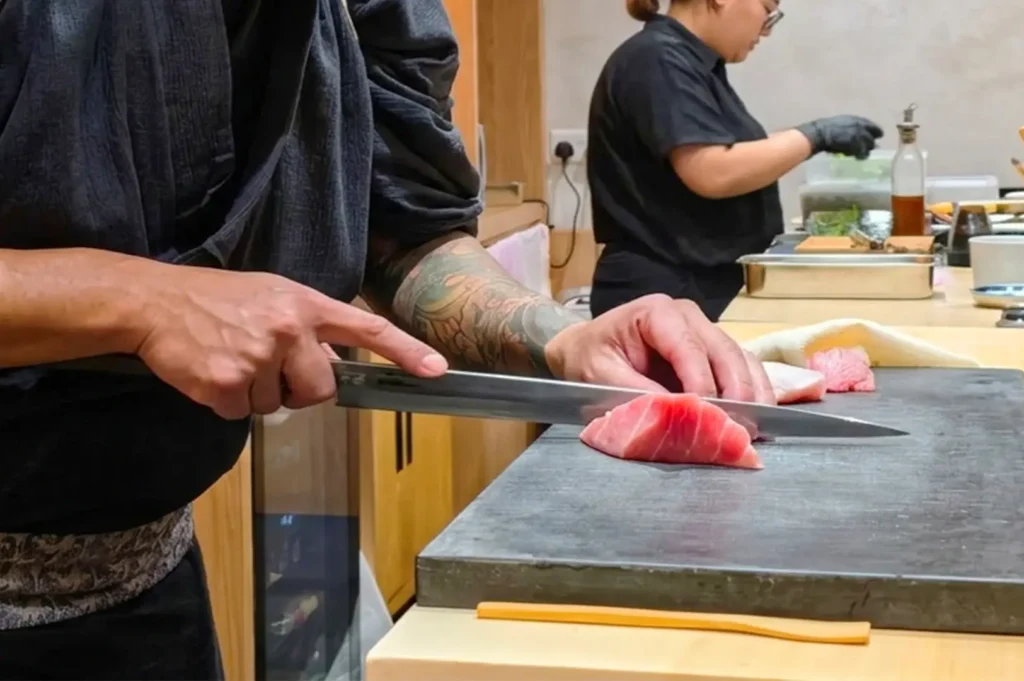
Premium ingredients are only the beginning. The balance between fish and rice, the pressure of the chef’s hands and the timing of service can turn two apparently similar pieces of sushi into noticeably different experiences.
Why Seasoned Rice Matters as Much as the Fish
Sushi is not just raw fish placed over rice. The rice must hold together until it reaches the mouth, then separate gently when eaten. Its seasoning should complement the topping without dominating it. Temperature also matters: rice served too cold can feel firm and mute the contrast with the seafood.
For nigiri sushi, the ratio of rice to fish affects every bite. Too much rice can overwhelm a delicate topping; too little may leave the piece unbalanced. These decisions are rarely obvious from photographs, but they become clear when tasting sushi immediately after it is shaped.
At Sushi Masa’s counter, Chef Masa prepares each nigiri to be enjoyed as it is served. This is why a chef-led sushi bar offers something different from a pre-arranged platter or takeaway box.
From Fresh Nigiri to Aburi Sushi
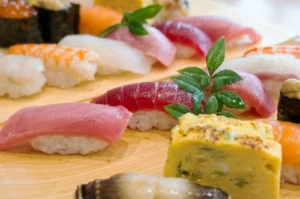
Different fish call for different techniques. Lean akami tuna has a clean, concentrated flavour; chutoro balances tuna richness with a softer texture; and heavily marbled otoro creates a buttery sensation. White fish such as tai can be subtler and firmer, rewarding careful knife work.
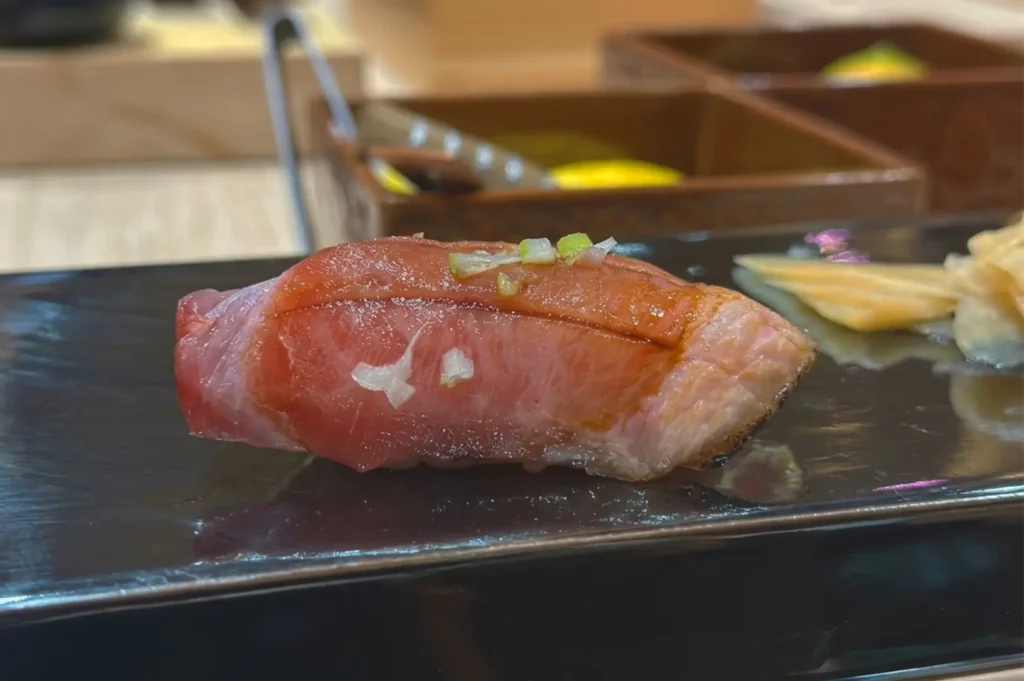
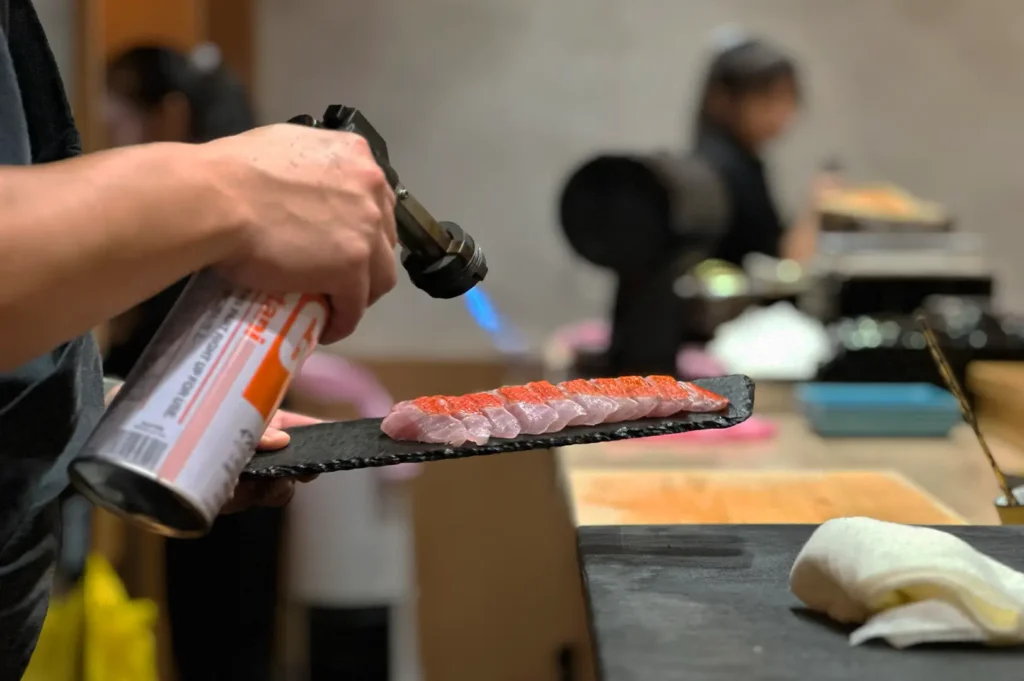
Heat introduces another possibility. With aburi sushi, a brief flame or sear can release aroma and change the texture of the surface while retaining the character of the fish beneath. The technique is especially interesting with fatty cuts, but it should serve the ingredient rather than cover it up.
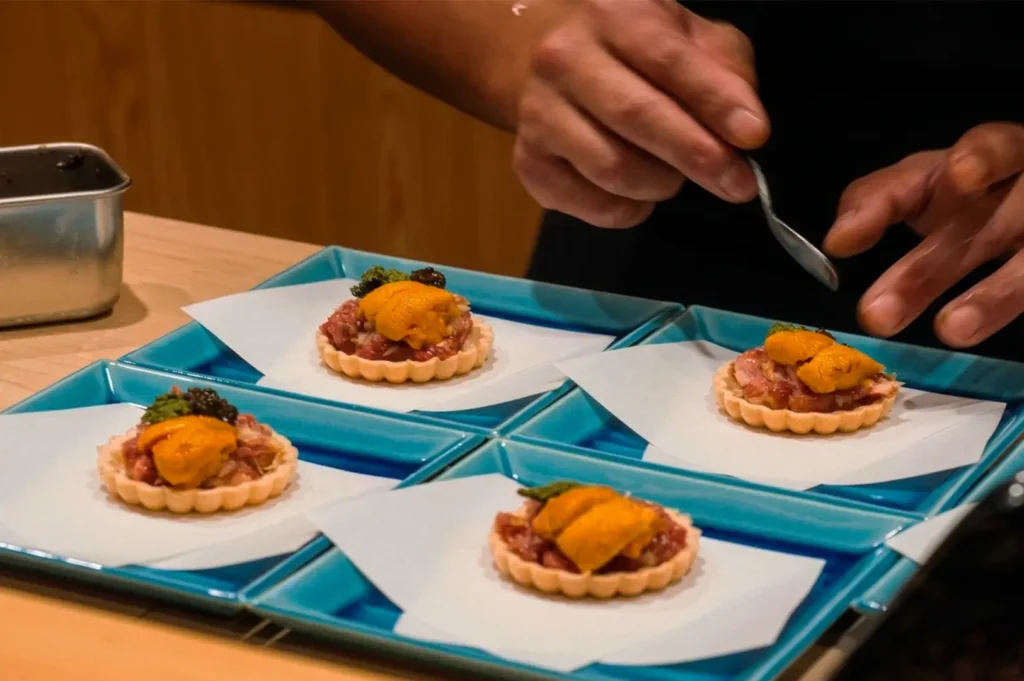
Past Sushi Masa menus have featured tai, shiro ika, aged akami, nodoguro, chutoro, kohada, flamed otoro, uni and anago. These are examples of the restaurant’s seasonal repertoire, not a promise of what will be served on any particular evening.
The Omakase Menu: A Dialogue of Trust
Omakase means leaving the selection to the chef. Instead of choosing à la carte sushi, sushi rolls or donburi bowls, guests enjoy a progression designed around what the chef considers most interesting that day.
At Sushi Masa, the dinner begins with seasonal appetisers, followed by sashimi, cooked dishes and a succession of nigiri sushi. A course may highlight the sweetness of shellfish, another the depth of tuna, and another the texture of a seasonal Japanese fish rarely seen on a standard menu. A clear soup or miso soup and a light dessert complete the meal.
This variety matters. Cooked options are not an afterthought: simmering, grilling over binchotan or carefully frying seafood can reveal flavours that raw preparations cannot. The result is an introduction to Japanese food that goes beyond sushi alone, while keeping seafood at the centre.
An Eight-Seat Sushi Bar and a More Personal Dining Experience
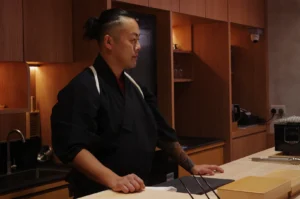
Sushi Masa seats just eight guests at its counter, with one dinner seating each evening. There is no need to watch from a distance: diners can see the knife work, observe the preparation of each piece and hear Chef Masa explain an unfamiliar fish.
That interaction makes the dining experience particularly rewarding for curious sushi lovers. Someone accustomed to ordering a salmon sushi platter can discover why a lean tuna cut tastes different from otoro, or how a change in rice seasoning affects the final bite.
Guests need not be sushi experts. The chef guides the meal, leaving them free to taste, ask questions and enjoy the progression.
Exploring the Best Sushi Restaurants in Singapore
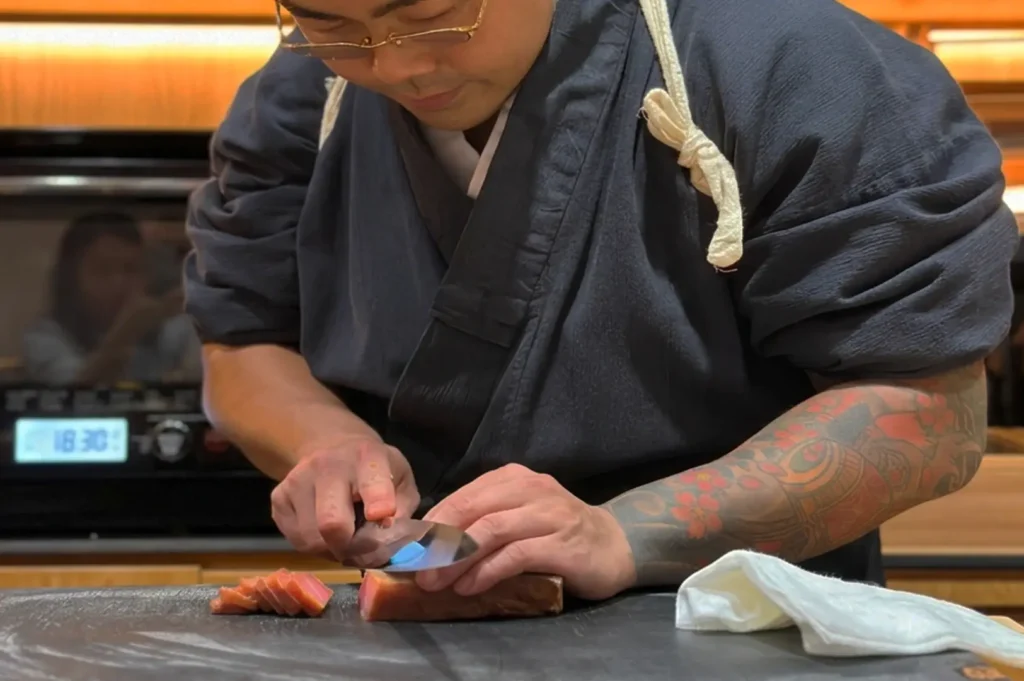
Singapore’s sushi scene is broad enough that the right choice depends on the occasion. Some diners value low prices and efficient service; others want a wide selection of Japanese dishes, while others prefer a specialised counter where the chef decides the menu. Rather than treating every format as directly comparable, it helps to understand what each offers.
Affordable Cheap Sushi and Casual Favourites: Genki Sushi, Sushi Express and Sushi Zushi
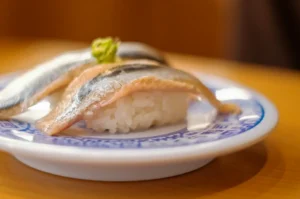
For an everyday sushi craving, Genki Sushi and Sushi Express represent the convenience-led end of the market. These concepts make it easy to enjoy familiar items without committing to a lengthy meal. They appeal to diners looking for affordable sushi, quick ordering and an informal setting.
Sushi Zushi provides another casual option, with outlets including Funan and Westgate. Diners can choose sushi sets alongside cooked and raw selections. Sushi Dan, with counters at Raffles City Shopping Centre and Parkway Parade, also brings a more accessible, short-format approach to sushi.
Cheap sushi can be a sensible choice for a quick lunch or a family meal. What it generally does not attempt to replicate is a multi-course dinner in which a chef selects and prepares every piece for a small group of guests.
Tomi Sushi, Sushi Tei, Sen-ryo and Ganko Sushi
Diners who prefer a broader sit-down meal can explore Tomi Sushi, known for its traditional Japanese cuisine and a presence at Millenia Walk, or familiar names such as Sushi Tei and sen-ryo, whose menus extend beyond individual nigiri.
These restaurants suit occasions when the table wants variety: sushi, sashimi, cooked dishes and other Japanese dining favourites. Some offer lunch sets or à la carte choices that make it easier to accommodate different appetites.
Ganko Sushi is another name to consider for guests interested in Japanese sushi craft alongside different dining formats. The appeal of these restaurants is choice: diners can tailor a meal rather than commit to a chef-selected course from beginning to end.
Ginza Sushi Ichi, Sushi Sato and Sushi Ayumu: Chef-Led Sushi
At the specialist end of the market, Ginza Sushi Ichi at Singapore Marriott Tang Plaza Hotel offers an Edomae-style dining experience built around sushi craftsmanship. Sushi Sato, located at Dempsey Hill, is another option for diners seeking a carefully paced chef-led meal.
The original version of this guide also highlighted Sushi Ayumu, a counter associated with Chef Masa Ishibashi. Like other specialist sushi restaurants, it illustrates how differences in training, rice, fish selection and pacing shape a restaurant’s identity.
These are not interchangeable experiences, and a higher price does not automatically make one the right fit for every guest. Choose between familiar favourites, a flexible menu or a complete seasonal journey.
Sushi Masa: Seasonal Nigiri in the Orchard Area
For diners who want a small, focused counter, Sushi Masa by Ki-setsu offers an alternative near Somerset MRT. Its location inside Cuppage Plaza is deliberately understated, and the restaurant serves a single dinner omakase rather than an extensive à la carte menu.
Chef Masa’s approach gives each course a role. A simple sashimi serving reveals the day’s fish, a carefully balanced nigiri brings fish and rice together, and a cooked seafood course changes the pace before the next piece arrives. It is a format that rewards attention without relying on elaborate presentation or claims to be the best sushi restaurant for everyone.
How to Choose Among the Best Japanese Restaurants
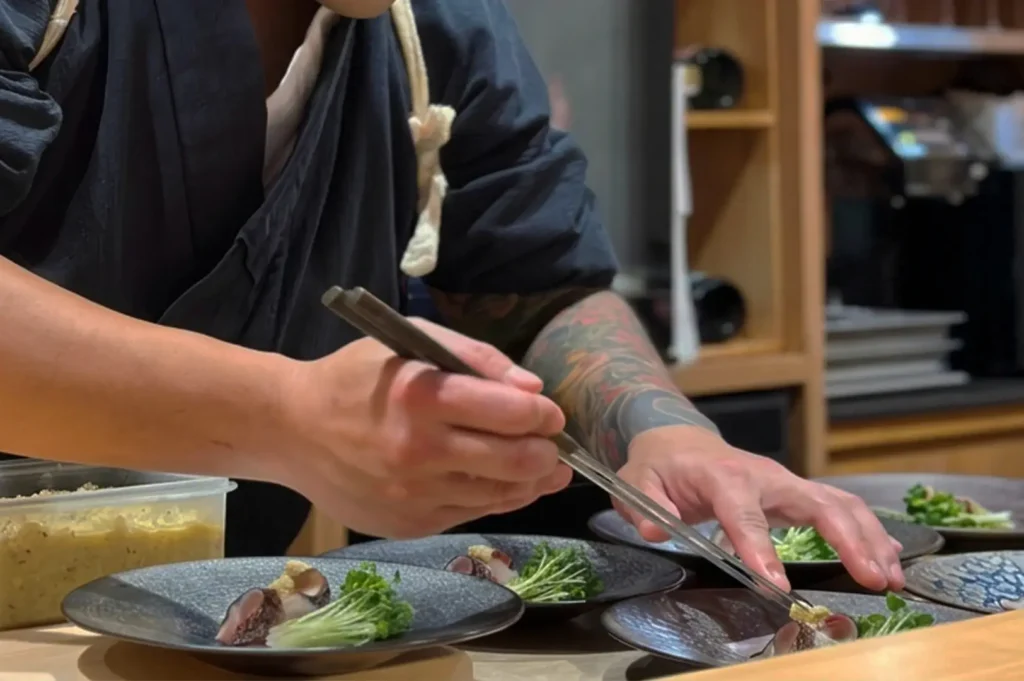
When deciding where to eat, consider three things: the type of meal you want, the time available and the experience you expect for the price.
If convenience is your priority, a casual sushi restaurant with multiple locations, quick ordering or takeaway may be ideal. For groups with mixed preferences, an extensive menu of Japanese dishes and cooked options can make planning simpler. For a special dinner, a small chef-led counter offers a different kind of value: individual preparation, personal interaction and a menu that changes with the season.
Affordable Sushi, Premium Sushi or a Special Dinner?
Affordable sushi is not necessarily inferior sushi; it serves a different purpose. A quick set meal may be exactly right for a weekday lunch. Sushi delivery works when convenience matters, while a generous sushi platter suits sharing.
Premium sushi is most compelling when the additional spending translates into something guests can appreciate: careful sourcing, skilled preparation, balanced rice and thoughtful service. Paying more for an ingredient name alone is not the goal.
At Sushi Masa, the experience is a full dinner rather than a short stop for à la carte sushi. Guests should choose it because they enjoy discovering fish through the chef’s perspective, not because they expect an unlimited selection of familiar favourites.
From Holland Village to Raffles City: Choosing the Right Location
Sushi options are spread across Singapore, from neighbourhood dining around Holland Village to shopping and office districts near Raffles Place, Raffles City Shopping Centre and ION Orchard. Shoppers may choose a convenient restaurant near Millenia Walk; residents in the east may consider dining around Parkway Parade or Pasir Ris.
Location matters for a quick meal, but it becomes less important when the restaurant itself is the destination. Sushi Masa is a short walk from Somerset MRT, making its Cuppage Plaza counter convenient for an evening in the Orchard area. It does not serve lunch: its opening hours are focused on a single dinner seating from Tuesday to Saturday.
A Promise of Quiet Dedication at Sushi Masa
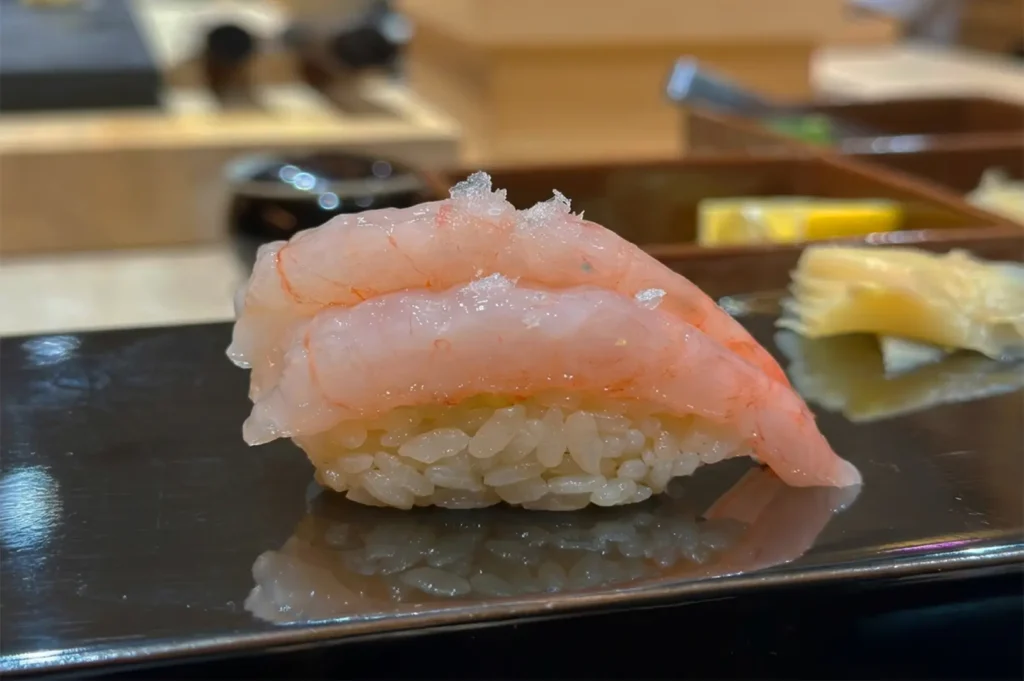
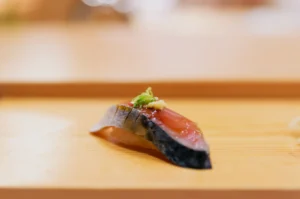
What makes sushi memorable is often difficult to describe until it is experienced. It may be the clean taste of a seasonal white fish, the warmth of seasoned rice beneath fresh nigiri, or the way a richer piece arrives at exactly the right point in the meal.
At Sushi Masa, the chef’s work begins before guests take their seats. Ingredients are selected, preparations adjusted and the evening organised around a natural progression of flavour and texture. Nothing is fixed simply because it appeared on yesterday’s menu.
The restaurant’s name reflects ki-setsu, or the seasons. It is a fitting description of what Chef Masa wants guests to notice: that Japanese dining is not only about recognised luxury ingredients, but about understanding when and how each ingredient should be enjoyed.
For sushi lovers exploring beyond casual chains, this offers a more personal side of the craft.
Frequently Asked Questions About Sushi in Singapore
What should I look for in a quality sushi restaurant?
Look for well-handled seafood, rice that complements the topping, careful preparation and a menu suited to the experience you want. Quality sushi is a balance of ingredients and technique, not simply the size or price of a piece.
Does Sushi Masa serve à la carte sushi or sushi platters?
No. Sushi Masa offers a seasonal dinner omakase. Sashimi, cooked seafood and nigiri are served as part of a complete menu selected by Chef Masa, rather than ordered individually.
Will salmon or a particular premium fish be served?
The menu changes with the day’s seafood selection. Past menus have included several tuna cuts, white fish, uni and other seasonal ingredients, but individual fish are not guaranteed. Guests can check with the restaurant about specific preferences before booking.
Is Sushi Masa suitable for a quick sushi lunch?
No. Sushi Masa is a dinner-only restaurant, with a single seating beginning at 7:15pm. Diners seeking a short lunch or a takeaway sushi set should choose a more casual format.
Discover Sushi Masa’s Seasonal Sushi Experience
The search for the best sushi in Singapore is personal. One diner may value affordable sushi and speed; another may be looking for the precise balance of fresh seafood and seasoned rice at a specialist counter.
At Sushi Masa by Ki-setsu, Chef Masa invites guests to explore the latter through a dinner shaped by Japan’s seasons. With eight counter seats, ingredients flown in from Japan and nigiri prepared one piece at a time, the focus remains on the fish, the rice and the shared moment across the counter.
Explore Sushi Masa’s seasonal omakase menu and reserve your seat for an evening devoted to Japanese sushi craftsmanship.
Sushi Masa by Ki-setsu
5 Koek Road, #06-03, Cuppage Plaza, Singapore 228796
Dinner: Tuesday–Saturday, from 7:15pm
Reservations recommended.