For many diners, the search for cheap and good sushi Singapore has to offer starts the same way: a craving strikes, and the instinct is to find the fastest, most affordable plate nearby. Yet as sushi cravings go, satisfying them well takes more than a low price tag. It takes an understanding of what makes a piece of nigiri sushi worth eating in the first place. At Sushi Masa by Ki-Setsu, we believe cheap and good need not be opposing ideas, provided diners know where true value comes from.
Whether the plan is a casual dine-in with friends or a quiet evening marking something worth celebrating, Singapore’s food scene has a version of sushi suited to nearly every mood and budget. Understanding the difference between the two is what turns an average meal into a genuinely good one.
Understanding Cheap and Good Sushi in Singapore’s Dining Scene
Sushi in Singapore spans an extraordinary range, from quick bites near office towers to slower, considered dinners meant to be lingered over. This variety is part of what makes the local dining scene so rich, but it can also make it difficult for diners to know what they are actually paying for. Japanese cuisine, particularly sushi, continues to command a devoted following across the island, and that popularity is exactly why the gap between cheap and good has grown so wide. A cheap plate of sushi is not automatically good sushi, and an expensive one is not automatically excellent either.
What separates the two is rarely the price on the menu. It is the freshness of the fish, the handling of the rice, and the intention behind every dish that reaches the table. Diners who understand this distinction tend to eat far better, whether they are chasing a quick meal or planning something more special.
Why Sushi Restaurants Define Cheap Sushi Differently
Ask ten sushi restaurants what cheap sushi means, and expect ten different answers. For some, it refers to volume, bulk-prepared fish served quickly across a wide selection of familiar rolls. For others, it means keeping prices honest while never compromising on the quality of what lands on the plate. Both approaches serve a purpose, but they are not interchangeable.
The table below outlines the general difference diners tend to notice between the two models found across many establishments in Singapore.
Volume-Based Sushi | Value-Based Omakase | |
|---|---|---|
Focus | Speed and quantity | Precision and freshness |
Fish handling | Pre-cut, held for service | Prepared close to serving |
Menu | Fixed, wide selection | Seasonal, curated by the chef |
Setting | High turnover | Intimate, unhurried |
Neither column is inherently superior. A hungry office worker and a diner celebrating an anniversary are simply looking for different things. What matters is knowing which experience you are walking into before you sit down.
The Craft Behind a Good Sushi Omakase
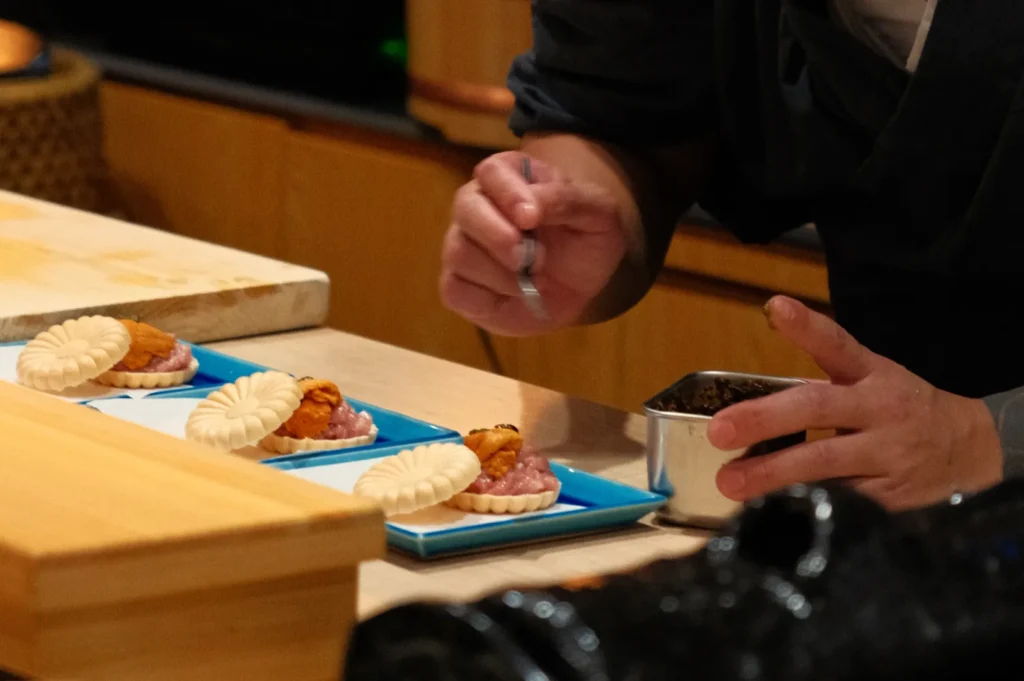
A good sushi omakase is built entirely on trust between the diner and the chef. The word itself means “we leave it up to you”, and it reflects a dining philosophy quite different from ordering off a fixed menu. Rather than choosing individual dishes, guests allow the chef to guide the meal, piece by piece, according to what is freshest that evening. A good omakase is judged less by its price and more by the trust it earns from the very first course to the last.
This tradition traces back to Edomae style, developed generations ago in old Tokyo, where curing, marinating and ageing seafood were used to draw out flavour long before refrigeration made freshness easy to take for granted. A Japanese chef trained in this method treats each fish differently, adjusting technique to suit its texture and fat content rather than applying one approach to everything on the counter. For guests, it is far more than a meal, it is a small window into the culinary heritage of Japan itself.
The Role of Fresh and Premium Ingredients
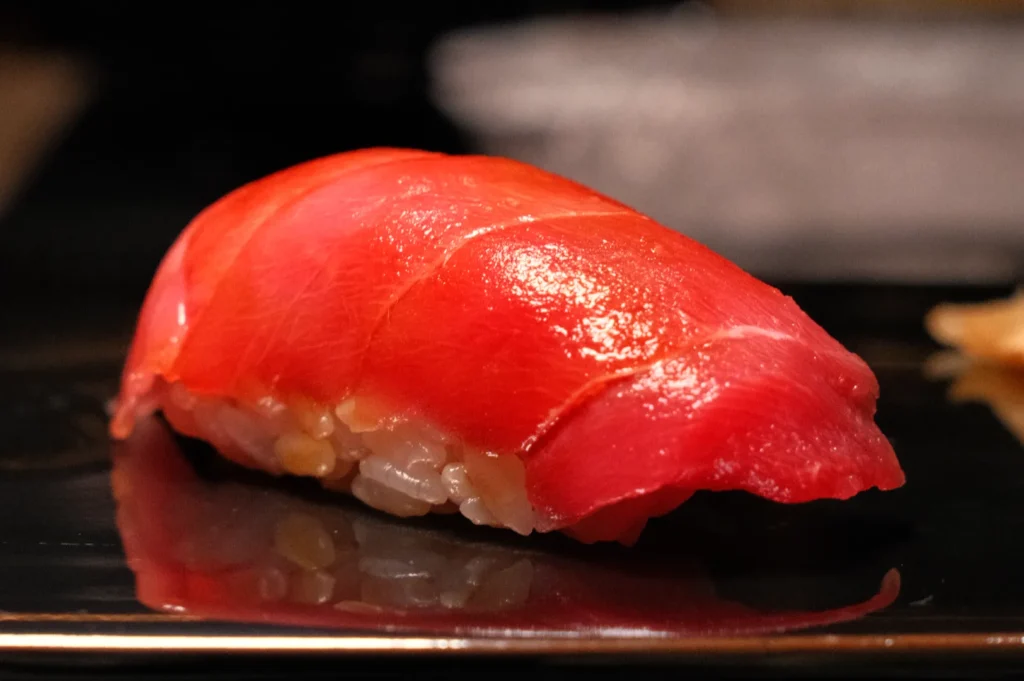
At Sushi Masa by Ki-Setsu, this philosophy begins long before service, with premium ingredients sourced from Tokyo’s Toyosu Market. Every piece of fatty tuna, delicate sea urchin, or seasonal fish arrives with a clear sense of where it came from and why it was chosen. Fresh ingredients are not simply a selling point here, they are the entire foundation of the seasonal menu.
Rice receives the same level of attention. Properly seasoned rice should hold its shape yet soften easily against the palate, complementing rather than overwhelming the seafood resting on top. It is a small detail that many overlook, yet it is often what separates an ordinary nigiri from a memorable one.
Exploring Singapore’s Sushi Landscape
Singapore’s appetite for Japanese restaurants shows no sign of slowing, and diners can find sushi almost anywhere they turn. Areas such as Ngee Ann City, Raffles City and Suntec City draw large crowds thanks to their concentration of dining options, particularly during the lunchtime rush when office workers pour out in search of a quick, satisfying meal. Come evening, the same streets settle into a slower, more deliberate pace, and pockets like Tras Street and Tanjong Pagar have quietly built reputations for more intimate, specialised dining rooms tucked away from the main thoroughfare.
Many of these establishments compete on an extensive selection, offering diners a good variety of nigiri, sashimi, rolls and cooked dishes under one roof. Conveyor belt formats remain especially popular for their convenience, letting diners pick and choose freely as plates circle past. It is an efficient model, well suited to casual meals and larger groups who value flexibility over ceremony.
Sushi Masa by Ki-Setsu sits apart from this landscape by choice. Rather than a wide selection built for volume, our chef prepares a single, focused seasonal menu each evening, favouring depth over breadth. It is a quieter way to eat, better suited to guests who would rather savour fewer, better pieces than work through a long list of options.
An Intimate Dinner Built Around the Seasons
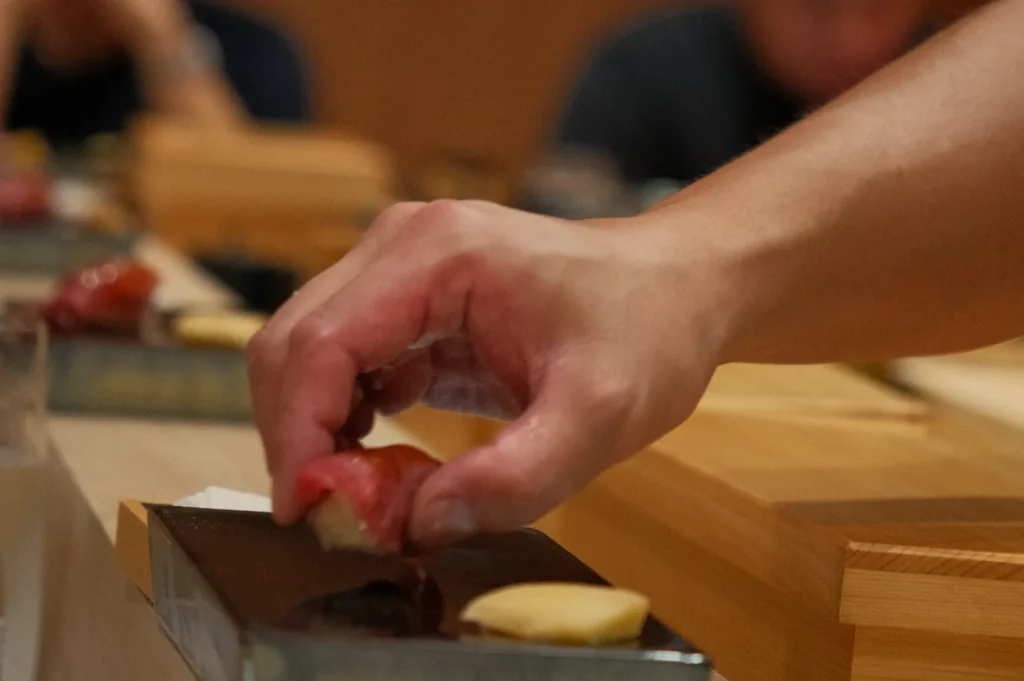
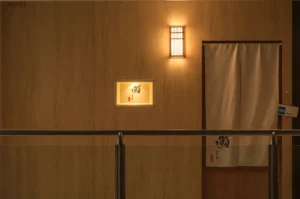
As a dinner only establishment, Sushi Masa by Ki-Setsu structures its opening hours around a single, unhurried seating each evening, with no lunch service to divide our chef’s attention. Dinner starts once the counter is ready, allowing our chef to dedicate the entire day to sourcing, preparation and the quiet discipline of seasoning rice to match that day’s seafood. The menu offers no fixed choices for guests to pick from, only a guided sequence built entirely around what arrived freshest that morning.
Every dish is served directly from the counter to the plate, rather than plated in advance and left to wait. This is deliberate. A meal built around timing, not convenience, tends to reward diners with a far more memorable experience than one designed purely for speed.
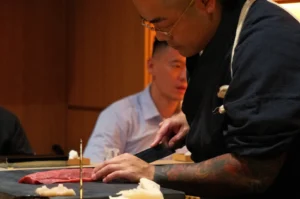
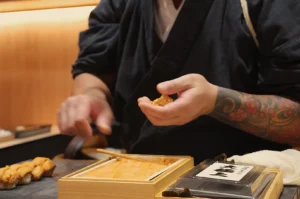
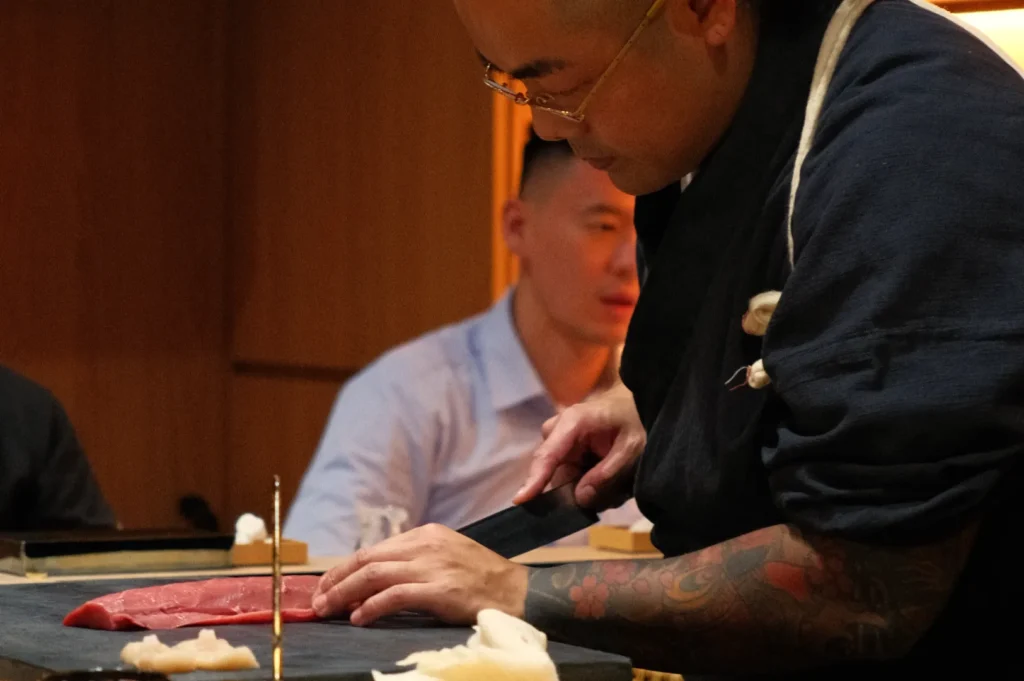
Guests seated at the bar find themselves close enough to watch each piece assembled by hand, a small but meaningful shift from the more anonymous experience found at a typical table setting elsewhere in the city.
A Purely Seafood Journey Without the Gimmicks
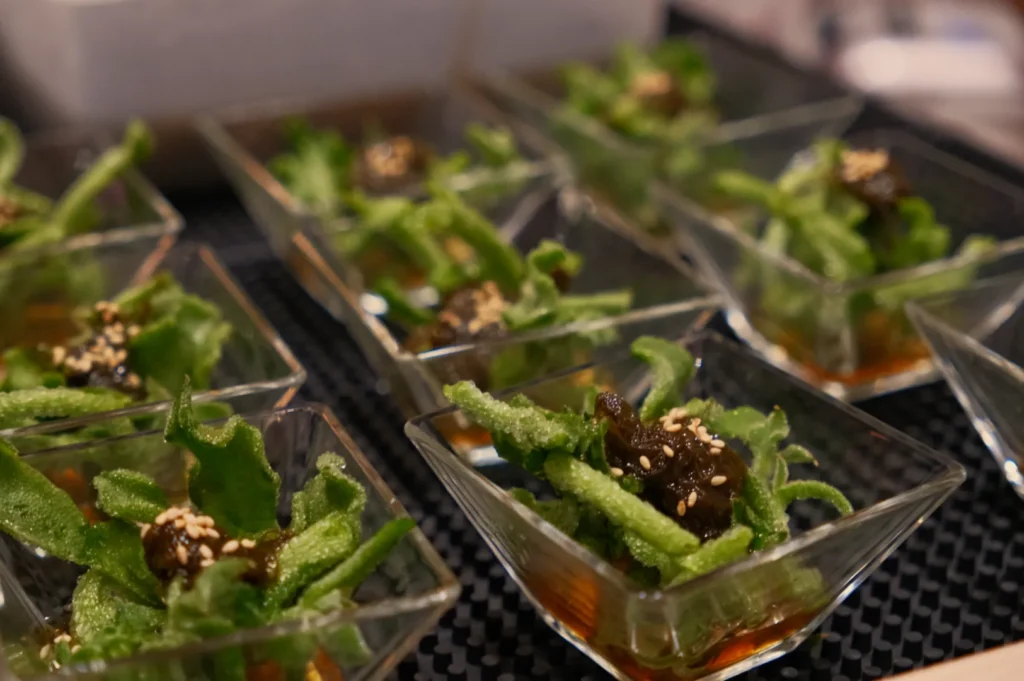
Sushi Masa by Ki-Setsu keeps its menu exclusively seafood based. Guests will not find meat such as chicken, pork, beef or lamb at the counter, nor will they find tempura or chawanmushi filling out the courses. We have also chosen not to serve the overflowing ikura rice found at some lower-priced omakase, believing it distracts from the balance a well composed dish should have.
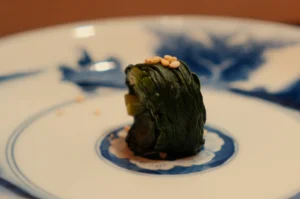
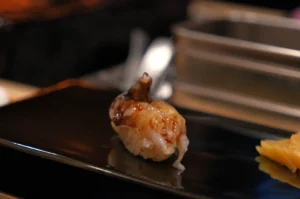
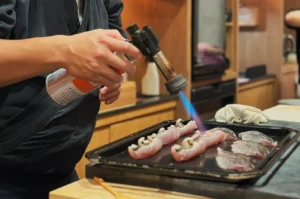
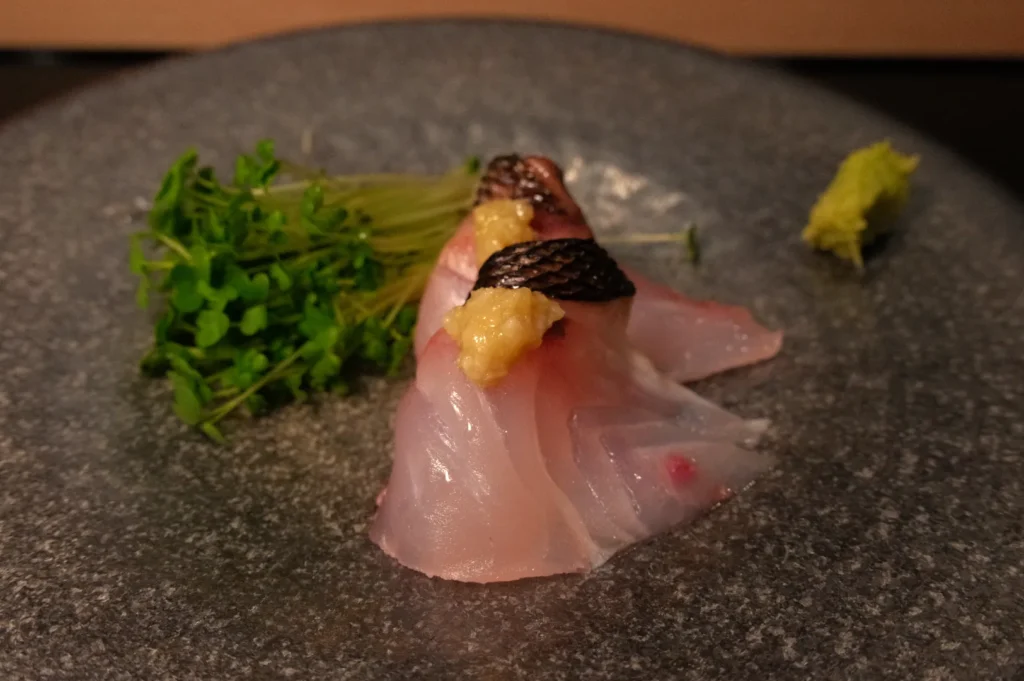
Instead, the focus remains on classic Edomae favourites: sashimi cut to highlight natural texture, unagi finished with a light char, sweet uni served at its peak, and salmon prepared simply enough to let its flavour speak for itself. Many traditional sushi restaurants round out their offering with udon as a starch course. What guests can expect instead is a thoughtful sake pairing alongside the seafood, with the evening closing on a dessert course that completes the meal rather than distracts from it.
Reserving a Quiet Corner for a Special Occasion
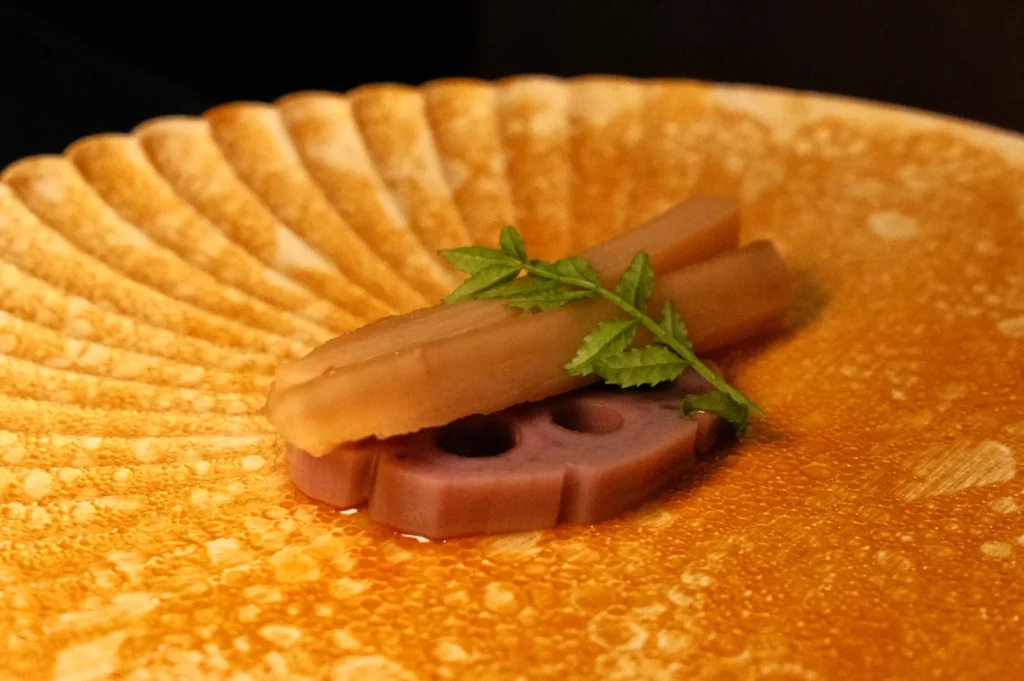
Not every meal calls for a quiet corner and an unhurried pace, but when the occasion does, sushi omakase tends to deliver a unique dining experience that a faster meal cannot replicate. Whether it is a special occasion, a quiet dinner for two, or simply a chance to properly indulge a long-standing craving, the right setting changes how the meal is remembered.
Prices start where value begins, not where a discount ends. Diners who choose Sushi Masa by Ki-Setsu are not paying for the lowest number on a bill, they are paying to sit with a single Japanese chef who has spent the day preparing seafood specifically for that evening’s guests. It is a different kind of arithmetic to the one most cheap sushi promises rely on, and one that tends to satisfy far longer after the last plate is cleared.
An Invitation to Taste the Difference
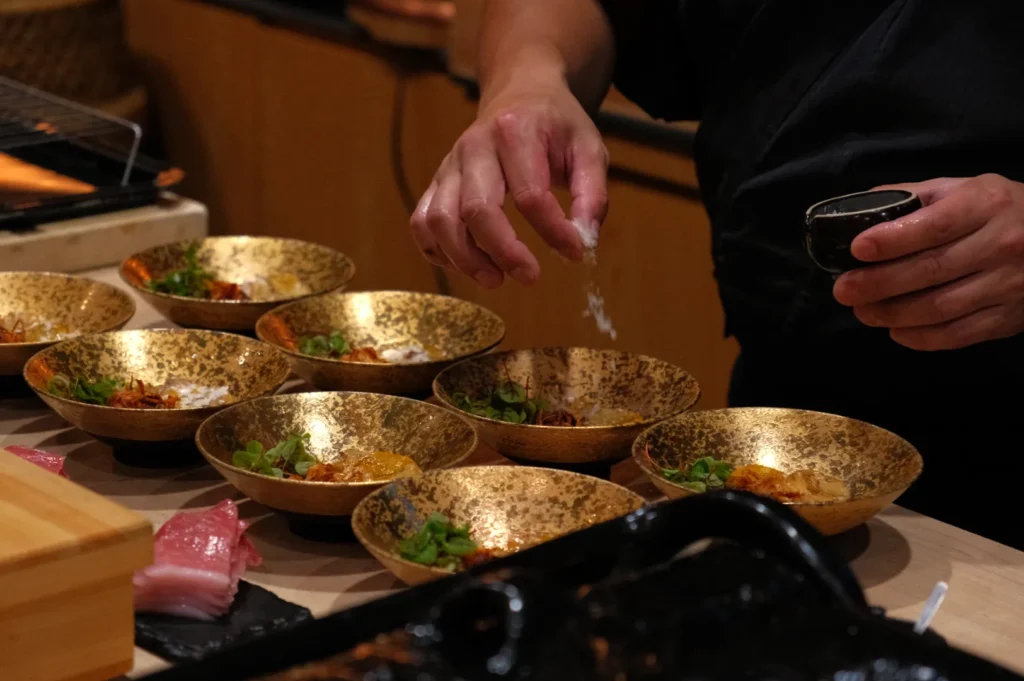
Cheap and good sushi Singapore diners search for does exist, it simply depends on what each diner values most.
For those who want quantity and convenience, the city offers no shortage of options. For those seeking quality, freshness and a chef’s full attention, Sushi Masa by Ki-Setsu offers a different kind of value, one measured in craftsmanship rather than headcount served.
We invite you to reserve a seat at our counter and discover what a truly considered omakase dinner can taste like, prepared entirely by Chef Masa, one guest at a time.