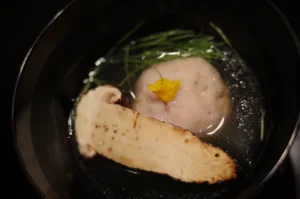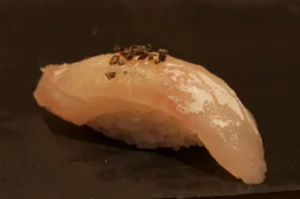
There is a Japanese word that sits quietly behind everything served at Sushi Masa: ki-setsu. It means “the seasons.” Not a marketing flourish. Not a theme chosen for effect. A principle. A way of listening to what the year is offering, and letting that decide what belongs on the counter tonight.
This is where the restaurant begins. Its name holds its intention. And its intention shapes every plate.
The Season Decides, Not the Chef Alone
An omakase menu should never feel fixed. The word omakase means to entrust, to leave the choosing to the chef. But the chef, in turn, leaves much of the choosing to the sea.
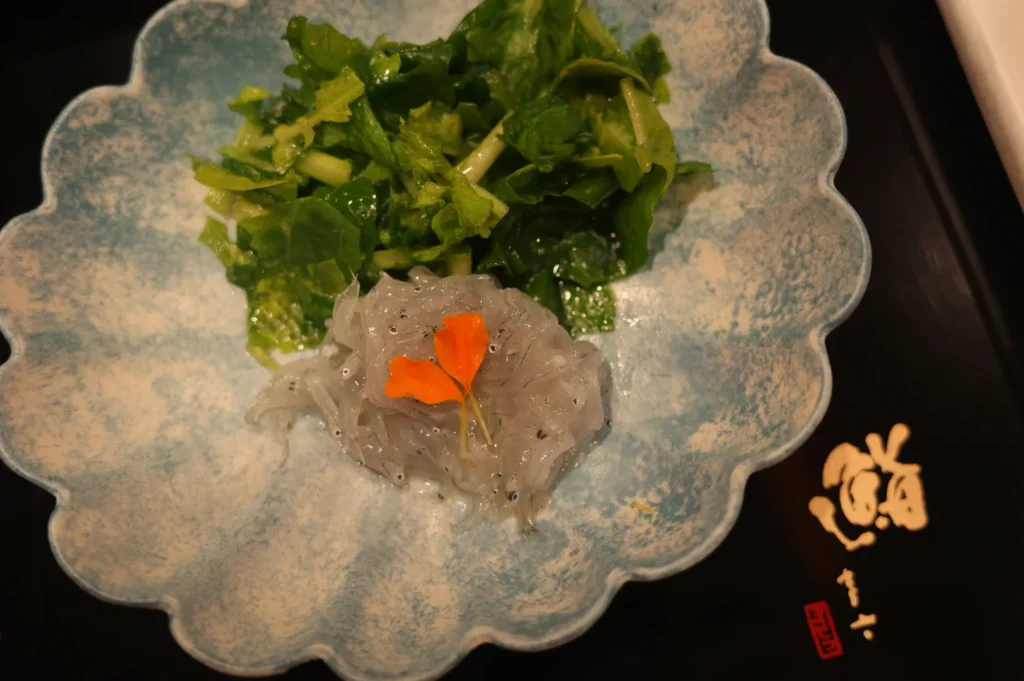
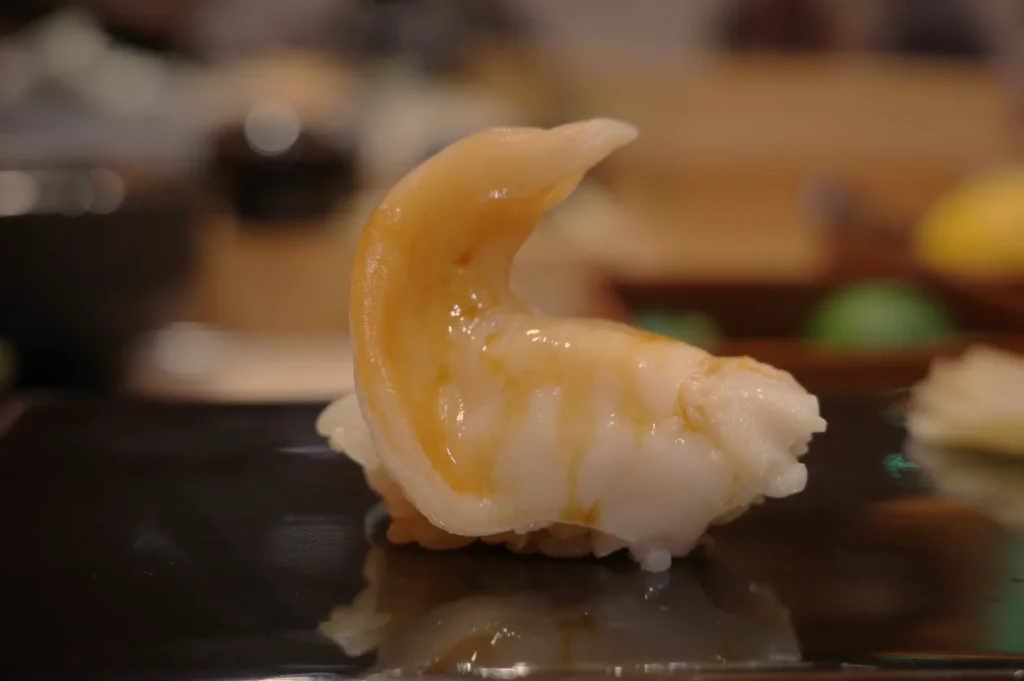
What arrives from Japan changes week by week. A fish that is lean and quiet in spring turns rich and full in the cold months. Shellfish sweeten. Roe firms. The catch tells its own story, and Chef Masa reads it before deciding how the evening will unfold.
So the menu moves. It has to. A static list of dishes would ignore the very thing that makes Japanese cuisine feel alive, the understanding that each ingredient has its moment, and that moment does not last.
Shun: The Peak, and Nothing Else
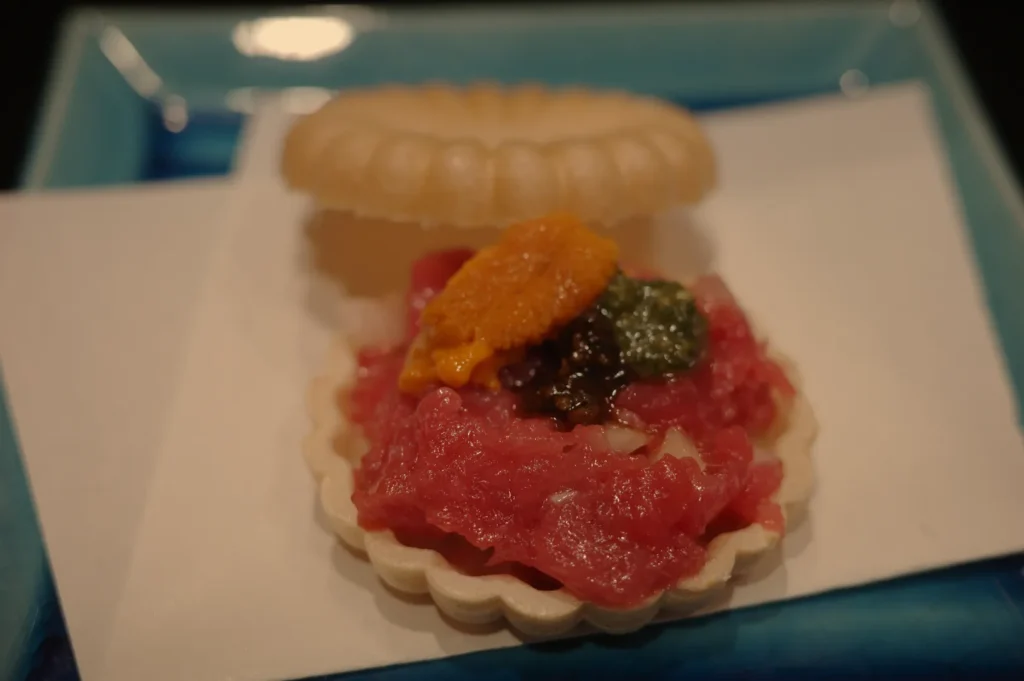
There is another word worth knowing: shun.
It describes an ingredient at the height of its flavour. The exact window when a fish, a vegetable, a piece of roe is at its best, before it, still promising; after it, already fading. Shun is brief. Sometimes only days.
To cook with shun is to respect timing above convenience. It means serving something not because it is always available, but because right now, this week, it is exactly what it should be.
Chef Masa builds around this idea. Rather than forcing a fixed menu to appear year-round, he waits. He watches what the season brings to its peak. Then he presents it, simply, honestly, at the point where it needs the least intervention.
A slice of firm winter fish. A summer catch, lighter and clean. Each one placed before you because the calendar, not the kitchen, said it was ready.
An Eight-Seat Counter, Built for Attention
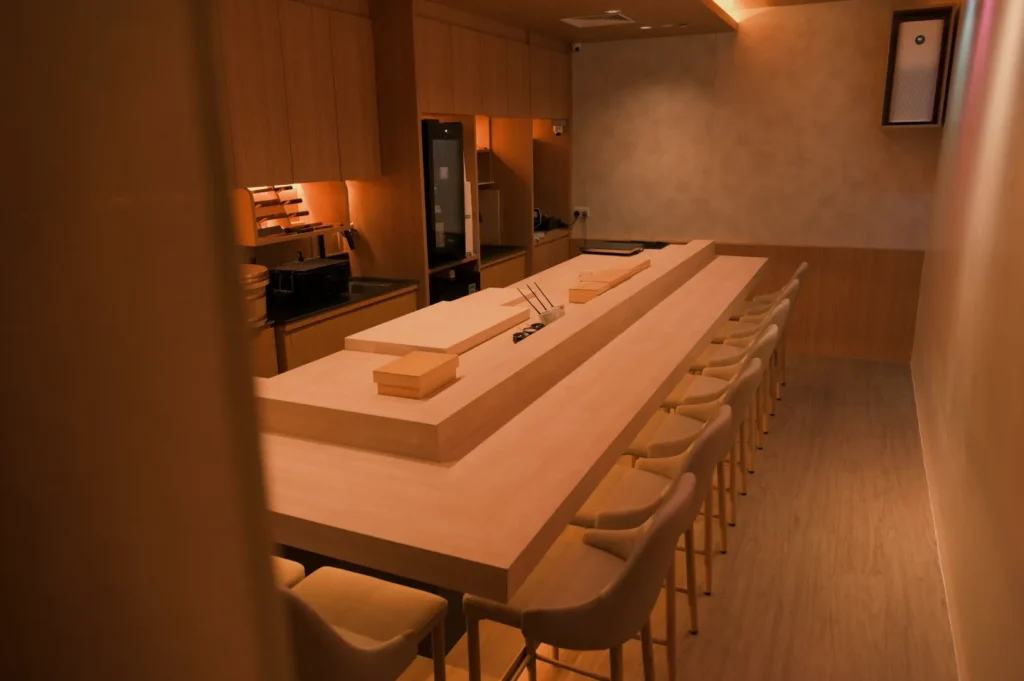
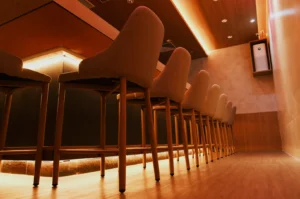
Sushi Masa sits on the sixth floor of Cuppage Plaza, at 5 Koek Road, #06-03, Singapore 228796. Eight seats. Dinner only. A chef-led counter where the space between you and the preparation is measured in inches.
This scale is not a limitation. It is the point.
With only eight guests, Chef Masa can move at the pace the food asks for. He can watch how you eat, adjust the order, offer the next piece when the last has settled. Nothing is rushed to fill a room. Nothing is scaled up to feed a crowd.
The intimacy allows the seasonal rhythm to matter. A larger room needs predictability. A counter of eight can follow the catch wherever it leads, night after night, without pretending every evening should taste the same.
Interpreting Japan’s Seasons in Singapore
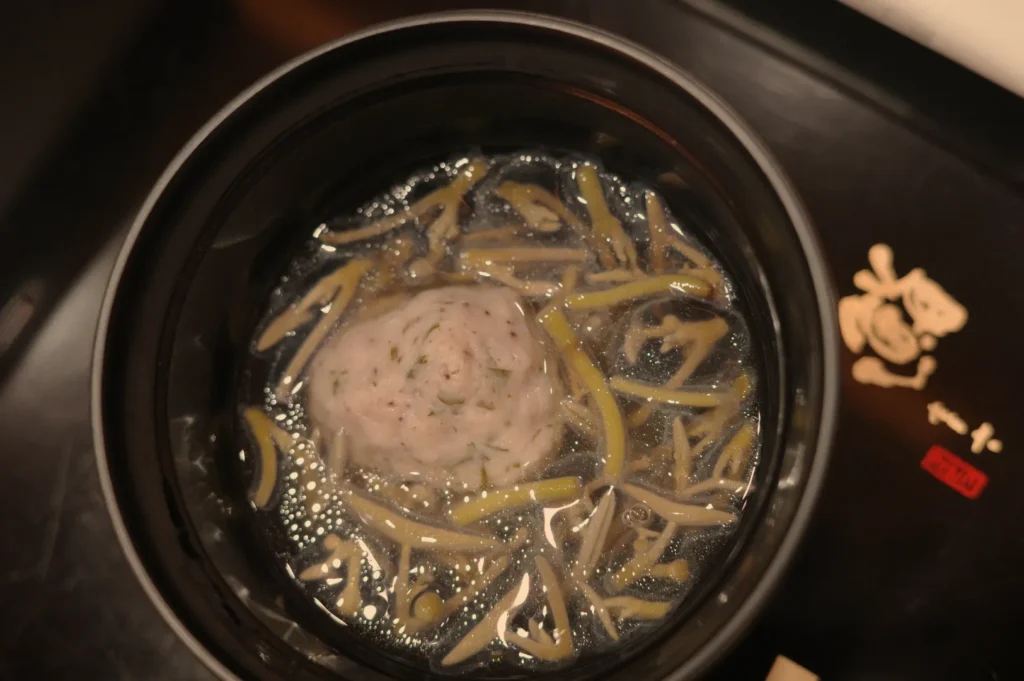
Singapore does not have four seasons. The air is warm and steady through the year. So the seasonal shifts you taste at the counter are not local, they are Japanese, carried across the distance and interpreted here.
That is the quiet work Chef Masa does. He acts as a bridge. The cold-water richness of a northern winter, the brighter notes of early summer, the changing character of the same fish across months, these arrive from Japan and are read, prepared, and offered to guests who may never see a Japanese winter themselves.
You sit in a tropical city and taste the turning of a distant year. That is the gift of an omakase built on ki-setsu.
Why This Matters to the Person at the Counter
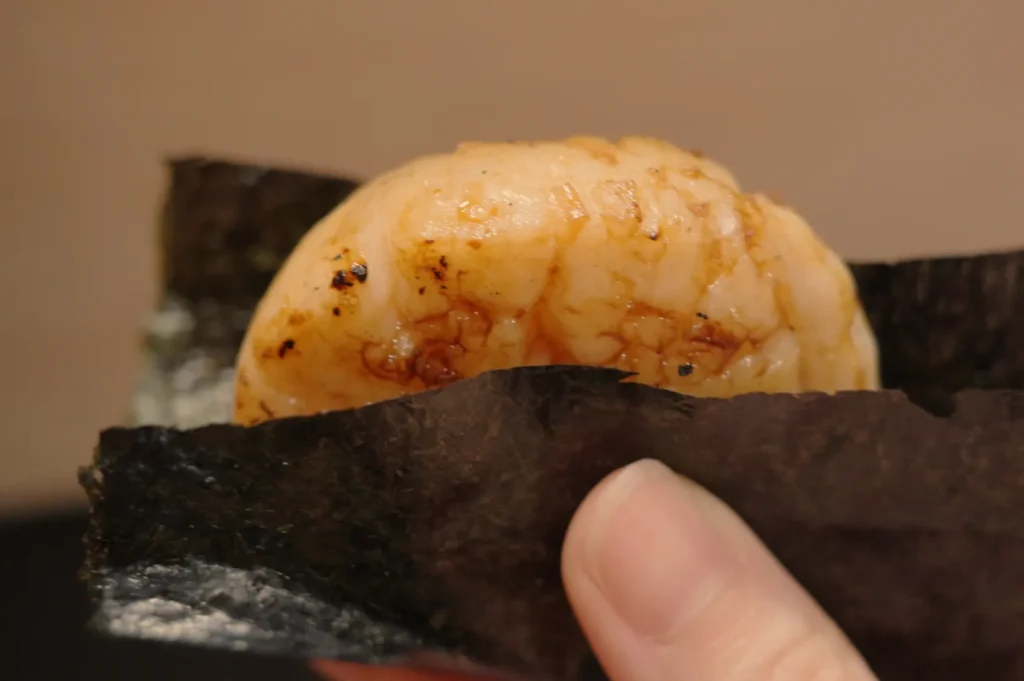
For the guest, seasonality is not an abstract idea. It is the reason the meal feels honest.
When you trust a chef to choose, you are also trusting the season. You are accepting that tonight’s experience belongs to this precise moment, that it could not be repeated exactly, because the ingredients that made it will soon give way to others.
There is something grounding in that. In a world of menus that never change, a meal shaped by the year reminds you that food is tied to time and place. That freshness is not a claim but a condition. That the best thing a chef can do is sometimes step back and let the season speak.
This is what Chef Masa offers. Not spectacle. Not a fixed idea of luxury. Just a careful reading of what the sea is giving, presented with intention, at a counter small enough to notice every detail.
Meet Chef Masa
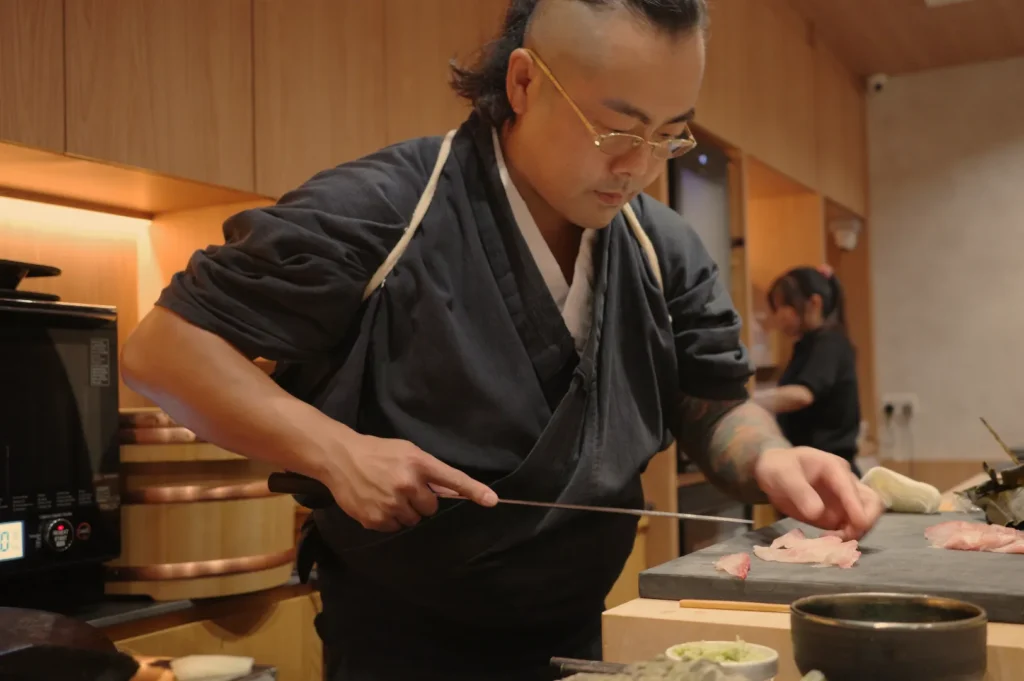
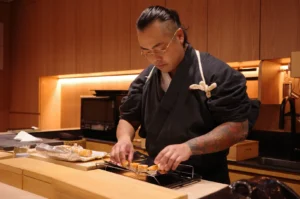
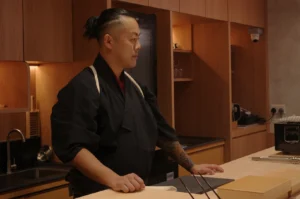
Before the evening begins, before the first piece is placed before you, there is a man standing quietly at the counter. Meet Chef Masa, the hands behind every decision, the presence that holds the space. Decades immersed in omakase tradition. A deep respect for the sea and its seasons.
He does not perform. He listens, prepares, and offers. To sit across from him is to understand, slowly, what it means to trust.
The seasons lead. He follows, and translates.
And you, seated for the evening, simply trust.