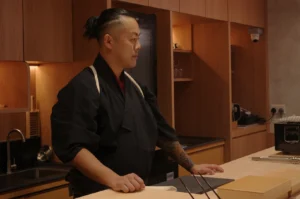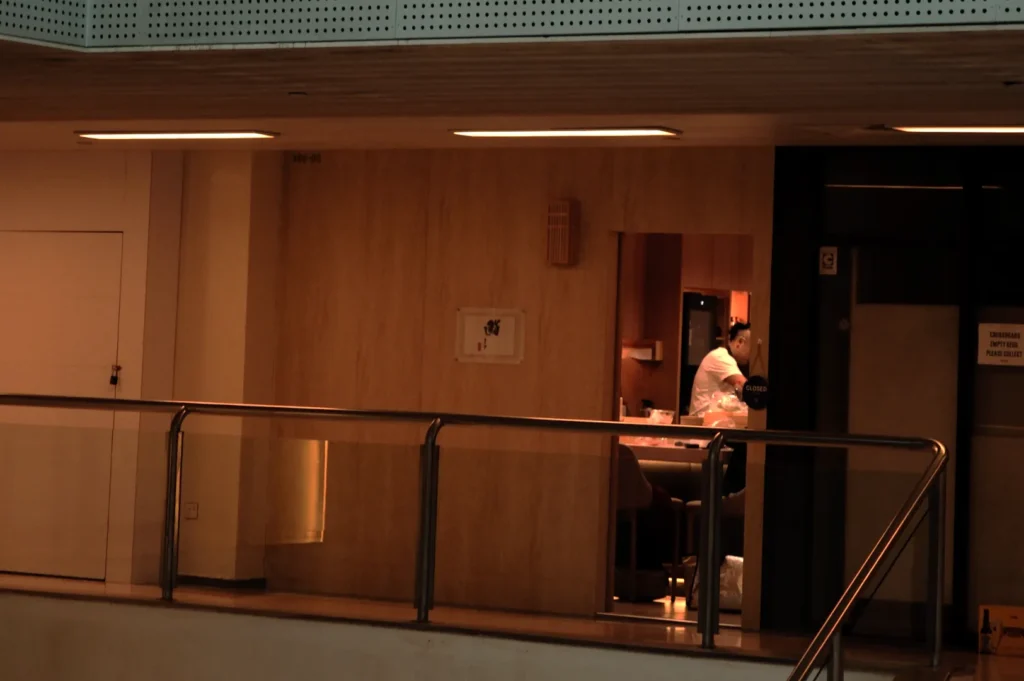
Orchard Road is known for its glittering malls, but the real magic often happens away from the main shopfronts. Tucked into Cuppage Plaza’s quiet sixth floor, away from the bustle below, sits a space that many first time visitors would never expect to find. It is the kind of location that rewards curiosity, and once you step out of the lift, the noise of the city seems to fade behind you.
This is where Sushi Masa by Ki-Setsu makes its home. We believe that great food does not always need a busy street frontage or a flashy signboard. Sometimes, the best dining experience is the one you have to seek out a little, and Cuppage Plaza has quietly become one of those addresses that locals whisper about to friends rather than shout from rooftops.
Orchard Road’s Hidden Gem Restaurants Are Worth the Search
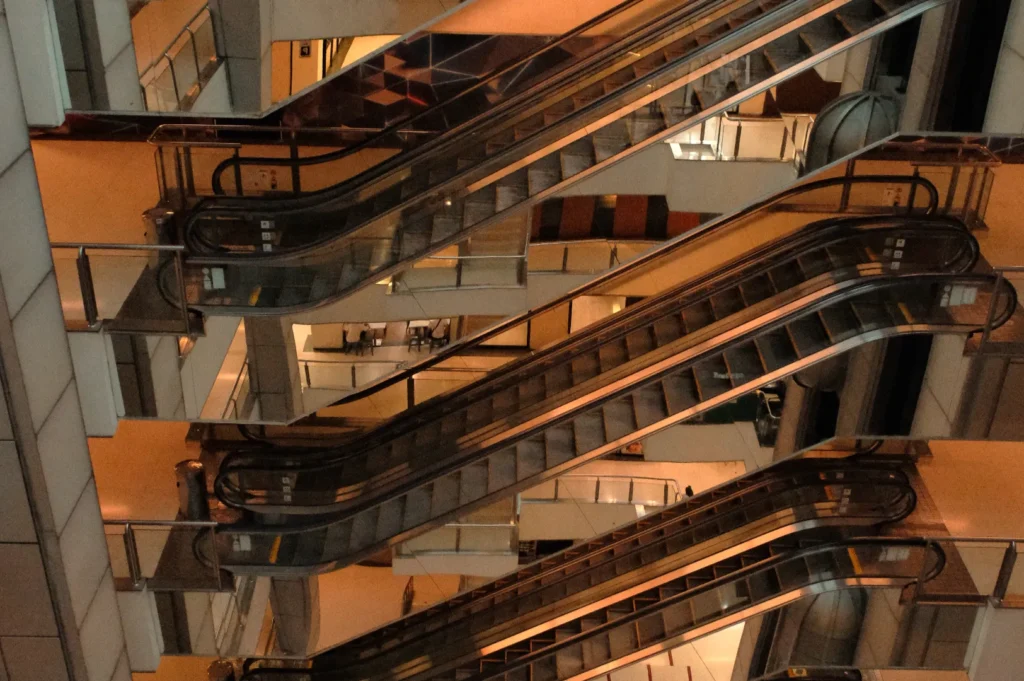
Orchard Road has always been a city within a city, and among its towers of retail therapy are pockets of restaurants in Singapore that reward those willing to look up rather than just walk past. Cuppage Plaza, in particular, has built a reputation as a great spot for hidden gem dining, with its upper floors housing establishments that focus on craft over crowds.
There is something special about arriving at a location that does not scream for attention. The anticipation builds as you make your way up, and by the time you are seated, you already sense that this is a dining experience built around intention rather than convenience.
No large signage competing for attention at street level
A calmer, more private arrival experience
Fewer walk-in crowds, allowing for a more attentive service
A sense of discovery that many diners say adds to the overall taste of the evening
For those who enjoy the idea of finding a great spot that is not overrun by tourists, this part of Orchard Road offers a refreshing change of pace. It is also a reminder that some of the best experiences in a city are rarely the loudest ones. A hidden gem, by its very nature, asks a little more of its guests: a willingness to search, to trust a recommendation, and to arrive with curiosity rather than certainty about what awaits.
Why Location Shapes the Dining Experience
The physical journey to a restaurant can quietly influence how a meal is perceived before a single dish arrives. A quiet corridor, a soft hum of conversation, and unhurried lift doors all set a tone that a busy ground floor simply cannot replicate. This is part of why Cuppage Plaza has become such an interesting case study for diners who care about atmosphere as much as flavour.
Good Food Beyond Sushi: Singapore’s Diverse Dining Landscape
Singapore’s dining scene is one of the most diverse in the world, and Orchard Road sits right in the middle of it. Within a short trip from Cuppage Plaza, you will find everything from comfort food stalls to elegant dessert cafes, each offering its own take on what good food means to this city.
Singapore’s food culture is shaped heavily by geography, and each neighbourhood tends to carry its own personality when it comes to eating.
| Neighbourhood | Known For |
|---|---|
| Orchard Road | Fine dining, cafes, filter coffee spots |
| Little India | Spiced curries, fragrant rice dishes |
| Holland Village | Casual eateries, pizza corners, wine bars |
| Marina Bay | Panoramic view dining, seafood, upscale lounges |
Locals often plan a full day around food, moving from a plate of chicken rice in a hawker centre to an oyster omelette stall, before finishing the evening with chilli crab by the water at Marina Bay. Others prefer a laid back night out with buffalo wings and cocktails, or a comforting basket of dim sum shared among friends. It is this variety that makes Singapore such a rewarding place to eat, and it is also what makes a quiet, focused space like ours feel like such a deliberate choice within that landscape.
We see our role not as competing with this vibrant food culture, but as offering something different within it: a single, focused menu built entirely around the ocean’s freshest offerings. In a city where variety is often celebrated as the highest virtue, there is also value in narrowing that focus, in choosing depth over breadth, and in letting one philosophy guide an entire evening rather than a dozen competing ideas on a single menu.
A City That Rewards Exploration
Part of what makes Singapore’s food culture so compelling is how much of it rewards a willingness to wander. The best meal of your trip is rarely the one closest to your hotel lobby. It is often a short walk, a lift ride, or a quiet recommendation away, tucked into a corner that does not advertise itself loudly.
The Omakase Philosophy Behind Sushi Masa by Ki-Setsu
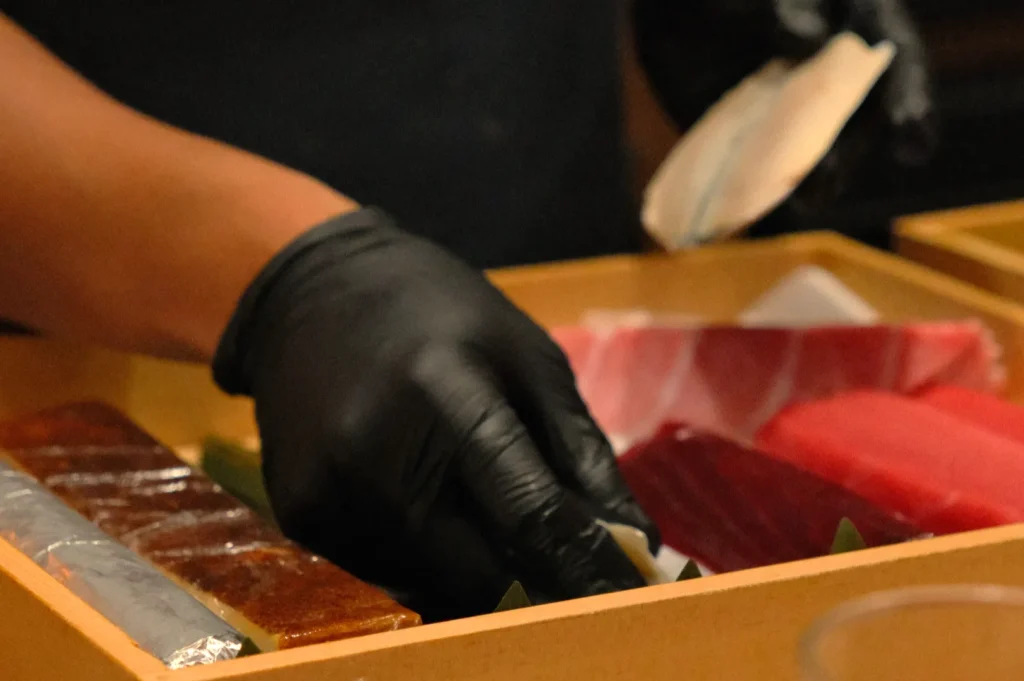
At the heart of Sushi Masa by Ki-Setsu is a simple belief: that sushi is best understood as a conversation between the chef and the ingredient, not as a fixed list of options. This is why we serve omakase, a Japanese dining tradition where the course is left entirely in the hands of our chef.
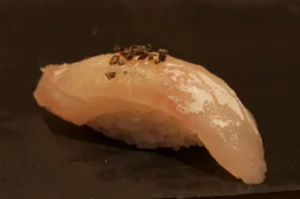
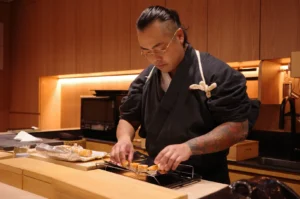
Our head chef, Chef Masa, follows the Edomae style, a method rooted in old Tokyo that emphasises curing, marinating and precise timing rather than simply serving raw fish. Each piece of seafood is treated according to what it needs, whether that means a light soy glaze, a touch of aged vinegar in the rice, or nothing at all beyond its own natural taste.
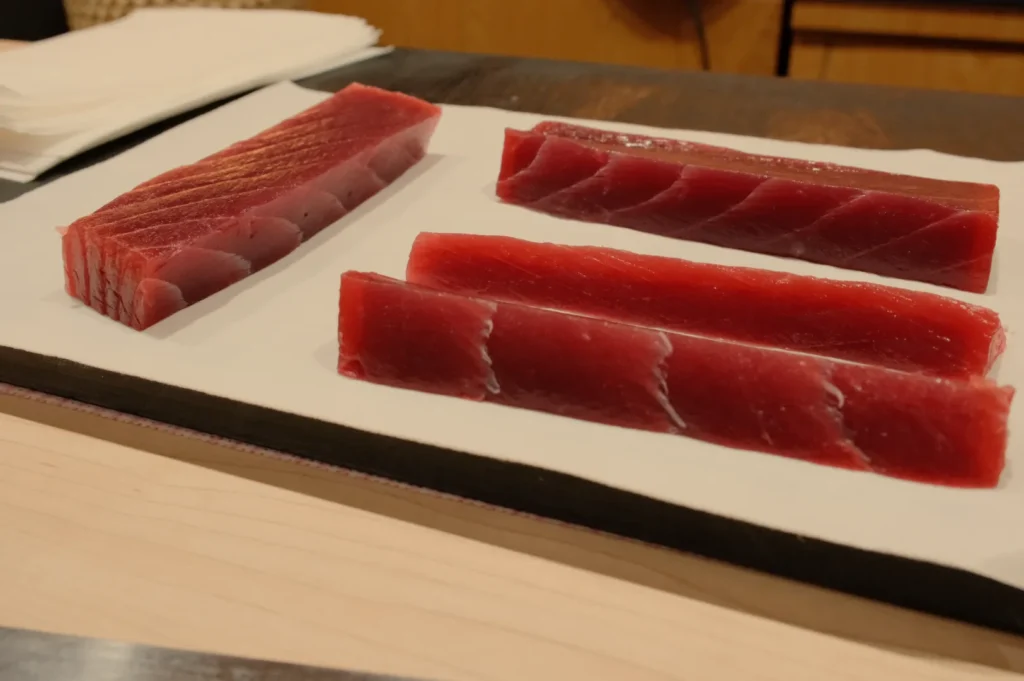
Our ingredients are sourced with the same seriousness as our technique. Working closely with Toyosu Market, the successor to the world famous Tsukiji, our chef selects seafood based on what is freshest that day rather than what a printed menu might dictate.
Carefully planned daily sourcing from Toyosu Market
Preparation techniques rooted in Edomae style
A menu built purely around seafood, with no meat on offer
A single chef overseeing every course from start to finish
This is also why you will not find items such as tempura or chawanmushi on our course. We would rather perfect a smaller repertoire than dilute our focus across too many dishes. In our view, mastery comes from repetition and restraint, not from an ever expanding menu designed to please every possible craving.
The Discipline of a Single Chef
Having one chef oversee an entire course is not simply a matter of scale. It is a deliberate choice that ensures consistency from the first piece to the last. Every decision, from how a fish is sliced to how much rice is pressed into each piece, passes through the same hands and the same judgement. This is a very different experience from establishments where multiple stations and multiple hands shape a single course.
A Course Curated for Discerning Palates
Every seat at Sushi Masa by Ki-Setsu follows the same principle, a course that unfolds with rhythm and purpose rather than a random sequence of dishes. Guests are guided through each stage by our chef, who explains the origin and characteristics of what is being served.
A typical evening might follow a structure similar to this:
| Stage | What to Expect |
|---|---|
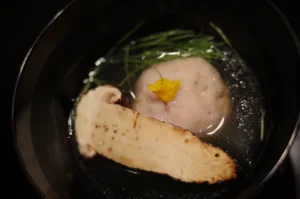
| Opening | A light dashi based soup stock, free of shellfish, to prepare the palate |
| Main Course | A sequence of Edomae style sushi, paired thoughtfully with fresh accompaniments |
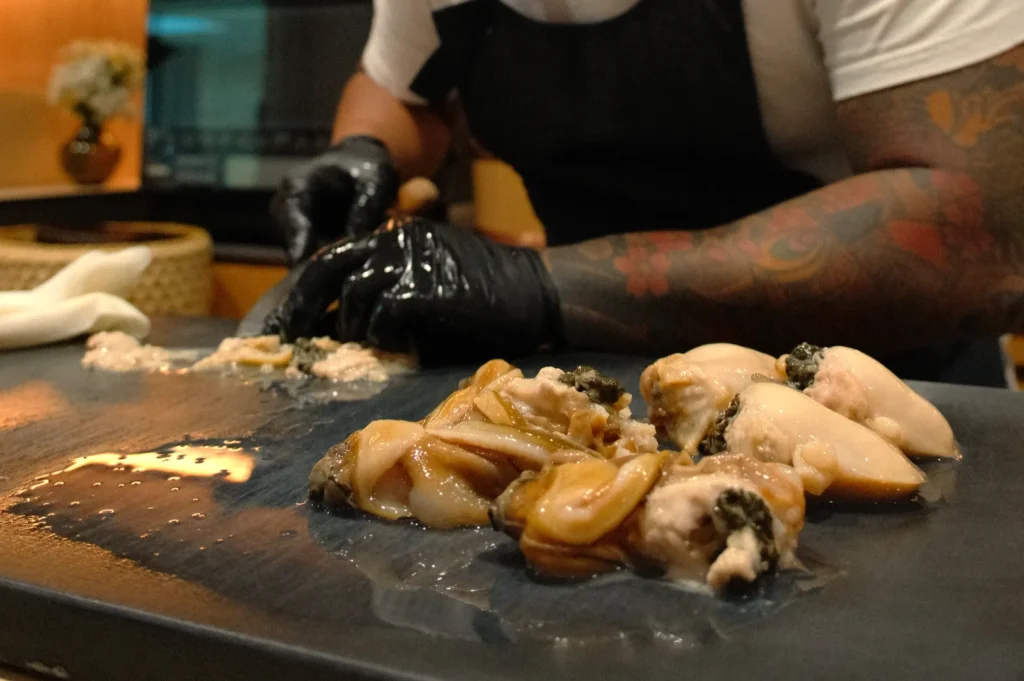
| Closing | A miso soup finished with clams, served towards the end of the meal |
This sequencing is intentional. Many diners are surprised to learn that miso soup, often assumed to be an appetiser elsewhere, is traditionally served closer to the end of a proper sushi course. It is meant to cleanse and comfort rather than open the appetite, and the addition of clams brings a gentle sweetness that rounds off the meal beautifully.
We recommend our guests book ahead and allow around two hours for the full experience, as rushing through an omakase course tends to undermine the very thing that makes it special: patience. A course built around timing and freshness cannot be hurried without losing something essential along the way.
Understanding the Rhythm of a Course
A well paced course is often compared to a piece of music, with quiet openings, a building middle section, and a considered close. Diners who arrive expecting a rushed sequence of dishes are often pleasantly surprised by how deliberate the pacing feels once the course begins.
Private Rooms, Cocktails and an Intimate Dining Experience
Beyond the food itself, the space plays a significant role in how a meal is remembered. Sushi Masa by Ki-Setsu offers private rooms for those who prefer a more intimate dining experience, whether that is a quiet dinner between two people or a small gathering of friends celebrating a special occasion.
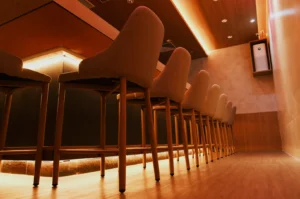
The room itself has been designed with warmth rather than spectacle in mind. Wood finishes, soft lighting and an uncluttered layout all work together to keep the attention where it belongs, on the counter and on the course being served.
For those who enjoy pairing their meal with drinks, thoughtfully selected options are available to complement the seafood rather than overpower it. We approach this the same way many refined cocktail bars do, treating each pairing as an extension of the meal rather than an afterthought.
Designing for Conversation, Not Just Consumption
A private room changes the tone of a meal. Conversation flows more easily, celebrations feel more personal, and the pace of the evening naturally slows down. For many guests, this quiet setting becomes just as memorable as the food itself.
An Invitation to Discover This Corner of Orchard Road
Cuppage Plaza’s sixth floor may not be the first place that comes to mind when planning a night out along Orchard Road, but it is exactly this element of surprise that makes the location so memorable. Away from the noise, in a room built for focus and craftsmanship, Sushi Masa by Ki-Setsu offers a dining experience shaped entirely around the ocean’s freshest offerings and the steady hand of a single, dedicated chef.
If you have never explored this quieter side of Orchard Road, we would be glad to welcome you. Book ahead, set aside a couple of hours, and let Chef Masa guide you through a course built purely around fresh seafood and time honoured Edomae technique. Sometimes, the best meal in the city is the one hiding quietly on the sixth floor, waiting for those curious enough to find it.