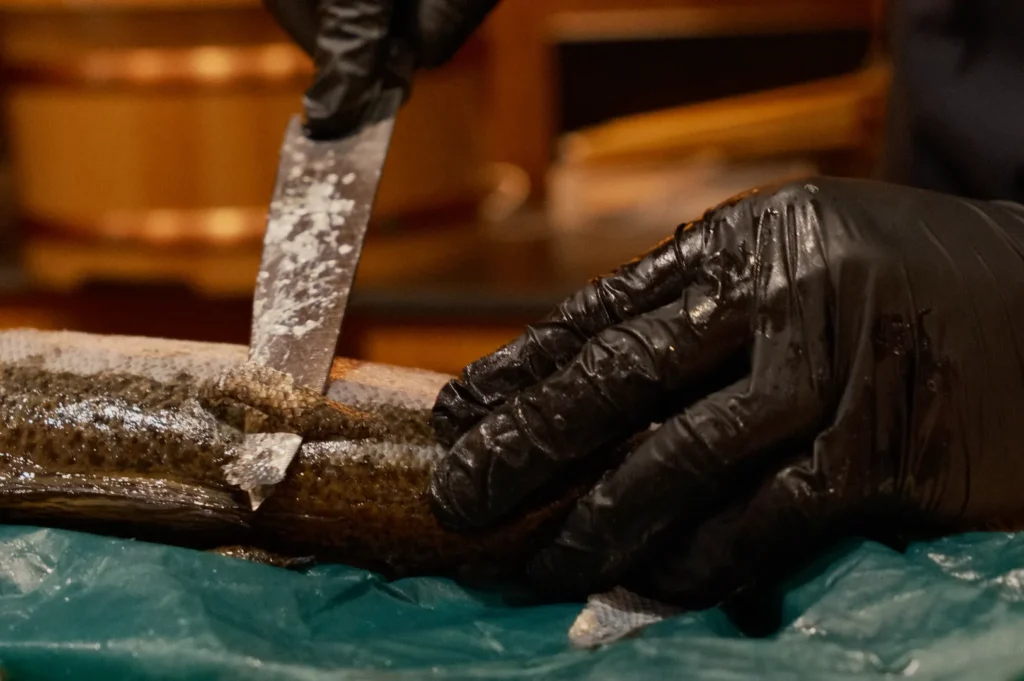
The relationship between white fish and sake is not fixed. It evolves dramatically depending on how the fish is ****cured, aged, or otherwise prepared before it reaches the sushi counter.
A slice of madai eaten minutes after filleting tastes little like the same fish pressed between kombu for a day. The flesh firms. The umami deepens. And with each shift, the ideal sake changes too. This is the quiet logic behind curing white fish sake pairing: preparation, not species alone, shapes the glass.
For anyone who loves the details behind a good meal, understanding these techniques opens up a new way to taste. Below, we walk through the main methods used in Japanese seafood preparation and how each one moves the pairing toward a different style of sake.
Why Preparation Changes the Pairing
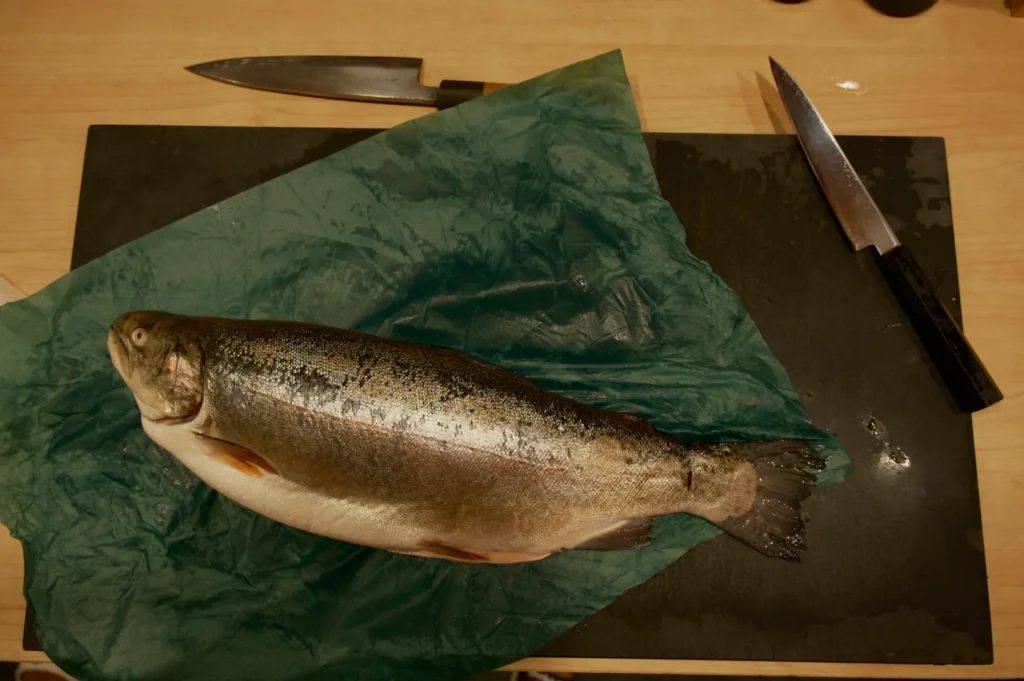
Fresh white fish is delicate. It carries clean, mild flavour and a light, springy texture. Curing and ageing are not about masking that. They are about drawing out what already lives inside the flesh.
These techniques alter three things at once: flavour, texture, and umami content. Each change asks something different from the sake beside it. A lighter, more restrained fish suits a lighter sake. As the flesh gains depth, the sake needs depth to match. Keep that spectrum in mind as we move through each method.
Kobujime: Kelp Curing and the Umami Boost
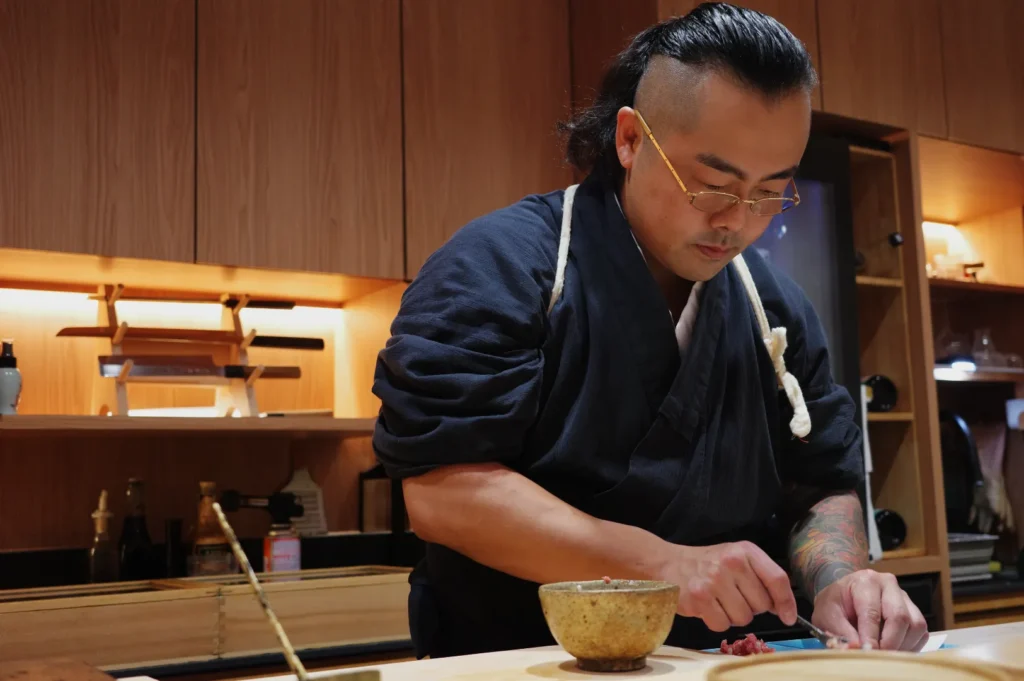
Kobujime, or kelp curing, is one of the most elegant ways to transform white fish. The fish is pressed between sheets of kombu, sometimes for a few hours, sometimes overnight.
Two things happen. First, the kombu draws moisture from the flesh, firming its texture and concentrating flavour. Second, glutamates from the kelp migrate into the fish. This matters because kombu is rich in glutamic acid, while white fish naturally holds inosinic acid, also known as IMP.
When these two meet, they create the classic umami synergy that chefs prize. Glutamate and inosinic acid together taste far greater than either alone. The result is a savoury depth that a fresh fillet simply cannot reach.
Fish such as madai, hirame, and suzuki respond beautifully to kobujime. Their mild character gives the kelp room to speak. Once cured this way, they call for a more umami-forward sake, something with body and roundness rather than the lightest, most delicate style. A junmai with gentle richness often meets kelp-cured fish on equal footing.
Brief Ageing: Enzymatic Depth Through Time
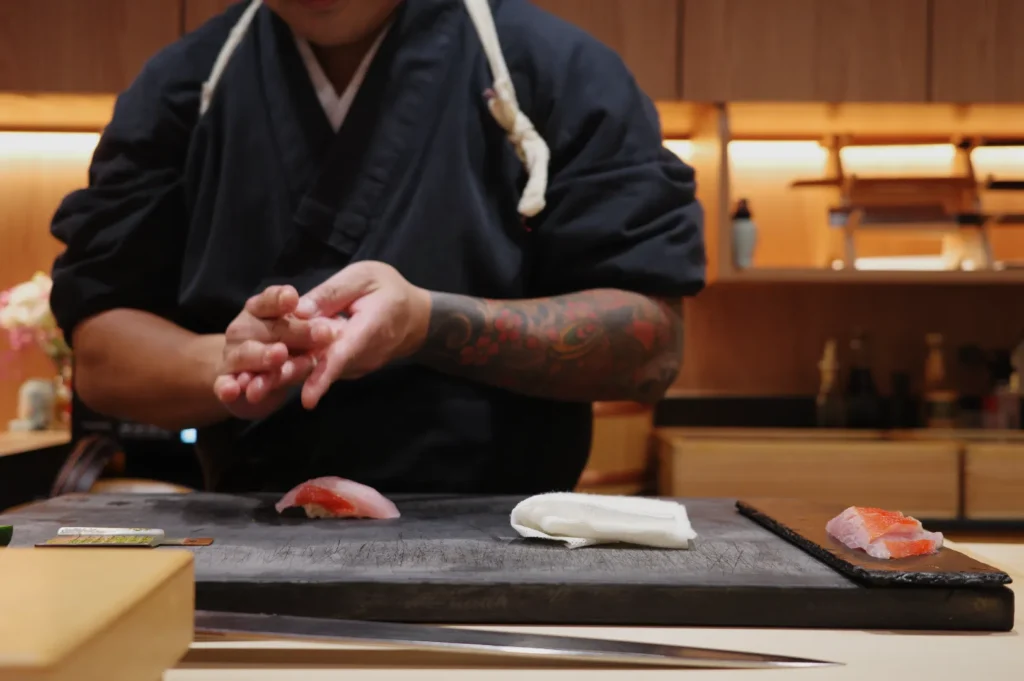
Ageing white fish, sometimes called jukusei, is a matter of patience and control. The fish rests under careful refrigeration, often for one to three days.
During this rest, the fish’s own enzymes go to work. They break down proteins into free amino acids and increase inosinic acid. This enzymatic tenderisation softens the flesh while deepening its flavour. What was firm and clean becomes silkier and more savoury.
This method suits larger specimens of hirame, madai, and other white fish, where there is enough flesh to age evenly. Smaller cuts can lose their character too quickly.
Because ageing brings both softer texture and greater umami, the pairing shifts again. The lightest sakes can feel thin against aged fish. A sake with corresponding depth, gentle structure, and a longer finish sits far more comfortably. Here, an aged sashimi junmai can echo the fish’s own quiet maturity.
Shime: Salt and Vinegar Curing
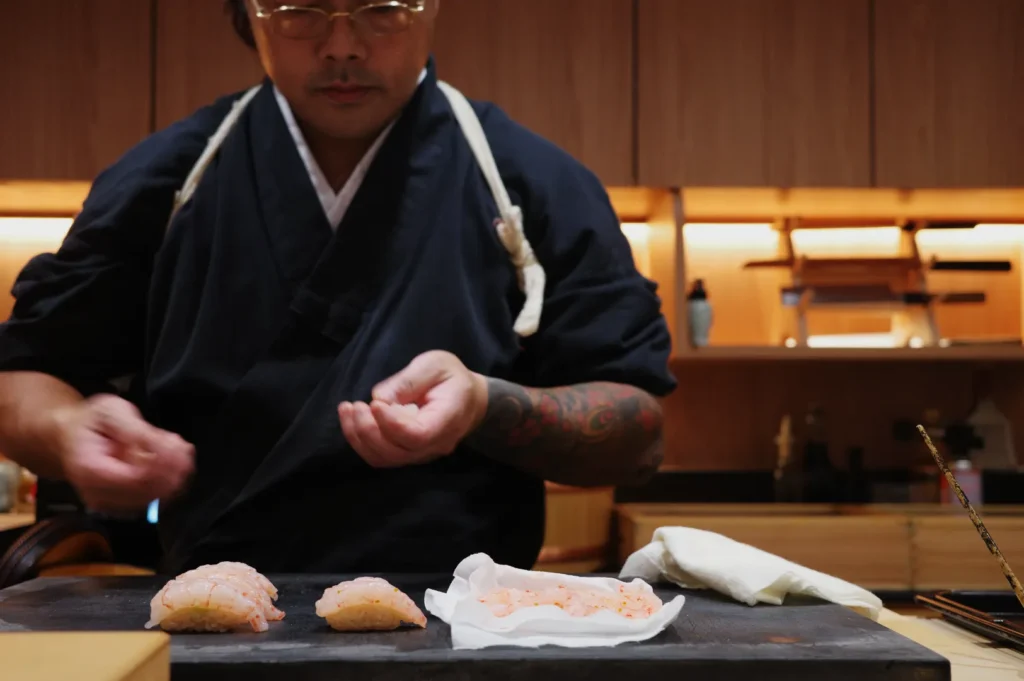
Shime is the method used for hikarimono, the small silver-skinned fish. Kohada, sayori, and kasugo are classic examples. Kohada, worth noting, belongs to the herring family, not the mackerel family, though it is often grouped with shiny-skinned fish on the counter.
The technique works in two stages. Salt is applied first, drawing out moisture and firming the flesh. Then rice vinegar follows, denaturing proteins and lending a subtle, bright acidity. The fish gains a clean tang, a firmer bite, and a savoury edge all at once.
This salt-acid-umami profile changes what the fish wants beside it. The natural partner is a clean, crisp sake with lively acidity of its own. Bright meets bright. A sake that mirrors that freshness keeps the pairing balanced, so neither the fish nor the glass overwhelms the other. These are some of the most rewarding sake pairing principles for seafood, where matching acidity does much of the quiet work.
Yushimo: Heat and the Sealing of Fat
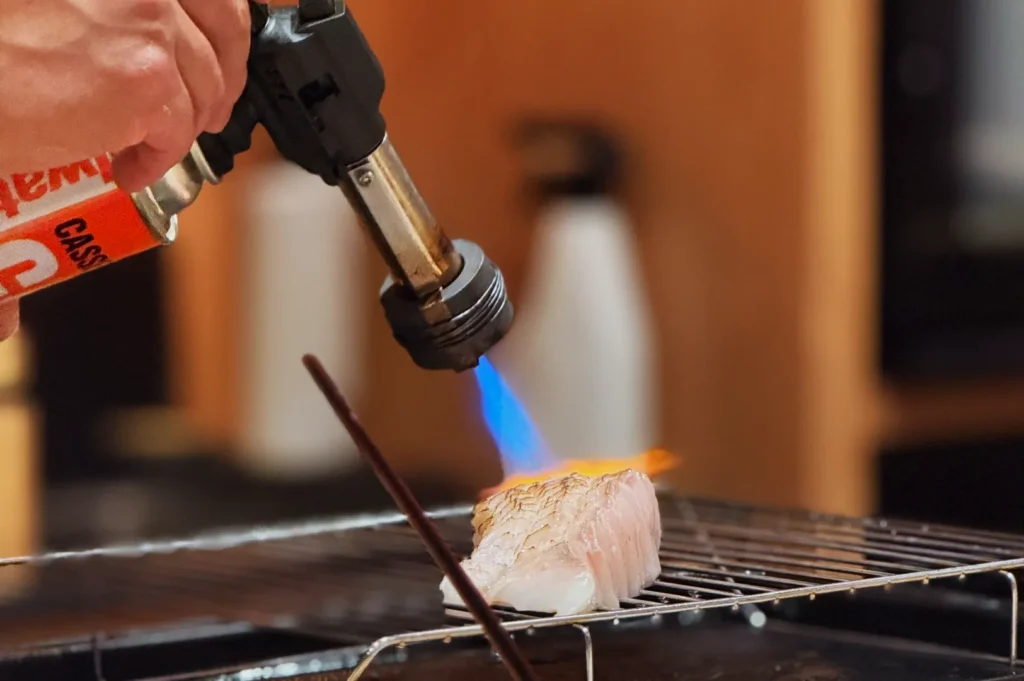
Yushimo is a gentler technique, often used on fish with skin worth keeping. Boiling water is poured over the skin, then the fish is quickly chilled.
The heat softens the skin, making it pleasant to eat, while sealing the fat just beneath. This concentrates flavour and shifts the texture, giving the fish a richer, rounder character than its raw form.
With that added richness, the pairing leans toward fuller sakes. A style with more presence and a soft, warming quality complements the concentrated flavour without cutting against it. In Singapore, where interest in fine sake continues to grow, exploring these fuller styles is part of the pleasure of learning good sake in Singapore and how it meets different preparations.
The Pairing Spectrum: From Fresh to Fully Cured
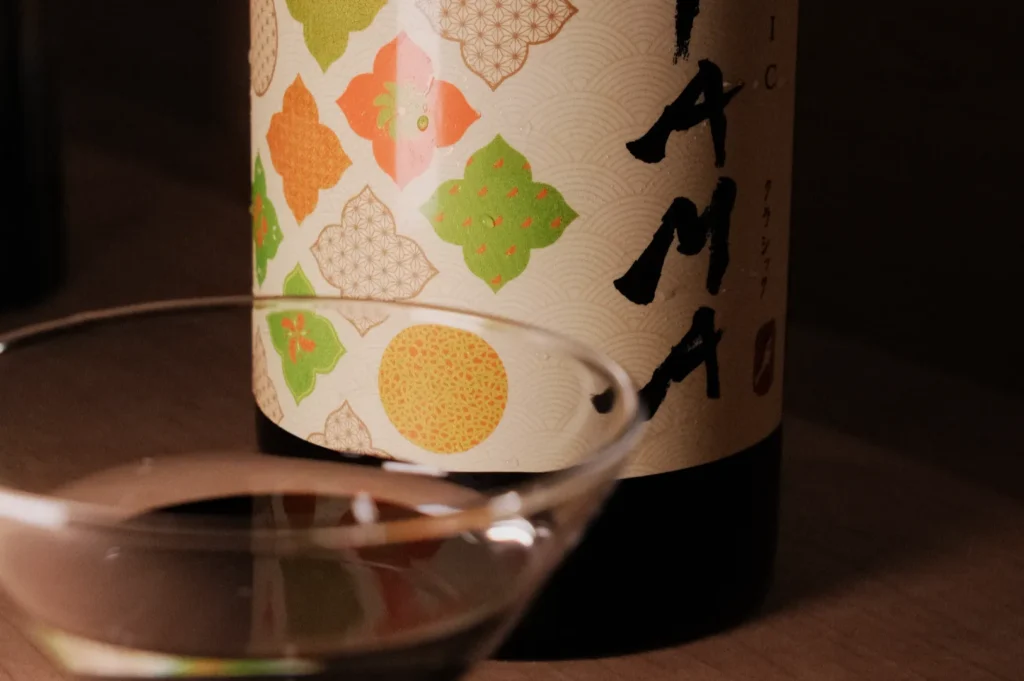
Step back, and a clear pattern appears. Each technique moves the fish along a spectrum, and the sake moves with it.
- Completely fresh, uncured white fish: the lightest, most delicate sakes, clean and restrained.
- Kelp-cured fish (kobujime): rounder, umami-forward sakes to match the glutamate-IMP synergy.
- Briefly aged fish (jukusei): sakes with depth and structure to meet softened, savoury flesh.
- Salt and vinegar cured fish (shime): crisp sakes with bright acidity that mirror the tang.
- Heat-treated fish (yushimo): fuller sakes that carry the richer, sealed-in flavour.
The rule is simple to remember. As curing and ageing deepen flavour, the sake grows more structurally complex to keep pace. There is no single correct choice, and regional and stylistic variations exist across Japan and beyond. Wild and farmed fish can also behave differently under the same technique. Still, the direction of travel holds true, and it gives you a reliable map for your own tasting.
A Closing Thought
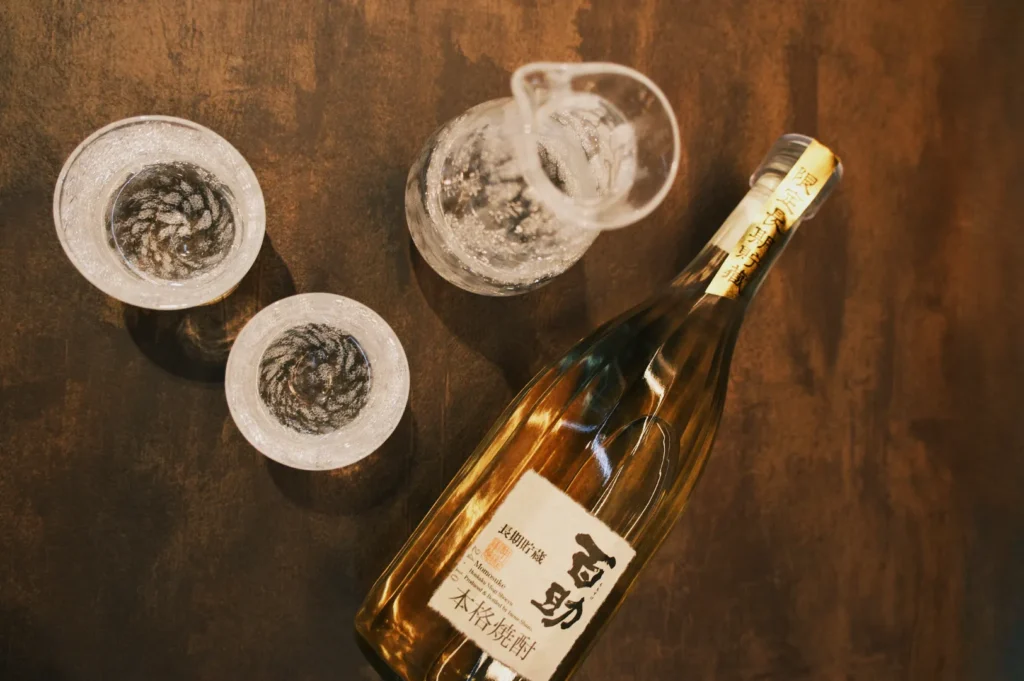
Once you notice it, you cannot unsee it. The same fish, prepared two ways, asks for two different glasses. This is the heart of curing white fish sake pairing: the knife and the kelp matter as much as the name on the menu.
The next time you sit for a tasting, watch how each piece has been prepared. Ask what changed, and why the sake beside it was chosen. That attention is exactly what a Japanese omakase at Sushi Masa invites, where each piece is placed with intention and every pairing has purpose. Taste slowly, and the connection reveals itself.
Frequently Asked Questions
Does Kelp Curing Make White Fish Taste Fishy?
No. Kobujime deepens savoury umami rather than fishiness. The kombu adds glutamates that combine with the fish’s natural inosinic acid, creating a rounder, more concentrated flavour while firming the texture.
Why Does Aged Fish Need a Different Sake Than Fresh Fish?
Ageing softens the flesh and increases free amino acids and inosinic acid, deepening umami. Lighter sakes can feel thin against this depth, so a sake with more body and structure makes a better match.
Which Sake Suits Vinegar-Cured Fish Like Kohada?
Fish prepared with shime carry a salt-acid-umami profile with subtle acidity. A clean, crisp sake with bright acidity of its own tends to pair best, keeping both fish and sake in balance.