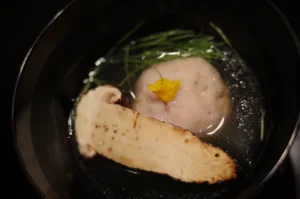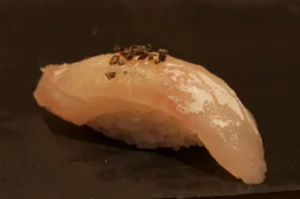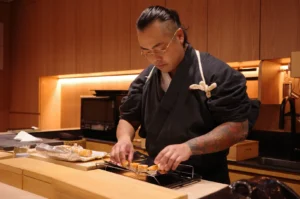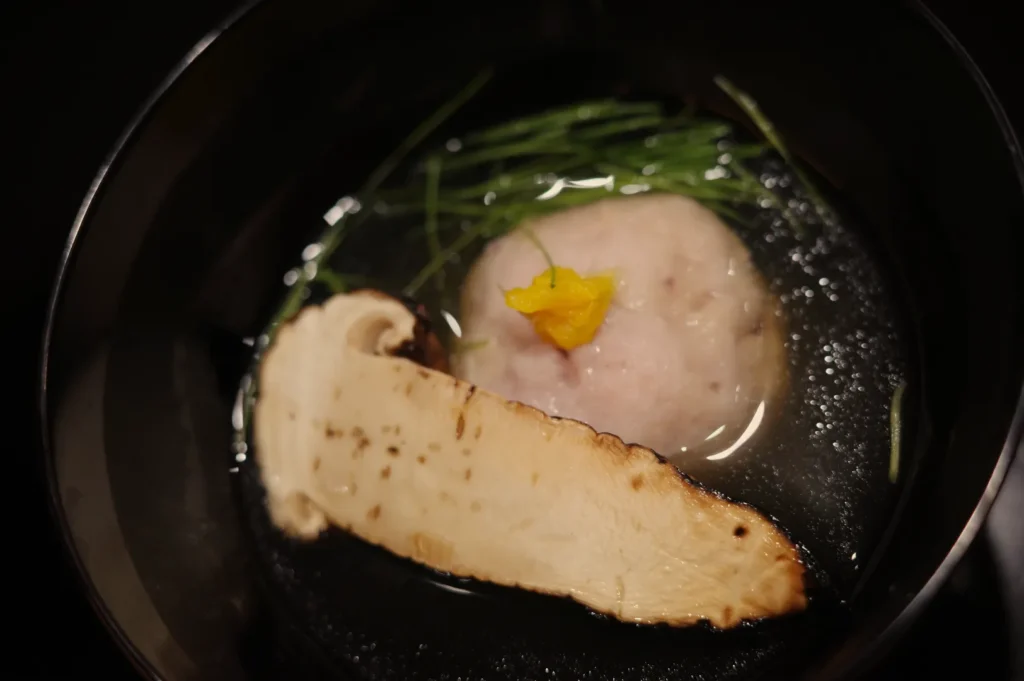
There is a quiet kind of magic in a bowl of Japanese soup that tastes deep, warm and strangely comforting. Yet it contains no cream, no heavy stock bones and no elaborate seasoning. That magic has a name: dashi.
At Sushi Masa by Ki-Setsu, we consider dashi one of the most underrated pillars of Japanese cuisine. It is a foundation so essential that it quietly supports everything from a simple bowl of miso soup to the most refined simmered dishes served during an omakase Singapore course. Understanding dashi broth ingredients is, in many ways, understanding the soul of Japanese cooking itself.
Unlike Western stocks that rely on hours of simmering bones and vegetables, dashi is built from a handful of humble, dried ingredients and a short amount of time. The result is a broth defined by umami, that elusive fifth taste that gives Japanese dishes their signature savoury depth. Here, we explore what goes into dashi, why each ingredient matters and how this centuries old tradition continues to inform the way we think about flavour at Sushi Masa by Ki-Setsu.
What Exactly Is Dashi?
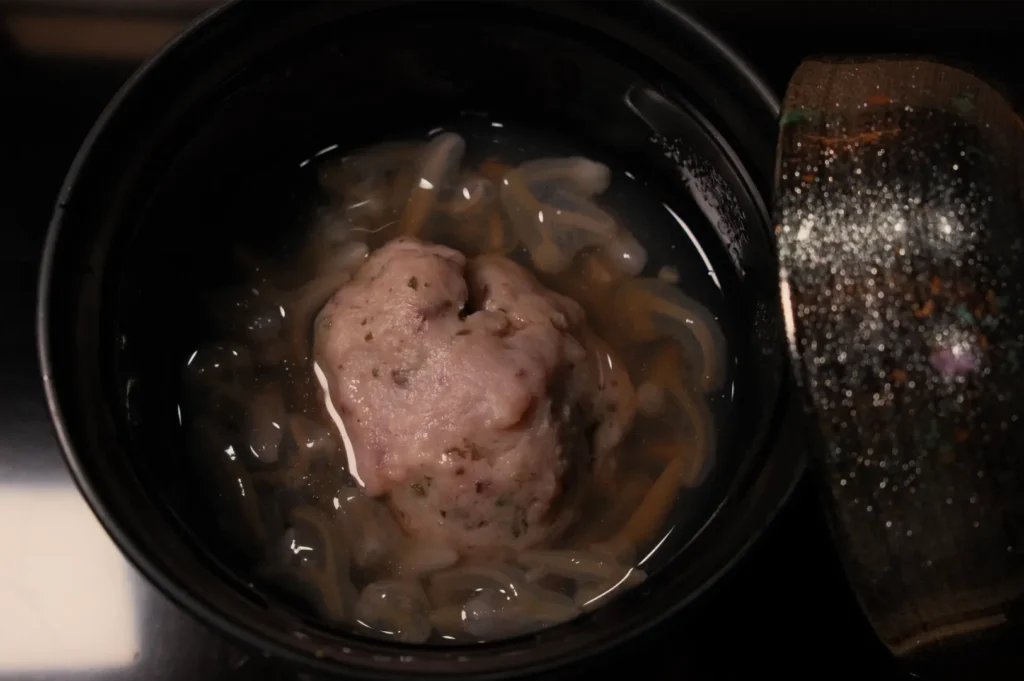
Dashi is a foundational Japanese stock used as the base for soups, simmered dishes, sauces and countless other preparations across Japanese cuisine. It is prized not for boldness but for subtlety, offering a clean savoury undertone that enhances rather than overwhelms the ingredients built upon it. This is precisely why dashi has remained central to Japanese cooking for centuries. It does not compete with delicate seafood or seasonal vegetables, it simply elevates them.
At its heart, dashi relies on the natural umami compounds found in a small number of dried ingredients. Most classic recipes use just two or three components, yet the resulting liquid carries remarkable complexity. This economy of ingredients reflects a broader philosophy found throughout Japanese cuisine, where restraint and precision are valued over excess.
It is a philosophy we hold closely at Sushi Masa by Ki-Setsu, where every element on the counter, from the rice to the seasonal fish flown in from Toyosu market, is chosen with quiet discipline.
The Two Essential Dashi Broth Ingredients
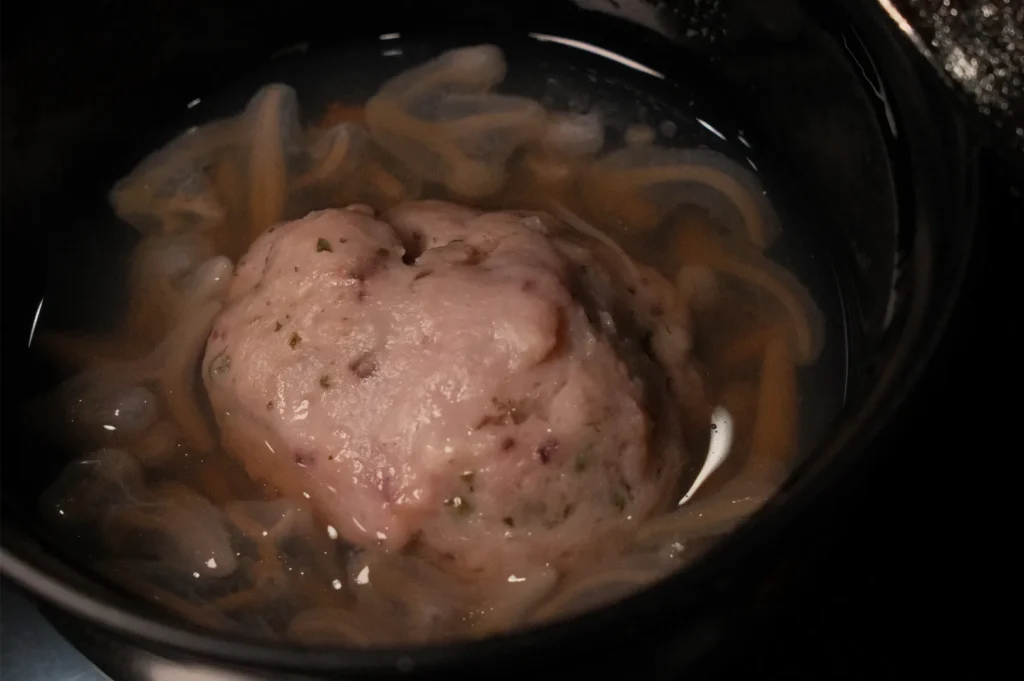
When people speak of classic dashi, they are usually referring to a stock made from two ingredients above all others: kombu and katsuobushi. These two ingredients form the backbone of what is known as ichiban dashi, or first dashi, prized for its clarity and delicate aroma.
Kombu: Dried Kelp with Natural Sweetness
Kombu, a type of dried kelp harvested largely from the cold waters around Hokkaido, is one of the most important dashi ingredients in Japanese cooking. It carries a naturally occurring compound called glutamate, which is largely responsible for umami flavour. Beyond umami, good kombu offers a subtle sweetness and a faint oceanic aroma without tasting overtly of the sea.
To prepare kombu for dashi, it is typically soaked in cold water for a period before being gently heated. This slow approach draws out flavour without releasing the bitter or slimy qualities that can emerge if the kelp is boiled too aggressively. Many home cooks wipe the kombu lightly rather than washing it thoroughly, since the fine white residue often visible on the surface actually holds concentrated flavour.
Katsuobushi: The Craft of Dried Bonito Flakes
The second pillar of ichiban dashi is katsuobushi, commonly known as bonito flakes or dried bonito flakes. Katsuobushi begins as fillets of skipjack tuna that are simmered, smoked and, in traditional production, sometimes fermented over weeks or even months until they become remarkably hard, dense blocks. These blocks are then shaved into impossibly thin flakes just before use.
When you add katsuobushi to a pot of kombu infused water and bring it briefly to a simmer, the flakes release inosinate. This is another umami compound, one that works in tandem with the glutamate from kombu. Together, the two compounds create a synergistic effect, meaning the combined savoury depth is far greater than what either ingredient could achieve alone. It is part of the reason dashi has such a distinctive, almost impossible to replicate aroma and taste.
At Sushi Masa by Ki-Setsu, Chef Masa treats this pairing with the same respect given to any technique passed down through generations of Japanese culinary tradition.
Making Ichiban Dashi at Home
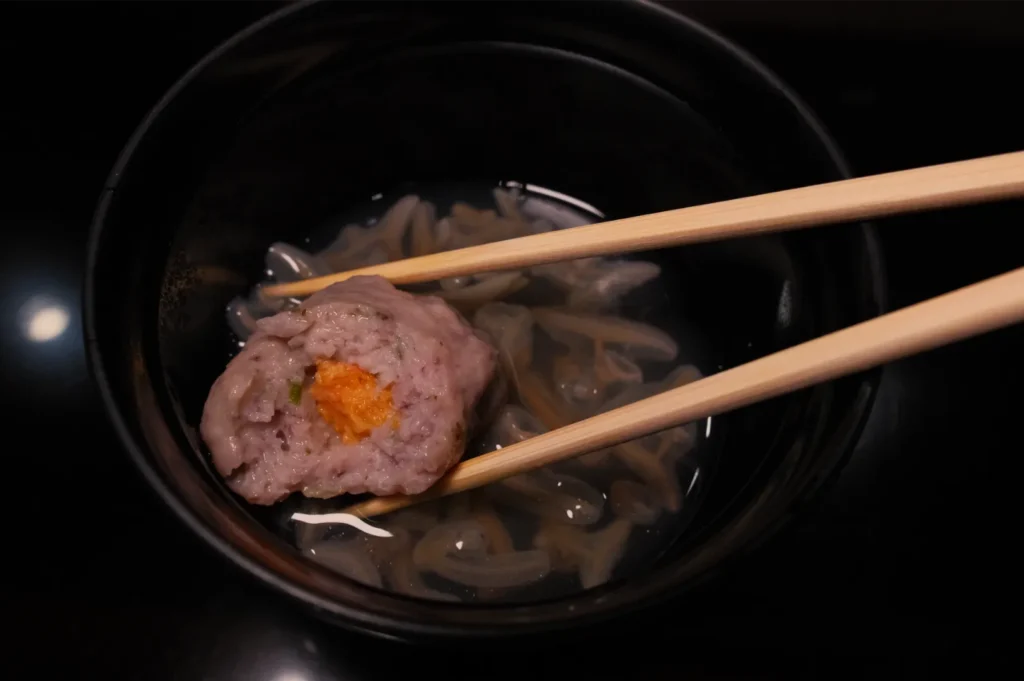
For those curious about homemade dashi, the process is far simpler than many expect, though timing and gentle heat are everything. A piece of kombu is placed in a medium saucepan with cold water and left to soak, ideally for thirty minutes or longer, allowing the kelp to slowly release its flavour into the liquid.
The saucepan is then set over medium heat and slowly brought toward a simmer. Just before the water reaches a full boil, the kombu should be removed, since prolonged boiling can introduce bitterness and cloud the otherwise clear liquid. Once the kombu is out, the heat is briefly adjusted so the water shows only small bubbles rather than a rolling boil. This is the moment to add katsuobushi.
The bonito flakes need only a very short steep, often just a minute or two, before the pot is removed from the heat entirely. The flakes are left to settle before the liquid is strained through a fine cloth or sieve, yielding a pale golden broth with a fragrant, savoury aroma.
This finished liquid is ichiban dashi, prized above all others for its clarity and refined flavour. It forms the base for many of the lighter soups and simmered dishes found throughout Japanese dining.
Niban Dashi: The Second Extraction
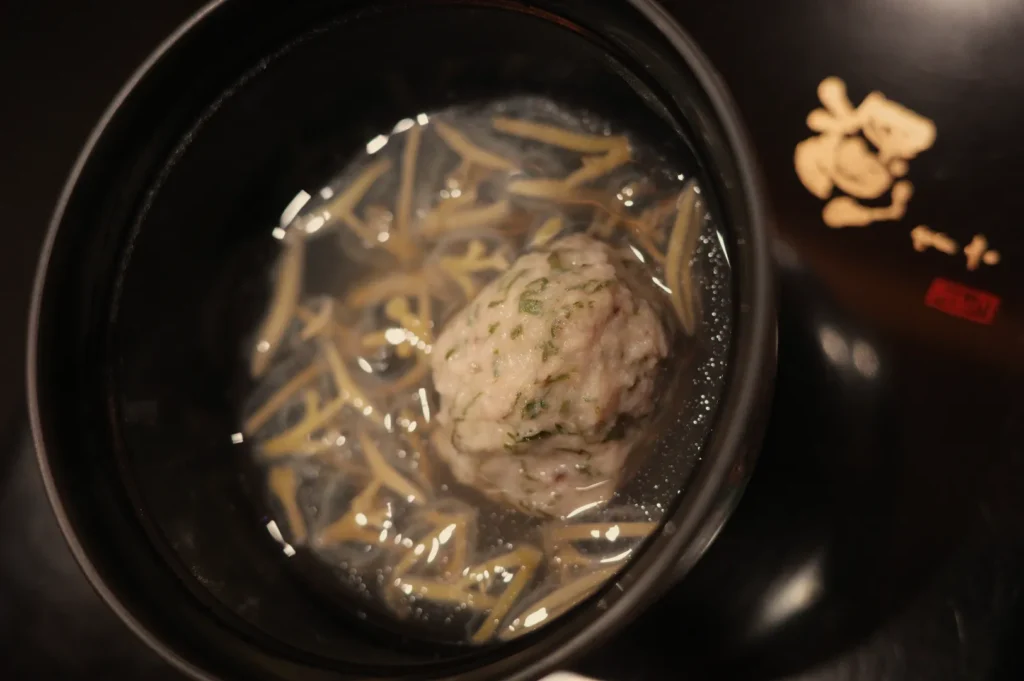
Once the kombu and katsuobushi used for ichiban dashi have given up their finest flavour, they are not necessarily discarded. Many Japanese kitchens make use of niban dashi, a second, slightly less refined stock made by simmering the same used ingredients again, sometimes with a small additional amount of fresh katsuobushi.
Niban dashi carries a heartier, more pronounced flavour than the delicate first extraction, making it well suited to heavier simmered dishes, sauces and everyday cooking where a lighter touch is not required. This practice reflects a respect for ingredients that runs throughout Japanese culinary tradition, ensuring nothing of value goes to waste. It is a mindset that resonates with our own approach at Sushi Masa by Ki-Setsu, where the same discipline applied to sushi rice is applied to every element of the kitchen, however small.
Other Dashi Ingredients Worth Knowing
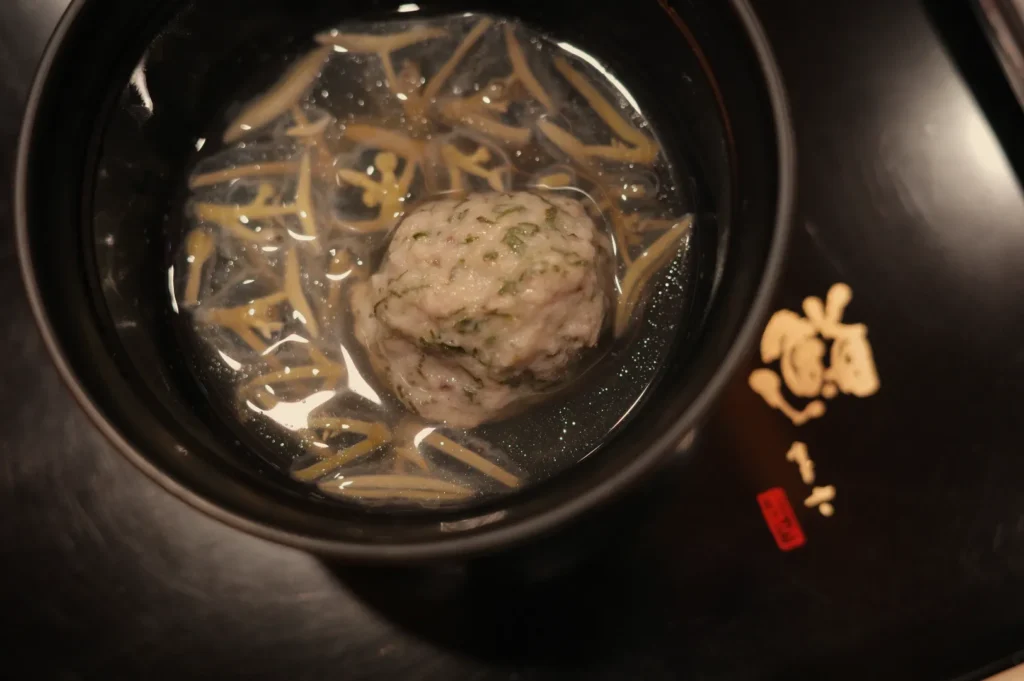
While kombu and katsuobushi form the classic pairing, they are far from the only dashi ingredients used across Japan. Regional traditions and specific dishes call for a variety of alternatives, each lending a distinct character to the finished broth.
Dried Shiitake for Vegan Dashi
Dried shiitake mushrooms are among the most valued dashi ingredients for those seeking a vegan dashi or a fully vegetarian option. Rehydrating dried shiitake in cold water over several hours, or even overnight in the refrigerator, draws out guanylate. This is a third umami compound, distinct from those found in kombu or katsuobushi. The resulting liquid carries an earthy, woodland depth that pairs beautifully with kombu to create a rich, entirely plant based stock. This combination is often favoured in temple cooking traditions across Japan, where dashi made without any fish or shellfish has long been essential.
Niboshi: Dried Anchovies and Dried Fish
Another traditional dashi ingredient is niboshi, small dried anchovies or dried sardines that are simmered to produce niboshi dashi. This style of stock carries a noticeably stronger, more assertive fish forward flavour compared with the delicate ichiban dashi made from katsuobushi. Niboshi dashi is a favourite base for miso soup and heartier noodle dishes in many households across Japan, particularly where a bolder aroma is welcomed rather than avoided.
Instant Dashi and Dashi Granules
For busy households, instant dashi and dashi granules offer a convenient shortcut, delivering a close approximation of traditional dashi stock without the soaking, simmering and straining of making it from scratch. These products typically combine dried, powdered versions of kombu and katsuobushi extracts, sometimes with added salt, and can be dissolved directly into hot water.
While dashi granules certainly have their place in everyday home cooking, particularly for quick weeknight meals, they rarely replicate the layered complexity and clean aroma of dashi made from whole, unprocessed ingredients. At Sushi Masa by Ki-Setsu, our approach favours the slower, more deliberate route. Just as Chef Masa insists on ingredients flown in daily from Toyosu market rather than relying on convenience, we believe the extra care given to fresh dashi ultimately shows in the finished dish.
Storing Dashi and Its Ingredients
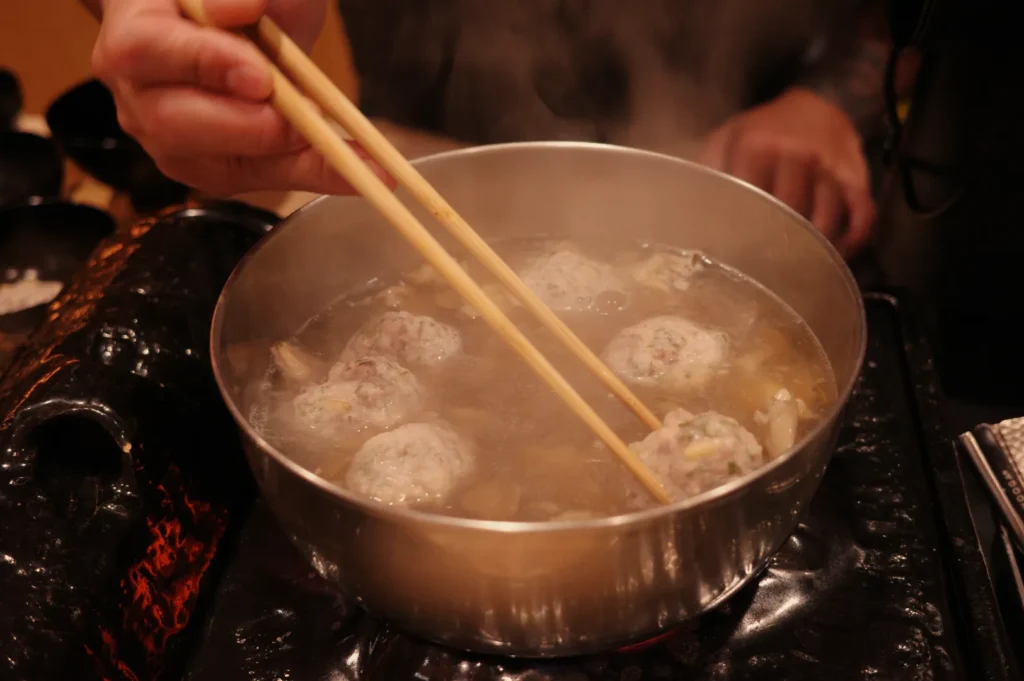
Fresh dashi is best used the same day, though it can be kept in an airtight container in the refrigerator for a short period if needed. Dried kombu and katsuobushi keep extremely well when stored in a cool, dry place away from moisture, part of why they remain pantry staples across Japan.
Dried shiitake mushrooms and niboshi similarly store well in airtight conditions, making it possible to keep a small collection of dashi ingredients on hand for whenever the mood for a simmered dish, a comforting soup or a quick pot of miso soup arises.
Why Dashi Matters at Sushi Masa by Ki-Setsu
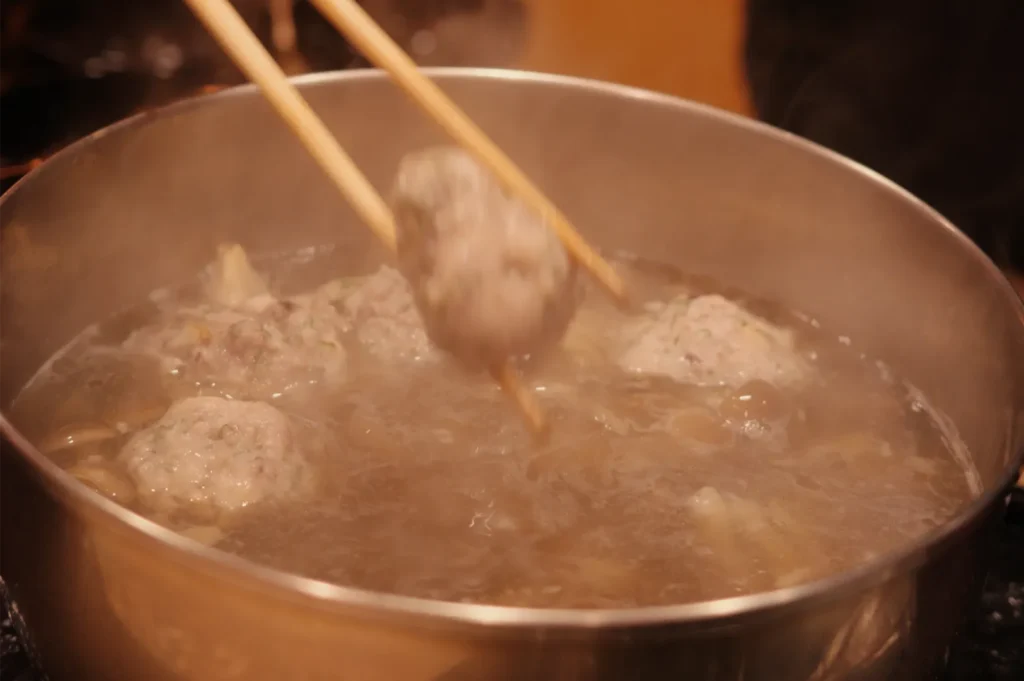
Although our omakase experience centres around the artistry of nigiri and sashimi crafted personally by Chef Masa, the principles behind dashi inform much of what we value in the kitchen. Restraint, patience and respect for natural umami are ideas that run through Edomae style preparation as much as they do through a pot of simmering kombu. Towards the latter stages of our course, guests are served a stage cooked with clams that leads into miso soup. It is a quiet, comforting note that closes the meal with the same subtlety found in a well made dashi.
We believe that understanding ingredients such as kombu, katsuobushi and dried shiitake deepens an appreciation for Japanese cuisine as a whole, well beyond the sushi counter itself. It is this same appreciation that guides every seasonal course served within our intimate eight seat setting at Cuppage Plaza.
A Final Thought on Dashi Broth Ingredients
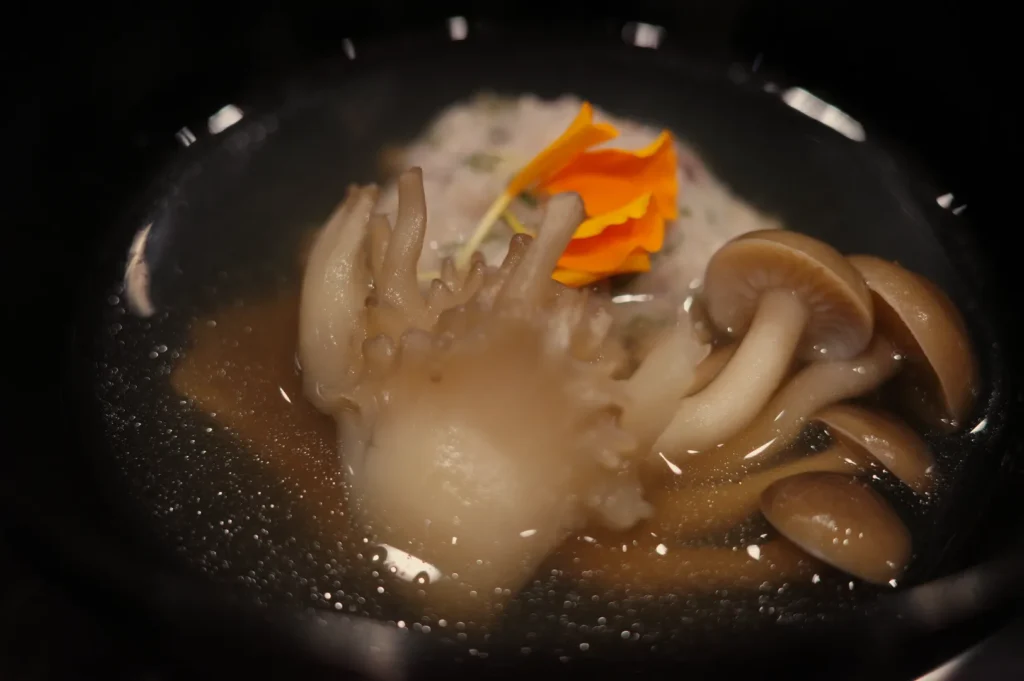
From the clean, oceanic sweetness of kombu to the smoky depth of katsuobushi, and from the earthiness of dried shiitake to the boldness of niboshi, dashi broth ingredients offer a remarkable range of flavour built from remarkably simple means. Whether made fresh at home or reached for in the convenient form of instant dashi, this humble stock remains one of the great quiet achievements of Japanese culinary tradition.
We invite you to experience how these same principles of quality, patience and craftsmanship come alive on our counter. Join us at Sushi Masa by Ki-Setsu for an evening where every element, down to the subtlest notes in the broth, has been considered with care.