Dining in SG: Navigating Japanese Culinary Excellence in Singapore Restaurants
The landscape of dining in SG is a vibrant, ever-evolving tapestry woven from a rich multicultural heritage, with Singaporean food at its heart, and a forward-thinking global perspective. The city’s renowned hawker centres are essential hubs for experiencing authentic local cuisine, offering beloved dishes like laksa, char kway teow, and rojak in a lively, communal setting.
The city’s status as a global food and heritage destination is reflected in its diverse offerings, from bustling hawker centres to world-class fine dining. As purveyors of a centuries-old culinary tradition, we have always been inspired by the city’s vibrant food scene and its deep appreciation for authenticity, craftsmanship, and the stories behind the food we eat.
This article is a celebration of that spirit. We will journey through the evolution of Singapore’s dining culture, exploring what makes it so special. From understanding the importance of seasonal ingredients to embracing the profound philosophy of omakase dining, this guide is for anyone who seeks more from their meals—not just food, but a genuine connection to craft and culture.
The Evolution of the Best Hawker Stalls
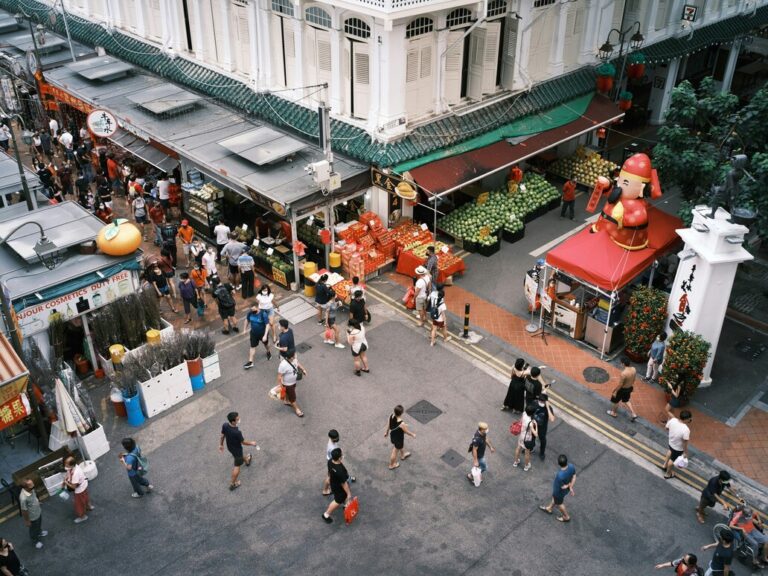
The story of dining in SG is a reflection of its history. For decades, the island’s food identity was defined by its incredible street food culture—a melting pot of Chinese, Malay, Indian, and Peranakan flavors. Iconic dishes such as nasi lemak, laksa, and char kway teow each hold deep cultural significance, with nasi lemak featuring fragrant rice cooked in coconut milk, laksa known for its spicy broth, and char kway teow celebrated for its stir-fried wide rice noodles and savory flavors.
Many locals continue to frequent these traditional food spots, keeping the vibrant hawker culture alive. This foundation created a populace with a discerning palate and a deep-seated passion for good food, as locals have shaped the food culture through their preferences. Over time, as Singapore grew into a global economic hub, its culinary scene began to transform.
From Hawker Centres Favorites to Global Cuisines
The initial evolution saw a rise in fine dining establishments, introducing European culinary techniques and luxury ingredients to the local scene. However, the most significant shift has been the explosion of diverse, high-quality international cuisines. Today, dining Singapore offers a staggering variety of authentic global food experiences, showcasing an incredible spectrum of flavours—from regional Italian traditions to complex Thai flavors. This has cultivated a dining public that is not only adventurous but also highly knowledgeable, demanding authenticity and quality above all else.
With so many tempting cuisines and unique flavours to explore, diners often have to decide where and what to eat, making each meal an exciting culinary adventure. While cheap and delicious local food is easily found at hawker centres and casual eateries, Singapore also boasts a vibrant scene of upscale international dining options for those seeking a more refined experience.
The Rise of the Discerning Diner
This evolution has created a new kind of diner—one who seeks more than just a meal. Today’s diners are interested in the “why” behind their food: the origin of the ingredients, the story of the chef, and the philosophy of the restaurant. There is a growing appreciation for craftsmanship, sustainability, and experiences that are both personal and memorable, especially those that excite and satisfy their taste buds.
This shift has paved the way for culinary concepts that are deeply rooted in tradition and artistry, such as the Japanese dining experiences we cherish. The true test of a discerning diner is their willingness to seek out and appreciate authentic, skillfully prepared dishes, even if it means waiting in line or exploring lesser-known spots.
Japanese Cuisine's Role in Singapore's Culinary Landscape
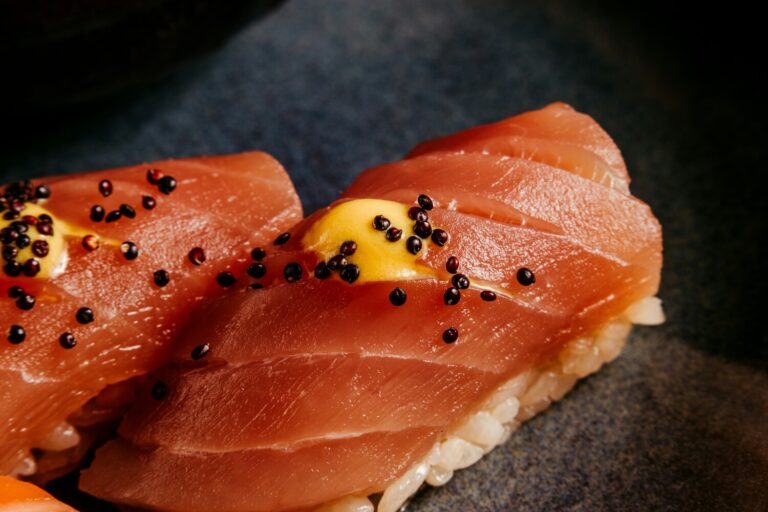
Within this diverse culinary landscape, Japanese dining has ascended to a place of particular reverence. The principles that underpin Japanese cuisine—seasonality, simplicity, and a profound respect for ingredients, especially the use of fresh seafood and produce—resonate deeply in a city that values quality. The demand for authentic Japanese cuisine in Singapore has grown exponentially, leading to a vibrant scene that ranges from casual izakayas to world-class sushi experiences.
This is not just a trend; it’s a testament to a shared philosophy. For a deeper look into the world of authentic Japanese dining, our guide on Dining in Singapore Restaurants: Discovering Japanese Culinary Excellence explores what sets these exceptional establishments apart. The role of Japanese cuisine in Singapore is to offer a different kind of dining experience—one that is quieter, more focused, and deeply connected to the rhythms of nature. Many Japanese restaurants in Singapore are also celebrated for introducing bold new flavours, blending traditional techniques with creative innovation.
Understanding Quality vs. Quantity in Dining Experiences
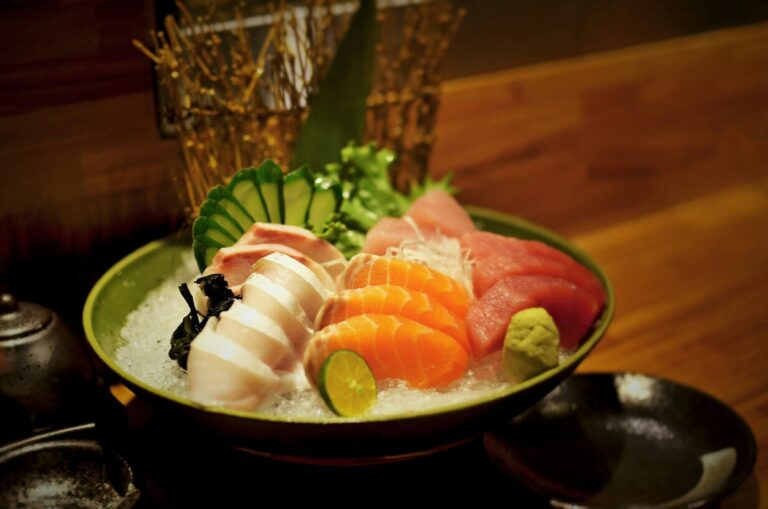
In a city with endless options, it can be tempting to seek out variety and volume. However, the most memorable dining experiences often come from a focus on quality over quantity. This is a core tenet of Japanese philosophy. Rather than ordering from the whole menu, many of the best establishments present a curated selection of dishes that showcase the very best ingredients of the day. Tasting menus exemplify this approach, offering a carefully crafted, multi-course journey that highlights seasonal ingredients and the chef’s signature creations.
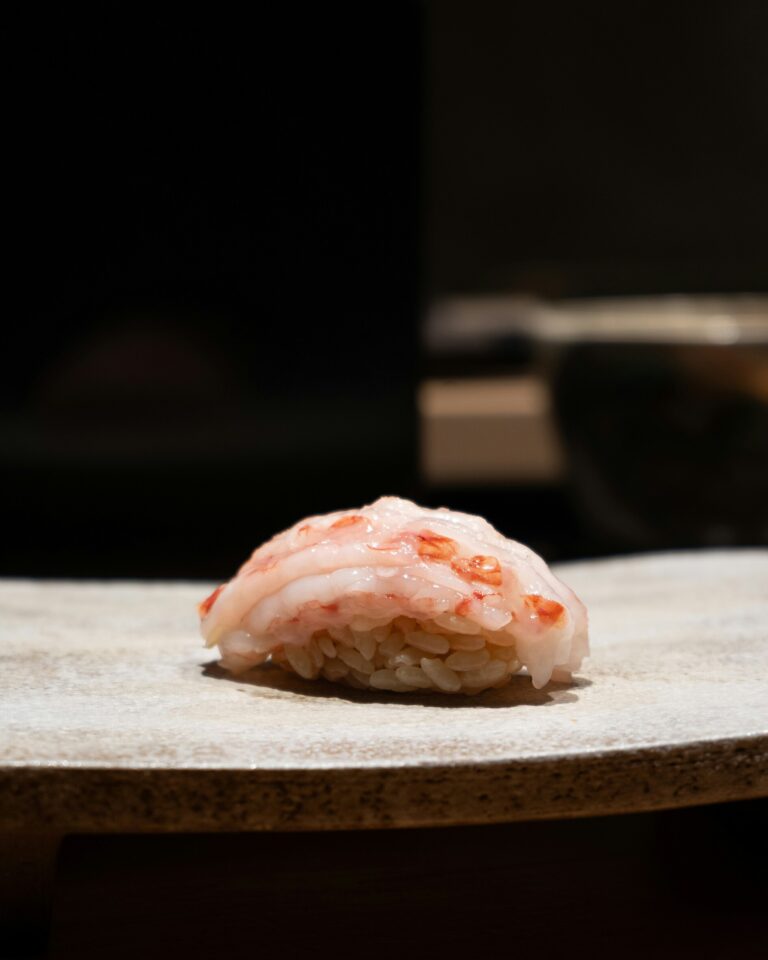
This approach ensures that every single item served is of the highest possible standard. It is a philosophy built on confidence—the confidence of a chef who knows that a few perfect, meticulously prepared dishes will leave a more lasting impression than a hundred mediocre ones. This is particularly true in sushi experiences, where the quality of a single piece of fish can define the entire meal. The presentation and attention to detail in each dish served further elevate the omakase experience, ensuring that every course is both visually stunning and thoughtfully composed.
The Art of Omakase: A Different Approach to Dining
The pinnacle of the “quality over quantity” philosophy is omakase dining. The word “omakase” translates to “I’ll leave it up to you,” and it represents the ultimate expression of trust between a diner and a chef. In an omakase experience, there is no menu. Instead, you entrust your meal entirely to the chef, who crafts a unique, multi-course journey based on the freshest seasonal ingredients available, making it an unforgettable dinner occasion.
A Journey of Trust and Discovery
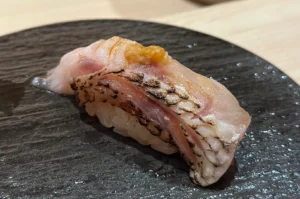
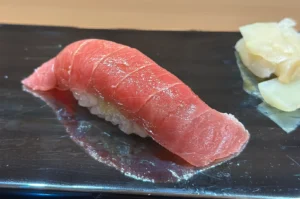
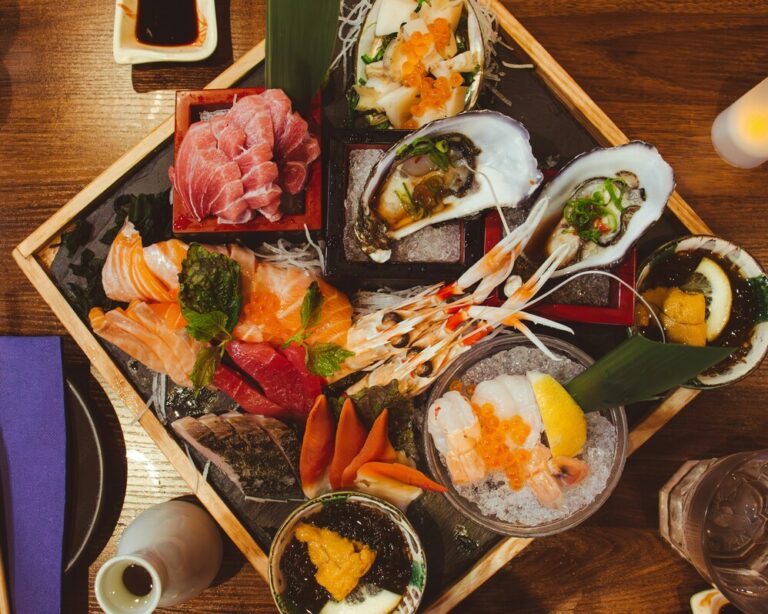
This approach to dining is a departure from the norm. It requires an open mind and a willingness to be surprised. At Sushi Masa by Ki-Setsu, this is the only way we serve our guests. For those seeking something special, our omakase is a true treat—an experience where Chef Masa expresses his creativity fully and presents ingredients at their absolute peak. Each evening service is a new story, a new exploration of flavor and texture. Recently, diners ate delicate slices of Hokkaido scallop sashimi, buttery uni, and expertly crafted nigiri, each dish offering a unique taste of the season.
The Role of the Chef
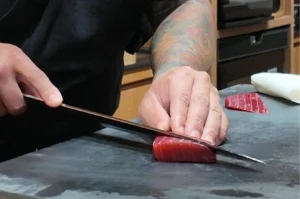
In an omakase setting, the chef is more than a cook; they are your host, your guide, and your storyteller. The intimate counter seating, a hallmark of traditional sushi experiences, allows for a direct connection. You can watch as Chef Masa masterfully prepares each course, and you can learn about the origin of the fish, the aging process, and the history of the Edomae tradition. This interaction transforms the meal from a passive act of eating into an active, engaging, and educational journey.
Seasonal Ingredients and Their Importance
A true measure of an authentic dining experience, especially in Japanese cuisine, is a profound reverence for seasonality. In Japan, this concept is known as shun, and it refers to the peak season of a particular ingredient when it is at its most flavorful and abundant.
A chef dedicated to this principle will build their entire menu around what is best at that moment. This is why our ingredients are air-flown daily from Japan’s Toyosu Market. This commitment ensures that we are not bound by a static menu but are free to celebrate the fleeting beauty of each season.
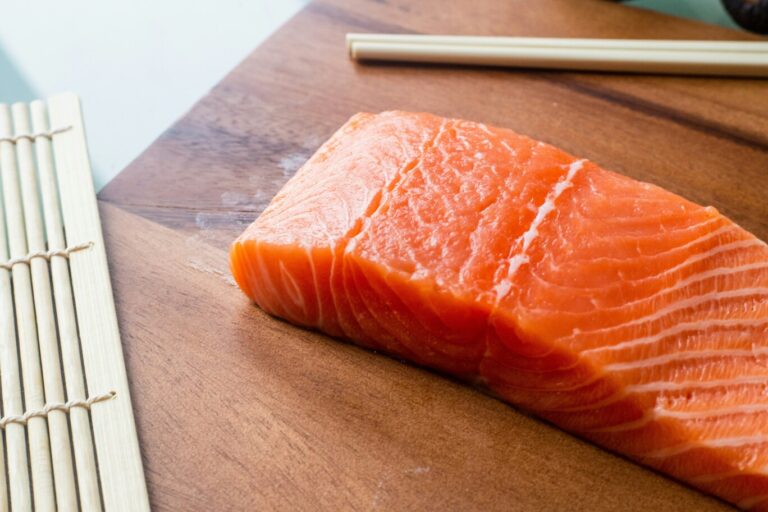
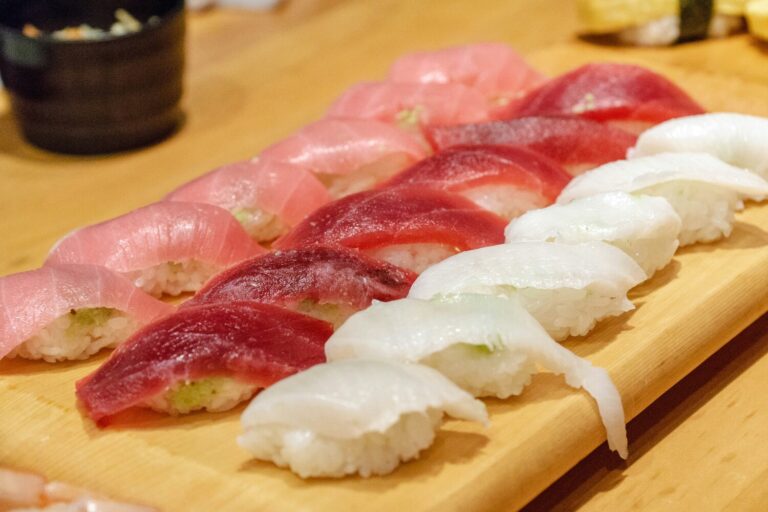
Whether it’s the rich, fatty tuna of winter, the delicate, sweet sea bream of spring, seasonal vegetables, or premium cuts of meat, seasonal ingredients are the heart and soul of an authentic meal. Simple ingredients like salt, eggs, and butter are thoughtfully used to enhance the natural flavors of each dish, reflecting the importance of these elements in both Japanese and Singaporean culinary traditions. Soft boiled eggs, in particular, are beloved in both cultures as a breakfast staple, prized for their delicate texture and ability to complement a variety of flavors.
How to Choose Authentic Dining Experiences
With so many options for dining in Singapore, how can you identify a truly authentic experience? One way is to visit restaurants known for their authenticity and dedication to traditional techniques.
Here are a few things to look for:
- A Focus on Ingredients: Does the restaurant talk about where its ingredients come from? A passionate establishment will be proud of its sourcing.
- Expertise and Craft: Is the kitchen led by a chef with deep knowledge and experience in their specific cuisine? True mastery is often quiet and evident in the precision of the work.
- A Curated Menu: A smaller, more focused menu is often a sign of confidence and a commitment to quality. Look for the inclusion of traditional side dishes, such as kaya toast—a classic Singaporean breakfast staple—or authentic stuffed dishes like stuffed tofu or vegetables, which can add variety and showcase the restaurant’s authenticity.
- Atmosphere and Intention: Does the space feel intentional? The location of the restaurant can greatly enhance the dining experience, whether through its neighborhood ambiance, accessibility, or unique setting. For example, establishments near Jalan Besar benefit from the area’s reputation as a vibrant culinary hub known for late-night dining and local delicacies. A great restaurant creates an atmosphere that complements its food and philosophy.
Beyond the Bustle: Your Next Culinary Discovery Awaits at Sushi Masa
The journey of dining in SG is one of endless discovery. It is a city that invites you to explore, to taste, and to connect with cultures from around the world. Within this vibrant landscape, Japanese dining offers a path to a quieter, more profound kind of pleasure—one rooted in craftsmanship, seasonality, and the art of simplicity. It reminds us that sometimes, the most memorable experiences are not the loudest, but the ones that are prepared with the greatest care and intention.
Dining in Singapore is often complemented by visits to renowned bars, where you can enjoy a wide variety of drinks and beverages, from signature cocktails to curated non-alcoholic options. Sharing these experiences with friends makes every meal and night out even more memorable. After dinner, many choose to explore Singapore bars, which are celebrated for their unique atmospheres and vibrant nightlife. Don’t miss the chance to try the iconic Singapore Sling, a must-have local cocktail that captures the spirit of the city.
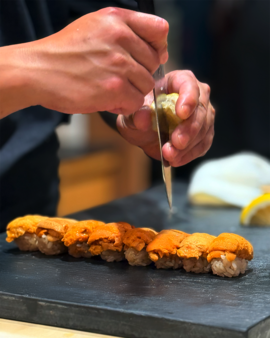
At Sushi Masa by Ki-Setsu, we are honored to be a part of the rich tapestry of dining Singapore. We are dedicated to preserving the timeless traditions of Edomae sushi and sharing the art of the omakase experience with our guests. Each evening, our chef, Chef Masa, crafts a unique gastronomic journey designed to be savored. We invite you to join us for an evening and discover a dining experience that is both a tribute to tradition and a celebration of the present moment.