Dining Without Deadline: The Luxurious Pacing Only Dedicated Omakase Dinner Can Offer
In a world that prizes speed and efficiency, the idea of a meal without a deadline feels like a rare indulgence. We are accustomed to fitting dining into our schedules, often with one eye on the clock. But what if a meal could offer an escape from that pressure? An omakase dinner is designed to be precisely that—a time-liberated culinary journey where the only schedule that matters is the natural rhythm of enjoyment and discovery.
This experience is not just about the food; it is about the luxury of time. It’s about creating a space where you can fully immerse yourself in the craft, the flavors, and the company as you dine in a relaxed, refined environment. A dedicated dinner service transforms the omakase experience from a simple meal into a restorative ritual. In this article, we explore how the unhurried pacing of an evening service honors the traditions of Japanese dining and allows for a deeper, more personal connection to the art of sushi.
The Philosophy of Time in Japanese Dining
In Japanese culture, time is not merely a commodity to be managed; it is an element to be respected. This philosophy is beautifully expressed in the concept of ma (間), which translates to “pause” or “negative space.” Ma is the meaningful emptiness between things—the silence between musical notes, the unpainted space in a watercolor, or the quiet moment between courses in a meal. It is this intentional pause that creates harmony, rhythm, and focus.
An omakase dinner is a living expression of ma. The experience is not a continuous presentation of food but a carefully orchestrated sequence of dishes and pauses, where each dish is thoughtfully prepared and presented to highlight its unique qualities. These moments of quiet allow the palate to reset, the mind to savor the previous course, and anticipation to build for the next. This deliberate pacing is fundamental to Japanese dining, transforming a meal into a meditative and deeply engaging event. It’s a philosophy that requires a setting free from the pressures of time, which is why the dinner omakase is its natural home.
Why Dinner-Only Service Matters for an Japanese Restaurant
The decision for an establishment to offer only a single evening seating is a conscious commitment to quality over quantity. It is a statement that the integrity of the omakase experience is paramount. By focusing exclusively on dinner, the restaurant ensures that each guest enjoys thoughtfully curated meals—multi-course menus that showcase the full spectrum of Japanese culinary tradition in a structured, comprehensive dining experience. This dinner-only model provides a sanctuary from the typical pressures of the restaurant world.
Freedom from Turnover Pressure
Many restaurants operate on a model of multiple seatings, where turning tables quickly is essential for business. This creates an undercurrent of haste that can be felt by both the staff and the guests. The focus shifts from the quality of the experience to the efficiency of the service.
A dedicated, single-seating omakase dinner eliminates this pressure entirely. There is no next group of diners waiting for your seat. The counter is yours for the evening. This freedom allows the experience to breathe and unfold at its own natural pace. You are not just a customer occupying a seat for a set amount of time; you are a valued guest invited to relax and indulge without constraint.
The Chef's Ability to Read and Respond
The absence of a deadline empowers the chef to be a true host. Instead of executing a rote menu against the clock, the head chef can dedicate his full attention to the guests before him. He can observe their natural rhythms, notice their reactions, and engage in genuine conversation.
Does a guest seem to be savoring a particular piece of nigiri? He can allow them that extra moment of enjoyment before proceeding. Is a couple engaged in an important conversation? He can pause the service to give them their space. This ability to read and respond to the unique energy of the room is a hallmark of a master chef and a cornerstone of a truly personalized omakase experience. It is an intuitive dance that can only happen when the chef is free from the anxiety of a ticking clock.
What Makes an Ideal Omakase Experience
The evening setting provides the perfect physical and psychological backdrop for an immersive culinary journey through Japanese cuisine. As a traditional Japanese omakase, the experience emphasizes authenticity, with each course carefully curated by skilled chefs to showcase the art and heritage of Japanese dining. It is a time when we are naturally inclined to slow down, reflect, and savor.

The Evening Mindset
When guests arrive for an omakase dinner at a respected Japanese restaurant, they have typically left the responsibilities of the day behind. There is a psychological shift from “doing” to “being.” This relaxed mindset allows for a greater level of presence and receptivity. Diners are not thinking about their next meeting; they are fully engaged with the sensory details of the meal—the aroma of the vinegared rice, the texture of the fish, and the beauty of the presentation across every course.
Multi-Course Immersion
A good omakase menu is a multi-course narrative, with omakase courses ranging from standout dishes to artful appetisers, creamy sea urchin, delicate nigiri sushi, fresh sashimi, and signature hot dishes. This journey cannot be rushed. Every omakase restaurant that prioritizes dinner-only service knows the importance of unhurried service, ensuring each chapter flows naturally, allowing for conversation, reflection, and true immersion.
Building Connection
The luxury of time allows for genuine connection between chef and guest. At the counter seats, the intimate seating policy creates space for stories, questions, and spontaneous moments. Whether you’re celebrating a special occasion, seeking the highest quality Japanese food, or treating yourself to an air flown sushi course with premium ingredients, the experience feels as personal as it is memorable.
The Sushi Omakase Dinner Experience at Sushi Masa
At Sushi Masa by Ki-Setsu, the entire evening is designed to be an escape into the world of Edomae sushi. From the moment you step into our intimate space, the hectic pace of the outside world begins to fade. Your journey is not governed by a schedule but by the flow of flavors and the graceful movements of Chef Masa.
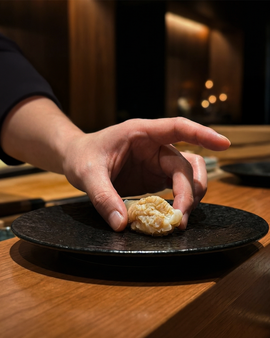
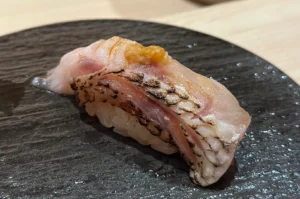
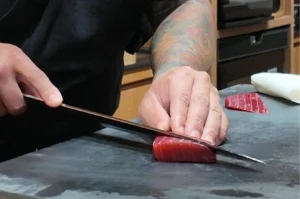
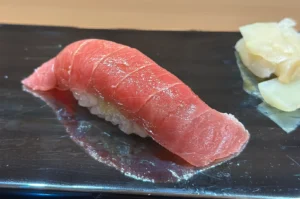
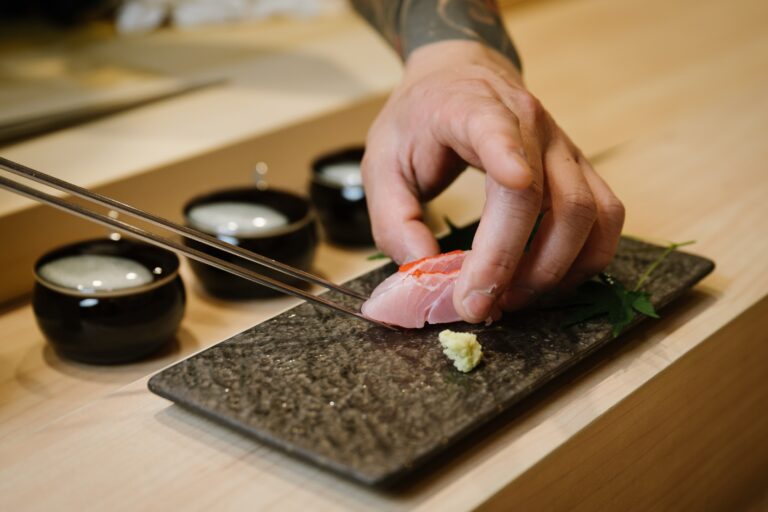
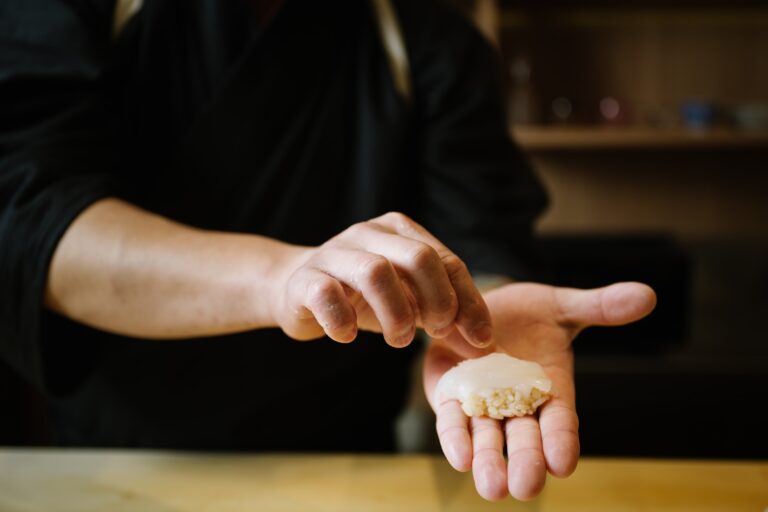
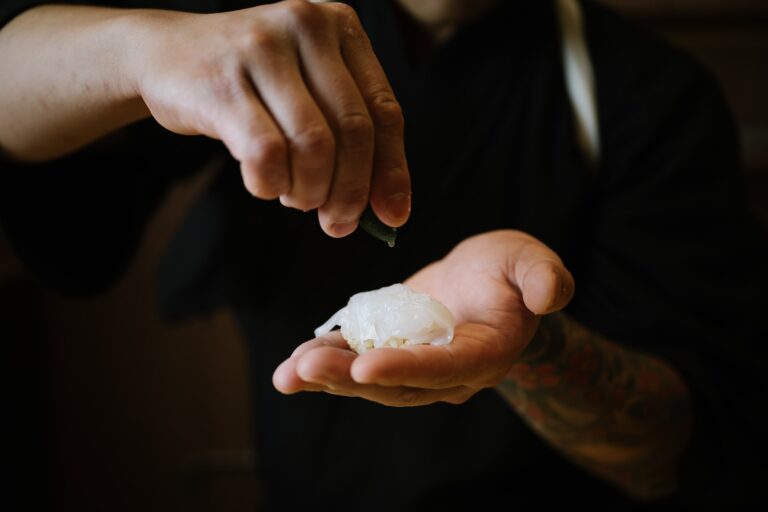
The evening begins with a series of small, artfully prepared dishes that awaken the palate. As the meal progresses, each course of pristine seafood, sourced from Tokyo’s famed Toyosu Market, is prepared one piece at a time. You watch as Chef Masa expertly slices a glistening piece of fish, forms the subtly seasoned sushi rice, and unites the two with a touch of wasabi and a delicate brush of nikiri. He places it before you, and for a moment, it is the center of your universe.
This intimate progression allows for a deeper appreciation of the craft. You learn the story behind each ingredient—where it came from, why it is at its seasonal peak, and how the Edomae sushi tradition has enhanced its natural flavor. For those new to the omakase tradition, understanding its cultural foundations can deepen your appreciation of the experience. You can learn more by exploring our Omakase: The Ultimate Guide to Japan’s Premier Dining Experience in Singapore.
Ready to Exchange Rush for Ritual?
Escape into a sanctuary where time slows and the culinary artistry of a true omakase dinner unfolds just for you. Every evening is a curated journey: from the freshest seasonal ingredients direct from Japan’s Toyosu Market, to elegant grilled items, delicate nigiri, and desserts that promise a memorable finish. Whether you’re drawn by chef-driven omakase menus, the allure of premium seafood, or an atmosphere resembling a zen garden in the heart of Singapore, your seat at the counter awaits.
Why settle for just another meal in the sea of restaurants in Singapore, when you can indulge in an omakase dining experience where every detail—each bite of beef, uni, or egg yolk-topped sushi—is crafted to transport and impress? Step into a quiet corner at Cuppage Plaza or Tanjong Pagar, take your place at the counter, and let go of the usual rush. The greatest dishes and connections are savored, not sprinted. To plan your experience with confidence, refer to Omakase Price Singapore: How to Budget for an Authentic Edomae Experience, and discover authentic craftsmanship at Sushi Masa by Ki-setsu.