The gastronomic landscape of Southeast Asia is widely celebrated for its incredible energy, ancestral narratives, and deeply satisfying culinary traditions. When residents and global travellers look for places to eat in Singapore, their attention is frequently drawn to the aromatic smoke, intense heat, and collective joy found across the island.
At Sushi Masa by Ki-Setsu, we view this profound relationship with dining through a specialized lens of quiet minimalism and singular dedication. While the vibrant street food culture celebrates complex blends of spices, our dinner-only sanctuary provides an intentional contrast. We believe that the purest expression of authentic Japanese craftsmanship requires a small, focused environment where distractions disappear.
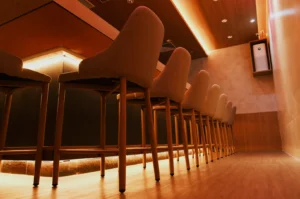
At our exclusive eight seat counter, guests are invited to slow down, leave the frantic pace of the city behind, and enjoy a deeply educational omakase journey.
Understanding the Contrast of Singaporean Food Culture: From Hainanese Chicken Rice to Chilli Crab

To truly appreciate the understated simplicity of premium Japanese culinary art, it helps to understand the wider context of food culture in Singapore. The historic arrival of Chinese immigrants, alongside Malay, Eurasian, and Indian food influences, created a magnificent tapestry of flavours. This cultural intersection defines what makes Singaporean cuisine so unique, yielding dishes that rely on highly intricate spice pastes, prolonged braising, and robust, savory flavors.
The standard dining habit here revolves around a lively, high-energy environment, whether that involves local food courts, open-air food centres, or a busy Singapore restaurant. These traditional spaces serve meals that deliver immediate gratification through heavy seasonings, complex sauces, and hearty proteins.
Savoring the Richness of Local Street Heritage at Food Centres and Food Courts
The heritage of local culinary styles is beautifully reflected in the everyday staples that have sustained the island for generations. Consider the incredible depth of a traditional Singaporean dish, where multiple textures and intense aromas are brought together in harmony.
| Iconic Local Styles | Key Ingredients and Profiles | Dining Environment |
|---|---|---|
| Rich poultry favorites like Hainanese chicken rice and chicken rice | Fragrant rice cooked in broth, chili sauce, ginger paste, tender chicken | Bustling hawker centres and specialized local cafes |
| Smoky wok noodles including char kway teow | Flat rice noodles, yellow egg noodles, dark soy sauce, pork lard, sweet sauce | High-heat open flames at popular hawker stalls |
| Traditional seafood such as chilli crab and fish head curry | Fresh crabs, thick sweet and spicy sauce, egg ribbons, fried buns | Vibrant seafood markets and communal dining halls |
While thousands line up at the famous Maxwell Food Centre or the historical Airport Road Food Centre to satisfy their cravings, our philosophy at Sushi Masa by Ki-Setsu offers a different path. Visitors looking for fried chicken, a crispy chicken cutlet, or a comforting bowl of noodle soup with pork slices will find that our dinner service takes an entirely different direction.
Our refined counter is completely seafood-based, as we specialize exclusively in the delicate, pure flavors of premium seasonal seafood flown directly from Japan. It is an absolute rule of our kitchen that we do not serve any meat, such as chicken, pork, beef, or lamb.
The Mastery of Simplicity Versus Complex Layering

The brilliance of regional Peranakan food and classic local cuisine often lies in the art of multi-layered composition. Master cooks combine ingredients like thick coconut milk, rich coconut cream, vibrant palm sugar, and fiery sambal sauce to construct deeply complex balances. This is evident in dishes like nasi lemak, where flavorful rice, basmati rice, and fried tofu are served on a fresh banana leaf, or a rich chicken curry that infuses the air with lemongrass and turmeric.
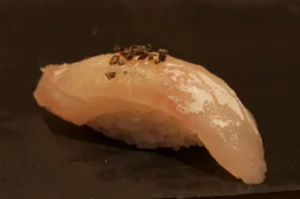
In stark contrast, authentic Japanese culinary philosophy behaves like sculpture, removing non-essential elements until only the absolute core remains. At Sushi Masa by Ki-Setsu, we do not utilize heavy condiments, artificial thickeners, or overpowering spices. True luxury is found in highlighting the natural texture, seasonal fat content, and clean umami of a singular piece of fish.
Pristine sourcing: Our chef relies on deep personal relationships with trusted purveyors at the legendary Toyosu Market in Tokyo. This ensures that only the finest seasonal catch is packed and flown directly to our kitchen.
Technique over gimmicks: We do not serve popular commercial trends like an overflowing ikura rice bowl, crispy tempura, or chawanmushi. These items are frequently used by other establishments to mask lower-grade seafood or appeal to social media trends.
Artisanal preservation: Chef Masa employs traditional Edomae methods, utilizing precise curing, gentle marinating with premium soy sauce, and exact temperature control to enhance the natural depth of the seafood.
Navigating the Complexities of Rice and Broth Traditions

The appreciation of rice as a foundational element is something shared deeply between Japanese craftsmanship and local food traditions. In the realm of local staples, a plate of Hainanese chicken rice or classic chicken rice relies on cooking fragrant rice with poultry fats and aromatics to achieve a rich, savory profile.
When preparing premium sushi, the approach to grain seasoning requires an entirely different level of precision. The rice utilized at our counter is carefully seasoned with a private blend of specialized vinegar, ensuring a delicate acidity that complements rather than overshadows the seafood. Our chef continuously monitors the temperature of the rice, keeping it at perfect body temperature so it melts effortlessly on the palate.
A similar study in restraint can be observed in our traditional soup protocol. In many local culinary traditions, a comforting soup like bak kut teh or a hearty pork rib soup requires brewing pork bones for hours with whole garlic and peppercorns to create a heavy, peppery broth. Visitors might also seek out a deep, aromatic curry sauce in a claypot fish head curry or look for the comforting warmth of vermicelli noodles swimming in a rich broth at the best hawker stalls.
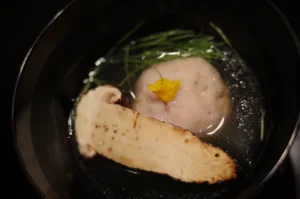
At Sushi Masa by Ki-Setsu, our dinner journey begins with a delicate dashi soup, a light soup stock completely free from shellfish or heavy fats, crafted to gently awaken your palate. We only introduce a rich miso soup towards the very end of the course, when the palate desires a warm, comforting conclusion. In strict adherence to authentic Japanese tradition, this miso soup is the specific stage cooked with sweet, flavorful clams, providing a deeply satisfying, ocean-forward finale to an unforgettable seafood journey.
From Lively Hawker Food Centres and Food Courts to an Intimate Eight Seat Counter

The physical environment where you choose to enjoy your evening meal completely alters how you perceive flavor. A standard Singapore food journey is often defined by its energetic, fast-paced atmosphere.
The hawker experience: Diners gather at a lively food centre or food courts to share plates of stir fried carrot cake made from steamed rice cake and rice flour, or a smoky plate of char kway teow loaded with rice noodles, bean sprouts, and Chinese sausage.
The tea and coffee rituals: Meals are paired with local coffee, a cup of pulled milk tea, or a refreshing glass of lime juice, followed by sweet treats like kaya toast smeared with coconut egg jam alongside soft boiled eggs or shaved ice desserts.
The communal atmosphere: Whether it is diving into a fiery pot of local curry or sharing a plate of oyster omelette and savoury fish paste with minced pork, the environment is communal, loud, and inherently rushed.
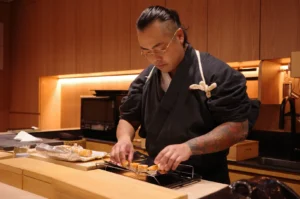
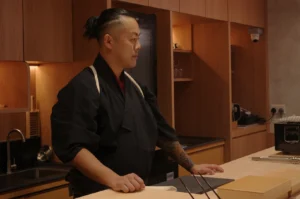
While these spaces provide an iconic window into the soul of the region, an evening spent at Sushi Masa by Ki-Setsu offers a peaceful sanctuary of quiet luxury. With only eight seats available at our counter, the frantic energy of the city completely fades away. This intimate architecture ensures that every guest receives the undivided attention of Chef Masa, who serves as the sole artisan for your entire dinner.
Operating on a strict single dining model of premium omakase, we do not offer à la carte menus, promotional deals, or fixed price options. Every course is tailored by our chef based on the finest seafood available that very day, ensuring a unique, personalized narrative for every diner.
Experiencing the Ultimate Comfort of True Hospitality in Singapore’s Food Scene
A genuinely memorable dinner is ultimately about the lasting connection created between the diner, the host, and the ingredients. Many traditional sushi restaurants tend to embrace a rigid, intimidating formality that can alienate guests. We intentionally break that mould, cultivating an atmosphere that is deeply knowledgeable yet completely approachable, warm, and inviting.
| Our omakase counter experience | Conventional large establishments |
|---|---|
| Single-chef dedication where Chef Masa personally crafts every piece | Divided attention across multiple kitchen lines and assistants |
| Dinner-only focus allowing complete preparation for a single seating | All-day operations that can compromise ingredient freshness |
| Purely seafood-based menu showcasing seasonal Japanese imports | Expansive menus featuring fried components, meat, and commercial fillers |
When securing a seat at the counter, diners are not simply consuming delicious food but participating in a timeless culinary tradition. Chef Masa guides guests through each course, sharing essential insights about the specific origin of the seafood, the intent behind his seasoning, and the rich history of Edomae craftsmanship. To complement this elegant evening, an exquisitely curated selection of premium beverages is offered, including rare sakes and traditional Japanese beer chosen specifically to elevate the clean flavors of the seafood.
We invite you to step away from the ordinary, leave the crowded streets behind, and discover the true depth of authentic Japanese cuisine. Allow us to take you on an unforgettable evening journey guided entirely by the masterful hands of our chef. Secure your seat at Sushi Masa by Ki-Ketsu for your next premium dinner, and experience the ultimate comfort of a truly authentic seafood omakase.