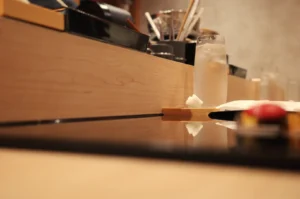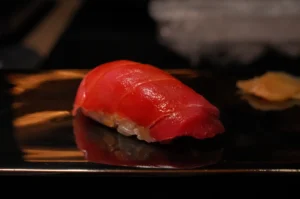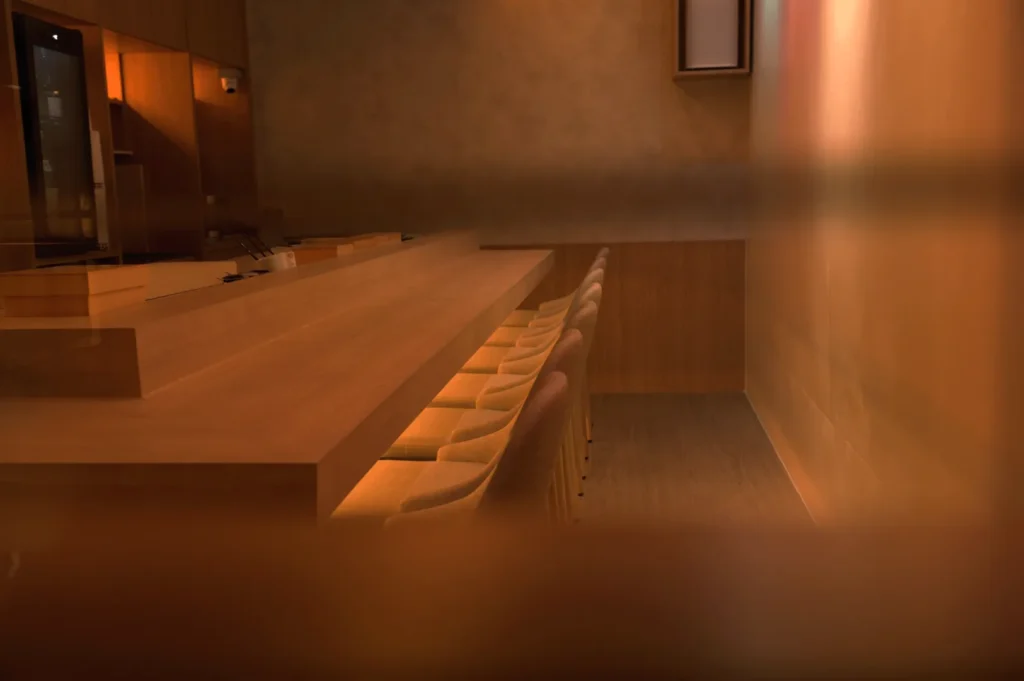
Sushi lovers tend to hold strong opinions about where to sit, and the counter seat hierarchy is often at the heart of them. Some swear by the seat directly in front of the chef, while others prefer the end of the counter, where the room feels quieter and the view is wider. After many evenings behind our own counter, we have a gentler answer: there is no bad seat. There are only different ways of watching the same craft unfold.
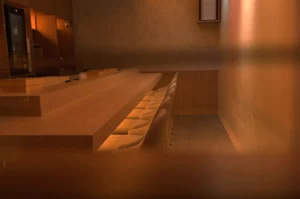
At Sushi Masa by Ki-Setsu, our counter seats eight guests, and every one of them sits within arm’s reach of Chef Masa. Here is what that means, and why we think smaller is better.
Why an Eight Seat Sushi Counter Rewards Every Guest
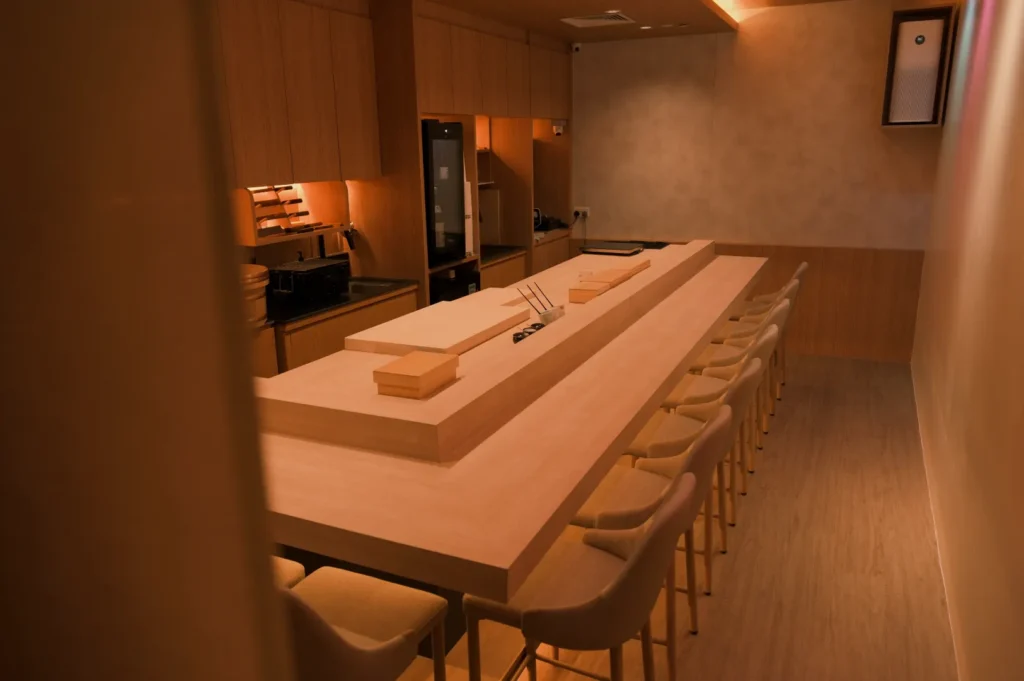
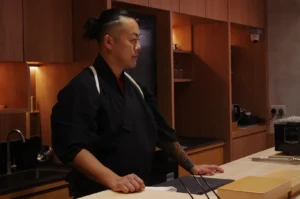
A counter this small changes how a meal feels. Nothing is rushed or batch-prepared, and no piece of nigiri waits on a pass for a server to collect it. Chef Masa shapes each piece, places it in front of the guest it was made for, and moves on to the next.
That rhythm is only possible when the room is intimate. With eight seats, he can read the table. He notices who eats quickly, who lingers over a sip of sake, and who is seeing a particular fish for the first time. He sets the pace of the evening and adjusts the temperature of the rice and the order of the dishes to suit it.
The seat you take shapes your view, not your experience. Sit closest to Chef Masa and you will watch the knife work and the quiet handling of the rice. Guests who have sat at the far end tell us they enjoy seeing the whole counter as one small stage, with everyone sharing the same piece at the same moment. Both are lovely, and both are the same meal.
Michelin Stars Are Not the Measure of a Counter
Guests often ask whether a sushi counter has Michelin stars before they ask anything else about it. We understand the instinct. Michelin stars are a useful shorthand in a city with so many places to eat, and the recognition is a real achievement for any kitchen that earns it.
But a star cannot tell you whether the rice was seasoned with care tonight, or whether the chef greeted you properly at the door. Those details decide whether a meal stays with you.
We prefer to be judged by what arrives on the plate and the way it arrives: the freshness of the seafood, the discipline of the technique and the warmth of the service. Awards can follow from those things, but they should never replace them.
It is the same with online praise. Posts disappear from a feed within a day, while a good meal stays with you for years. So when choosing where to sit down for an omakase, read what recent guests say about the food, and look at how honestly the restaurant describes what it serves and what it does not.
Ingredients Flown From Toyosu, Prepared With Edomae Restraint
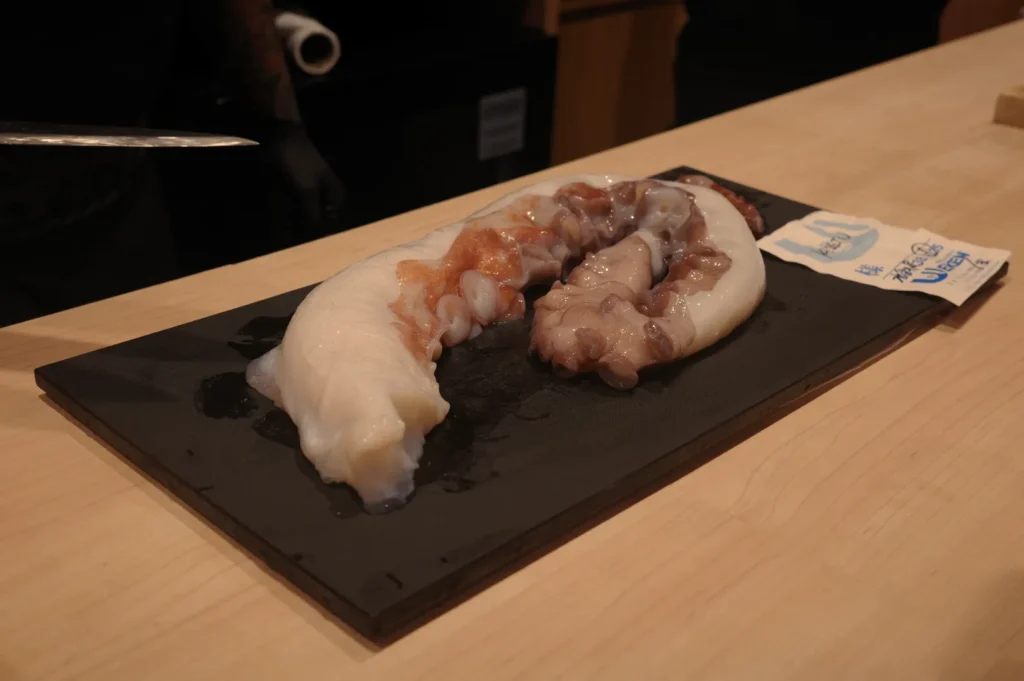
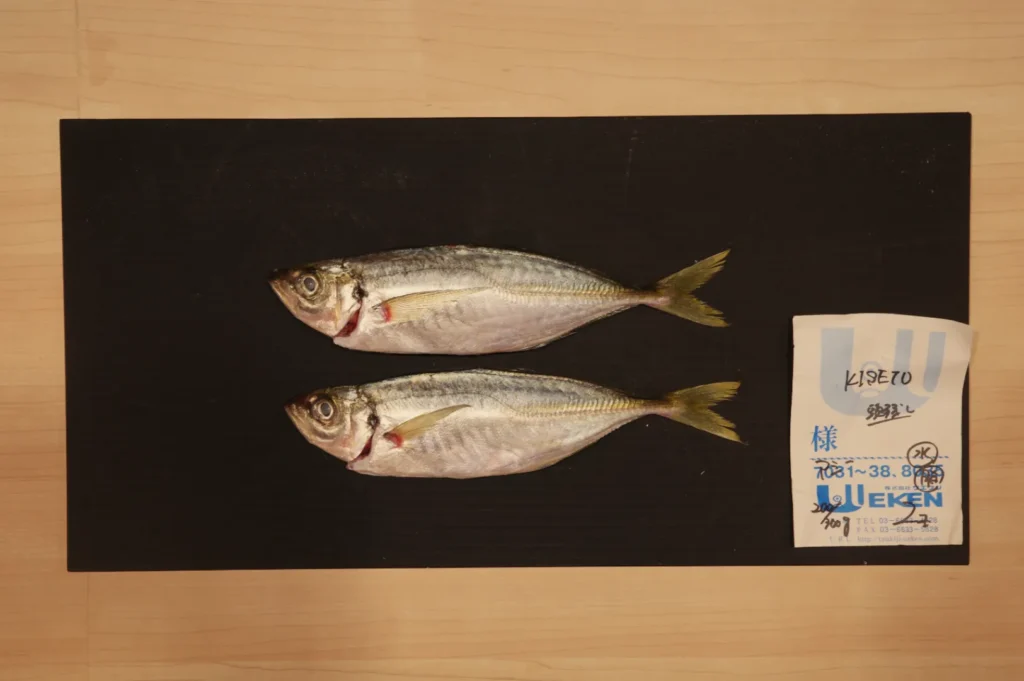
Everything at our counter begins with the ingredients. Our seafood is flown in from Japan’s Toyosu Market and arrives in Singapore each morning. Chef Masa, who trained in Tokyo, selects what the season offers and builds the evening around it. Our menu is updated with the seasons, and if a fish is not at its best, it does not appear, however popular it may be.
This is the heart of Edomae sushi, the tradition that grew in old Edo, now Tokyo. Before refrigeration, cooks had to preserve fish with salt, vinegar, soy and careful ageing. Those methods developed into an art of their own. Today we still use curing, marinating and gentle ageing, not because we must, but because they deepen flavour and improve texture. A piece of fish that has rested properly tastes rounder and sweeter than one served straight from the market.
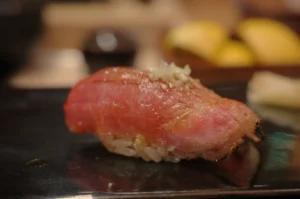
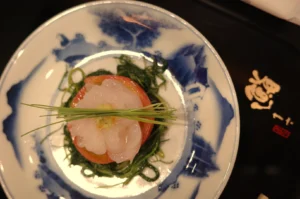
Our menu is purely seafood. We do not serve meat of any kind, and we do not dress our dishes to look more generous than they are. The focus is on the fish, the rice and the skill between them. Guests can expect sashimi, nigiri, scallops, flamed otoro and sea urchin, along with warm dishes that balance the cold courses. The meal begins with a light dashi, which prepares the palate for what follows.
The Rice Deserves Equal Attention
Many first-time guests are surprised to learn how much of a sushi chef’s attention goes to rice. Each grain needs to hold its shape while still loosening gently in the mouth. The seasoning, a balance of vinegar, salt and sweetness, is adjusted to suit the fish it will carry. A richer cut like fatty tuna can take a sharper edge, while a delicate white fish needs a softer touch.
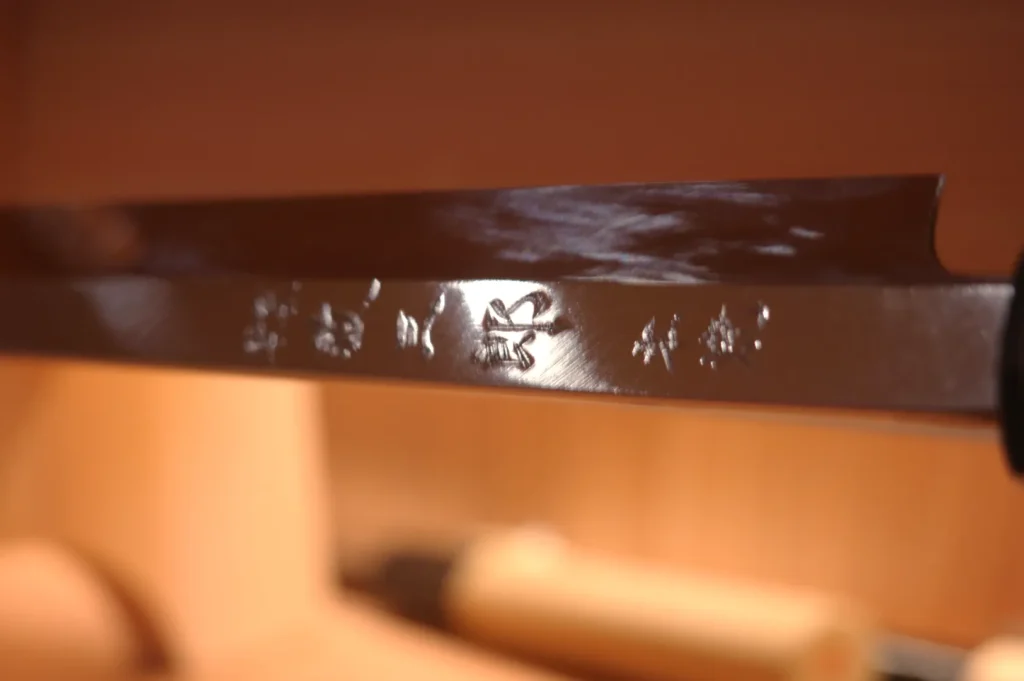
Watch Chef Masa closely and you will see how little movement he uses. Each piece is formed with a few practised motions, pressed just firmly enough to hold together. That restraint is the hardest part of the craft to learn.
Beyond Marina Bay and One Fullerton: A Discreet Door at Cuppage Plaza
Singapore’s dining scene has many famous addresses. The Marina Bay waterfront, with its skyline views and polished promenades, draws visitors from around the world, and the area around One Fullerton is a favourite for special occasions. These are wonderful places to spend an evening.
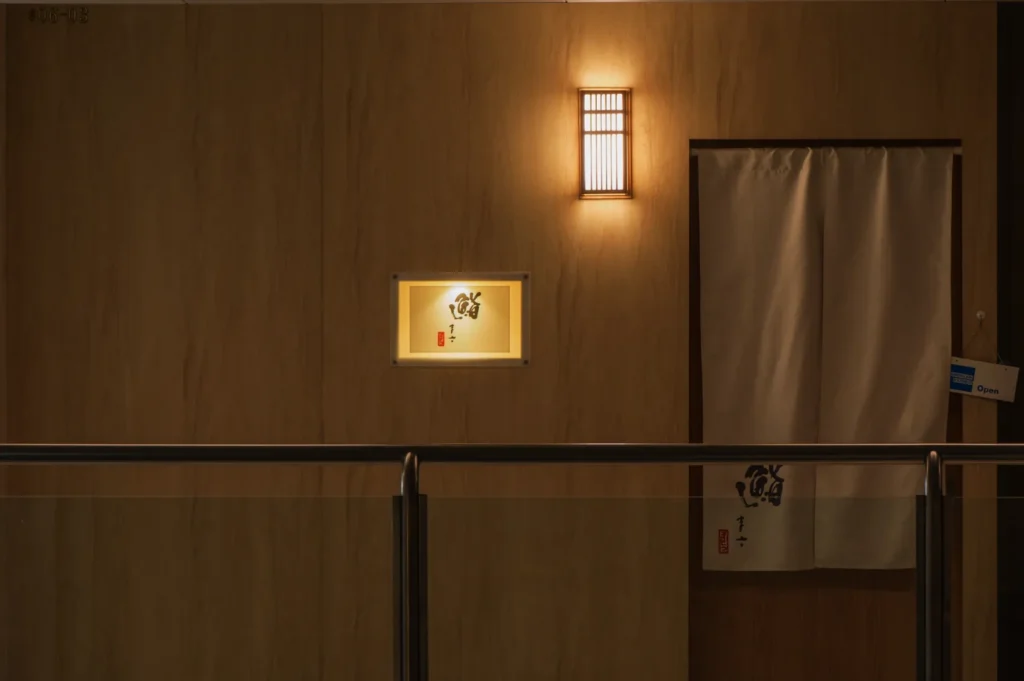
Our counter offers something different. Sushi Masa by Ki-Setsu sits quietly on the sixth floor of Cuppage Plaza, in the Orchard area. There are no grand views to compete for your attention. You find the door, step into a small, calm room, and the only thing in front of you is the counter.
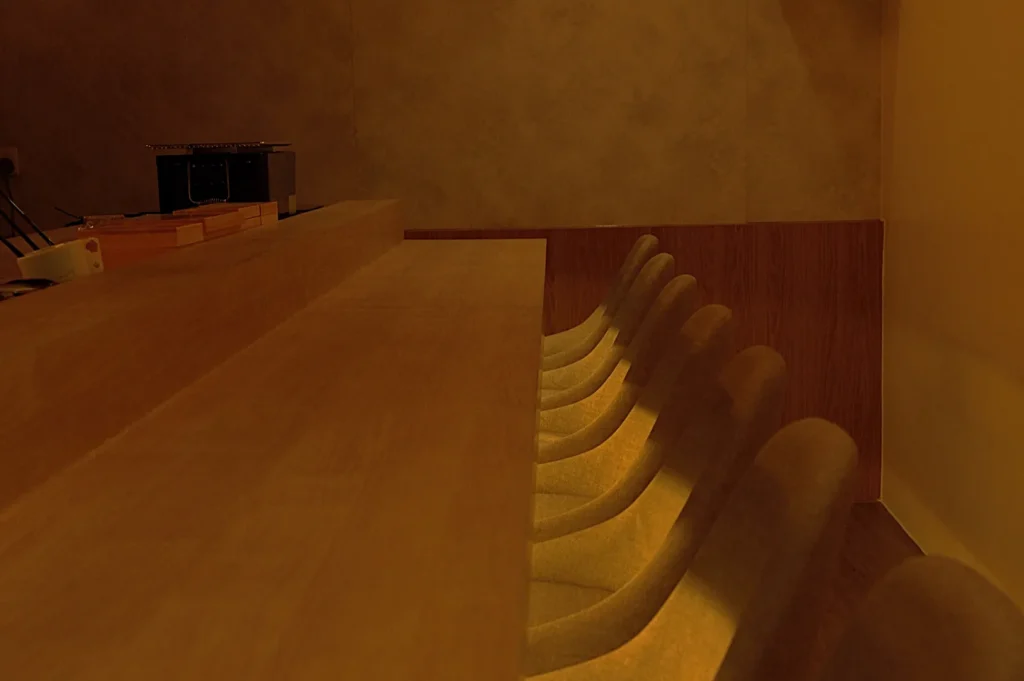
Some guests tell us this is exactly why they return. The lighting is soft, voices stay lower, and the space never feels crowded because there are only eight seats. Nothing in the room asks for your attention except the food and the person preparing it.
We think this suits omakase well. The word means “I leave it up to you”, and trust is easier to give in a setting that feels private and unhurried.
A Counter Made for Solo Diners
Dining alone can feel awkward in some restaurants, but a sushi counter is one of the most welcoming places for it. Solo diners often have the best evenings at ours, because the counter is built for conversation between guest and chef.
With no companion to talk to, you are free to pay closer attention. You can ask Chef Masa about the fish in front of you, where it came from and why he has chosen to age it. You can watch the sequence of the meal build, from the light opening dishes to the richer pieces later on. Many solo guests tell us they notice more flavours than they would at a busy table.
You will never feel like an afterthought. A guest dining alone sits shoulder to shoulder with couples and small groups, all sharing the same view. If you have been meaning to treat yourself to a proper omakase, this is a gentle way to begin.
Drinks, Pacing and the Quiet Details of Service
Good omakase is a matter of pacing. Each piece arrives at the moment it should be eaten, which is usually within seconds of being made. Chef Masa will often tell you how to enjoy a piece, whether to eat it in one bite or to use a little soy. Most of the time the answer is simply to pick it up with your fingers and eat it right away.
Drinks are part of that rhythm. We offer sake pairings chosen to suit the fish and the stage of the meal. A crisp, dry sake sits well with white fish, while something fuller can stand up to richer cuts. Guests who prefer to keep things simple can enjoy tea, and we are happy to guide you whatever you choose.
Our dinner begins at 7:15pm and continues into the evening, Tuesday to Saturday. Because we serve a single omakase experience, there is no menu to study and no decisions to make beyond choosing your drinks.
If the meal has a price, it reflects what goes into it: the daily flight of seafood from Toyosu, the hours of preparation behind the scenes and the attention of one chef serving a small room. We would rather offer a few seats done properly than many done carelessly.
Choose Your Seat and Join Us
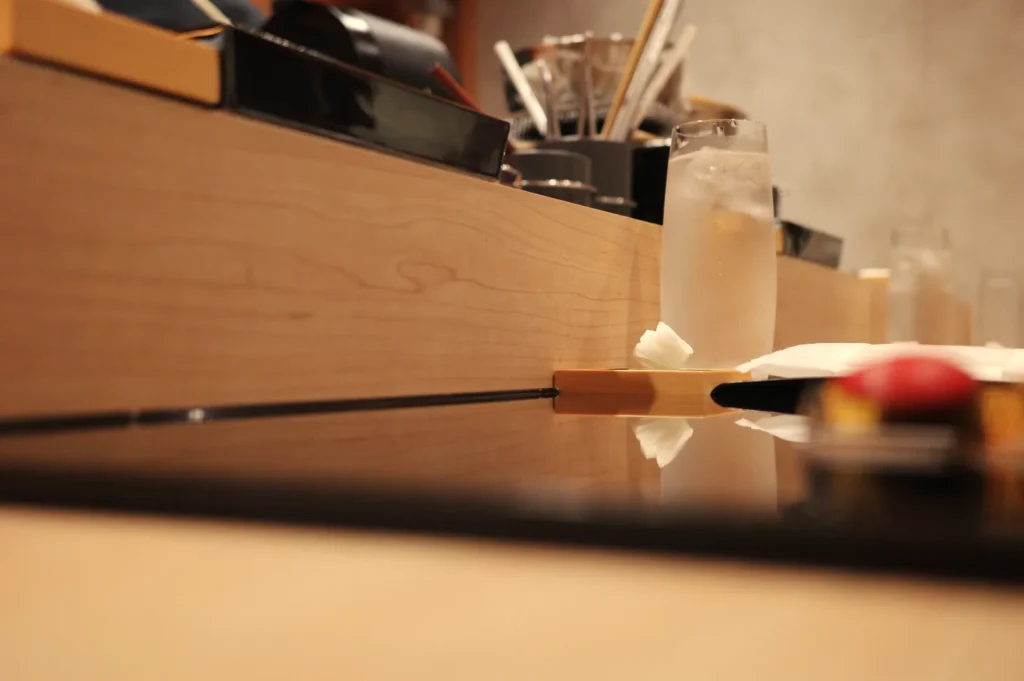
So where should you sit? Wherever you are placed, you will see the craft at close range. The seat nearest Chef Masa gives you the clearest view of his hands. The seats at the end give you the calm of the whole counter. Neither is better, because each one shows the same dedication from a slightly different angle.
If you would like to experience it yourself, we recommend that you book ahead, as eight seats fill quickly. Reservations can be made through our online booking page, and our concierge is available by phone or WhatsApp for special requests or private bookings. Keep your evening free, arrive hungry, and leave the rest to Chef Masa.
We look forward to welcoming you to Sushi Masa by Ki-Setsu, where every seat has a view worth sitting for.