Singapore treats food as a form of culture, and nowhere is this clearer than among its fine dining restaurants. Within a single evening, a diner could sit beneath the warm lighting of a French dining room, or slip behind the quiet counter of a Japanese restaurant where every gesture has been rehearsed for decades. Both are considered among the best restaurants in the city, yet they represent two distinct philosophies of what a meal should be.
At Sushi Masa by Ki-Setsu, we believe understanding these philosophies helps guests choose the right experience for the right occasion, particularly when considering omakase Singapore experiences.This article looks at what sets French and Japanese fine dining apart, why the Michelin Guide has become such an important marker of quality in Singapore, and how our own approach to omakase reflects a tradition that has been refined over centuries.
The French Art of Fine Dining
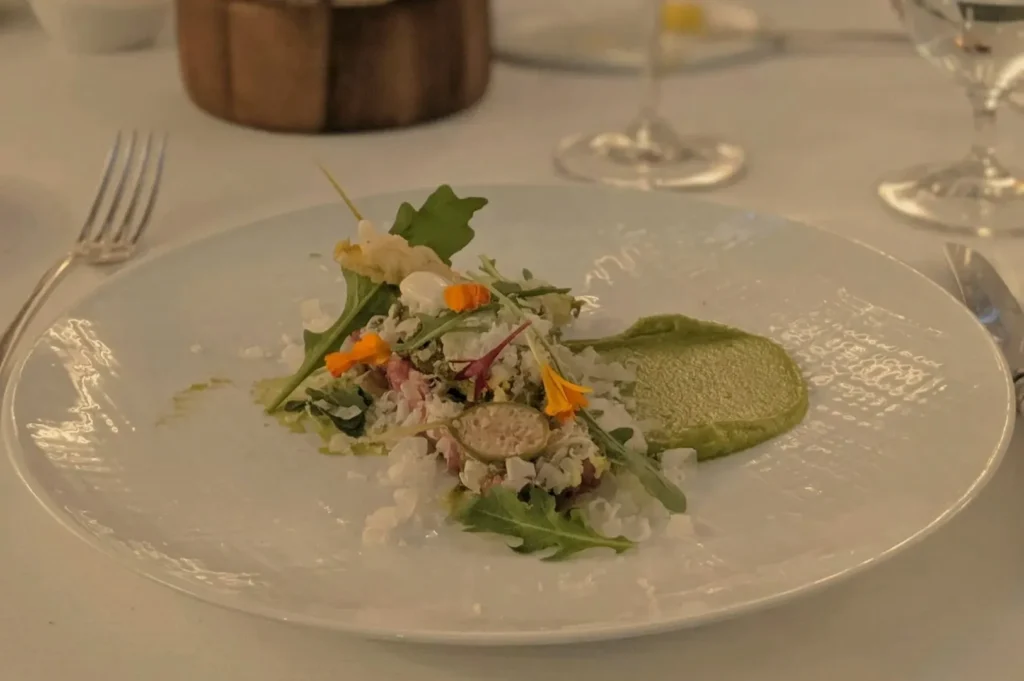
French cuisine built the very vocabulary of fine dining restaurants as we know them today. Sauces, plating and multi course tasting menus all trace back to French kitchens, and many of Singapore’s most celebrated dining rooms still follow this structure closely. A typical evening might begin with a delicate appetiser, move through several composed courses, and finish with a rich dessert, each dish arriving with the theatre and precision that French training instils.
Diners who visit these restaurants often expect a certain sophistication in the room itself. Commonly, crystal glassware, formal service and an extensive wine list are found, and many of the best fine dining restaurants in Singapore sit inside five star hotels along the Singapore River or near Marina Bay Sands, where the skyline becomes part of the dining experience. This is fine dining as spectacle, a culinary journey built around abundance and craftsmanship in equal measure.
It is worth noting that Singapore’s dining restaurants are rarely confined to a single tradition. Italian cuisine, with its focus on quality ingredients and simple technique, has found a devoted following here, as has Indian cuisine, which brings its own centuries old approach to spice and slow cooking into the fine dining conversation. What all these kitchens share, whether French, Italian or Indian, is a belief that fresh seafood, seasonal ingredients and exceptional service are non negotiable.
The Japanese Philosophy: Omakase and the Edomae Tradition
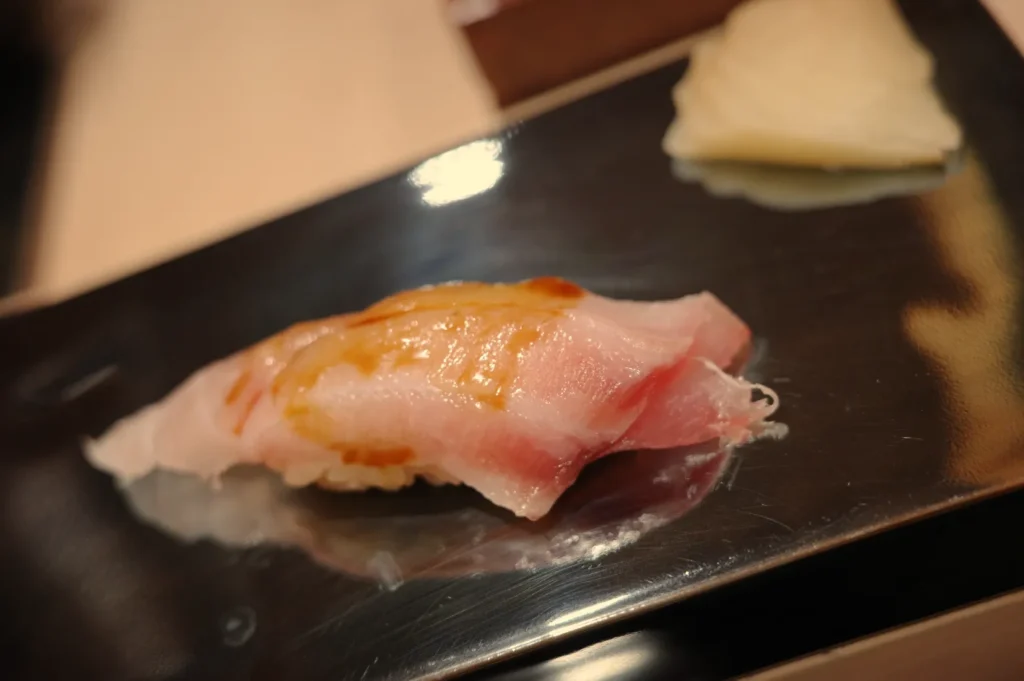
Japanese fine dining asks something different of its guests. Rather than a fixed sequence of courses chosen from a printed menu, the Japanese approach favours omakase, a word that roughly translates to leaving the choice to the chef. It is less a menu and more a form of trust between the diner and the person preparing their food, built one piece at a time.
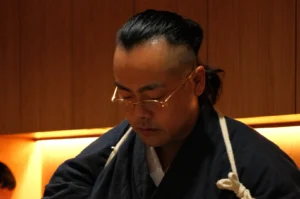
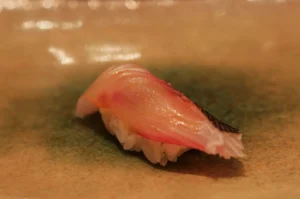
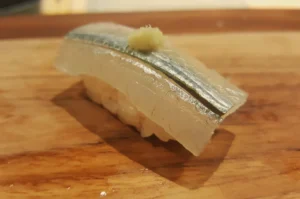
This philosophy has its roots in Edomae sushi, a style that emerged in old Edo, now Tokyo, where fishermen brought their catch straight from the bay to be served the same day. Curing, marinating and light vinegar seasoning were originally practical techniques used to preserve fish before refrigeration existed, and over time these methods became an art form in their own right. At Sushi Masa by Ki-Setsu, this Edomae spirit remains at the heart of everything Chef Masa prepares, from the seasoning of the rice to the precise moment each piece of fish is ready to be served.
Why Sourcing Matters as Much as Skill
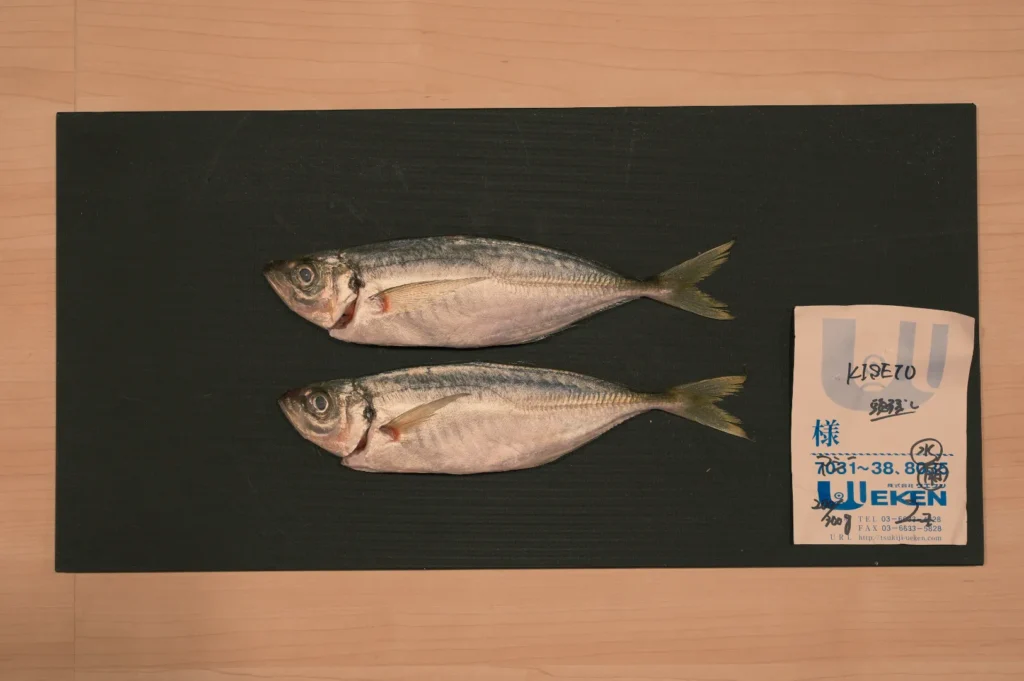
A sushi counter is only as good as what arrives at its door each morning. This is why Chef Masa insists on sourcing directly from Japan’s Toyosu Market, where the freshest seafood is selected daily before making its journey to our eight seat counter in Singapore. Quality ingredients cannot be substituted, and this daily sourcing routine shapes the entire menu rather than the other way around. If a particular fish is not at its best on a given day, it simply will not appear that evening.
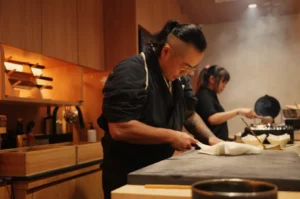
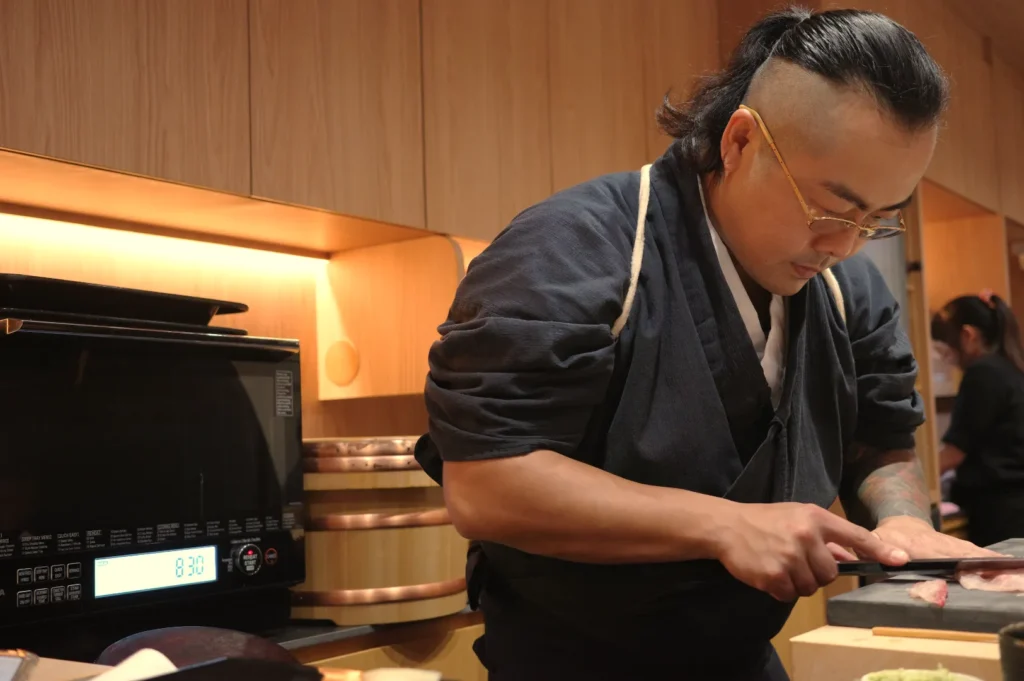
This is also why Japanese fine dining tends to feel more intimate than its French counterpart. There is no open kitchen theatre with dozens of staff moving in choreography. Instead, a single chef works quietly at a small counter, often close enough that diners can watch each cut of the knife and each fold of rice by hand. It is a more relaxed, almost meditative pace, closer to a private conversation than a grand performance.
What the Michelin Guide Tells Us About Dining Restaurants in Singapore
The arrival of the Michelin Guide in Singapore changed the way locals and visitors alike think about restaurants in Singapore. A single Michelin starred restaurant, and certainly a one Michelin starred restaurant recognised for consistency rather than novelty, tells diners that a kitchen has reached a certain benchmark of skill and discipline. For French establishments, this often means mastery of technique across dozens of moving parts. For Japanese restaurants, recognition tends to reward precision, sourcing and the discipline of doing very few things extremely well.
It is a useful reminder that the Michelin Guide does not favour one culinary tradition over another. It simply asks whether a kitchen delivers on its own philosophy night after night. A French tasting menu and a Japanese omakase course can both earn recognition, because each is being judged against the standard it has set for itself.
| Element | French Fine Dining | Japanese Omakase |
|---|---|---|
| Menu format | Multi course tasting menus | Chef led, ingredient driven course |
| Kitchen style | Larger brigade, open or closed kitchen | Single chef, intimate counter |
| Focus | Sauce, technique, composition | Sourcing, timing, restraint |
| Setting | Formal dining rooms, often with skyline views | Quiet counters, close to the chef |
| Pace | Structured and paced by service | Unhurried, course by course |
Choosing the Right Restaurant for Special Occasions
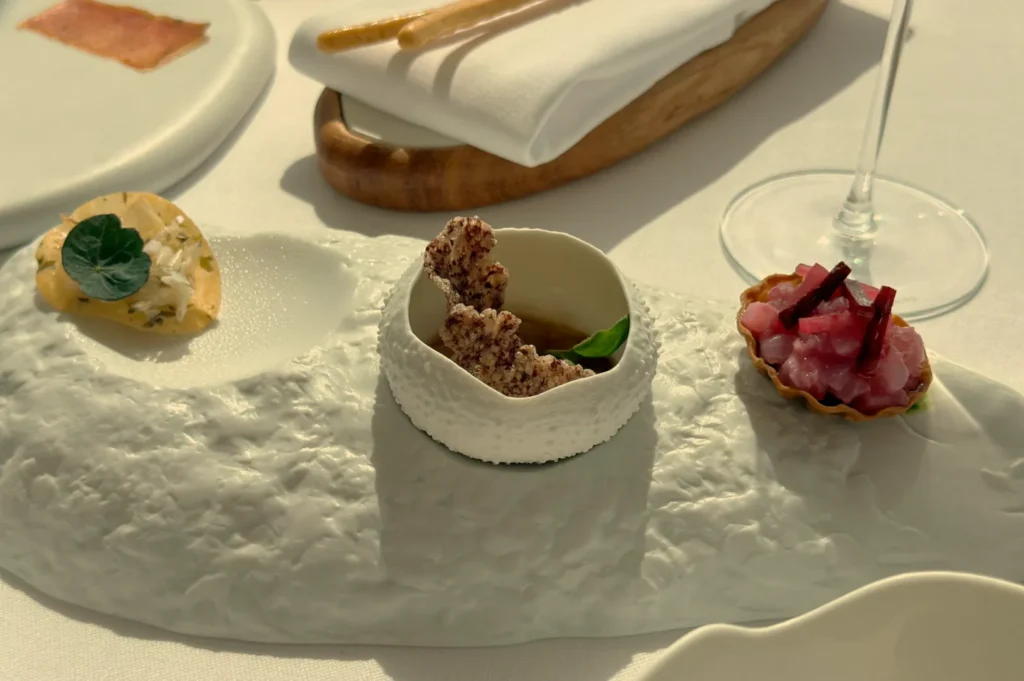
Singapore offers no shortage of options for special occasions, and the choice between French and Japanese fine dining often comes down to the kind of evening a guest wants to create. A French dining room, with its grand interior and attentive service, suits celebrations that call for a sense of occasion and a touch of formality. It is the natural choice for anniversaries or milestone birthdays where guests want to be seen, celebrated and indulged in equal measure.
Japanese omakase, by contrast, suits guests who want the evening itself to be the event rather than the backdrop. Because seating is limited (often no more than a handful of counter spots) the experience feels personal rather than staged. Conversations happen naturally with the chef, questions about a particular fish or cut are welcomed, and the room itself, however elegant, never competes with what is happening at the counter. For those planning private events or a quiet celebration away from the noise of the city, this format offers something increasingly rare.
Discover the Omakase Experience at Sushi Masa by Ki-Setsu
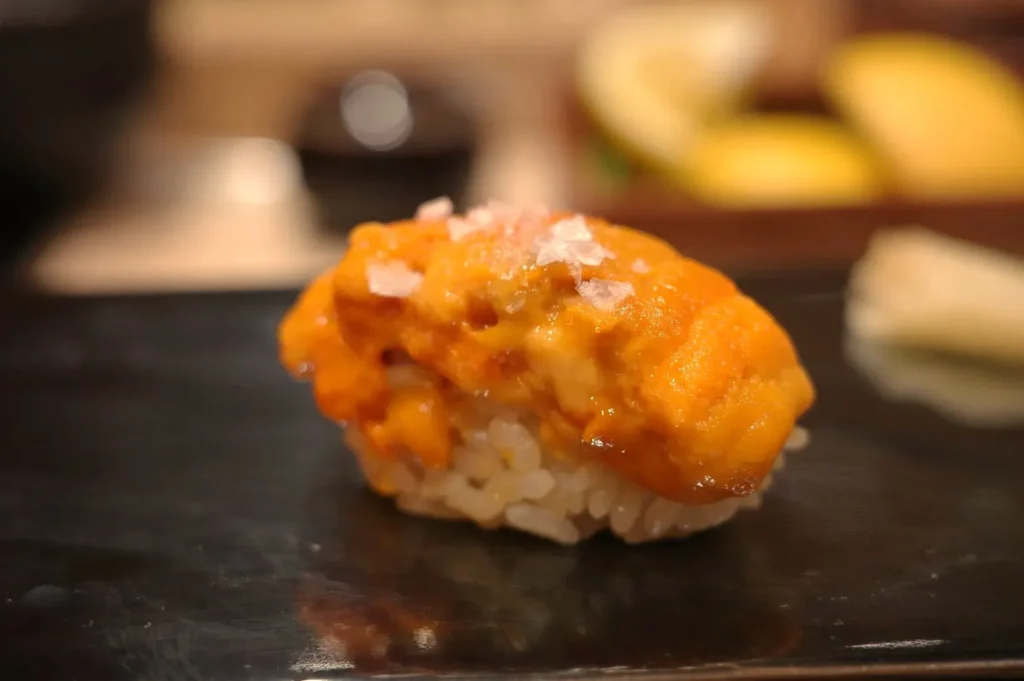
We built Sushi Masa by Ki-Setsu around the belief that Japanese fine dining should feel personal rather than performative. Our eight seat counter is designed to keep every guest close to Chef Masa, so the story behind each piece of fish, whether it travelled overnight from Toyosu Market or was selected that same morning for its texture and fat content, can be shared directly rather than printed on a card.
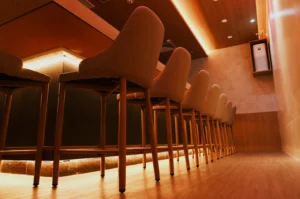
The space itself is calm by design. Warm lighting, understated interior and a quiet, almost zen atmosphere allow the food to hold the guest’s full attention, without the distraction of a large dining floor or a crowded bar. This is intentional. A relaxed setting allows the flavour of each course to be the highlight of the evening, rather than one part of a much larger production.
Because our menu is entirely seafood focused, every course is built around what Toyosu Market offers on a given day. We do not serve meat, and true to Edomae tradition, we avoid gimmicks that have become common at some lower priced counters, in favour of a course that reflects genuine seasonal availability. Guests looking to enhance a special evening with a pairing of sake or another alcohol selection are welcome to discuss preferences with our service team, who are trained to complement the course rather than overshadow it.
For those exploring restaurants in Singapore for the first time, or long time residents searching for something more familiar and considered, we encourage a visit to discover the Edomae style firsthand. Reservations can be arranged directly with our concierge, and private bookings are available for guests planning intimate events away from our regular seating.
A City Big Enough for Both Traditions
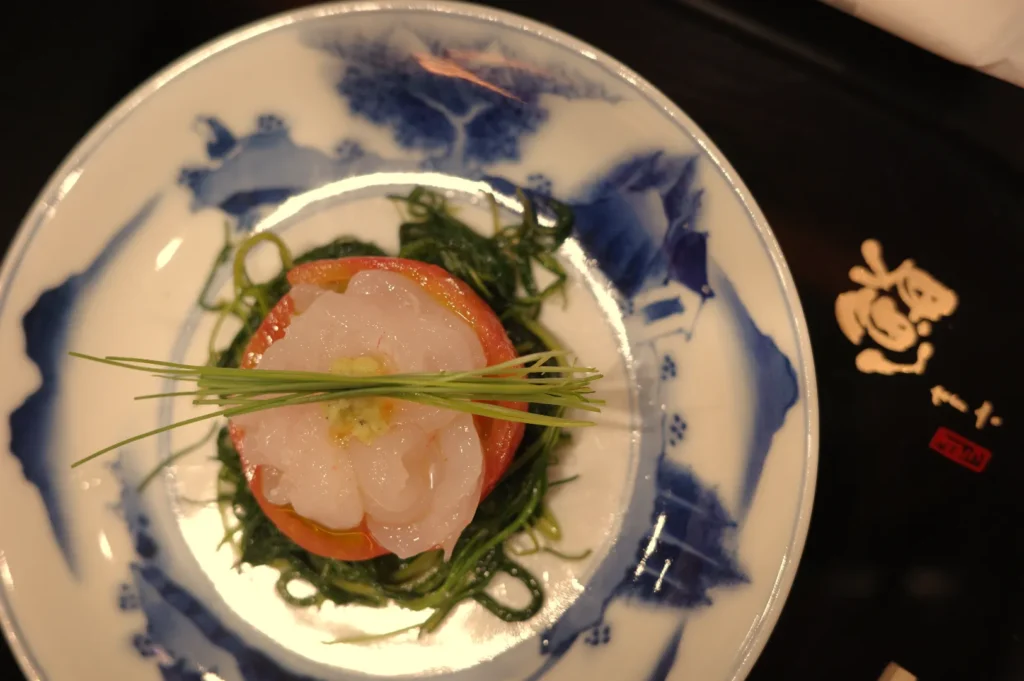
Singapore’s identity as a dining city is built on precisely this kind of contrast. French fine dining brought structure, spectacle and a certain grandeur to the city’s culinary scene, while Japanese omakase brought focus, restraint and an intense respect for the ingredient itself. Neither tradition is more correct than the other. They simply ask different things of the diner and reward different kinds of attention.
At Sushi Masa by Ki-Setsu, we do not see ourselves in competition with any single style of cooking. We see our role as offering one honest, well executed version of what Japanese fine dining can be in this city, built on daily sourcing, a singular chef, and a menu shaped entirely by the sea rather than a printed page. Whether this is your first omakase journey or one of many, we would be glad to welcome you to our counter and share what makes this tradition worth returning to, evening after evening.