The #1 Grade Standard and the Metrics of Sashimi Tuna Quality
In Japan, tuna decides trust. A single slice shows skill, care, and respect for the fish. Long before tuna reached sushi bars worldwide, Japanese markets built strict rules to judge quality. Those rules still guide how sashimi tuna is priced, graded, and served today.
Sashimi tuna is celebrated as a highly regarded dish in Japanese cuisine, valued not only for its premium quality but also as a complete culinary creation that highlights expert presentation and tradition. This article explains how sashimi grade tuna earns top status, how experts judge quality, and why bluefin tuna stands apart through a lens of fact, tradition, and science.
What Sashimi Grade Tuna Means in Japan
The phrase “sashimi grade” appears often outside Japan. Inside Japan, no legal label exists. Quality relies on auction standards, handling methods, and buyer skill. The real measure starts at the market floor.
In Toyosu, tuna earns rank through inspection. Buyers check color, fat, texture, and scent. Each point signals how the tuna will perform when eaten raw. The kind of tuna (such as Chutoro, Otoro, or Akami) affects its suitability for sashimi, as each kind offers different levels of marbling, flavor, and texture. Grade links directly to use: top tier tuna is reserved for sashimi or sushi, while lower grades are destined for cooked dishes, pasta, or mixed bowls.
Key pillars of sashimi quality:
- Safety: Handled and frozen specifically to be eaten raw.
- Health: Cut from healthy fish with low parasite risk.
- Control: Stored under strict, ultra low temperature environments.
- Expertise: Judged by trained eyes rather than arbitrary labels.
Only the highest quality ingredients, especially sashimi grade tuna, are used to ensure safety and authenticity. Sashimi grade tuna is safe to eat raw due to its high quality and freshness.
The History of Tuna Grading
Japan refined tuna grading during the Edo period. Edomae sushi originally relied on fish hauled from nearby waters. Without modern ice packs or frozen delivery, cooks utilized aging and vinegar to manage freshness. Over time, markets developed shared standards to ensure consistency.
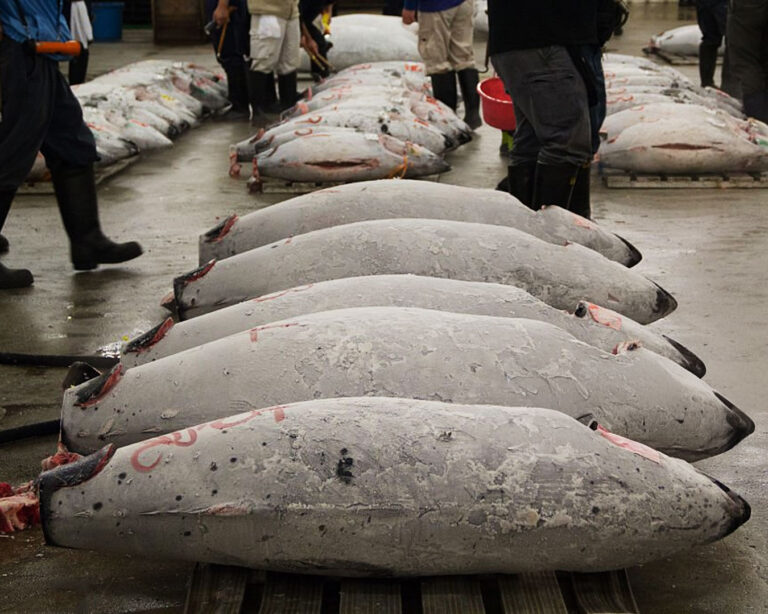
By the 20th century, rail and cold storage reshaped the tuna trade. Auctions required fast decisions, and visual checks replaced long handling tests. Experts discovered that a small cut near the tail revealed the fish’s entire story. This method still stands today; buyers inspect frozen bluefin through a narrow “window” cut, where one glance reveals fat lines, muscle grain, and age.
The difference between assessing fresh and frozen sashimi tuna is significant: fresh tuna allows for a more nuanced evaluation of color, aroma, and texture, while frozen tuna relies heavily on visual cues through the inspection window.
The Science Behind Tuna Quality
Color and Oxidation
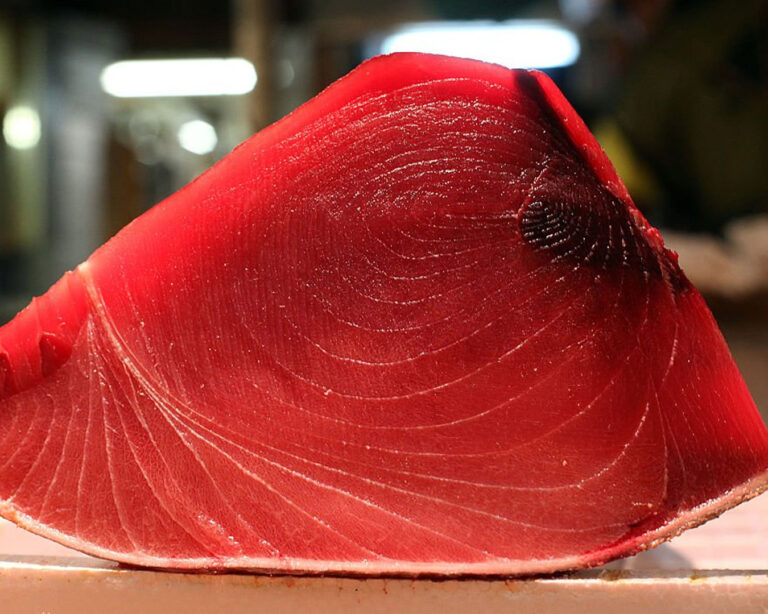
Fresh tuna shows clear red or pink tones. It is important to note that color can vary depending on the cut and oil content, so customers should be aware of this when judging quality. Fresh Chutoro should have a pinkish color due to its higher oil content, which is a primary indicator of quality.
Bluefin tuna belly displays a pale rose streaked with white fat, while a dull brown signals oxidation. Oxygen alters the myoglobin in the meat; skilled flash freezing is the only way to effectively slow this chemical change.
Fat Content and Distribution
Fat drives mouthfeel and flavor. Even distribution is a sign of quality, whereas patchy fat hints at stress or age.
| Cut Name | Description | Fat Level |
| Akami | Lean meat from the sides; firm and clean. | Low |
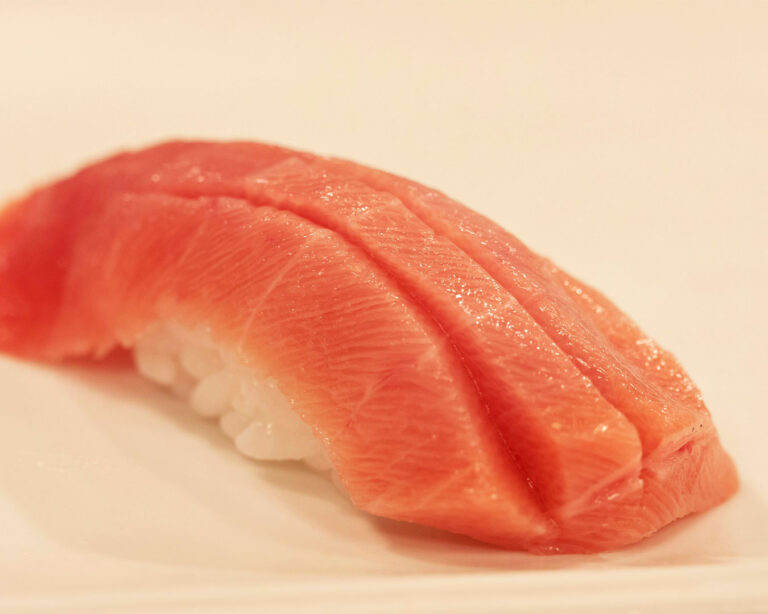
| Chutoro | Found between the belly and back. Known for its rich buttery taste and fine tenderness, Chutoro melts in the mouth. | Medium |
| Otoro | The fattiest part of the belly; melts on the tongue. | High |
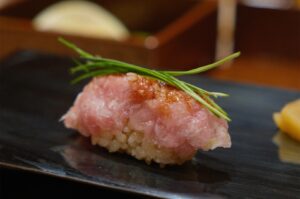
Chutoro’s higher oil content gives it a pinkish color and a glossy, vibrant finish. The better the quality, the pinker and more lustrous it appears. This richness not only enhances the mouthfeel but also adds a kick to the overall flavor experience.
Texture and Muscle Fiber
Quality tuna feels soft yet springy. Pressed flesh should “bounce” back. A mushy texture signals cell damage from poor freezing or spending too much time at a warm temperature range.
Microscopically, ice crystal size affects texture: rapid freezing forms small crystals that preserve the meat, while slow freezing creates large crystals that tear muscle walls and create a compromised texture. Frozen block Chutoro can lose its original moisture and essence during the thawing process, resulting in a gray and dull color.
Fresh vs. Frozen Tuna
While fresh tuna once ruled sushi counters, today, frozen tuna often ranks higher in quality and safety. However, the difference between fresh and frozen Chutoro is significant: fresh tuna offers superior flavor and texture, which can greatly enhance the dining experience.
- Frozen Tuna: Locks in freshness at sea immediately after harvest; kills parasites; allows for global delivery.
- Fresh Tuna: Ages significantly faster; requires tight time control. Generally, the larger the tuna fish, the higher the overall oil content, resulting in a higher quality product.
Bluefin Tuna and Its Status
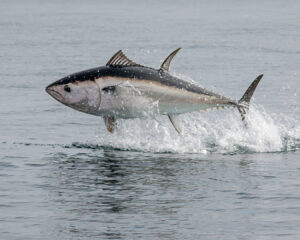
Bluefin tuna, or maguro, holds immense cultural weight in Japan, often featuring in ceremonies and seasonal meals. Its quality depends on age, size, and diet. High quality sashimi tuna options include Bluefin, especially the prized toro cuts such as Chutoro and Otoro. Chutoro is the medium fatty part of the tuna, located next to the Akami and moving towards the belly.
Auctions heavily favor tuna over 200 kg, as larger fish store more complex fats and provide a better yield. In high end omakase restaurants, toro sashimi is often served as part of a curated menu, showcasing the chef’s skill and the fish’s quality.
How Experts Judge Tuna at Auction
Inspection is fast and precise. Buyers carry hooks, flashlights, and towels to study a single cut piece. Often, this cut is used to cover or reveal the key features of the tuna, allowing experts to assess its quality from different angles. Their metrics include:
- Color Clarity: Vibrant, non oxidized hues.
- Fat Gloss: A healthy sheen on the fatty sections.
- Grain Tightness: Compact muscle fibers.
- Moisture Level: Hydrated but not “wet.”
- Scent: A faint ocean smell; sour notes signal spoilage.
Optimizing the Flavor of Tuna Sashimi
Tuna sashimi is a Japanese delicacy made from thinly sliced raw tuna served with soy sauce and wasabi. To truly appreciate Grade #1 quality, the preparation must be as meticulous as the auction process. Proper service relies on the interplay between temperature and seasoning.
A simple dressing or marinade can be made by mixing lime juice, grated ginger, soy sauce, honey, and a splash of mirin in a small bowl. This recipe adds depth and balance to the dish. After making the dressing, drizzle it over the tuna slices. For added presentation and taste, garnish with thinly sliced scallions and sesame seeds.
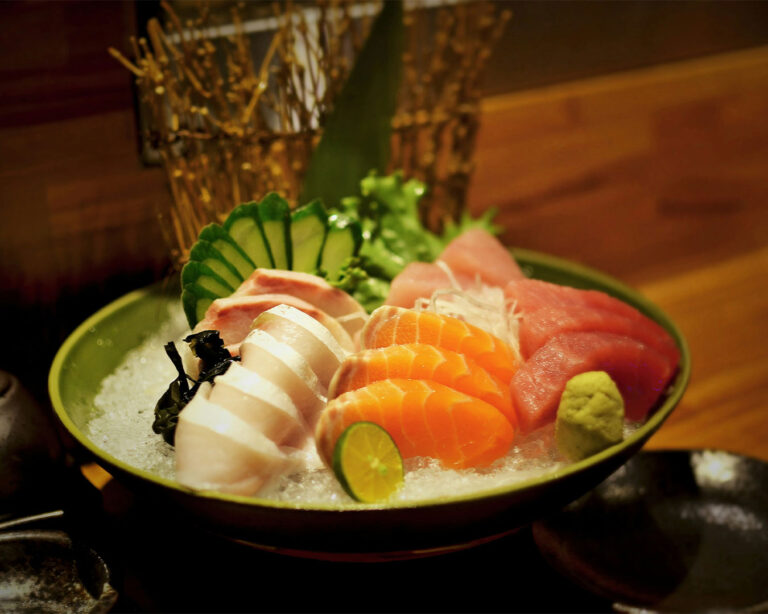
Sashimi can be served in various ways, such as in bowls with vegetables and grains, atop salads, or arranged on a chilled plate. Traditionally, sashimi is served cold and immediately after preparation, often on a chilled plate and garnished with shredded daikon radish and shiso leaves. Slicing methods include Hira-zukuri (a standard flat slice about 7 to 10 mm thick) and Usu-zukuri (paper thin slices).
- The Temperature Sweet Spot: Serving at 5°C to 10°C allows the fats to soften slightly on the tongue without losing the refreshing chill.
- The Wasabi Rule: For fatty cuts like Otoro, a larger amount of wasabi is used. The heat binds with the oils, neutralizing the “burn.”
- Soy Sauce Application: High quality tuna sashimi should be dipped lightly on the fish side to ensure the salt enhances rather than masks the natural umami.
Handling and Food Safety
Quality survives only with meticulous care. After auction, tuna moves through cold rooms where ice packs stabilize the temperature. Thawing is a delicate process, often involving saltwater baths or timed air thaws to prevent the flavor from dulling.
Japan enforces strict freezing rules for parasite control. Tuna destined for raw use must meet specific temperature over time benchmarks, making sashimi grade tuna safe to eat raw. For those buying outside of Japan, consider the following:
- Ask about the freezing method: (look for “flash frozen”).
- Check the surface: Avoid any fish that looks slimy or dull.
- Buy small quantities: Use the fish the same day it is purchased.
Why Grade One Matters
Top grade tuna carries a premium price because the yield is high, the waste is low, and the flavor is exceptionally clear. For sushi and sashimi, there is no cooking process to hide errors. One cut reveals the absolute truth of the fish.
The Ultimate Standard of Excellence
Understanding sashimi tuna quality means learning respect: for the fish, the craft, and the time involved. Japan has built a system where a single glance tells a story, ensuring that the ancient tradition of raw seafood remains a pinnacle of culinary excellence.
At Sushi Masa by Ki-setsu, tuna receives care rooted in Edomae tradition. Chef Masa chooses Toyosu Market-sourced bluefin based on grade, age, and cut. Dinner is served through an omakase flow, allowing each slice to showcase texture and flavor. Our focus remains on seafood, precision, and meticulous process. Guests are invited to enjoy sashimi tuna exactly as Japan intended.