There is a fish that arrives at the omakase counter wearing a borrowed name, carrying the weight of a dozen identities, and yet somehow consistently, beautifully, manages to be the most quietly magnificent thing on the rice. It is called yellowtail by menus, labeled hamachi by chefs, and celebrated as buri by those who truly understand it.
This confusion is not accidental. It reveals a story about age, terroir, season, and the radical difference between what a fish is called and what it actually is, a nuance deeply appreciated in Japanese omakase dining experiences.
Hamachi, Yellowtail, Buri: Decoding the Identity Crisis of the Japanese Amberjack Yellowtail

At the heart of the confusion is a biological truth: hamachi and buri are not different species but the same fish, Seriola quinqueradiata, the Japanese amberjack yellowtail, at different life stages. In Japanese culinary tradition, this fish is classified by shusseuo (出世魚), a system where fish names change as they grow, much like samurai adopting new names upon promotion.
What makes this naming system genuinely complex even for the Japanese is that it is not a single universal ladder but a set of parallel regional traditions. In eastern Japan (Kanto), the same fish moves through the names Wakashi → Inada → Warasa → Buri. In western Japan (Kansai and beyond), the hierarchy is entirely different: Tsubasu → Hamachi → Mejiro → Buri. In both systems, “buri” serves as the name for the fully mature adult fish, but the intermediate names and the sizes they denote diverge considerably.
According to the FAO and fisheries research, the three stages most commonly referenced in culinary and commercial contexts are classified by weight:
Mojako — larval stage, under 50 g
Hamachi — juvenile to sub-adult, 50 g to 5,000 g (5 kg); in the west, this name applies specifically to fish in the 30–60 cm range
Buri — fully mature adult, over 5,000 g (5 kg), typically 80 cm or longer after four to five years
In English-speaking contexts and across many sushi bar menus globally, all of these stages collapse into the single word “yellowtail” – a flattening that erases distinctions in flavor, fat content, and culinary application that define the very philosophy of Edomae sushi.
The Geography of Fat: Why Wild Yellowtail and Farmed Hamachi Taste Fundamentally Different

No review recipe of hamachi yellowtail is complete without addressing farmed versus wild origins, the most crucial factor in taste.
Farmed Hamachi: Consistency as a Culinary Value
Most hamachi served outside Japan, and much within, comes from aquaculture in Kagawa and Nagasaki. Juvenile fish are raised in net pens, fed controlled diets rich in fishmeal and oils to optimize intramuscular fat (shimofuri), giving hamachi sashimi its silky, buttery texture.
Farmed hamachi is engineered for consistency: abundant, evenly distributed fat, mild flavor, and year-round availability. For chefs managing omakase menus, this predictability is invaluable. The fish arrives fresh, cut precisely, delivering a reliable experience many associate with yellowtail sashimi at its best.
Wild Yellowtail: The Glory of Buri in Winter
Wild yellowtail, especially mature buri caught in the Sea of Japan during late autumn and winter, offers a different sensory experience. Known as kanpachi no buri (寒鰤) or simply kan-buri (“cold-season buri”), this fish fattens dramatically as sea temperatures drop. Migrating southward along the coasts of Toyama, Ishikawa, and Noto, it accumulates fat that transforms its flesh from lean to extraordinarily rich.
The difference is profound. Wild buri in peak winter rivals the fattiness of prized tuna cuts. Its flavor carries oceanic complexity and depth farmed hamachi cannot replicate. At traditional establishments sourcing seasonally, kan-buri’s arrival is a culinary event akin to the first shin-soba of autumn.
Hamachi at the Omakase Counter: How a Great Chef Reads This Fish

A trained eye can read a slice of yellowtail sashimi like a text. Wild buri shows a deeper pinkish-amber hue, while farmed hamachi is a brighter, pale rose. Fat distribution differs: farmed fish has even marbling; wild fish concentrates fat in visible striations.
At the omakase counter, chefs cut wild yellowtail against the grain to shorten muscle fibers and improve mouthfeel. Farmed hamachi’s yielding fat allows varied knife angles.
Hamachi Sushi: Nigiri Technique and Rice Temperature
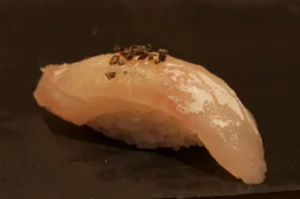
Hamachi nigiri requires delicate balance. The fish’s fat suppresses acidity, so Edomae chefs use slightly more acidic shari (seasoned rice) to cut through the fat, balancing the palate. Rice temperature is key: cold rice hardens hamachi’s fat, muting silkiness, while body-temperature rice lets fat bloom, releasing aromatic complexity. This is why hamachi nigiri served freshly from the chef’s hand is superior to plated, rested fish.
Ponzu Sauce, Shredded Daikon, and the Art of Accompaniment
Hamachi is often paired with garnishes that balance its richness. Thin yellowtail sashimi slices rest on shredded daikon radish, accompanied by ponzu sauce, ginger, and scallion. Each element serves a purpose: daikon’s enzymes aid fat digestion and refresh the palate; ponzu’s citrus acidity cuts through fat; ginger adds aromatic warmth and antimicrobial benefits.
Freshly grated wasabi enhances aroma and cuts richness more effectively than Western horseradish.
Hamachi Kama: The Most Underestimated Cut at Any Serious Japanese Restaurant

If yellowtail sashimi represents hamachi at its most refined, hamachi kama, the collar including the pectoral fin and surrounding fatty meat, is the fish’s most primal and arguably most delicious cut.
The kama (“sickle”) lies just behind the head, encompassing the gill plate and shoulder muscle with dense intramuscular fat. Not eaten raw, it’s traditionally grilled over binchotan charcoal until the skin crisps and blisters, the meat turns opaque and juicy, and fat renders into the flesh, basting from within.
Typically seasoned simply with salt, the collar is cooked skin-side down over high heat, then browned on the meat side. Served with lemon or sudachi lime, grated daikon, and soy sauce, the fish provides the rest.
Its texture is remarkable: collagen-rich connective tissue breaks down during cooking, creating pockets of gelatinous richness amid firm muscle. Eating hamachi kama requires hands-on attention and rewards with rustic, unctuous pleasure.
Recently, dry pan frying or air frying have emerged as alternative cooking methods, producing crisp skin when the fish is patted dry and lightly oiled. A drizzle of ponzu or teriyaki glaze adds dimension.
The Nutrition and Flavor Science Behind Hamachi’s Celebrated Richness

Hamachi is one of the most nutritionally dense fish in Japanese cuisine. A standard serving delivers significant omega-3 fatty acids (EPA and DHA), high-quality protein, vitamin D, and selenium. The fat that makes hamachi so compelling at the sashimi counter also makes it heart-healthy.
Flavor compounds in hamachi fat are long-chain polyunsaturated fatty acids that oxidize quickly when exposed to air and light, making freshness critical. Slightly aged hamachi develops a faintly acrid, “fishy” quality no amount of ginger, wasabi, or ponzu can mask. Top-tier chefs source hamachi daily, butcher to order, and serve within hours, relying on supply chains like Tokyo’s Toyosu Market for freshness.
Flavor-wise, hamachi sits between salmon and mackerel: richer and more savory than salmon, cleaner and less assertive than mackerel, with a natural sweetness, especially in farmed fish fed high-quality diets. This balance makes it approachable for raw seafood newcomers and rewarding for connoisseurs.
Hamachi Across Seasons: Why Japan Still Argues About When to Eat It

The hamachi versus buri debate boils down to seasonality. Japan’s culinary calendar treats ingredient timing as a discipline. Summer hamachi, farmed and consistent, is prized for mild delicacy, a refreshing counterpoint to heat. Winter buri, wild and transformatively fat, is a supreme cold-season delicacy, an ingredient whose presence on an omakase menu signals culinary integrity.
Between these poles lies a spectrum of regional preferences, ecological variation, and culinary philosophy. In Toyama Prefecture, kan-buri is revered like a grand cru wine harvest. Along the Pacific coast, chefs may prefer farmed hamachi for certain dishes due to its controlled fat content.
This sophisticated, seasonally attuned relationship with hamachi defines Japanese cooking’s apex.
More Recipes and Culinary Inspirations Featuring Hamachi

Beyond omakase, hamachi lends itself to a variety of great recipes. From pan-frying with garlic and pepper to spicy preparations incorporating fresh chili or jalapeno, hamachi’s versatility shines. It pairs well with seaweed salads and can be enhanced with a touch of soy or teriyaki glaze for deeper umami.
For home cooks seeking a review recipe, hamachi teriyaki with yuzu kosho offers a spicy, flavorful twist. Frying hamachi kama in a dry pan or air fryer provides a convenient alternative to charcoal grilling while preserving texture.
Nutrition calories vary by preparation but generally reflect hamachi’s lean protein and healthy fat profile, making it a wholesome choice for seafood lovers.
Experiencing Hamachi Through the Omakase Lens at Sushi Masa by Ki-setsu

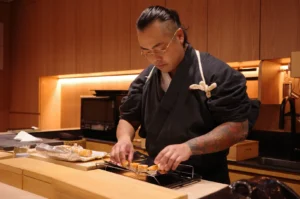
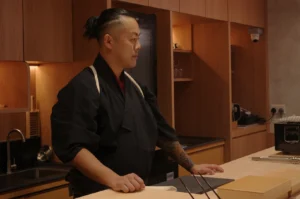
At Sushi Masa by Ki-setsu, hamachi is treated with full respect for its tradition and nuance. Chef Masa sources hamachi and buri via Toyosu Market, selecting fish by seasonal expression rather than convenience. Guests experience hamachi as silky nigiri, contemplative yellowtail sashimi with shredded daikon and ponzu, or elemental hamachi kama grilled over binchotan charcoal.
Our omakase model is seafood-only, free from meat, focusing on premium seasonal ingredients flown daily from Japan. Reservations are required for this intimate 8-seat sushi counter, where each dish reflects the season’s best.