Every guest who books a seat at our counter asks the same thing sooner or later: how long does omakase take? It is a sensible question. An omakase meal is not a rushed bite between appointments, and knowing the rhythm of the evening lets you settle in and enjoy every moment.
The short answer is that an omakase Singapore dinner at Sushi Masa by Ki-Setsu unfolds over roughly two hours, though the exact pace depends on the menu you choose and the flow of the counter that night. The longer answer is far more interesting, and it begins with understanding what makes this Japanese dining tradition so special.
How Long Does Omakase Take, and Why Is It Unhurried?
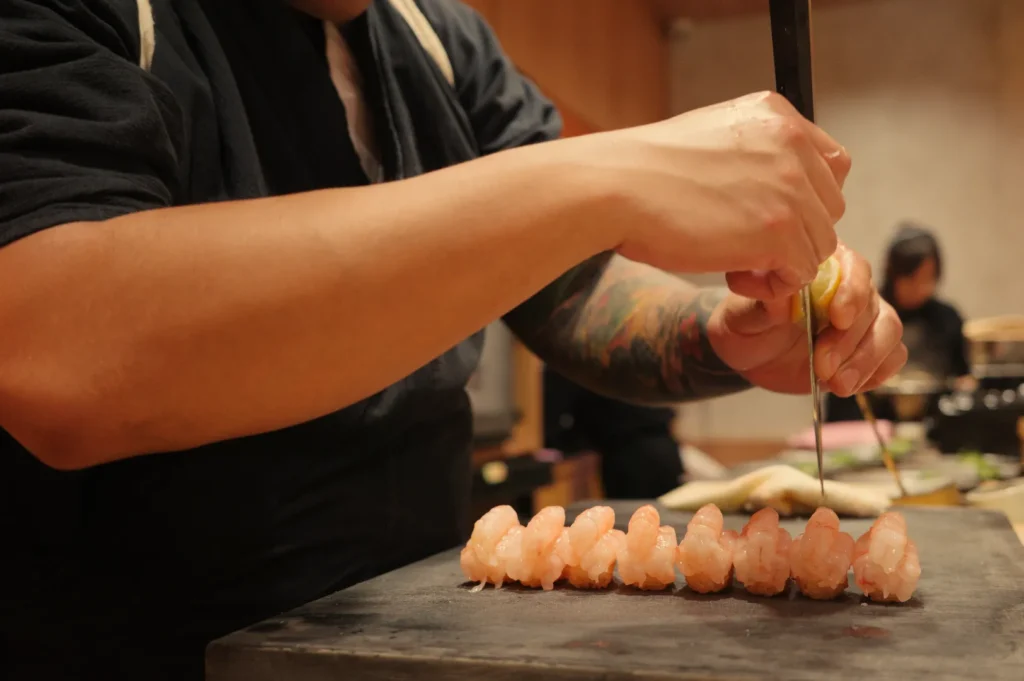
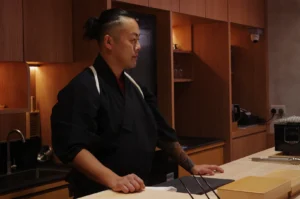
When people ask how long omakase takes, they are often comparing it to a typical restaurant visit. An omakase dining experience works differently. Unlike at many restaurants, there is no menu to browse, no orders to place and no waiting for a kitchen to catch up. Chef Masa prepares each course in front of you, one at a time, and serves it at the moment it tastes best.
That is why the evening stretches comfortably. A multi course meal built around fresh seafood needs space between each plate. Rice is shaped to order, fish is cut just before it reaches you, and warm dishes arrive at the right temperature. Rushing any of this would defeat the purpose. Guests also ask how many courses to expect. The answer depends on the menu you choose, as each tasting menu offers a different depth of seasonal dishes.
Our dinner service begins at 7:15pm, and we recommend arriving a few minutes early so that the whole counter can begin together. We are open Tuesday to Saturday, and dinner is the only service we offer, because the daily preparation behind it deserves our entire focus.
What the Word Omakase Really Means
The word omakase translates roughly as “I leave it up to you”. It is an expression of trust, and it sits at the heart of how we cook. When you choose omakase, you hand the decisions to the sushi chef, who chooses each course according to what the season and the market have offered that day.
This is why the chef chooses, and the chef selects, with such care. Our chef reads the counter as the evening progresses. He notices how quickly you eat, which flavours make you pause and when you might welcome a little more time before the next piece. This personalised omakase experience is something no printed menu can replicate, and it shapes the timing of your dinner as much as the courses themselves.
Omakase grew alongside the sushi culture of the Edo period, when nigiri was served by street vendors in what is now Tokyo. Over generations it developed into the refined counter dining we know today, and we continue to honour that lineage in every service.
Inside an Edomae Omakase Dinner
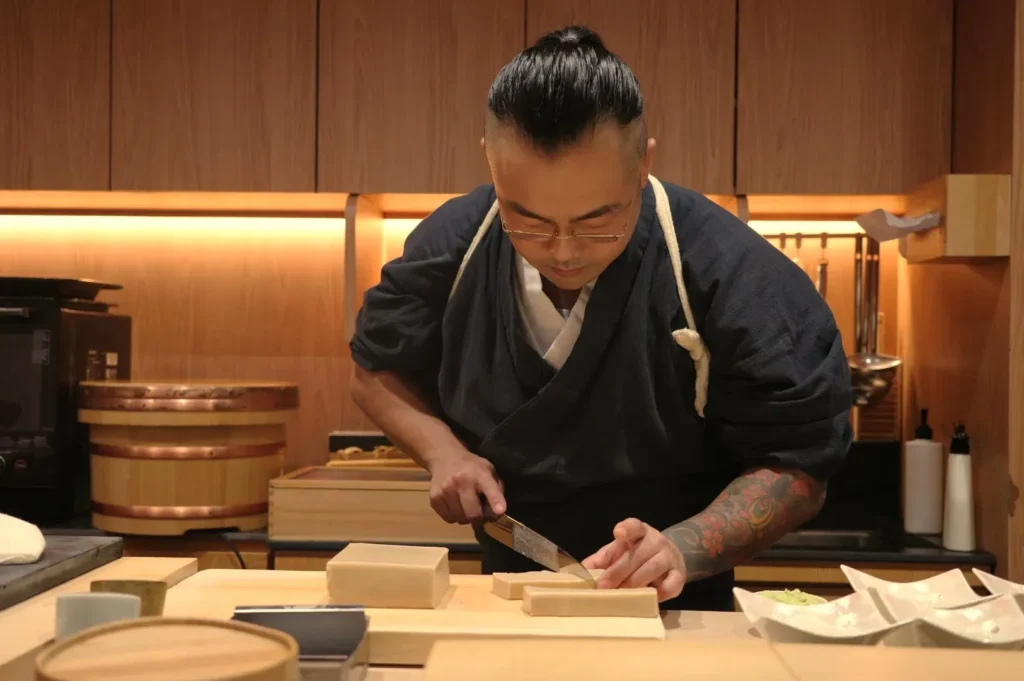
Edomae omakase takes its name from Edo, the old name for Tokyo. Before refrigeration, sushi artisans of the era relied on techniques such as light curing, gentle ageing and careful seasoning to bring out the best in each fish. Today we still draw on those methods, which is part of why each piece of nigiri sushi tastes so distinct and why the sequence is paced the way it is.
Chef Masa trained and cooked in Tokyo before bringing his craft to Singapore, and his approach remains faithful to the Edomae style. Here is how an evening typically flows.
The Opening Courses
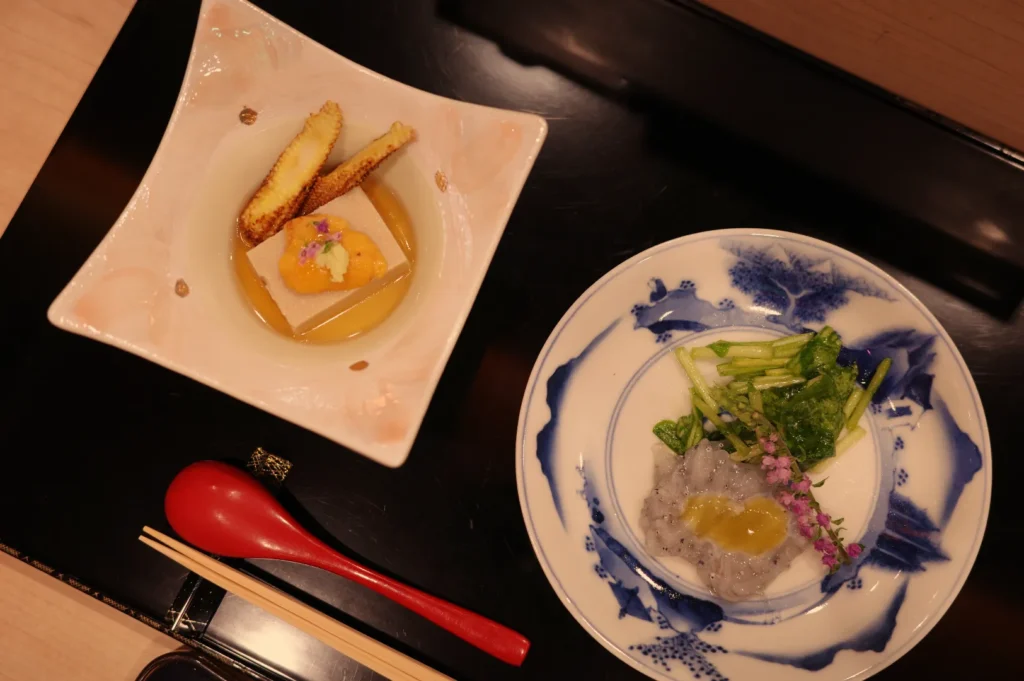
The meal begins gently. We serve a warm dashi soup, a light stock that is not infused with shellfish, which prepares the palate and sets a calm tone. A seasonal appetiser follows, then sashimi, so that you taste the clean, natural character of the raw fish before the rice arrives.
These opening courses take around thirty minutes. They are unhurried by design.
The Nigiri Sequence
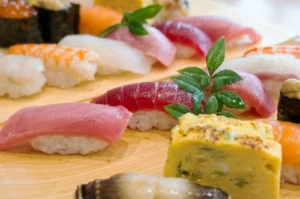
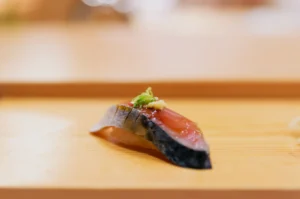
This is the heart of our sushi omakase. Chef Masa shapes each piece of nigiri by hand and places it directly before you. The best way to eat sushi at the counter is to eat each piece within moments of receiving it, ideally in one bite, while the rice is still gently warm and the fish is at its best.
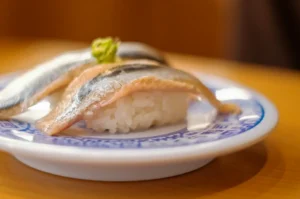
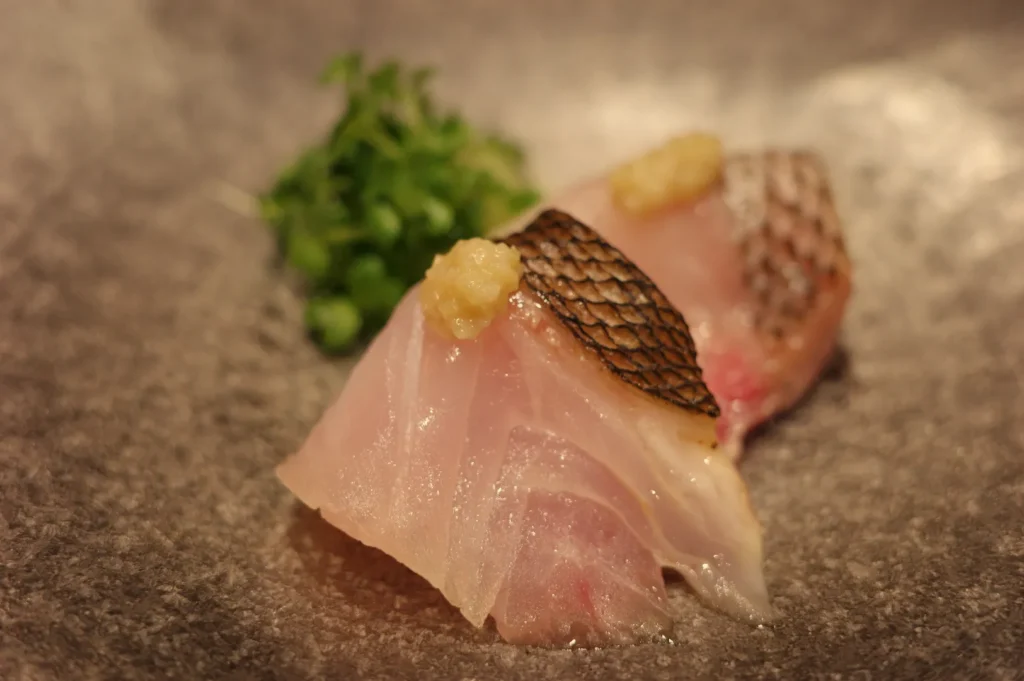
The sequence moves from lighter, more delicate fish towards richer and more robust flavours. You might encounter golden eye snapper, scallops, flamed otoro and creamy Hokkaido uni. The pacing here is steady, with a new piece arriving every few minutes, and it usually accounts for the longest portion of the dinner.
A small amount of soy sauce may already be brushed on by Chef Masa, so there is rarely any need to dip. If a piece is ready for you, it is ready as it is.
The Closing Courses
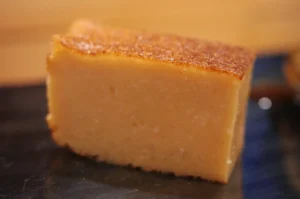
Toward the end, a warm seafood dish is served to round out the progression, followed by a final piece of sushi and a delicious dessert to close the evening. Our menu is purely seafood, and we serve no meat. That focus on honest Japanese food lets the quality of the fish speak without distraction.
Seasonal Ingredients and the Toyosu Connection
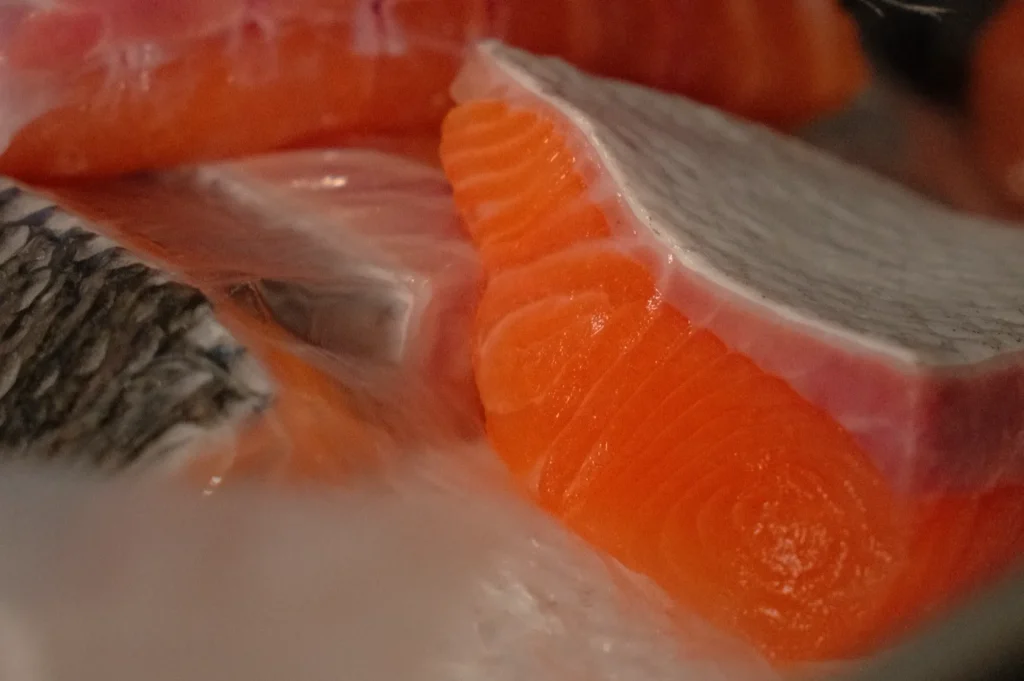
Timing does not only refer to the length of your dinner. It also describes how we handle our ingredients. Our fish is flown in daily from Toyosu Market in Tokyo, Japan, and we insist on the freshest ingredients and the highest quality fish available. Chef Masa uses the hours before service to prepare it with care.
This is also why our counter is open for dinner alone. The finest ingredients arrive each morning, and the hours before service are reserved for preparation, so that every course is served at its peak.
Seasonal availability guides what we serve. Spring brings delicate flavours, summer favours lighter and more refreshing fish, autumn introduces richer textures, and winter offers the fattiest, most luxurious cuts. Because the menu follows the market, no two evenings are identical, and every visit offers a fresh perspective on Japanese cuisine. Premium ingredients are only part of the story. How they are handled, rested and served is where culinary artistry truly shows.
Counter Seating and an Intimate Setting
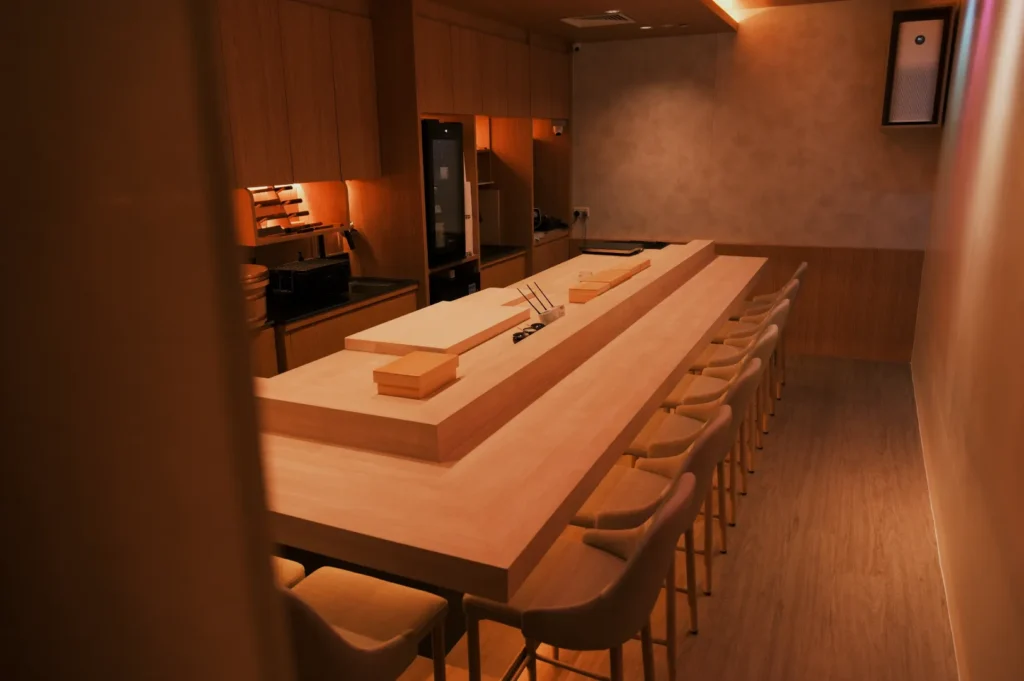
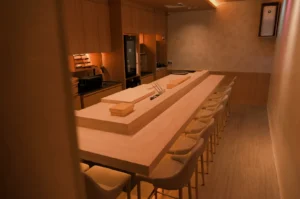
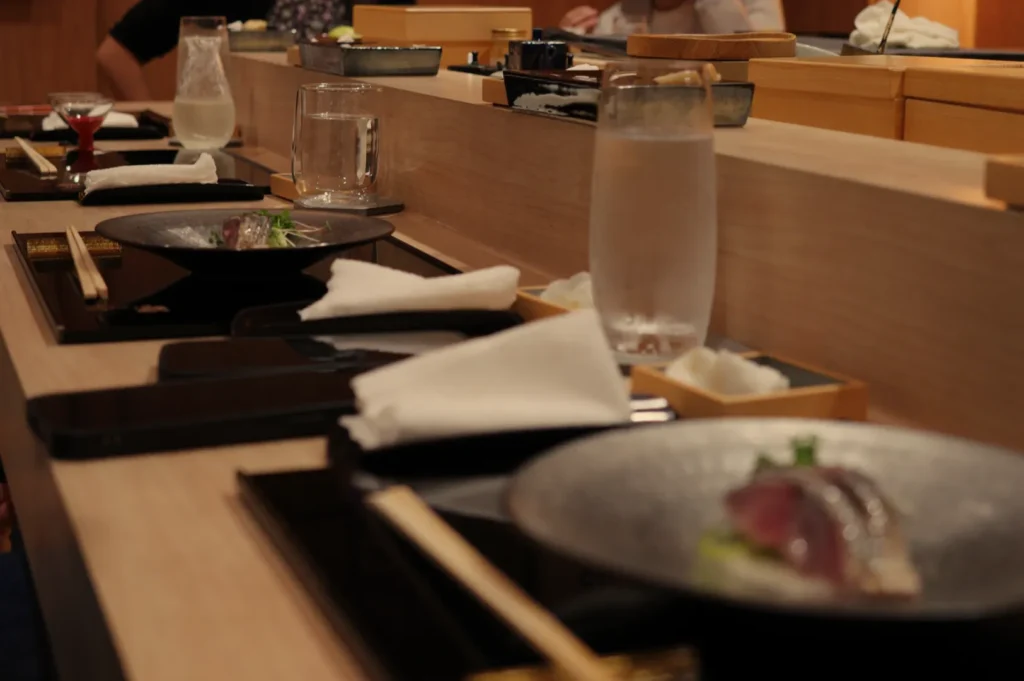
As an omakase restaurant with a single counter, we seat just eight guests. This is deliberate. An intimate setting allows Chef Masa to serve each person personally and to adjust the rhythm of the meal to the room.
Sitting at the omakase counter also means you watch every step: the slicing of the fish, the shaping of the rice, the gentle flame applied to a piece of otoro. Dining engages all the senses here, from the aroma of warm rice to the quiet sound of a knife meeting a cutting board. Guests often tell us that watching the craft is as memorable as eating it.
Because the counter is small, the pace of the evening feels personal rather than scripted. Chef Masa is happy to explain the origin of a particular fish or the reasoning behind a seasoning. It is a culinary experience that rewards curiosity.
Omakase Cost and What Shapes It
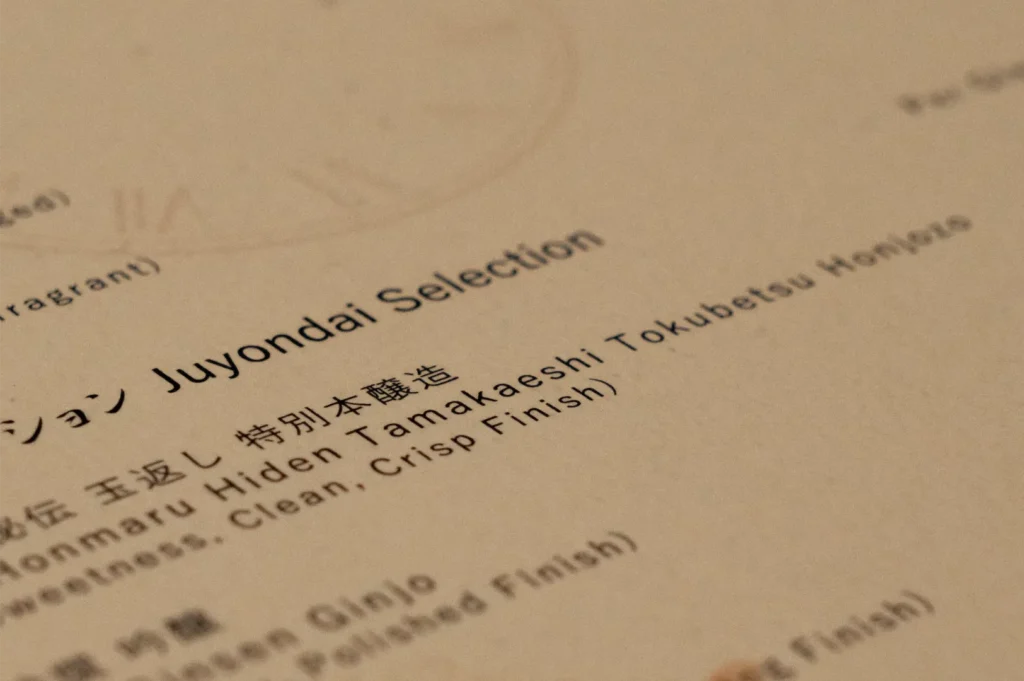
Many guests wonder about omakase pricing before they book, and it is a fair question. The omakase cost at any establishment reflects the ingredients, the skill involved and the number of courses. Sourcing fish from Toyosu Market every day, and preparing it by hand for a counter of eight, informs our approach to value.
We offer several omakase menus, each with a different depth and selection of courses, so you can choose the one that suits the occasion. Our Hiseki menu is our most indulgent offering, ideal for celebrations. You can view the menus and make enquiries through our concierge before reserving.
We do not rely on gimmicks to impress. We would rather put our effort into the quality of each piece, because that is what remains in memory long after the evening ends.
A Complete Guide to Arriving, Dressing and Pairing Beverages
A little preparation helps you enjoy the evening fully. The dress code is smart casual, which means you should feel comfortable while still respecting the occasion. Please avoid heavy perfumes or colognes, as strong scents can interfere with the delicate aromas of the fish and rice.
Punctuality matters more at an omakase counter than at most dining rooms. Because the courses are served in a set sequence, a late arrival disrupts the rhythm for everyone.
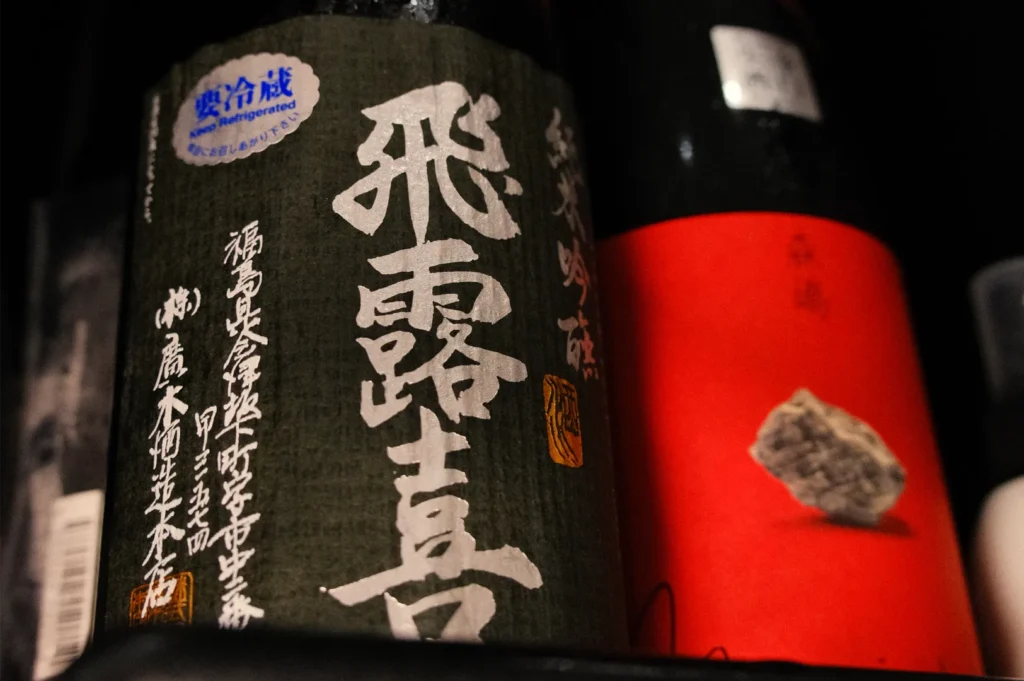
Beverage pairings are a wonderful complement. Sake is a natural match for sushi, and our selection is chosen to suit the progression from light to rich. If you prefer something non alcoholic, tea is also an excellent companion, cleansing the palate between richer pieces. Let us know your preferences and we will guide you.
If you have dietary restrictions or allergies, please tell us when you reserve. Since our menu is entirely seafood based, certain adjustments are possible, though advance notice is essential so Chef Masa can plan accordingly.
First Timers: How to Experience Omakase with Ease
If this is your first omakase dining experience, there is no need to feel nervous. We love welcoming first timers, and we would like you to feel at ease from the moment you sit down. Learning how to experience omakase is simpler than it sounds. There are no rules to memorise, only a few gentle habits that make the evening smoother.
Eat each piece when it is served. Ask questions freely. Tell us if something is not to your liking, and Chef Masa will happily adapt. The goal is not perfection on your part but enjoyment. For many guests, a first omakase is a culinary adventure, and we are glad to guide you through it.
Is omakase suitable for everyone? Almost certainly, provided you enjoy seafood and are comfortable with raw fish. Our menu is made for curious diners as much as seasoned ones, and the two hours pass in a relaxed, welcoming atmosphere.
Reserve Your Omakase Dining Experience
So, how long does omakase take? At Sushi Masa by Ki-Setsu, plan on roughly two hours of unhurried, beautifully paced dining, with each course arriving exactly when it should. It is time well spent: a unique dining experience away from screens and schedules, with seasonal ingredients, Edomae craft and a single chef devoted to your evening.
Reservations are made through our online booking platform, and our concierge is available by phone or WhatsApp for special requests, private bookings and the Hiseki menu. We are located at 5 Koek Road, #06-03 Cuppage Plaza, and we would be delighted to welcome you to our counter.