Some restaurants announce themselves. Others simply wait for you to arrive.
On the sixth floor of Cuppage Plaza, just steps from the movement of Orchard Road, one such place holds only eight seats. No fanfare. No spectacle. Just a wooden counter, a quiet room, and a chef who lets the food carry the meaning.
This is Sushi Masa by Ki-Setsu. And behind it stands one person: Chef Masa.
The Person at the Counter
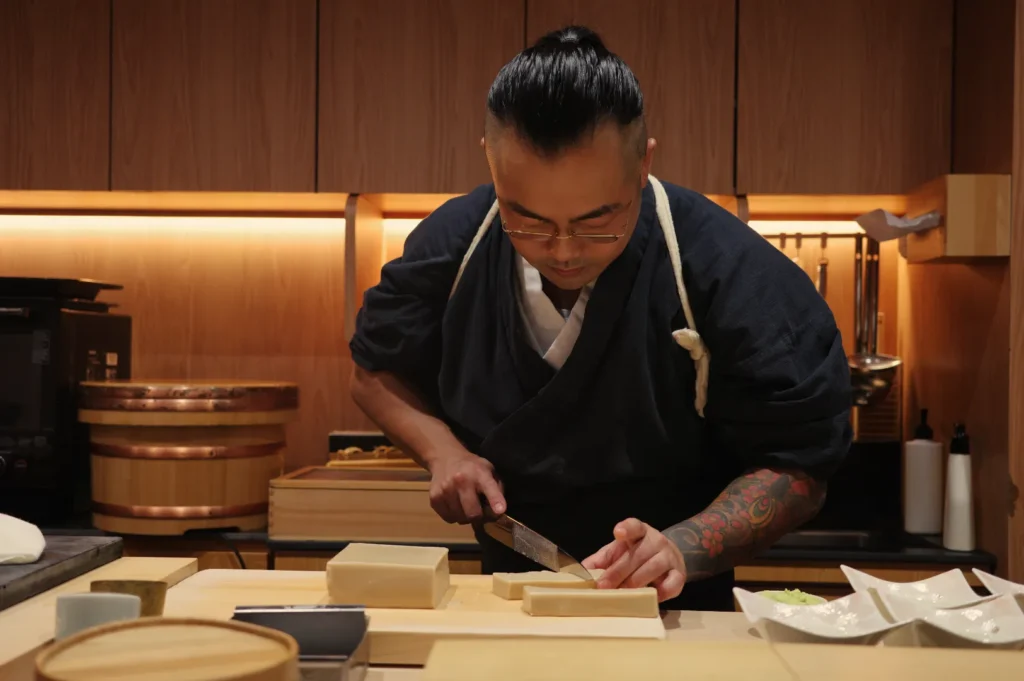
His full name is Nakano Masayuki. Most guests know him simply as Chef Masa.
Born in Tokyo, he brings more than sixteen years of culinary experience to the counter each evening. That time was not spent chasing trends. It was spent learning the discipline that omakase asks of a chef: how to read a fish, how to season rice, how to place a single piece of nigiri so that it arrives at exactly the right moment.
Sixteen years is enough time to develop restraint. To understand that skill is often shown not in what you add, but in what you choose to leave alone.
That belief shapes everything here.
A Restaurant That Reflects Its Chef
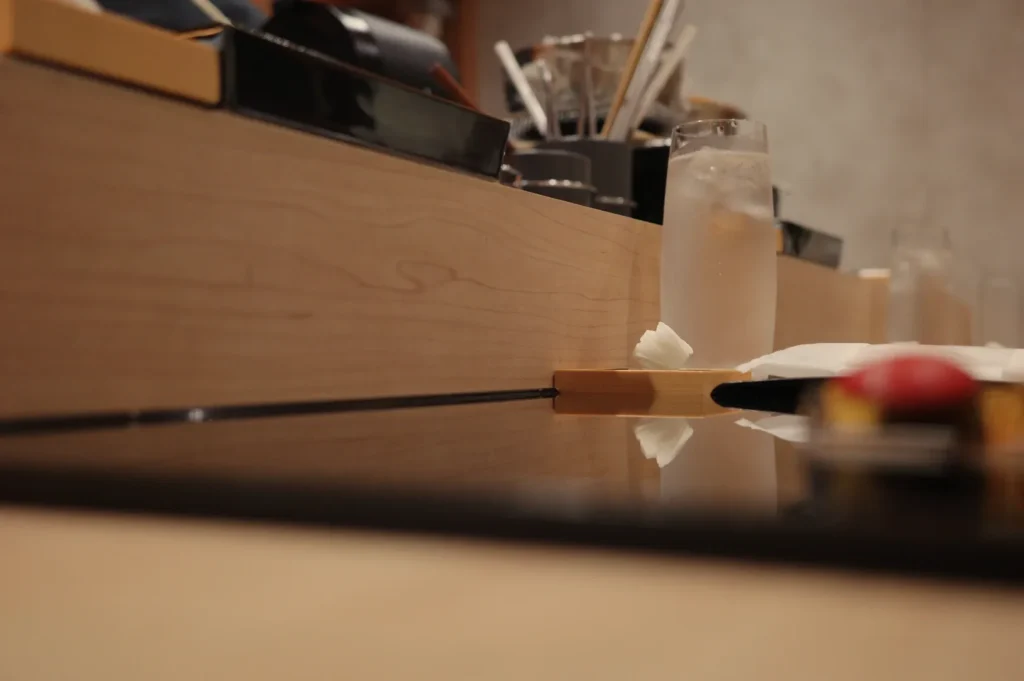
Sushi Masa by Ki-Setsu is a small, intimate Japanese omakase restaurant. There is no long menu. No à la carte. No lunch service crowding the day.
Dinner only. Eight seats. One counter.
These are not limitations. They are choices. Each one reflects how Chef Masa prefers to work: close to his guests, attentive to the pace of the evening, present for every course.
When you sit for omakase at Sushi Masa, you are not selecting from options. You are trusting the chef to guide you through the night. That is the meaning of the word itself: I leave it to you.
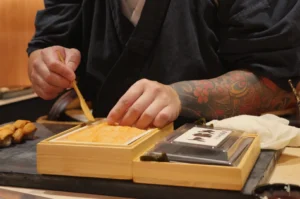
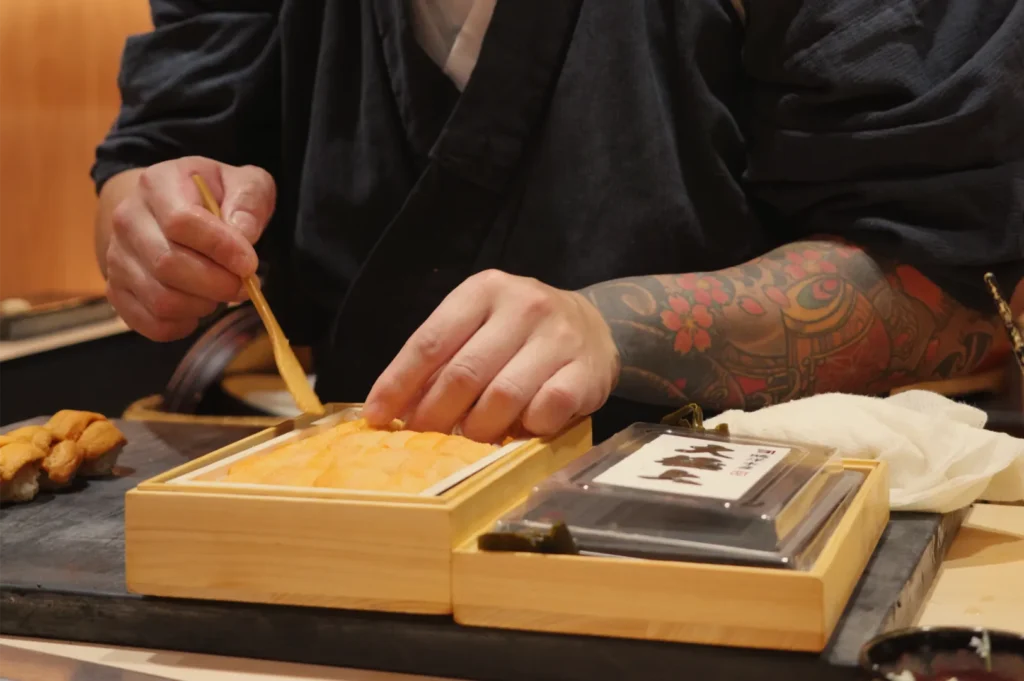
For guests, this is a different kind of dining. You watch the knife. You hear the quiet sounds of preparation. You taste each piece as it is meant to be tasted, fresh from the chef’s hands, seconds after it is finished.
Seasonality First
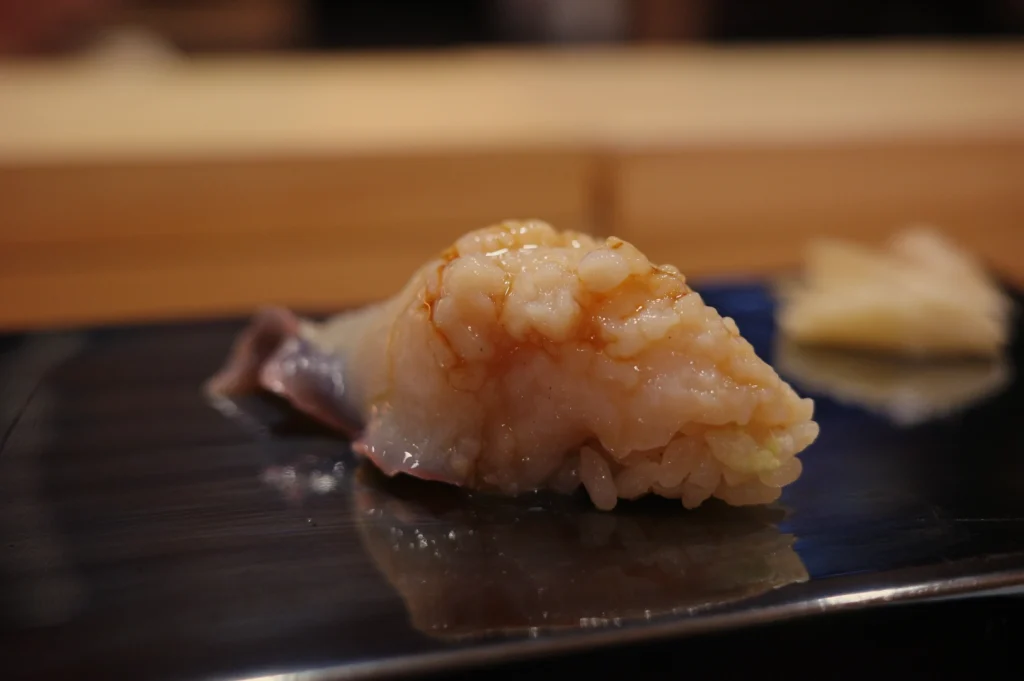
Ask what defines the cooking here, and the answer is simple: the season.
The name Ki-setsu speaks to this directly, the Japanese word for season. The menu is never fixed because nature is never fixed. What arrives in early summer differs from what the colder months offer. The kitchen follows this rhythm rather than fighting it.
This is the principle of shun, serving each ingredient at the peak of its natural moment. A fish caught at the right time of year carries a flavour it simply cannot hold at any other. Chef Masa builds each evening around that truth.
So the experience shifts as the year turns. Return in a different season, and the meal will not be the same. That is the point.
Where the Seafood Comes From
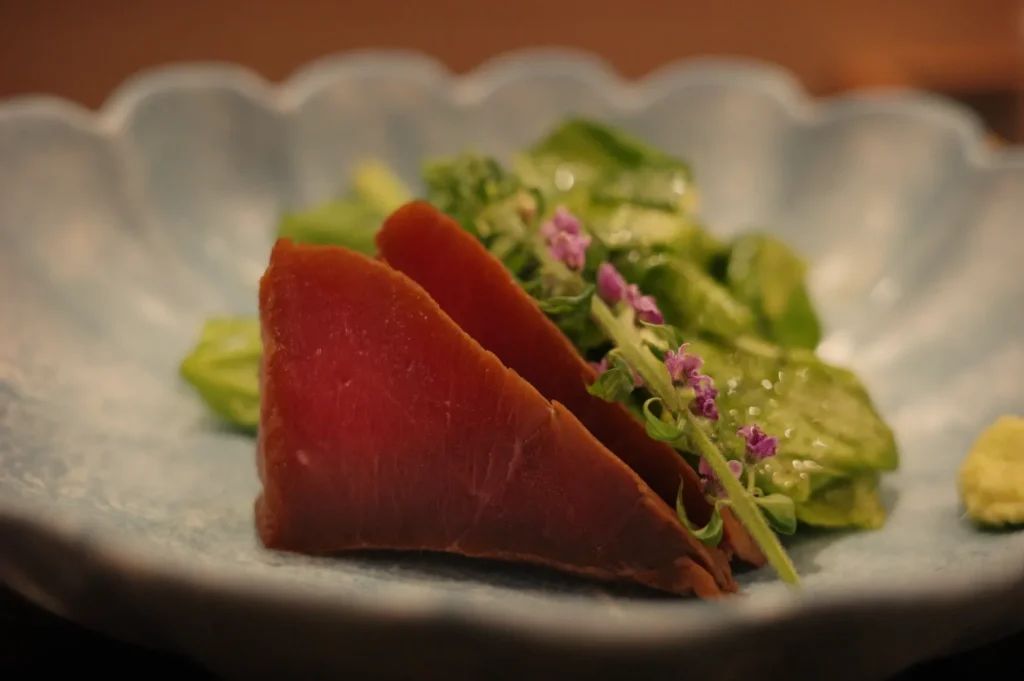
The seafood is the heart of the menu, and its origin matters.
Ingredients are sourced with links to Toyosu, Tokyo’s great seafood market. This connection allows Chef Masa to work with Japanese fish selected for quality and timing, then brought carefully to Singapore.
The distance is real. So is the care taken to bridge it. Seafood is chosen, packed, and transported with attention to temperature and handling, so that what reaches the counter still carries the character of where it began.
This is why the sourcing is not a background detail. It is part of the story on the plate. The fish speaks of Japan, of the season, and of a chef who refuses to compromise on either.
Restraint as a Style
There is a quiet confidence in how the food is presented.
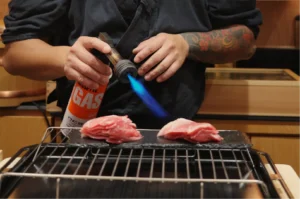
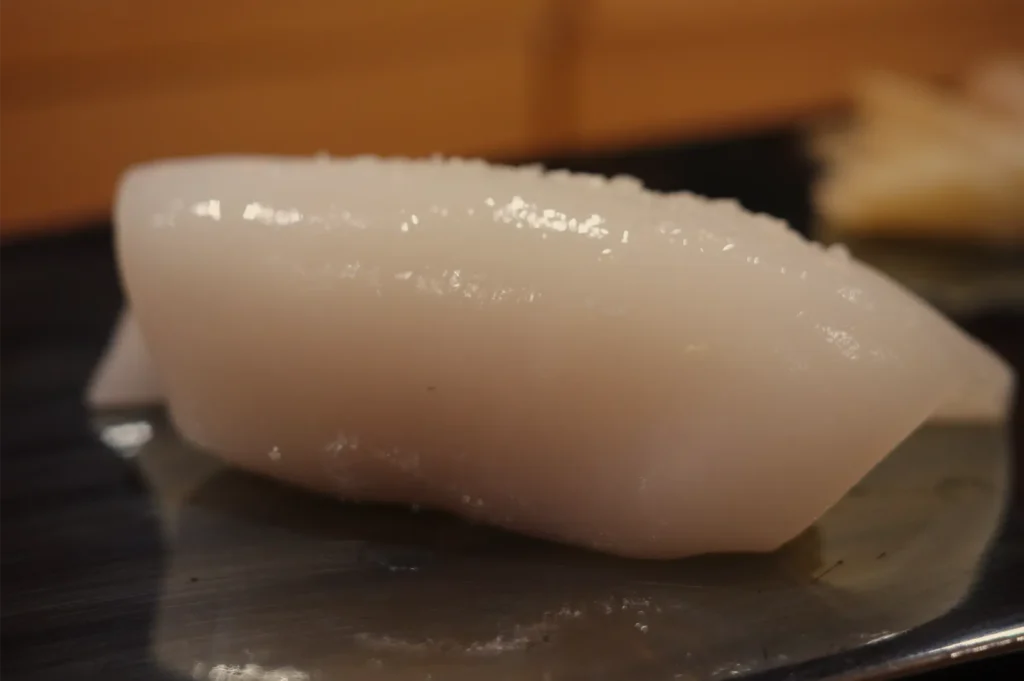
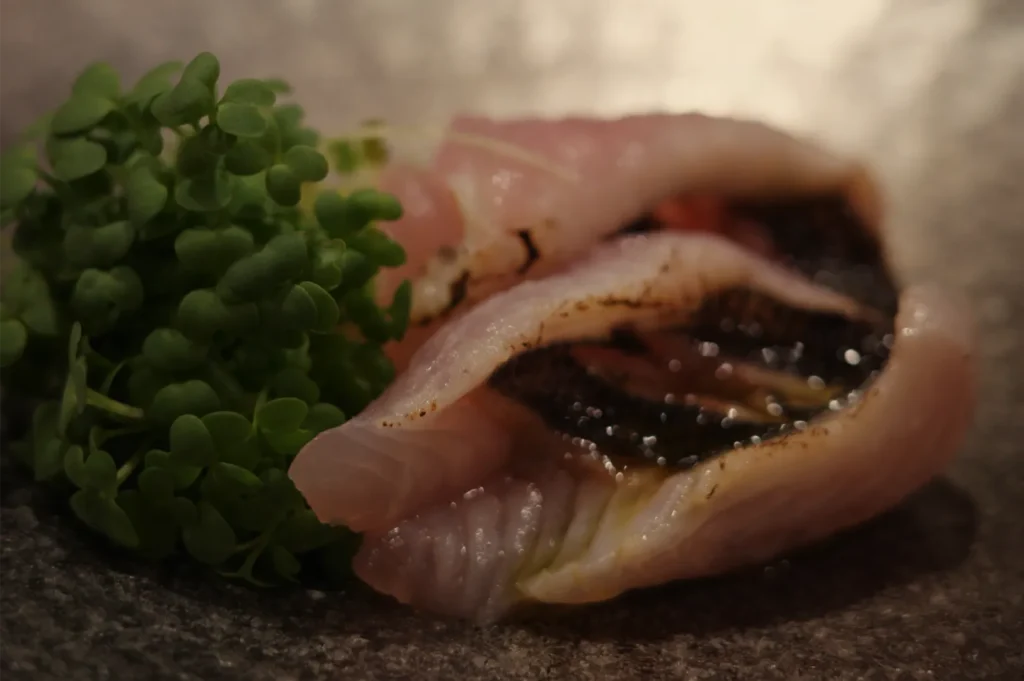
You will not find heavy sauces or crowded plates. A piece of fish might arrive dressed only in salt, or lightly grilled over charcoal to draw out its natural oils. The seasoning serves the ingredient, never the other way around.
This restraint takes discipline. It is easier to add than to hold back. But Chef Masa trusts the ingredient to stand on its own, and trusts the guest to notice.
The room follows the same logic. Minimal in design, quiet in mood. Nothing competes for your attention except the meal in front of you and the person preparing it.
A Place Worth Finding
Cuppage Plaza is not a polished mall. It is an older building, well loved by those who know it for its genuine Japanese dining. Chef Masa fits naturally into that spirit, a place where craft matters more than surface, and its Cuppage Plaza omakase has quietly become the reason regulars keep coming back.
Finding Sushi Masa here feels a little like being let in on something. You step off the busy street, take the lift, open an unassuming door, and arrive somewhere calm.
That sense of discovery suits the experience. Good things, like a well-run omakase tucked behind an unmarked door, are often found in quiet corners.
The Story, Simply Told
There is no dramatic tale here. No grand legend.
The human story behind Sushi Masa by Ki-Setsu is steadier than that. It is one chef, sixteen years of practice, and a clear belief in seasonality, seafood, and restraint. It is eight seats and a counter where trust passes between chef and guest, one course at a time.
You do not choose the menu.
You choose to trust.