Many first-time guests arrive at the sushi counter with the same quiet worry: What if I do something wrong? Should the nigiri be eaten in one bite? Is soy sauce allowed? Does it matter which piece comes first?
The good news is that Japanese omakase Singapore dining is not an exam. It is a conversation between a committed sushi chef and the person seated at the table in front of him. Still, there is a reason certain habits have endured, and understanding them makes every course taste better. Here is what we have learned at Sushi Masa by Ki-Setsu about following the omakase eating order with confidence and ease.
Understanding Omakase Eating Order and Why It Exists
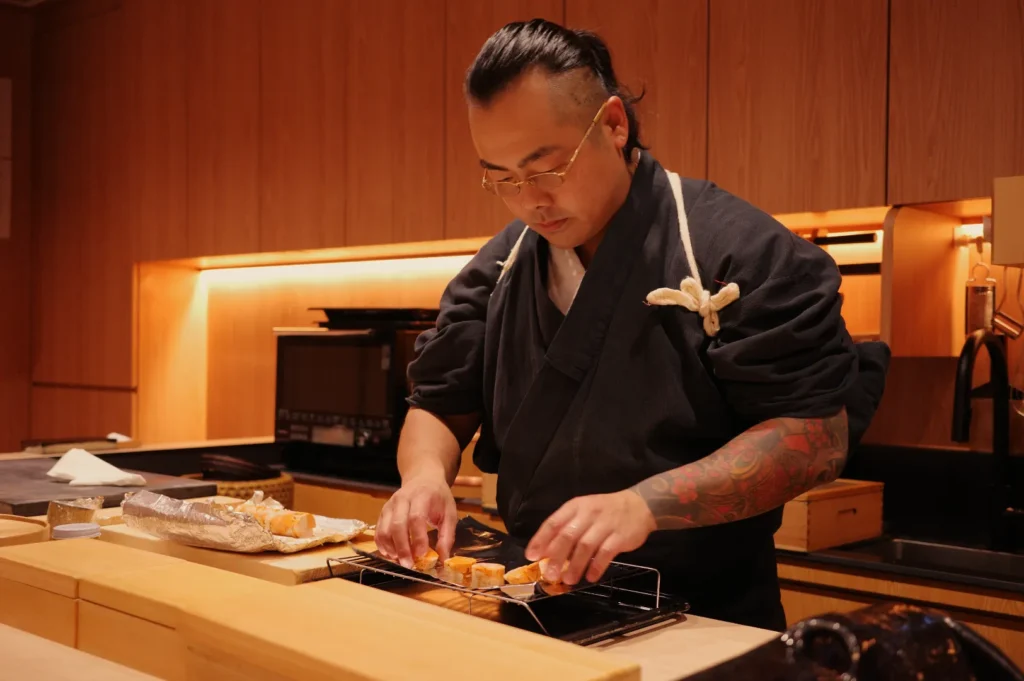
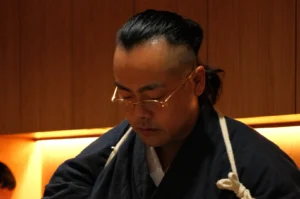
The word omakase means “I leave it to you.” When you sit down, you are placing your trust in the chef to prepare and guide the evening. That is why the omakase eating order is less a rulebook and more a rhythm, one that Chef Masa has shaped with care.
The sequence generally moves from light to rich. Delicate white fish and subtle flavours come first, so your palate can register their clean sweetness. Fattier cuts, stronger marinades and deeper flavours follow, and the meal finishes with something to bring the evening gently to a close. If richer fish appeared first, the subtler ones would taste flat by comparison.
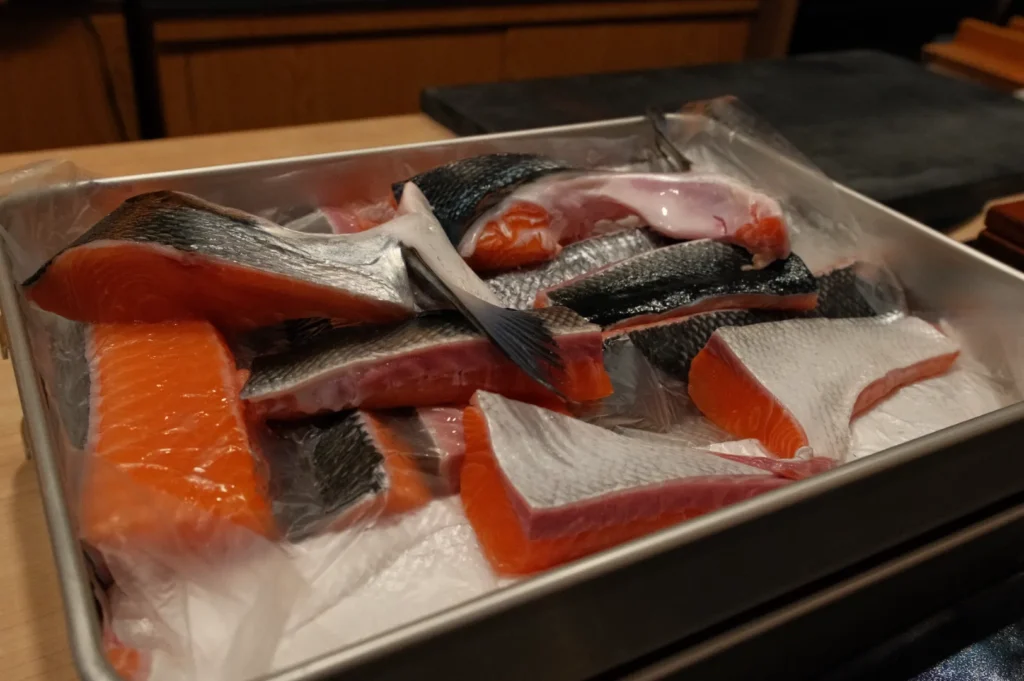
This philosophy is rooted in Edomae sushi, the style that took shape in Tokyo during the Edo period. Before refrigeration, sushi chefs cured, marinated and aged fish to preserve it and to deepen its flavour. That craft remains the heart of what we do. Each piece is finished with a specific seasoning, so it is meant to be eaten exactly as served.
So, is there a wrong way? Not really. But there is a way that lets the chef’s hard work and knowledge speak most clearly, and that is the one worth knowing.
Omakase Etiquette at the Sushi Counter
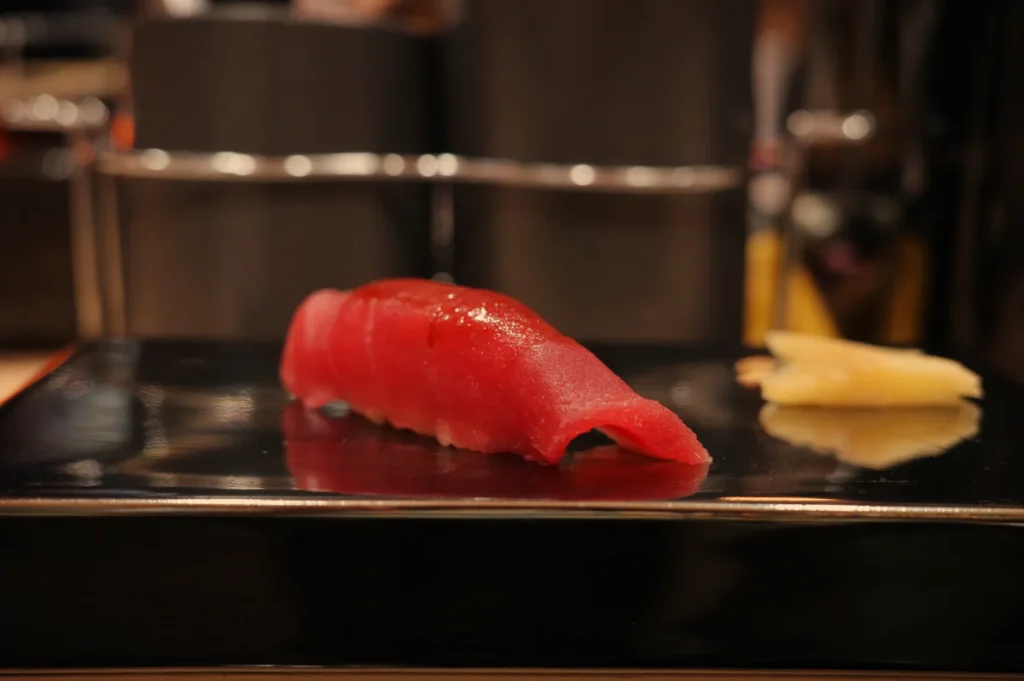
Good omakase etiquette begins before the first course arrives. It is really a form of respect for the chef, for the ingredients and for the other customers sharing the room.
Arriving on time matters more than most people expect. A meal at the counter is paced as one continuous flow, and arriving late disrupts that rhythm for everyone seated beside you. The chef and the entire team have prepared for your seat, sourced the fish for the evening and timed each stage to a plan. If something unexpected happens, let us know as early as you can.
Scent is another quiet courtesy. Sushi depends on aroma as much as taste, and a heavy perfume or cologne can overpower the delicate fragrance of fresh fish and warm rice. We suggest going light on fragrance for the evening, both for your own enjoyment and that of the diners around you.
Then there is the pace of conversation. The sushi counter is a shared space, so a relaxed tone keeps the atmosphere warm without drowning out the quiet concentration that goes into each piece. Feel free to ask questions. Chef Masa is always happy to explain where a fish came from or why it has been prepared a certain way.
Eating Nigiri Sushi the Way It Was Meant to Be Enjoyed
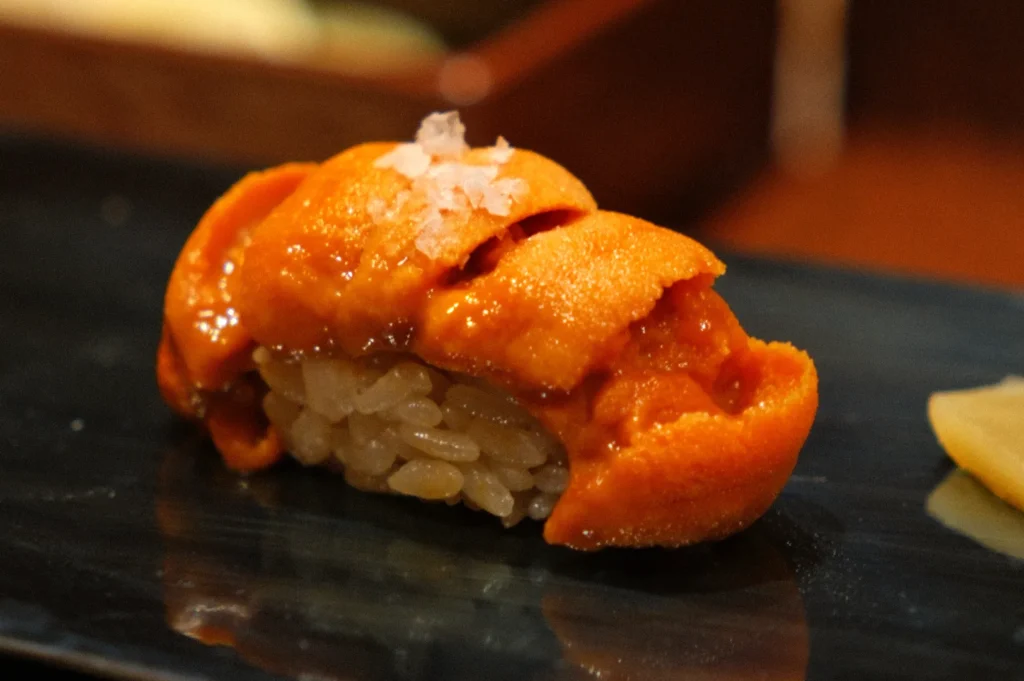
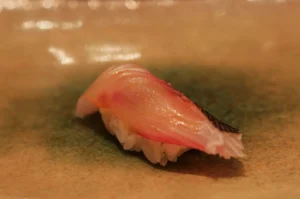
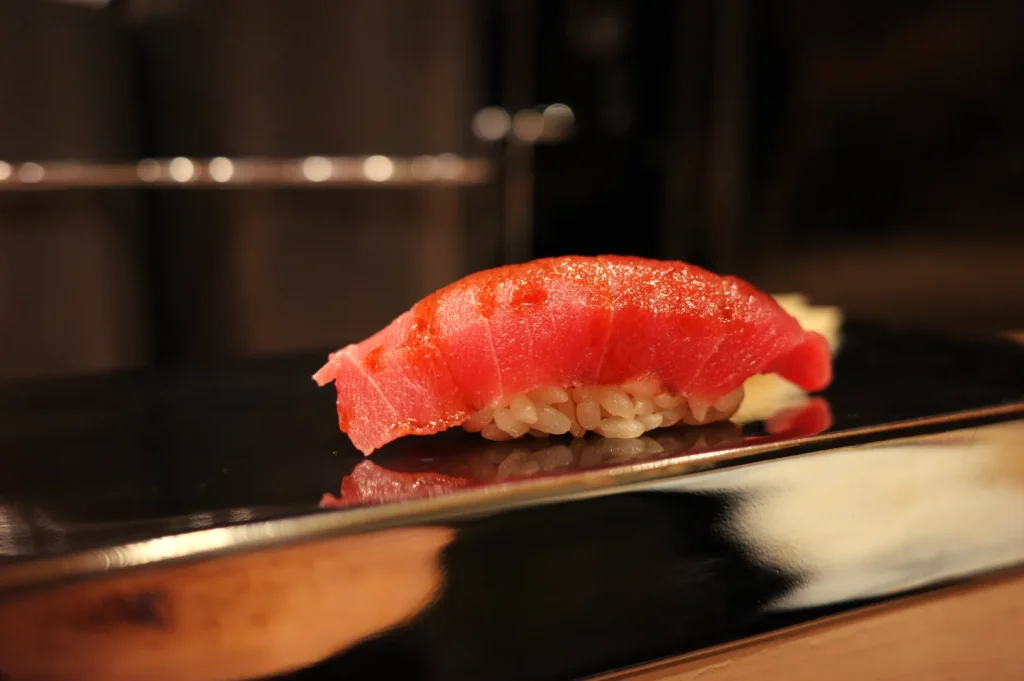
When a piece of nigiri is placed before you, it has been made moments earlier. The sushi rice is at its ideal warmth, the fish at its ideal temperature, and the balance between them is at its peak. That window is short, so the simplest guidance is also the best: eat it soon after it is served.
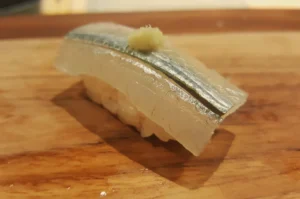
Take the whole piece in one bite. Nigiri is designed to be enjoyed that way, so the fish, the seasoned rice, called shari, and any hint of wasabi meet on your palate together. Splitting a piece in two disturbs the structure and lets the rice crumble.
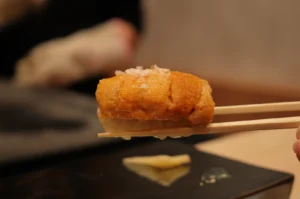
Chopsticks are welcome, but so are clean hands, which is the traditional way to eat nigiri. There is no need to feel self-conscious about picking a piece up gently with your fingers. What matters is handling it with care and bringing it to your mouth without letting it fall apart.
A Note on Sashimi
Sashimi is different from nigiri, and it is usually eaten with chopsticks. Take a slice, add a little wasabi or a touch of seasoning if you like, and enjoy the texture of the fish on its own. It is a pure way to appreciate a specific fish, and the sequence of the meal often uses it to introduce the character of the evening’s catch.
Soy Sauce, Wasabi and the Question of Seasoning
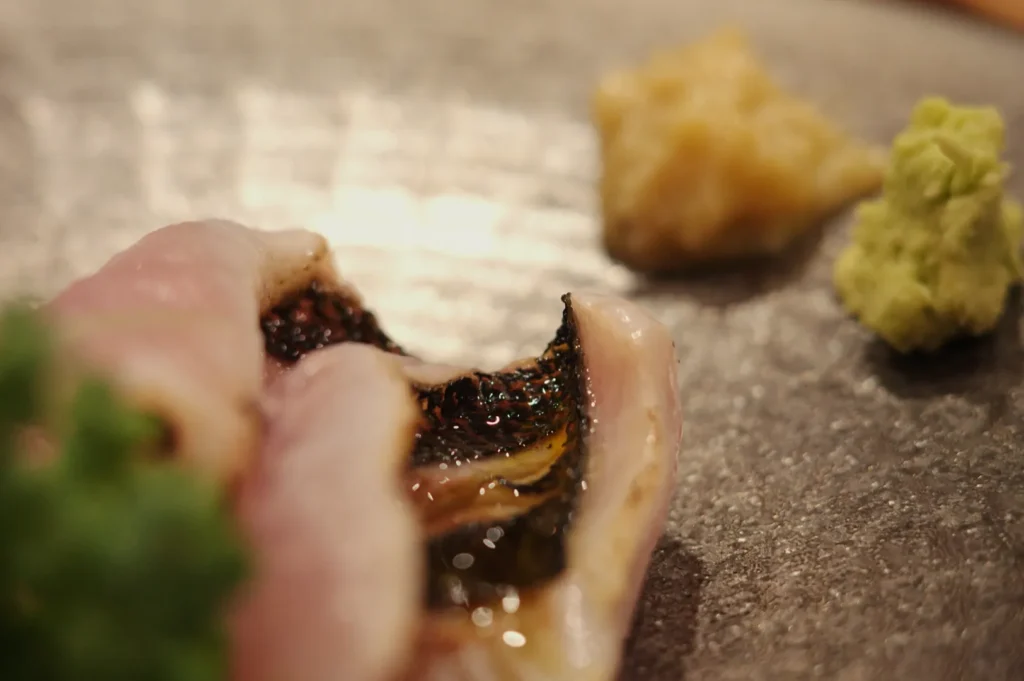
Nothing causes more debate than the small dish of soy sauce. The truth is simple: at a proper omakase restaurant, the chef has usually already seasoned each piece. A brush of nikiri, a sweet soy glaze, or a pinch of salt and citrus is applied before the nigiri reaches you. In that case, adding more soy sauce would only mask what has been carefully balanced.
If a piece is served without any glaze and you feel it needs a little more, dip the fish side lightly, never the rice. The rice absorbs liquid quickly and can fall apart, and it will overwhelm the flavour of the fish. Touch, do not soak.
Wasabi follows a similar principle. Chef Masa places the right amount between the fish and the rice, so there is no need to stir extra wasabi into your soy sauce. Treating the seasoning as complete is the most respectful way to accept what the chef has prepared.
This is also why we keep our approach focused. At Sushi Masa by Ki-Setsu, we source from Toyosu Market in Japan, and the quality of the ingredients means very little needs to be added. The seasoning is there to support the fish, not to cover it.
Getting the Most from Your Omakase Experience and Chef’s Selection
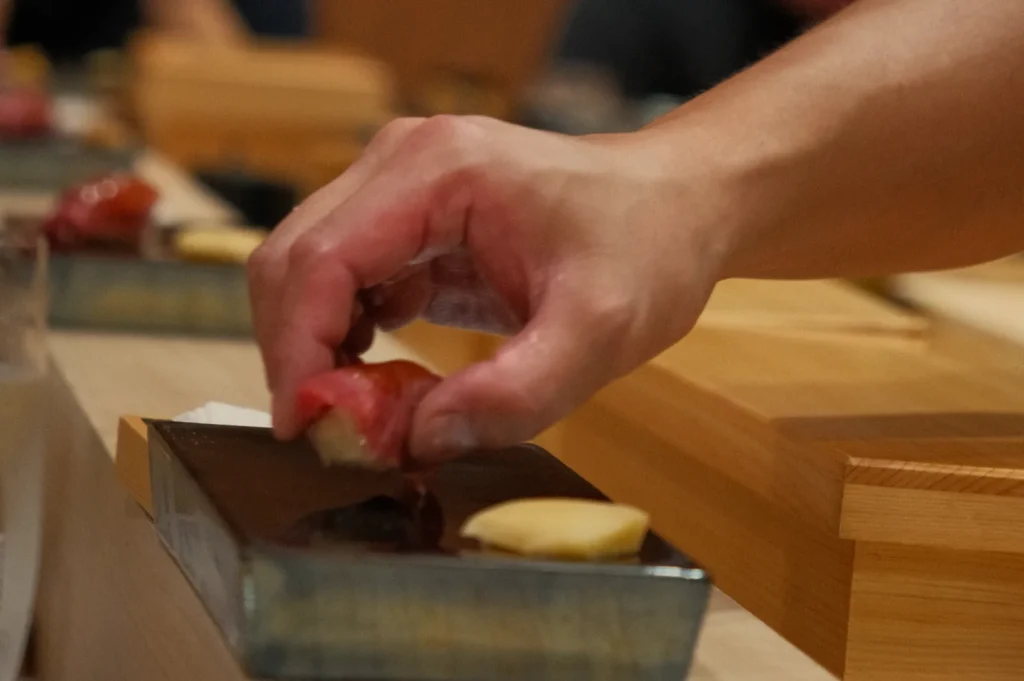
A memorable omakase experience is built on trust. The chef’s selection reflects the finest seasonal ingredients available on that particular day, so the menu shifts with the market, the weather and the season. You may see fish on your plate that you rarely encounter elsewhere, and that is exactly the point.
Try not to ask for specific fish or request substitutions once the meal has begun. If you have a favourite, it is perfectly fine to mention it when you make your reservation, and we will do our best to incorporate it when the ingredients allow. But the beauty of omakase is in the surprise, and the chef’s judgement about what is at its peak is worth more than any preselected menu.
Pay attention, too, to the way each course connects to the next. A piece of lean fish may be followed by something richer, then something lightly smoked or aged, then a bright finish. That progression has been thought through over many hours of preparation and years of practice. When you follow it in the order served, you taste the story the way Chef Masa intended.
Reactions matter as well. A small nod, a smile or a quiet “delicious” is a form of communication. The chef watches how each piece lands, and those reactions help him read the room and shape the pace of the meal. It is a two-way exchange, and your presence and appreciation are part of what makes the dining experience special.
Dietary Restrictions, Allergies and Advance Notice
Omakase is personal, which means it depends on good communication. If you have dietary restrictions or allergies, the best courtesy is to inform us at the time of your reservation. This gives Chef Masa the time to plan the evening thoughtfully rather than adjusting on the spot.
Our menu is purely seafood-based, so guests who avoid particular types of shellfish or fish should let us know in advance. It is far easier to design a course around your needs from the beginning than to alter it midway, and we would rather you enjoy every bite without worry.
The same goes for changes in your party. If the number of customers changes or someone cannot make it, a quick message helps us respect the preparation that has gone into the evening. With a small counter and a single chef, every seat counts, and each one has been prepared for with real intention.
Above all, please do not hesitate to ask. Nobody at the counter expects you to know everything about Japanese culinary tradition. We would much rather answer a question than have you feel unsure, because a relaxed diner is one who can truly savour the meal.
Common Mistakes, and Why Most Are Forgivable
Since we began, we have noticed that a handful of habits come up again and again. Leaving a piece of nigiri sitting on the counter for a long time, dunking the rice in soy sauce, or mixing wasabi into a dish are the most common. None of them is a disaster, and none will earn a frown from the chef. They simply mean the fish is not tasting as good as it could.
Other habits are worth a gentle mention. Rubbing chopsticks together suggests they are poor quality, which can feel a little insulting to the host. Placing them across the soy dish or standing them upright in rice is also best avoided, as the latter carries a solemn meaning in Japan. Simply rest them on the holder provided when you are not using them.
The larger point is that omakase etiquette exists to make the meal better for everyone, not to make it stressful. Sushi is a form of hospitality, and hospitality works best when guests feel welcome. If you take one thing from this article, let it be that good manners in this setting come down to attention, gratitude and a little curiosity.
A Dining Experience Worth Savouring at Sushi Masa by Ki-Setsu
So, is there a wrong way to follow omakase eating order? Only in the sense that some approaches let the food shine a little more than others. Eat each piece soon after it is served, trust the seasoning, keep your questions coming and let the chef lead. That is the whole secret.
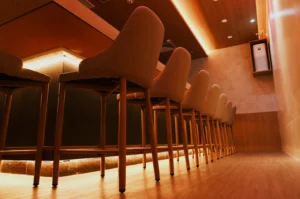
At Sushi Masa by Ki-Setsu, we offer omakase as our single dining model, prepared by Chef Masa in the Edomae tradition with seafood sourced from Toyosu. The counter is intimate, the pace is unhurried, and every course is made to be enjoyed exactly as it arrives. Our hope is that you leave feeling a little more connected to the craft, and a lot more at ease at a sushi counter.
We would be delighted to welcome you for dinner in Singapore. Reserve your seat, arrive a little hungry, and leave the rest to us.