Many guests planning a corporate gathering or a meaningful business meeting often ask whether business lunch omakase is available at Sushi Masa by Ki-Setsu. It is a fair question, especially given how popular the idea of pairing a business plan discussion with a refined Japanese meal has become across Singapore. While we understand the appeal, we want to be transparent with our valued guests from the outset: Sushi Masa by Ki-Setsu operates exclusively as a dinner destination.
This article explores why our singular focus on dinner omakase exists, what business structure considerations go into running a restaurant like ours, and how our philosophy of quality over convenience shapes every decision we make.
Why We Do Not Offer Business Lunch Omakase

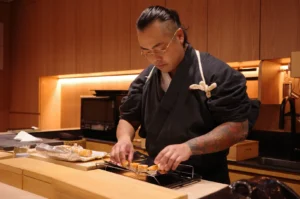
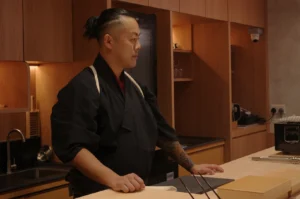
The concept of business lunch omakase sounds convenient on paper. Two or more individuals from a company sit down, enjoy a curated meal, and return to the office within an hour or two. However, Edomae sushi is not designed for speed. It is a craft built on patience, precision, and the freshest possible seafood, all of which take time to prepare and present properly. Chef Masa believes that rushing the Japanese omakase Singapore experience to fit a lunch hour would compromise the very philosophy that Sushi Masa by Ki-Setsu was built upon.
This is similar to how many small businesses decide which parts of their operations to prioritize. A sole proprietorship selling handmade goods might limit production to protect quality rather than mass produce. Sushi Masa by Ki-Setsu has made a comparable choice, focusing solely on the evening dining experience. This allows Chef Masa to dedicate full attention to sourcing, preparation, and the careful artistry that Edomae sushi requires.
Understanding Business Structure Through the Lens of Hospitality

Every company, whether it is a limited liability company, a general partnership, or a sole proprietorship, must define its legal structure before it can operate. This legal structure determines how profits are shared, how liability is distributed among owners, and how the organisation engaged in commerce will be governed going forward.
Why Liability Protection Shapes Restaurant Ownership
A limited liability company, for instance, protects its owners from unlimited liability, meaning personal assets are generally shielded if the business faces financial difficulty. A general partnership, by contrast, often exposes partners to shared liability, while a limited partnership allows limited partners to invest capital without taking on full operational responsibility.
Restaurants, much like other small businesses, must also decide on a structure that supports their long term business plan. Some restaurants are owned by corporations with multiple shareholders and investors backing growth across many countries. Others remain a single person’s vision, refined over years of dedication. Sushi Masa by Ki-Setsu falls closer to the latter.
Our restaurant is shaped entirely around Chef Masa’s individual standards and approach to omakase, rather than the demands of scale or rapid expansion. This is part of why we have chosen not to introduce a business lunch omakase option. Doing so would require restructuring our operations in ways that compromise our singular service model.
How Business Operations Influence the Dining Experience

Business operations within any organisation, whether it is a not for profit, a co op, or a corporation backed by venture capital, revolve around managing limited resources efficiently. A restaurant’s operations include everything from sourcing ingredients and managing human resources to handling finance, accounting, and customer service. For Sushi Masa by Ki-Setsu, these operations are intentionally streamlined. We do not manage a large workforce or juggle multiple service periods throughout the day. Instead, our entire operation is built around a single evening seating, allowing Chef Masa to maintain consistency from the moment our guests arrive.
This operational simplicity also affects sourcing. Much of our seafood is sourced from Toyosu, the renowned market that supplies some of the freshest catches available. Coordinating logistics for ingredients that must travel from Toyosu to our restaurant requires careful planning, particularly when freshness is non negotiable. Many companies in the seafood trade, including those involved in the broader fishing industry, must balance raw materials availability with the realities of international trade and shipping schedules. For us, this means our menu is shaped daily by what is genuinely the best catch available, not by a fixed plan decided weeks in advance.
The Role of a Separate Legal Entity in Running a Restaurant

When a restaurant operates as a separate legal entity, it means the business itself, rather than its individual owner, bears responsibility for debts, contracts, and obligations. This is a significant consideration for any organisation engaged in food service, particularly given the costs associated with consistently sourcing premium ingredients. A separate legal entity also allows a business to build its own reputation in the market, independent of the personal finances of its founder.
Sushi Masa by Ki-Setsu, like many small businesses in Singapore’s dining industry, benefits from this kind of structure because it allows the restaurant to focus resources entirely on its craft. Rather than diverting attention towards multiple revenue streams or aggressive growth strategies, the business can reinvest in what matters most: quality seafood, refined technique, and an unwavering commitment to Edomae tradition. This is also why, despite frequent requests, introducing something like business lunch omakase has never aligned with our long term plans.
Comparing Sole Proprietorship and Partnership Models in the Restaurant World

Within Singapore’s restaurant industry, business structures vary considerably. A sole proprietorship is typically run by a single person who holds full control over decisions, profits, and liabilities. This model offers flexibility but also means the sole proprietor carries unlimited liability for the business.
How Partnerships Distribute Responsibility Differently
A general partnership distributes both decision making and liability across two or more people, while a limited partnership separates general partners, who manage operations, from limited partners, who primarily contribute capital. Many traditional sushi restaurants in Japan have historically operated under simpler ownership models, often passed down across generations within a small group of family members. This contrasts with larger corporations that operate across many countries, supported by complex management structures and significant investor backing.
Sushi Masa by Ki-Setsu draws inspiration from these traditional roots. Our approach favours craftsmanship over corporate scale, and Chef Masa’s hands on involvement over delegated management layers.
Why Singapore’s Dining Industry Embraces Diverse Business Models

Singapore’s market is home to an extraordinary range of businesses, from large corporations with global supply chains to small, owner operated establishments focused purely on craft. This diversity benefits consumers because it creates healthy competition and a wide variety of dining experiences. Within this market, restaurants must decide how to position themselves: some pursue rapid growth through funding and expansion, while others, like Sushi Masa by Ki-Setsu, choose to remain intentionally focused.
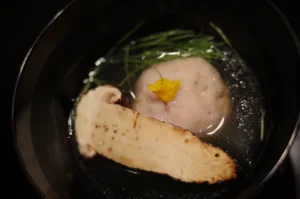
This focus shapes how we operate daily. Rather than appealing to every possible dining occasion, including business lunch omakase requests, we direct our energy towards one structured evening experience. Our service begins with a light dashi based soup stock, free from shellfish, designed to gently prepare the palate before the main courses unfold. Towards the end of the meal, guests are served miso soup prepared with clams, a quiet signal that the omakase journey is nearing its close. Each course in between reflects Chef Masa’s interpretation of seasonal ingredients sourced with the same care that any reputable supplier in the Toyosu market would demand.
The Edomae Philosophy Behind Every Course

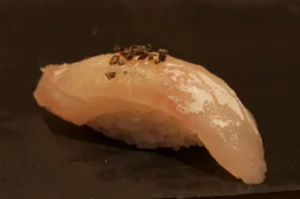
Edomae sushi is not simply a style of preparation. It represents a philosophy rooted in respect for ingredients, technique, and timing. Historically, Edomae sushi developed around Tokyo’s waterfront, where fishermen and sushi makers worked closely together to ensure that the freshest catch reached the hands of skilled chefs within hours. Today, this same spirit guides how Chef Masa approaches each piece served at Sushi Masa by Ki-Setsu.
This philosophy also explains why certain shortcuts commonly seen at other establishments are deliberately avoided. Some lower priced omakase experiences rely on visually dramatic presentations, such as overflowing rice bowls piled high with roe, to create a sense of value. Sushi Masa by Ki-Setsu does not follow this approach. Our focus remains on balance, precision, and allowing each ingredient to be appreciated on its own merit, rather than relying on visual gimmicks to impress guests.
What This Means for Guests Seeking a Meaningful Dining Experience

For guests hoping to host a business lunch omakase, we understand the convenience factor is appealing, particularly for companies managing tight schedules and demanding workdays. However, we encourage these same guests to consider an evening visit instead, where the full omakase experience can be appreciated without the constraints of a working schedule. An unhurried dinner allows for genuine conversation, whether between business partners discussing a new venture or colleagues celebrating a shared milestone.
Choosing where to dine, much like choosing a business structure, often comes down to aligning expectations with what truly matters. Just as a company engaged in manufacturing or trade must weigh efficiency against quality, diners must weigh convenience against the depth of an experience. Sushi Masa by Ki-Setsu has built its reputation on the latter, prioritising thoughtful courses over speed, and meaningful craftsmanship over volume.
Experience the Omakase Difference at Sushi Masa by Ki-Setsu

While business lunch omakase is not something we offer, we warmly invite guests to discover what makes our dinner service distinct. From the moment the light dashi soup is served to the closing notes of clam infused miso soup, every course at Sushi Masa by Ki-Setsu reflects Chef Masa’s dedication to Edomae tradition and Toyosu sourced seafood.
We welcome you to set aside an evening, free from the pressures of a workday, and experience omakase the way it was meant to be enjoyed: unhurried, intentional, and deeply personal.