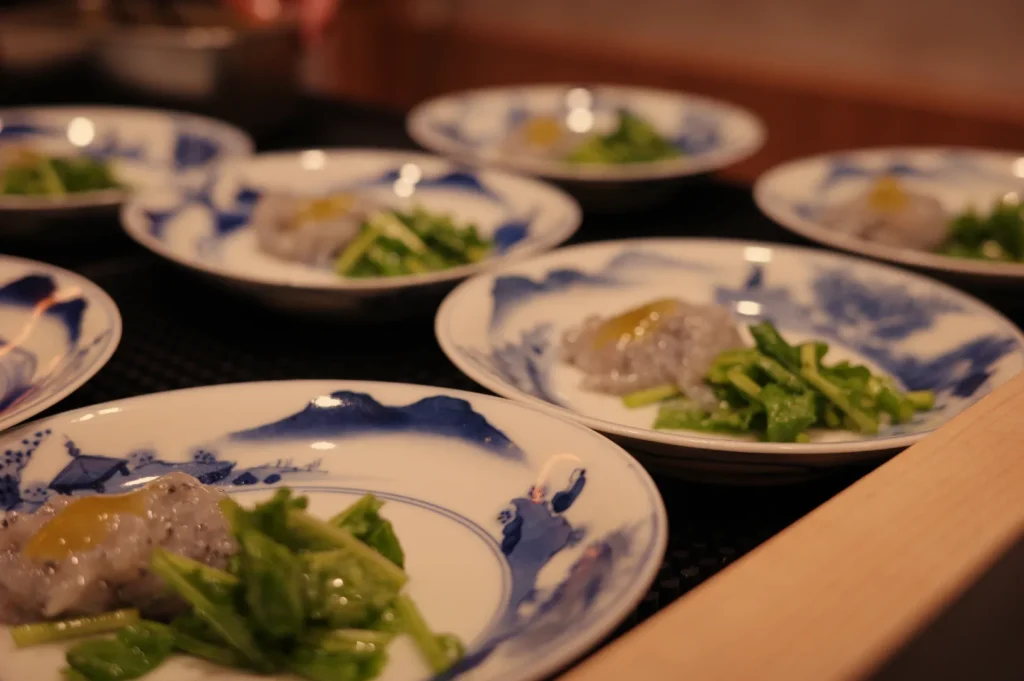
Japanese food culture is far richer than a single style of eating, and few comparisons illustrate this better than izakaya vs omakase. One is loud and generous, built for lingering with friends over shared plates. The other is quiet and precise, built around a single point of trust between guest and chef.
At Sushi Masa by Ki-Setsu, we believe understanding this difference deepens appreciation for the craft behind every plate of Japanese omakase and izakaya cuisine alike.
Two Paths Into Japanese Food Culture
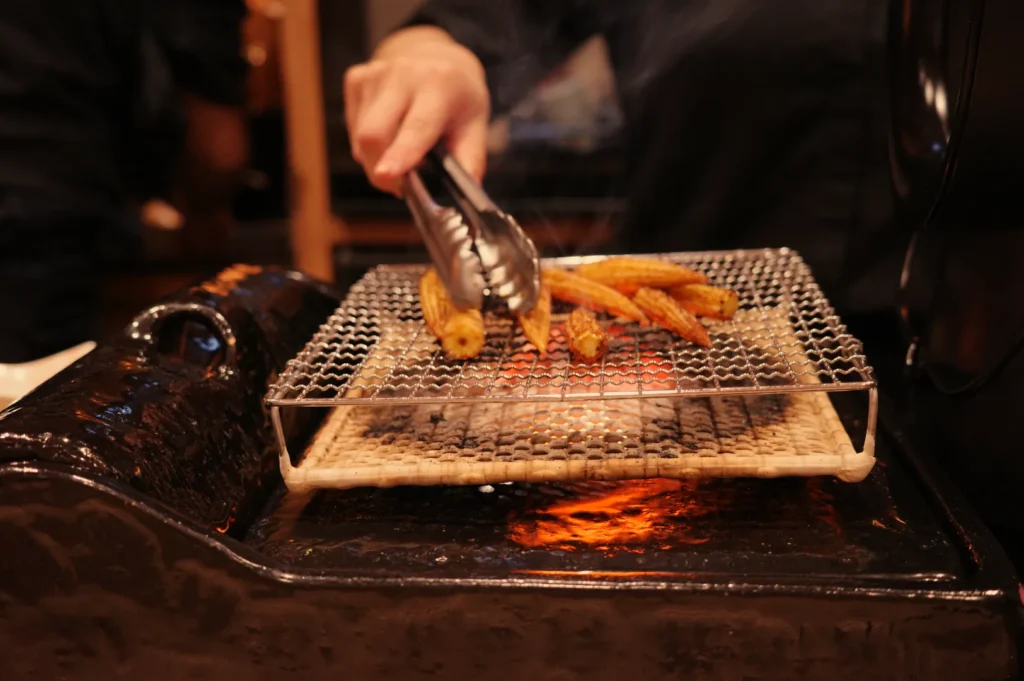
Exploring Japanese restaurants often means choosing between two very different philosophies of hospitality. Some evenings call for variety, noise and shared plates passed across the table. Others call for stillness, where every course arrives in a precise sequence designed by a single mind. Neither style is superior to the other. They simply serve different purposes, and knowing the distinction makes every visit to a Japanese restaurant more rewarding.
Izakaya Dining: Shared Dishes and a Relaxed Atmosphere
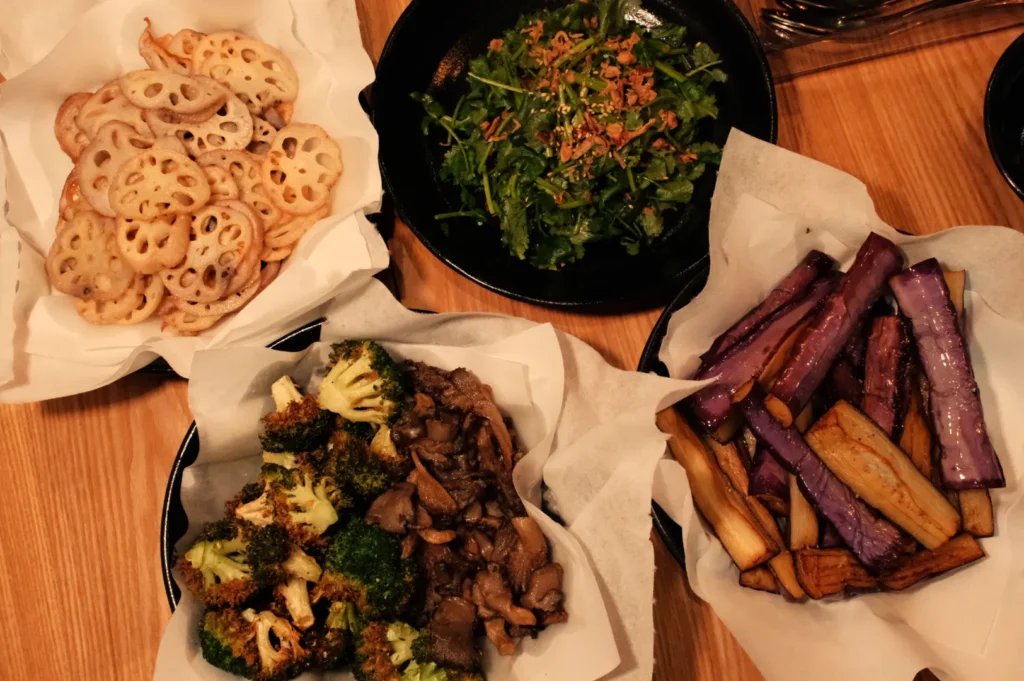
An izakaya is best understood as a Japanese gastropub, a place built for conversation as much as for food. The menu is usually extensive and designed for sharing, encouraging diners to order several small dishes at once rather than a single main dish each. It is common to see plates such as skewered chicken, fried chicken and other grilled items pass around a table alongside drinks.
The appeal of an izakaya lies in its social atmosphere. Tables are often close together, the pace is unhurried and the mood is celebratory. Diners typically order continuously throughout the evening, pairing beer or sake with whatever catches their eye next. It is an essential part of Japanese dining culture, particularly for those who enjoy grazing their way through a meal rather than following a fixed structure.
There is also a practical charm to izakaya dining. Because dishes are ordered gradually, an evening can stretch as long or as short as the group wishes, making it a natural fit for after work gatherings. Portions are typically modest by design, encouraging diners to sample widely rather than commit to one large plate.
Omakase Dining: Trusting the Chef’s Expertise
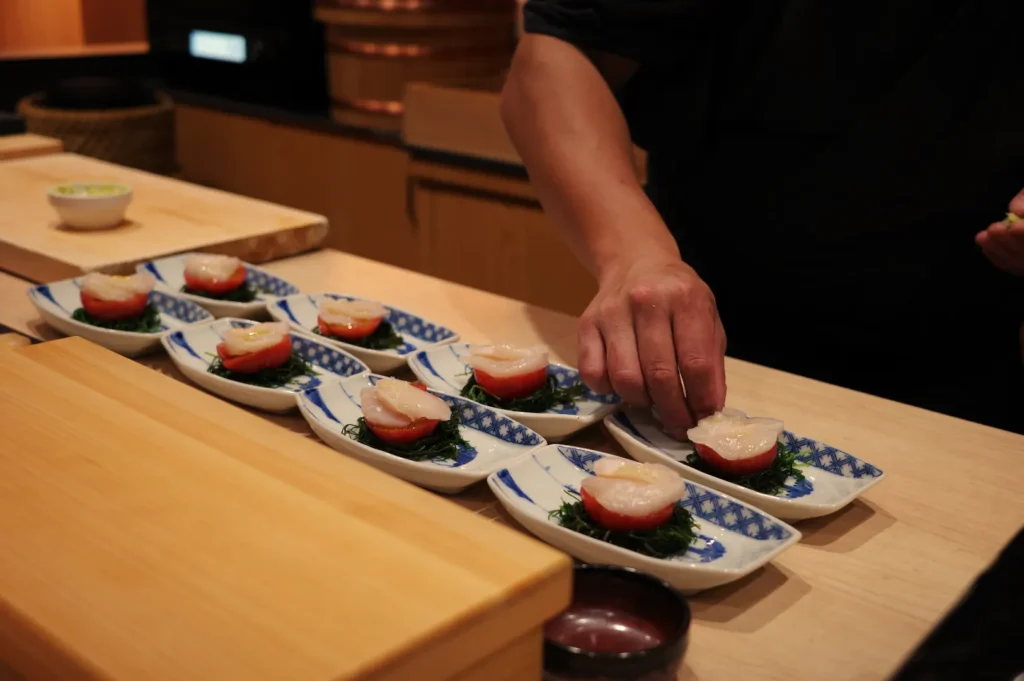
Omakase means “I leave it up to you,” and that single phrase captures the entire philosophy. Rather than browsing a menu, guests place their trust in the chef, who selects and prepares each course according to what is freshest and most seasonal that day. In this sense, omakase offers a culinary experience a printed menu rarely can, shaped entirely around that day’s catch.
This is Japanese fine dining in its most intimate form. Omakase is typically served at a counter, allowing direct interaction between the chef and the guest throughout the meal. Every gesture, from the way the rice is pressed to the moment a piece of sashimi is placed before you, is part of a considered performance built entirely around the chef’s expertise and years of training.
Because the chef controls the menu selection entirely, an omakase dinner also carries an element of surprise that many guests find appealing. There is no anticipation of what a dish will taste like based on a printed description, only trust that the next course will build naturally on the one before it. For many diners, this surrender of choice is what makes the evening feel special, closer to a guided experience than a simple transaction.
The Main Difference Between Izakaya and Omakase
The main difference between izakaya and omakase comes down to structure, pacing and the role of the guest.
| Element | Izakaya | Omakase |
|---|---|---|
| Menu selection | Guest chooses freely from a wide menu | Chef selects each course for the guest |
| Dining style | Shared dishes, casual grazing | Individual, sequenced multicourse meal |
| Atmosphere | Relaxed, social, conversational | Focused, intimate, closer to a tea ceremony in its quiet ritual |
| Pace | Flexible, guest controlled | Set pace, guided by the chef |
| Typical setting | Open tables, communal seating | Sushi counter, close proximity to the chef |
Atmosphere and Menu Selection
Beyond the table itself, the atmosphere shapes the entire experience. An izakaya rewards spontaneity, while omakase rewards patience and attention. Choosing between them often comes down to whether a diner wants control over the menu or wishes to surrender that decision entirely to a chef’s judgement.
Exploring Japanese Restaurants: From Sushi Counters to Sushi Rice
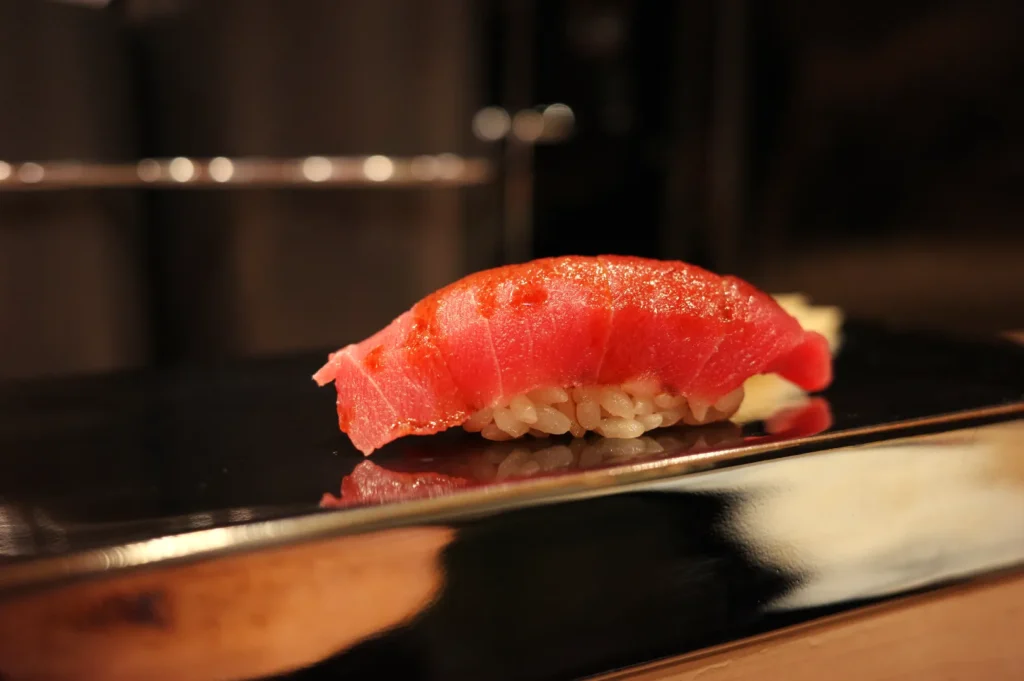
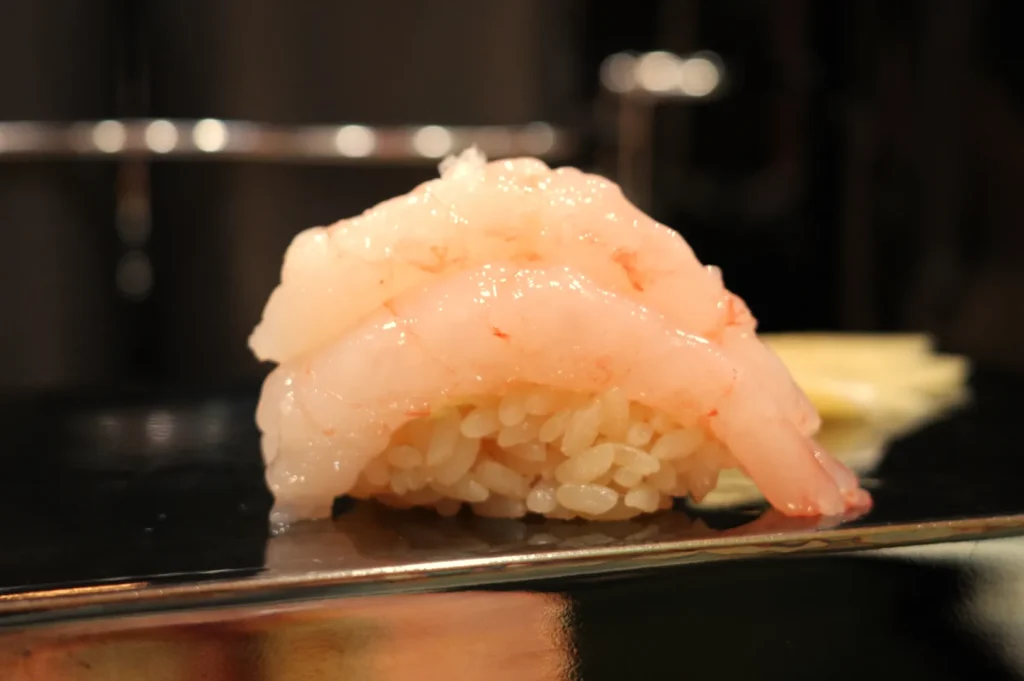
Among sushi restaurants, the counter itself plays a central role in the omakase experience. Seated directly across from the chef, guests can watch each piece of nigiri take shape, from the seasoning of the sushi rice to the final touch of nikiri or a light brush of salt. This proximity is part of why omakase feels so personal compared with other forms of Japanese dining.
At Sushi Masa by Ki-Setsu, our counter is deliberately intimate, with limited seating that allows Chef Masa to prepare each course individually rather than for a large room at once. The sushi rice itself is treated with the same seriousness as the seafood it carries, seasoned and tempered to complement rather than overpower each cut of fish.
The relationship between rice and fish is often underestimated by newcomers to sushi restaurants. Vinegar, salt and sugar must be balanced precisely, and the temperature of the rice when it meets the seafood affects both texture and flavour. Chef Masa treats this balance as a discipline in itself, adjusting the rice subtly depending on the fish being served that evening, a detail easy to overlook yet impossible to ignore once understood.
A Multicourse Meal Built Around Seasonal Seafood
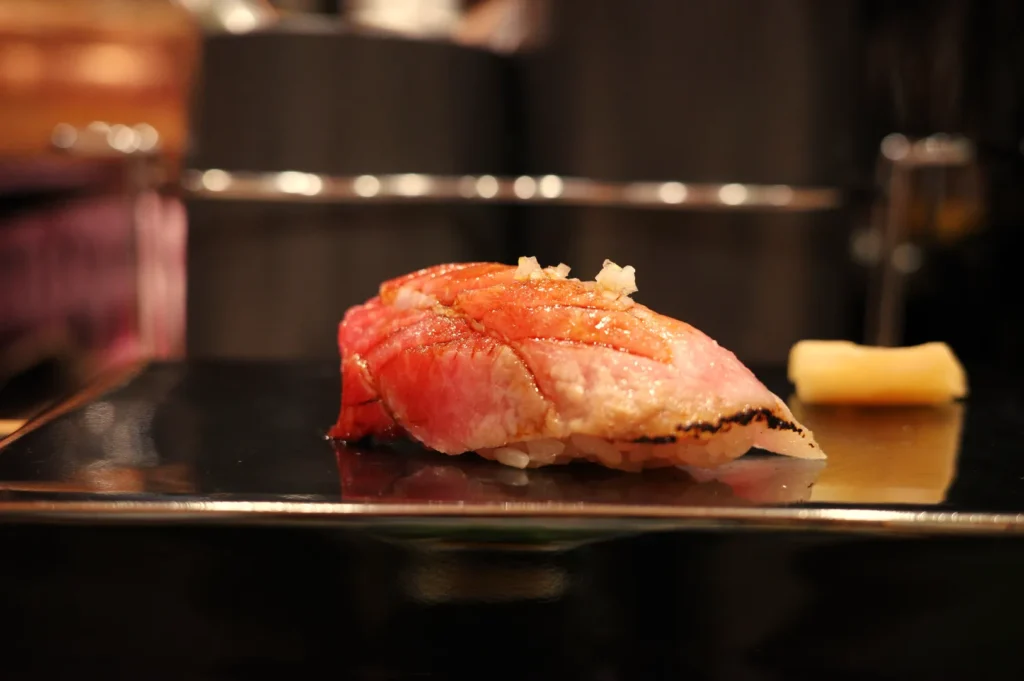
An omakase dinner unfolds as a carefully paced multicourse meal, and seasonality drives nearly every decision on it. Seasonal seafood and seasonal delicacies, such as hairy crab when it is in peak condition, dictate what appears on the counter that evening rather than a fixed, unchanging menu.
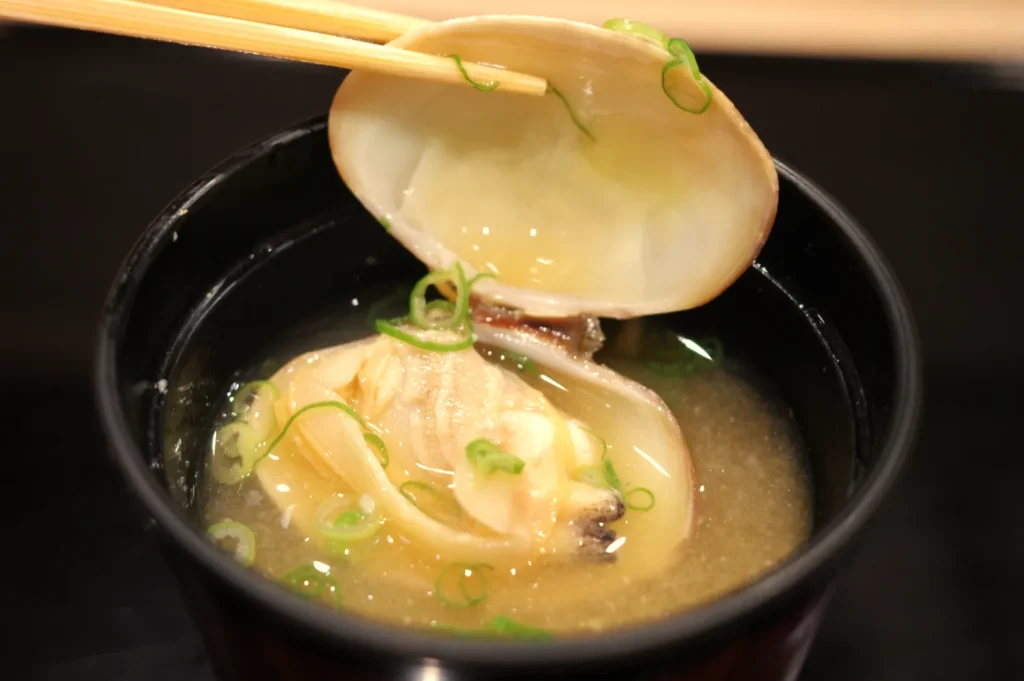
A typical sequence might begin with a light soup stock or dashi, gentle and clear, setting the palate up for the courses that follow. As the meal progresses, guests move through sashimi, a grilled course featuring the day’s finest seafood, and a succession of nigiri built entirely around peak freshness. Later in the meal, miso soup often appears, generally prepared with clams, offering a warm and savoury close before the final courses arrive. This pacing is intentional. Every element is placed where it best complements what came before it and what follows.
Grilled fish in particular plays an important role within this structure, offering a change in temperature and texture partway through the meal. It showcases a different side of the chef’s technique, one built around heat and timing rather than the precision knifework seen in sashimi.
The Art Behind Every Course: Culinary Craftsmanship and Elegant Presentation
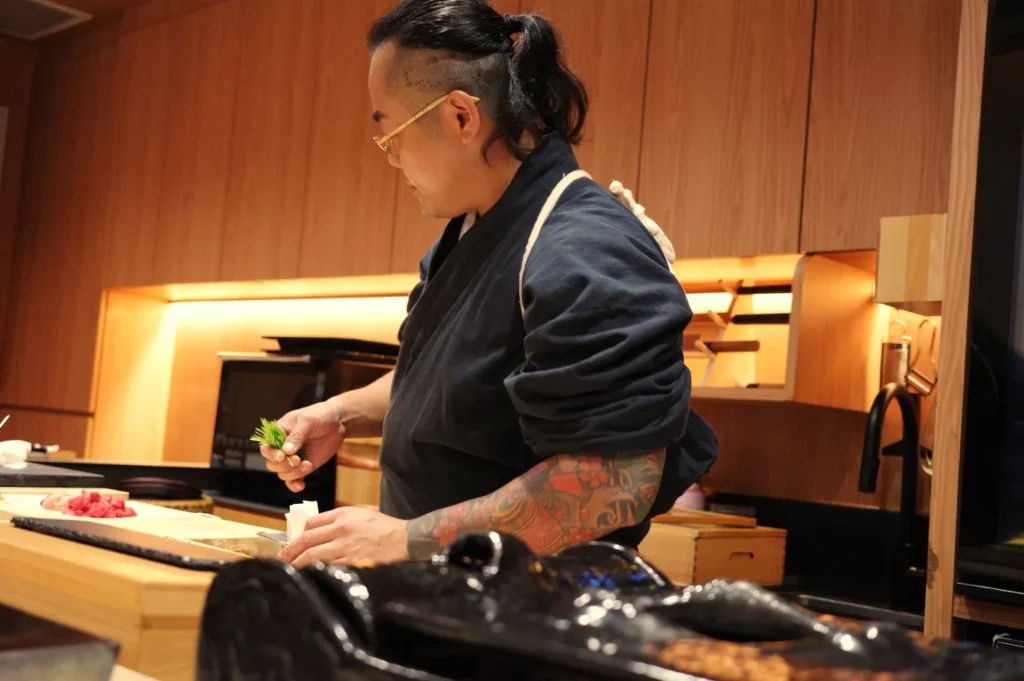
Culinary craftsmanship is not only about flavour. Visual aesthetics matter deeply in Japanese cuisine, and an omakase course is often as much about artistic presentation as it is about taste. The colour of a piece of fish against white rice, the placement of a garnish, the choice of vessel, all of it is considered with the same care as the seafood itself.
This attention extends to timing as well. Nigiri is traditionally meant to be eaten within moments of being placed in front of the guest, while the temperature and texture are at their best. It is a small but meaningful detail that separates a rushed meal from a truly considered one, and it reflects the broader principle behind kaiseki style dining, where elegant presentation and precise sequencing carry equal weight to the ingredients themselves.
This philosophy is not unique to sushi alone. Across many forms of traditional Japanese dining, from the quiet ceremony of preparing tea to the deliberate arrangement of a kaiseki tray, presentation is treated as an extension of respect for the ingredient and for the guest. An omakase counter borrows from this same spirit, condensing it into a single evening built around a handful of courses rather than an entire ceremony. The result is a dining experience that feels considered from the first course to the last, never rushed and never accidental.
Why We Believe in the Omakase Philosophy
Sushi Masa by Ki-Setsu was built entirely around the omakase model because we believe it offers the most honest expression of seasonal seafood. Guided by Edomae principles, our approach favours technique that has been refined over generations, from the careful curing of fish to the precise seasoning of sushi rice.
Every ingredient that reaches our counter is sourced with the Toyosu market in mind, chosen for peak freshness rather than convenience. This commitment to premium ingredients, paired with a small, unhurried counter, keeps the finest ingredients of each season at the true centre of the meal. Because Chef Masa prepares each course personally, the counter remains small and the pace unhurried, allowing every guest to experience the same level of attention from the first course to the last. This is the heart of our philosophy: fewer seats, closer interaction and a menu shaped entirely by what the season offers rather than by habit or convention.
We have found that guests who arrive unfamiliar with omakase often leave with a new appreciation for how much thought goes into a single sitting. There is no printed menu to hide behind and no pressure to decide what comes next. Instead, the evening becomes a conversation between the guest and the chef, guided entirely by what the sea has offered that day. For special occasions in particular, this format tends to leave a lasting impression precisely because it cannot be replicated the same way twice.
Choosing Your Own Japanese Dining Experience
Izakaya and omakase both celebrate Japanese food, yet they invite guests into very different kinds of evenings. One is built for sharing and spontaneity. The other is built for trust, precision and quiet anticipation. Neither choice is wrong, and many guests find themselves drawn to both depending on the occasion.
For those curious about a slower, more considered evening built entirely around seasonal seafood and the expertise of a single chef, we welcome you to experience Sushi Masa by Ki-Setsu. Reserve a seat at our counter and let the season, and Chef Masa, guide your evening from the first course to the last.