There is a certain magic in small spaces. Walk into any bustling Japanese themed restaurant in Singapore and one will often find sprawling dining rooms, long menus, and a steady hum of conversation from every corner.
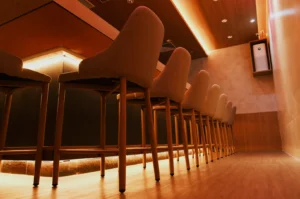
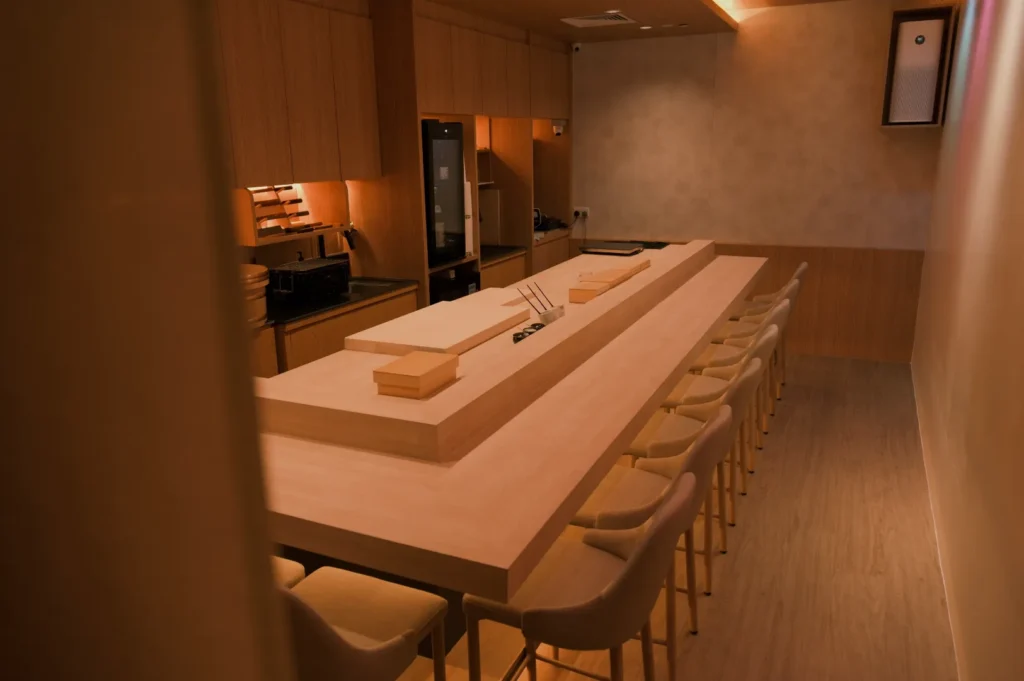
Yet at Sushi Masa by Ki-Setsu, the experience unfolds differently. With only eight seats at the counter, the room feels quiet, focused, and strangely larger than its size suggests. This is not a coincidence. It is a philosophy, one built around a single chef, a handful of guests, and an unwavering devotion to the craft of sushi.
The Growing Love for Japanese Cuisine in Singapore
Singapore’s appetite for Japanese cuisine has steadily increased, showing no signs of slowing. From casual eateries to fine dining, the city embraces everything Japan offers, from comforting ramen to fresh sashimi and delicate desserts paired with tea. Food lovers now discuss Japanese cuisine as familiarly as local dishes, sharing tips on where to find the freshest seafood and most authentic flavors.
Japanese cafes have played their own part in this story. Many of these cosy spots, tucked into malls and side streets, have become a crowd favourite for those craving something sweet or light. Popular dishes include warm matcha latte with a gentle, earthy finish; matcha ice cream paired with strawberry shortcake; hand drip coffee brewed with tea ceremony-like patience; comforting wafu pasta and mentaiko udon; and soft onsen egg over warm rice.
These dishes, while different in spirit from an omakase counter, reflect the same underlying passion that runs through Japanese food culture, an attention to detail that treats every dish as worth doing properly. Many cafes also boast signature beverages and light bites featuring ingredients like bacon, cheese, and even pork belly, satisfying a variety of palates during lunch hours and beyond.
From Cafes to Counters
It is worth noting that this cafe culture and the world of Edomae sushi, though both proudly Japanese, sit at very different ends of the dining spectrum. One is about casual indulgence shared with friends over an afternoon chat, often on weekends when people seek a relaxed vibe at a table. The other, the one Sushi Masa by Ki-Setsu belongs to, is about ritual, precision, and a quieter kind of connection between chef and guest.
Beyond Japanese Cafes: Where Omakase Begins
While Japanese cafes have their charm, the omakase counter stands apart from more casual dining. Many Japanese restaurants operate with menus where guests order freely and dishes arrive in any order. This format suits many occasions well.
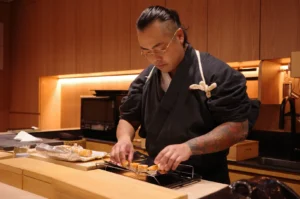
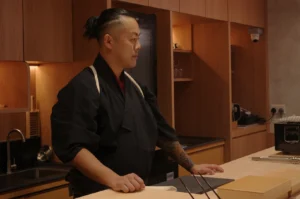
Omakase is different. There is no menu; diners trust the chef to present a natural, curated meal. At Sushi Masa by Ki-Setsu, Chef Masa alone crafts each piece of sushi, serving it directly to guests. There’s no team rotating behind the counter or kitchen out of sight.
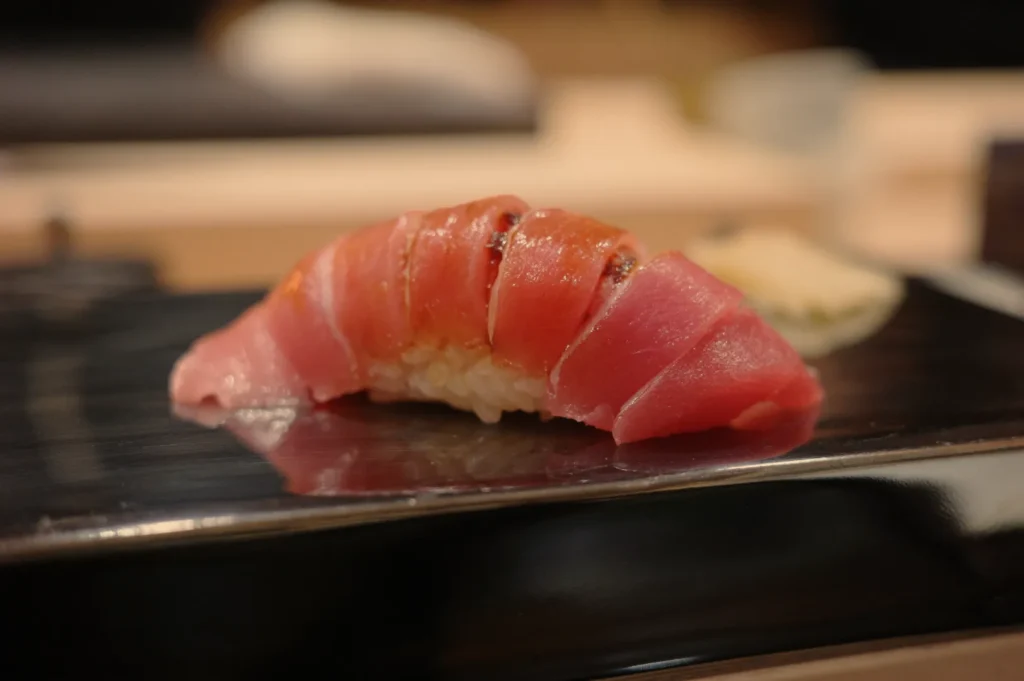
This intimate setup makes the eight seats feel significant. Every piece of nigiri is served fresh, at the perfect moment, unlike dishes plated ahead or under heat lamps. The slower pace gives the omakase meal its unique depth and weight.
To put the difference in perspective, here is how the three formats generally compare:
| Aspect | Japanese Cafes | Traditional Japanese Restaurants | Omakase Counter |
|---|---|---|---|
| Menu style | Fixed items, ordered freely | Extensive menu, ordered freely | Chef curated, no ordering |
| Pace | Casual, come and go | Varies, often quick turnover | Slow, course by course |
| Focus | Variety and comfort | Breadth of dishes | Precision and seasonality |
| Setting | Open, social | Larger dining rooms | Intimate, eight seats |
| Kitchen visibility | Rarely visible | Often out of sight | Fully visible, at the counter |
| Chef interaction | Minimal | Minimal to none | Direct, one on one |
Why Fewer Seats Can Mean More Attention
Larger Japanese restaurants, however skilled their kitchens, are still built around volume. Tables turn over, multiple dishes move at once, and a kitchen team divides its attention across many orders through the evening. None of this makes the food any less enjoyable, but it does shape the nature of the experience.
An eight seat counter removes that division entirely. There is only one chef, one sequence of courses, and one group of guests being served at any given time. It is this singularity, rather than scarcity for its own sake, that allows Sushi Masa by Ki-Setsu to offer a depth of attention that a larger dining room, however well run, would find difficult to replicate.
A Japanese Restaurant Built Around One Counter, One Chef
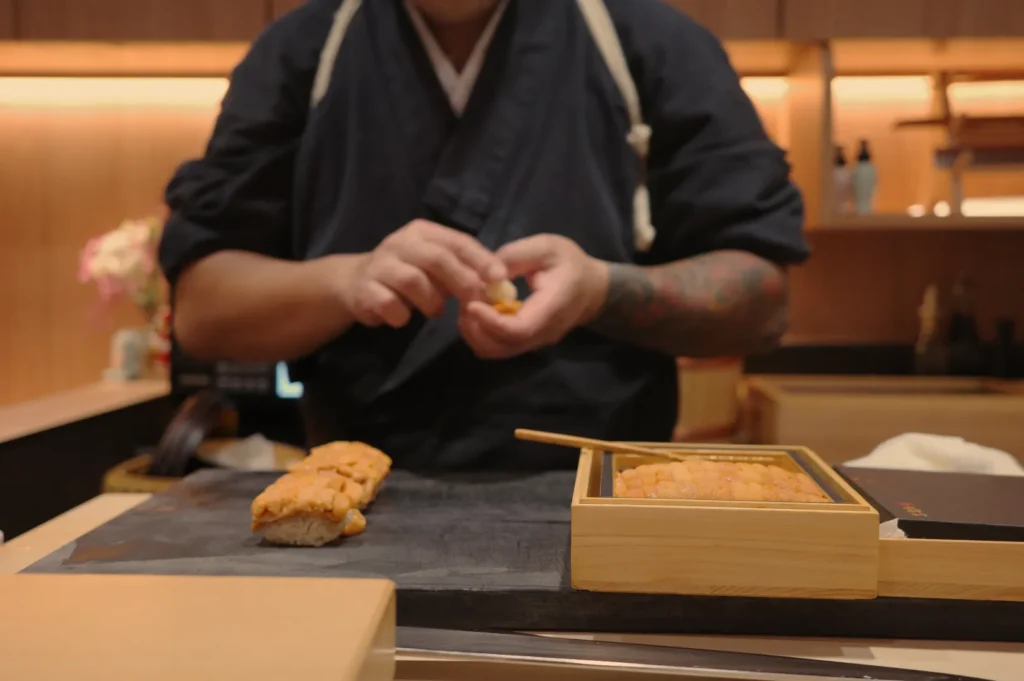
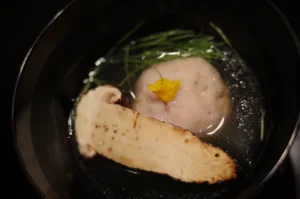
Many people assume a Japanese restaurant needs a sprawling menu to impress. Sushi Masa by Ki-Setsu takes the opposite approach. The entire evening is built around the omakase format, a Japanese term that essentially means leaving the choice to the chef. Rather than a fixed list of dishes, guests experience a considered sequence of pure seafood, chosen according to what is freshest and most in season that day.
This is not a shortcut. If anything, it demands more discipline than a la carte dining, since every course must earn its place without the safety net of variety. Seasonal ingredients guide the structure of the meal, meaning the courses shift subtly through the year as the seas around Japan change. A guest who visits in one season may find quite a different experience the next time they return, even though the philosophy behind it remains constant.
A few principles guide every course that leaves the counter:
Unwavering commitment to freshness always takes priority over presentation
The sequence of dishes is shaped by the seasons, not by habit or convenience
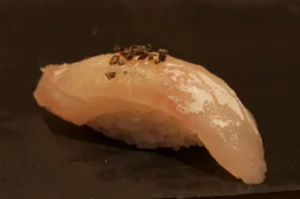
Each piece of nigiri is served the moment it is ready, never in advance
Rice temperature and seasoning are adjusted for every single guest
Sourcing Quality, from Toyosu to Singapore
Quality begins long before a guest sits at the counter. Sushi Masa by Ki-Setsu prioritizes sourcing, with much seafood from Toyosu, Tokyo’s famed market known for its expert fish grading and freshness. Chef Masa selects ingredients with the same care as chefs in Kyoto or Tokyo, ensuring no compromise despite the distance. This focus on quality means the menu avoids flashy presentations, highlighting the natural taste of the fish itself, including unagi, letting the ingredients speak for themselves.
Opening Hours and the Ritual of an Evening Reservation
Because the omakase experience depends so heavily on preparation and freshness, Sushi Masa by Ki-Setsu operates within considered opening hours, welcoming guests for dinner across the week, including weekends when many diners look forward to a relaxed evening out. Booking ahead is encouraged, given the limited eight seats available each evening.
This structure is intentional rather than restrictive. A single seating allows Chef Masa to focus entirely on the guests in front of him, rather than managing the demands of multiple turnovers throughout the day. It is a model built for attentiveness rather than volume, which is part of why guests often describe the service as unusually attentive service, personal, and unhurried.
A quick snapshot of what shapes the evening:
| Element | What to Expect |
|---|---|
| Seating | Eight seats only, single evening seating |
| Days | Open for dinner, including sat sun |
| Chef | Chef Masa, present at every seating |
| Format | Omakase, seafood focused courses |
| Pace | Unhurried, course by course |
Cuppage Plaza and Home to Sushi Masa by Ki-Setsu
Bustling shopping malls like Mandarin Gallery, Ngee Ann City, and Wisma Atria draw large crowds with diverse dining options, yet quieter enclaves such as Tras Street and areas around Clarke Quay and Robertson Quay offer more intimate Japanese dining experiences. Even in busy hubs like Suntec City and the town centre, food lovers seek out these tucked-away spots for authentic flavors and a peaceful atmosphere.
Meanwhile, Cuppage Plaza quietly holds its own in Singapore’s dining scene, known for Japanese cafes and eateries that draw steady crowds. It rewards those who explore beyond main streets, often revealing hidden gems behind shopfronts or upstairs.
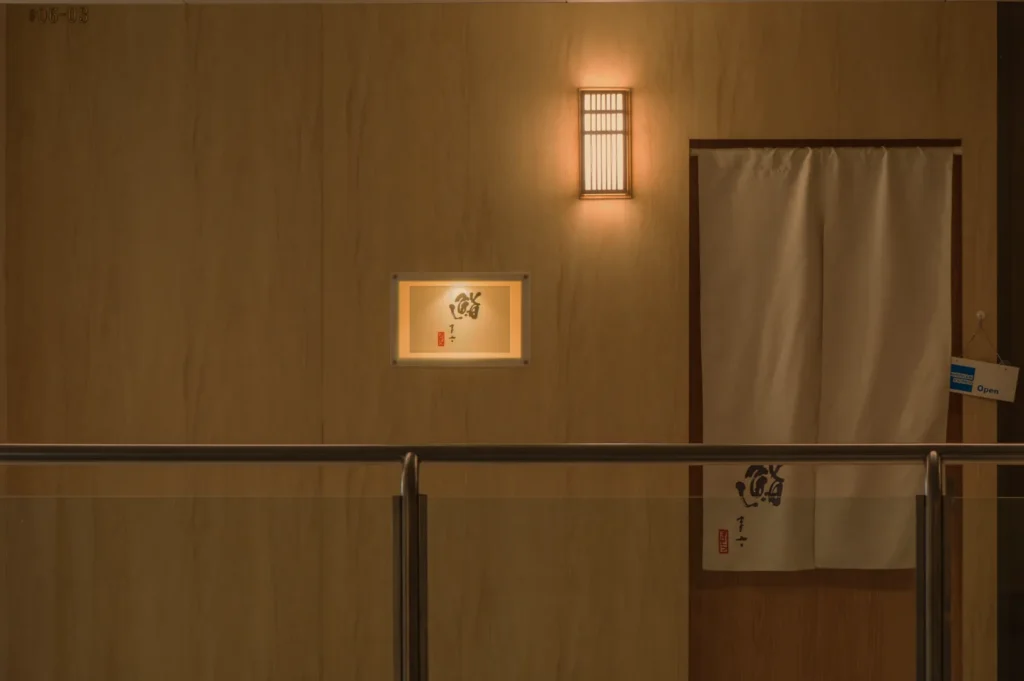
Sushi Masa by Ki-Setsu fits perfectly here. Its understated exterior conceals an intimate eight-seat counter where Chef Masa crafts an Edomae omakase experience focused on precision over variety. The location mirrors the restaurant’s philosophy: modest yet impactful through exceptional seafood and attentive service.
Just as Cuppage Plaza is easy to overlook amid busier areas, Sushi Masa relies on quality and craft rather than scale or spectacle to leave a lasting impression.
An Experience Worth Sharing with Friends and Family
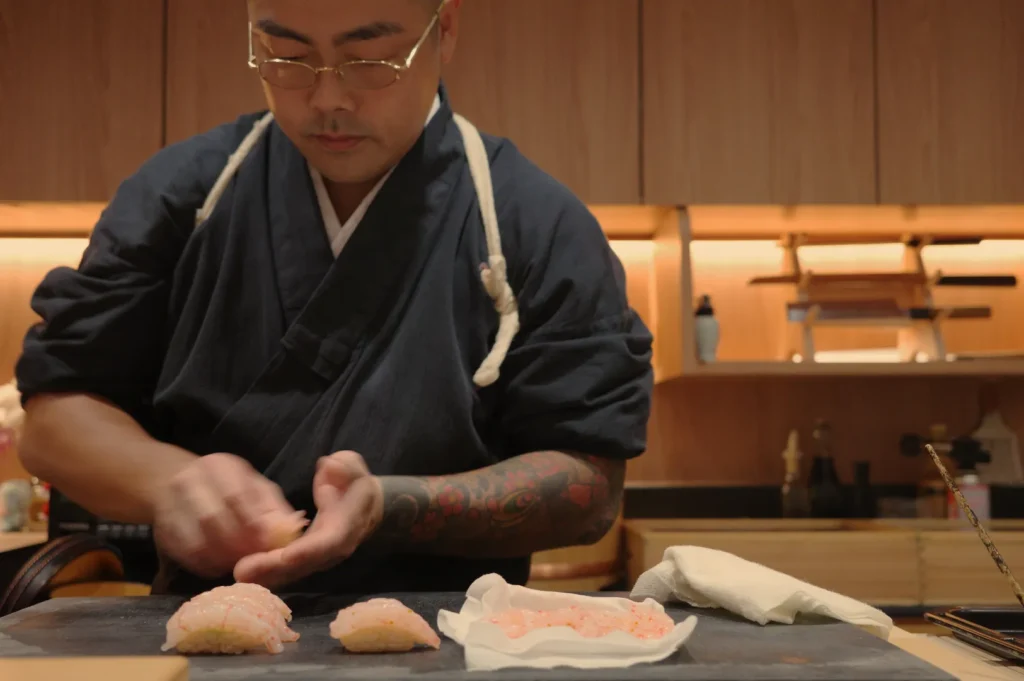
At the end of the evening, what guests often remember is not just the taste of the seafood, but the atmosphere itself. The ambience at Sushi Masa by Ki-Setsu leans quiet and intimate, with simple decor that keeps attention on the counter and the food. It is the kind of setting well suited to:
A celebration shared with family
A meaningful evening out with friends
A quiet dinner alone at the counter, watching each course come together
Many guests leave wanting to write a full review, keen to put into words an evening that felt different from anything else they had tried. Others simply raise a toast with a small cup of sake or enjoy a selection of carefully curated beverages, letting the meal close on a warm note. Either way, it is an experience not to be missed for anyone with a genuine passion for Japanese cuisine.
Sushi Masa by Ki-Setsu invites you to experience this for yourself, an evening where a single chef, eight seats, and a deep respect for seasonal ingredients come together to create something that feels far bigger than the room it sits in, right in a prime location that food lovers cherish.