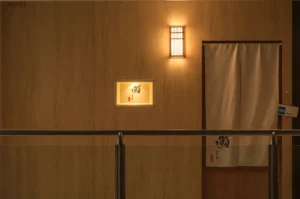
Singapore has long embraced Japanese food as part of its everyday dining vocabulary. From bustling ramen counters to quiet sushi bars tucked into shopping centres, Japanese cuisine here has grown into something far more layered than a passing trend. It is a rich tapestry woven from decades of craftsmanship, migration of technique, and a shared appreciation for ingredients treated with respect.
At Sushi Masa by Ki-Setsu, we see this landscape not as competition but as context: it is the backdrop against which our own philosophy of omakase, one chef, one counter, one seasonal story each evening, has taken shape.
A Rich Tapestry of Japanese Foods in Singapore
Walk through almost any shopping belt in Singapore and you will find some expression of Japanese dining, each cluster of restaurants ranging from casual rice bowl counters to more considered dining rooms. Some of the areas where this presence is most visible include:
Raffles City Shopping Centre
Ngee Ann City
Far East Plaza
Chinatown Point
International Plaza
Shaw Centre
Mandarin Gallery
Thomson Plaza
Millenia Walk
Holland Village
The precinct around Marina Bay Sands and Customs House
This spread reflects how deeply Japanese food has settled into Singapore’s culinary identity. It also means Japanese food in Singapore is no longer confined to one format: diners can choose between quick rice bowls, comforting noodle counters, or more deliberate sushi dining, all within the same afternoon if they wished.
From Ramen Counters to Rice Bowls
Ramen remains one of the most visible faces of Japanese comfort food in Singapore. Some establishments specialise in dry ramen tossed in rich, savoury sauces, while others are known for a thick broth simmered for hours until it turns almost creamy.
Alongside ramen, rice bowls have become a staple of wallet friendly lunch sets across the island, often featuring tender chicken katsu, grilled fish, or simple pickled vegetables, served briskly to office crowds on weekdays. These lunch sets, typically available Monday to Friday, cater to a different rhythm of dining altogether, one built around convenience rather than ceremony.
It is worth noting that this fast paced, lunch oriented side of Japanese dining sits at the opposite end of the spectrum from what we practise at Sushi Masa by Ki-Setsu. We are, quite intentionally, a dinner only establishment. There is no rushing a seasonal course, and no shortcut to sourcing the freshest catches each day.
Understanding Japanese Cuisine and the Edomae Philosophy
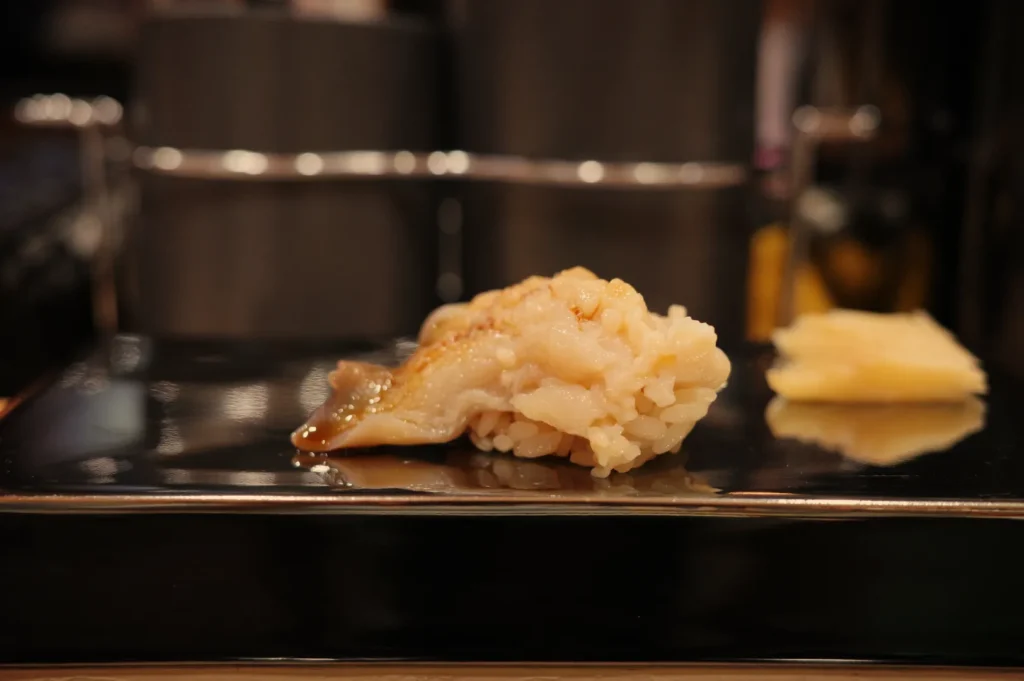
To understand why sushi is treated with such reverence in Japan, and increasingly in Singapore, it helps to look at the origins of Edomae sushi. Born in old Tokyo, this style was built around using the freshest seafood available that day, lightly cured or marinated to enhance rather than mask its natural character. It is less a recipe and more a discipline, one that depends on a chef’s ability to read the quality of each ingredient and respond accordingly.
This is the same discipline Chef Masa brings to the counter each evening at Sushi Masa by Ki-Setsu. Rather than working from a fixed menu, our chef sources seasonal produce with an approach inspired by Tokyo’s Toyosu Market, selecting what is genuinely at its peak rather than what is simply convenient. Fresh ingredients are never an afterthought here. They are the entire premise of the meal.
Japanese gastronomy, at its core, is a conversation between simplicity and precision. Too much intervention and the natural flavour of the fish is lost. Too little, and the dish falls flat. Finding that balance is what separates good food from something closer to art, and it is a balance our chef spends every service trying to strike.
The Sushi Bar Experience: Sashimi, Sushi Rolls and Signature Dishes
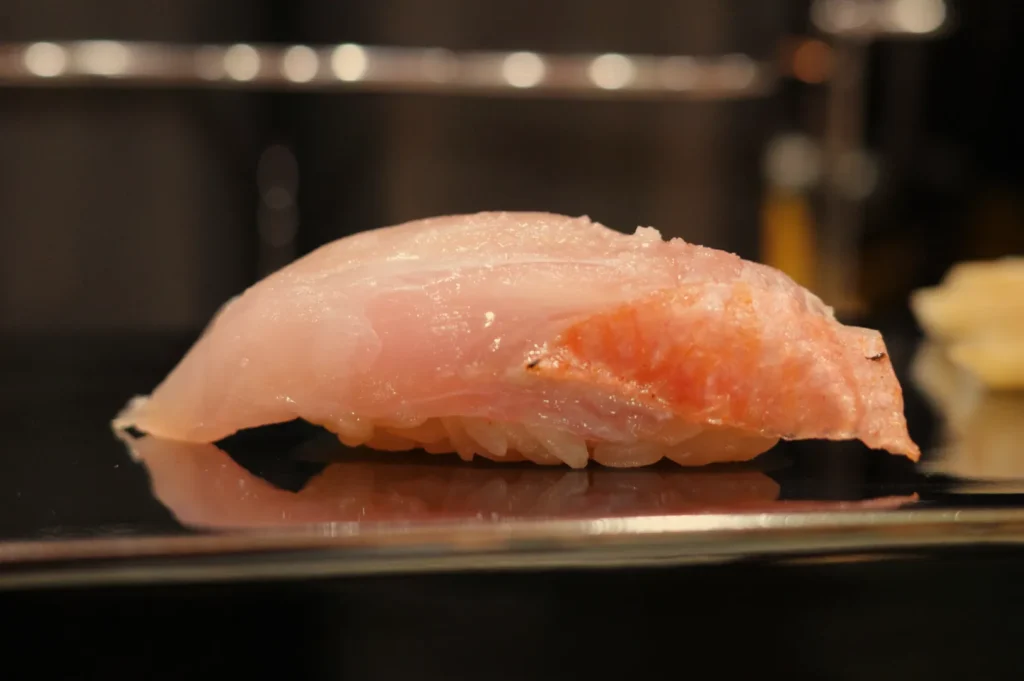
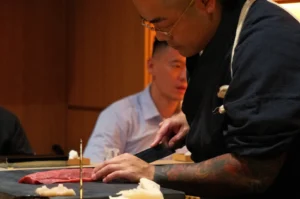
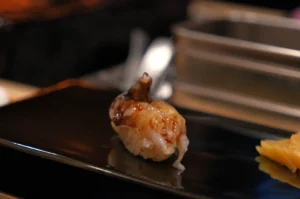
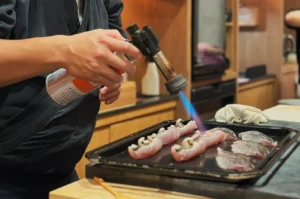
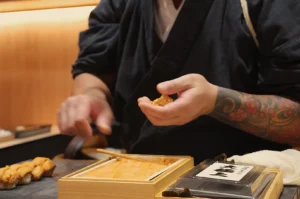
A proper sushi bar is as much about atmosphere as it is about the food itself. Sitting at the counter, watching each piece taken shape by hand, changes the way diners engage with their meal. It becomes less about consumption and more about attention, to knife work, to the gentle press of rice, to the moment fresh sashimi is laid before you.
Across Singapore, sushi platters and sushi rolls remain popular ways to introduce diners to Japanese dishes, offering an approachable entry point into the cuisine. Signature dishes such as salmon belly nigiri or a well composed kaisen chirashi don have become familiar favourites, admired for the way they showcase quality ingredients with minimal fuss. Unlike à la carte dishes, where diners piece together their own meal from a printed list, the true sushi bar experience often unfolds course by course, guided by a chef who understands the rhythm of flavours far better than a menu ever could.
Beyond the Roll: Seasonal Catches and Soft Shell Crab
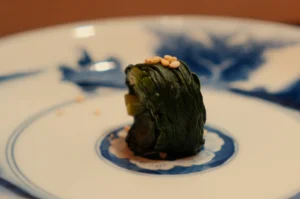
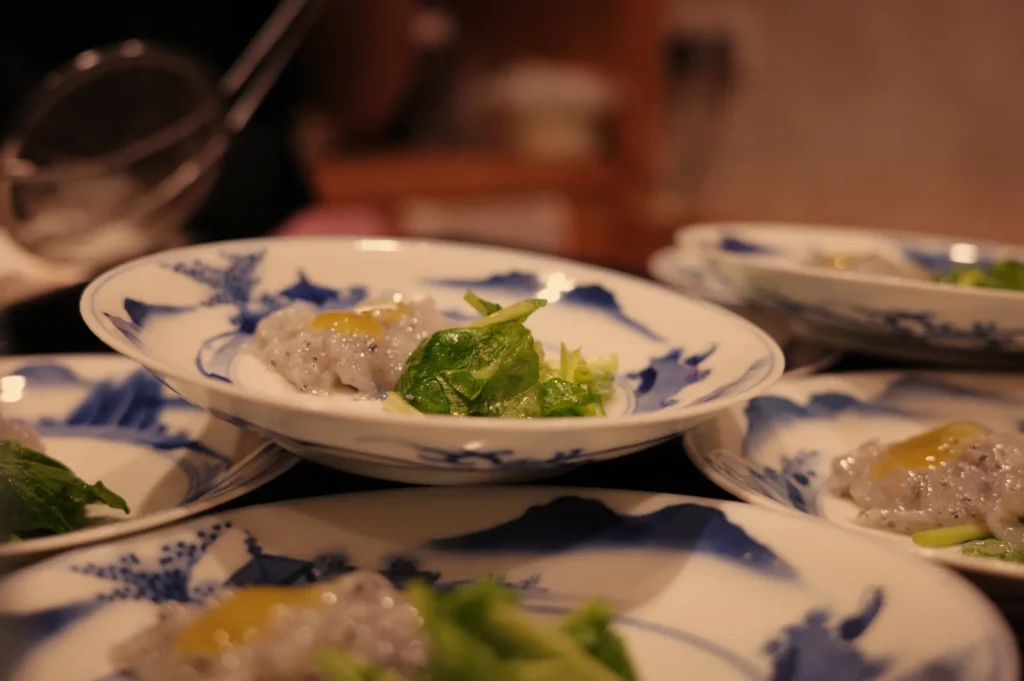
Sushi, of course, extends well beyond raw fish. Soft shell crab, delicately prepared, is a popular way to introduce texture and warmth into a meal built largely around sashimi and nigiri. Seasonal produce also plays its part, with vegetables and shellfish rotating through the year to reflect what the sea and the season offer at their freshest. It is this attention to seasonal produce, rather than adherence to a fixed list of dishes, that keeps authentic flavours interesting visit after visit.
At Sushi Masa by Ki-Setsu, this same principle guides our omakase courses. Chef Masa’s selections shift with what arrives each day, meaning no two evenings at our eight seat counter unfold quite the same way.
Japanese Comfort Food Culture Across Singapore
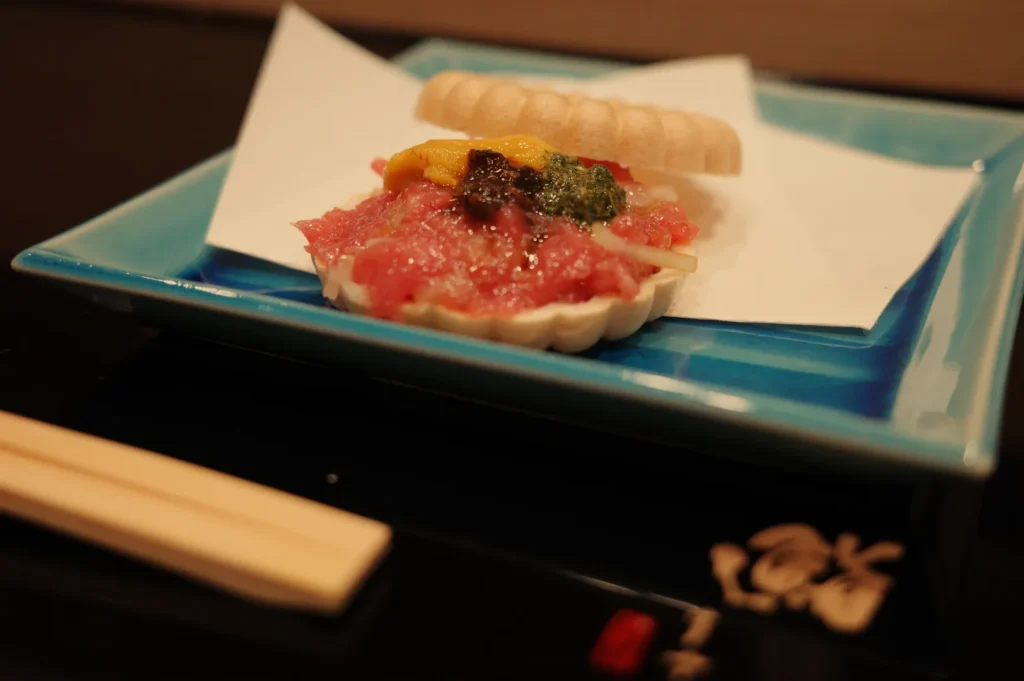
Beyond sushi, Japanese comfort food has carved out its own devoted following in Singapore, spanning noodles, rice bowls and dessert alike:
Cold soba, served with a light dipping sauce, offers welcome relief during warmer months
Heartier noodle dishes remain popular through the cooler evenings
Rice bowls, piled generously with seafood or grilled meats, continue to satisfy diners looking for hearty meals without excessive ceremony
Matcha ice cream and matcha latte have become staples on many menus, prized for their gentle bitterness balanced against natural sweetness
Unlimited servings of certain items have also become a draw for larger groups, a format that suits casual gatherings well, even if it sits apart from the more considered pacing found in a traditional Omakase setting
Taken together, this comfort food culture and the more refined end of Japanese dining, including sushi bars like ours, exist comfortably side by side. Singapore offers enough appetite for both, and there is no need to view one as more legitimate than the other. They simply serve different moments.
The Art of Omakase at Sushi Masa by Ki-Setsu
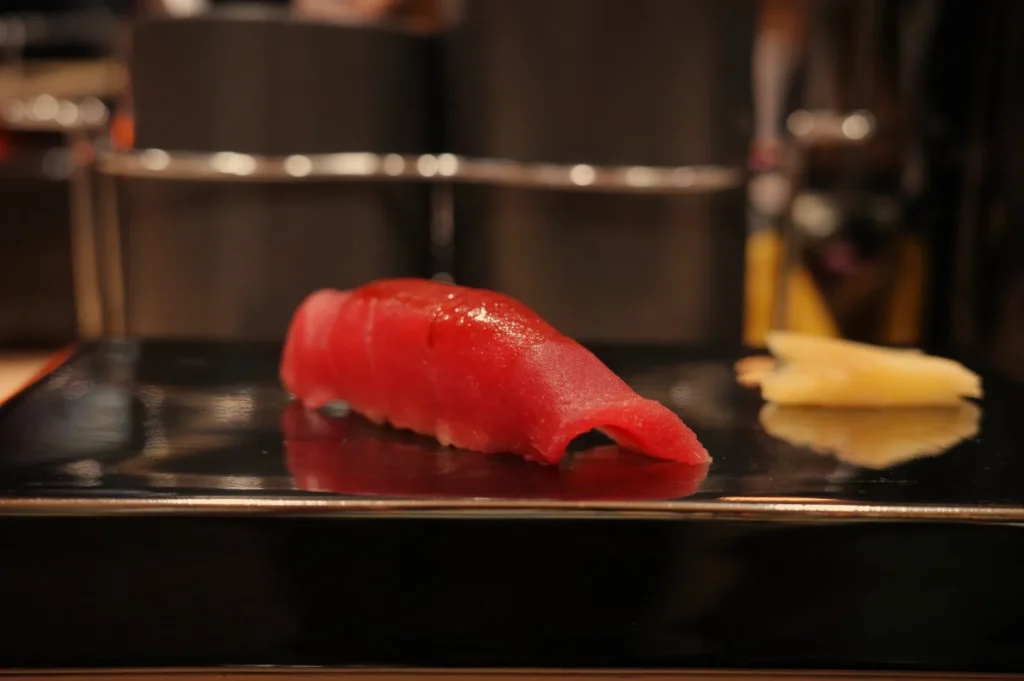
Omakase is, at its heart, an act of trust. Diners hand over the decision making to the chef, and in return receive a sequence of dishes shaped entirely around what is freshest that day. This is quite different from ordering à la carte dishes, where the diner drives every choice. There is no printed menu to negotiate, no need to guess which dish pairs well with another. The structure is already considered before the first course arrives.
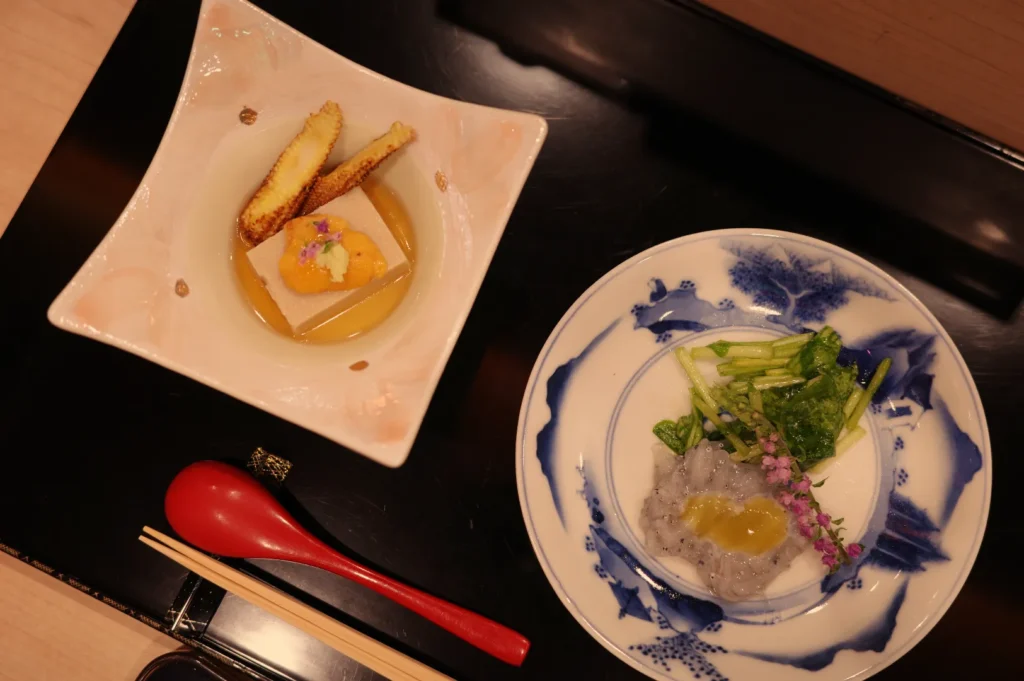
At our eight seat counter in Cuppage Plaza, every evening begins with a light dashi soup stock, gentle and free of shellfish, intended to prepare the palate rather than overwhelm it. From there, Chef Masa moves through a sequence of sashimi and nigiri, each piece selected for how it complements what came before. Towards the close of the course, miso soup, prepared with clams for added depth, signals that the meal is drawing to its natural end.
There is no overflowing ikura rice here, nor the kind of visual gimmick sometimes used to make a lower priced omakase feel more generous than it is. We do not serve meat, tempura, or chawanmushi. Our focus remains narrow and deliberate: seafood, prepared with restraint, sourced with the same rigour associated with Tokyo’s Toyosu Market. It is a smaller menu by design, built to honour Edomae sushi rather than dilute it.
Sushi Masa by Ki-Setsu opens for dinner only. This pacing is intentional. Our chef prepares each day’s ingredients with enough time to source and inspect them properly, something that would be difficult to sustain across an all day service.
Finding the Best Japanese Restaurants in Singapore
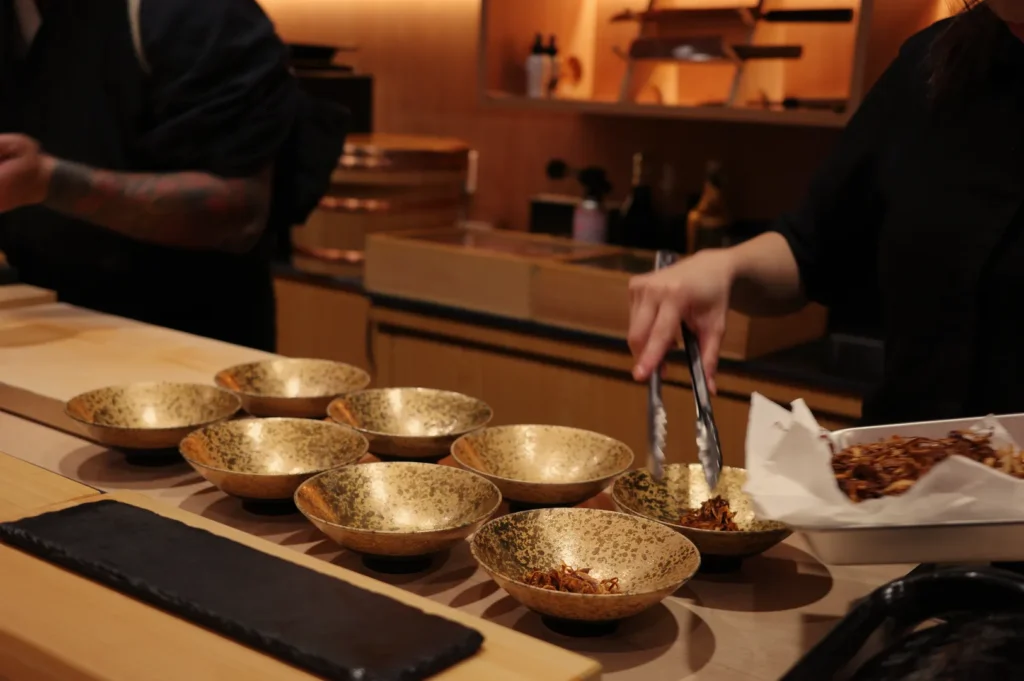
With so many options scattered across the island, from quick service rice bowl counters to considered sushi counters, finding the best Japanese restaurants in Singapore often comes down to what kind of experience a diner is seeking that evening. For a relaxed catch up, a ramen shop or casual sushi platter might suit perfectly well. For a special occasion, an anniversary, a quiet celebration, or simply an evening set aside to slow down, an intimate omakase counter offers something rice bowls cannot: a sense of occasion built entirely around the ingredients themselves.
This is where Sushi Masa by Ki-Setsu hopes to offer something distinct within Singapore’s broader Japanese dining scene. Not louder, not larger, simply more considered. Eight seats mean every guest receives the same unhurried attention, and every dish reflects Chef Masa’s direct hand rather than a system built for volume.
A Seat at Our Counter
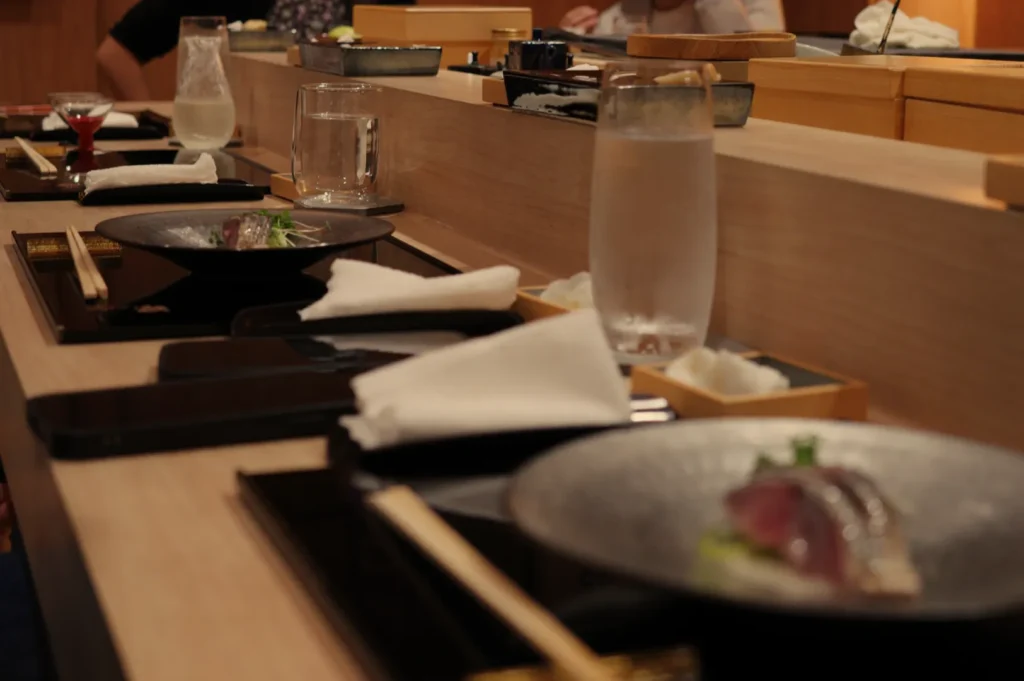
Japanese cuisine in Singapore continues to grow more varied by the year, and there is genuine pleasure in exploring all corners of it, from a steaming bowl of ramen to a quiet plate of sashimi. At Sushi Masa by Ki-Setsu, our contribution to that story is a narrow one by choice: an eight seat counter, a single chef, and a nightly course shaped entirely by what the sea offers that day.
If you are searching for a dining experience that trades volume for attention, and menus for trust, we would be glad to welcome you to our counter at Cuppage Plaza. Reservations for dinner, Tuesday through Saturday, can be made directly through our website, with private bookings available on Sundays for those marking a special occasion. We look forward to sharing an evening of omakase with you.