Japanese Omakase Lunch vs. Dinner: A Culinary Comparison
The appreciation for authentic Japanese cuisine has grown immensely, along with interest in the omakase experience. More diners are discovering the magic of trusting the chef’s hands, leading to curiosity about the differences between a Japanese omakase lunch and traditional dinner.
In Singapore, omakase menus range from accessible lunch options to elaborate dinner experiences at Japanese restaurants, offering choices for various occasions and preferences. While both share the philosophy of seasonality and craftsmanship, they offer distinct journeys.
This article serves as a guide to Japanese culinary culture, focusing on the traditions behind lunch and dinner omakase. Japanese restaurants are the primary venues for authentic omakase, showcasing tradition and innovation. We aim to share insights into the rhythm, philosophy, and preparation that define these two dining experiences.
What is Japanese Omakase? Understanding the Foundation
At its core, omakase (お任せ) translates to “I’ll leave it up to you.” This simple phrase encapsulates a profound cultural concept built on trust. When you choose omakase, you are not ordering from a menu; you are inviting the chef to curate a personal culinary narrative for you. This creates a special, interactive relationship between the diner and the chef, turning a meal into an intimate performance. Here, guests are invited to dine in a way that is both personal and immersive, fully engaging with the chef’s artistry and the ambiance of the experience.
This tradition is often intertwined with the principles of Edomae sushi, a style born in 19th-century Tokyo. Edomae focuses on bringing out the absolute best in each ingredient through meticulous techniques like curing, aging, and marinating. It’s a philosophy that honors the ingredient’s natural flavor above all else, forming the bedrock of many authentic omakase experiences today.
For those interested in exploring the rich landscape of omakase dining in Singapore, The Ultimate Guide to the Best Omakase Restaurant in Singapore: Where Culinary Artistry Meets Japanese Tradition at Sushi Masa by Ki-Setsu is an excellent resource.
The Traditional Japanese Omakase Lunch Experience
A Japanese omakase lunch is a brilliant way to experience the artistry of a master chef, often in a more condensed and accessible format. In Japan, it holds a special place in the culinary landscape, offering a high-quality meal that is both efficient and exquisite. Lunch sets are a popular option for those seeking a curated omakase experience during lunchtime, providing variety and value without compromising on quality.
Timing and Pacing
- Pace: Designed to be brisk and efficient.
- Target Audience: Caters primarily to those with time constraints, such as working professionals seeking a refined midday meal.
- Experience:
- Streamlined without sacrificing the quality of the food.
- The flow of courses is smooth and quick.
- Course Count: Typically includes eight to twelve courses.
- Goal: Allows diners to enjoy a complete and satisfying culinary journey in a shorter timeframe, honoring the efficiency of the Japanese omakase lunch tradition.
Ingredient Selection and Seasonality
- Flavor Profile: Often showcases lighter and more delicate flavors.
- Fish Selection: Tends to lean towards clean, white-fleshed fish.
- Palate Experience: Features vibrant, refreshing notes designed to invigorate the palate.
- Premium Ingredients:
- Premium ingredients such as scallop and scallops are frequently featured.
- These highlight exceptional freshness and quality.
- Underlying Philosophy: Aligns with the time of day, providing sustenance and pleasure without being overly heavy.
- Sourcing: Crucially relies on sourcing from the morning’s market bounty to ensure every piece of sushi reflects peak freshness.
Price Point Considerations
- Price Point: Lunch offerings are generally presented at a different (lower) price point than their evening counterparts.
- Accessibility: Lunch omakase menus are typically attractively priced, making them more accessible to a wider range of diners.
- Value Proposition:
- The price range often provides excellent value.
- It allows guests to enjoy premium ingredients and the full omakase experience at a more approachable cost.
- Gateway Experience: Serves as a wonderful introduction to the omakase concept, delivering exceptional value and providing a gateway to deeper culinary explorations in high-end sushi.
The Evening Omakase Experience at Sushi Masa: A Different Philosophy
Dinner is when the omakase experience transforms into an immersive, leisurely, and often more elaborate affair. It is a time for celebration, contemplation, and a deeper dive into the chef’s artistry. The warm atmosphere and attentive service at Sushi Masa further enhance the evening, creating a welcoming and comfortable environment for guests.

Elevated Craftsmanship and Time
- Pacing and Time: The service enjoys the luxury of time, allowing for a more unhurried nature.
- Preparation: Allows for more intricate and time-consuming preparations.
- Sequence and Length:
- The chef can present a longer, more complex sequence of dishes.
- Courses often total fifteen to twenty or more.
- Chef’s Dedication:
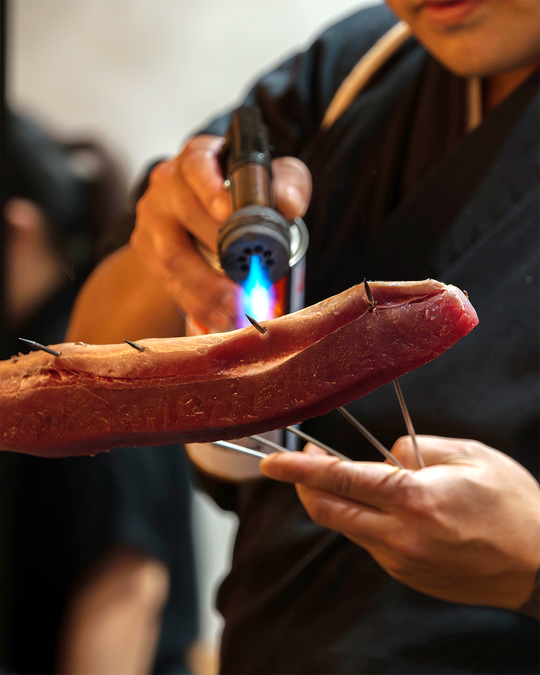
- As demonstrated by Chef Masa at Sushi Masa by Ki-Setsu, the chef dedicates his entire day to meticulous preparation.
- This ensures each course in the expansive journey is a testament to his craft.
Premium Ingredients and Sourcing
- Rarer Ingredients: Features prized ingredients such as aged fish cuts and special seasonal delicacies sourced in limited quantities.
- Luxury Items: Diners are often invited to indulge in exclusive offerings like premium beef and foie gras.
- Sourcing Philosophy: Focuses on procuring exceptional items—often those reserved for an extensive dinner narrative—through direct connections, such as with the legendary Toyosu Market in Tokyo.
- Extended Preparation: Includes ingredients that require extended preparation.
- Intricate Courses: The meal incorporates intricate, non-sushi courses inspired by the Kaiseki tradition, adding a significant layer of depth to the dining experience.
- Narrative: The menu aims to reflect the pinnacle of what the season has to offer.
The Ceremonial Aspect
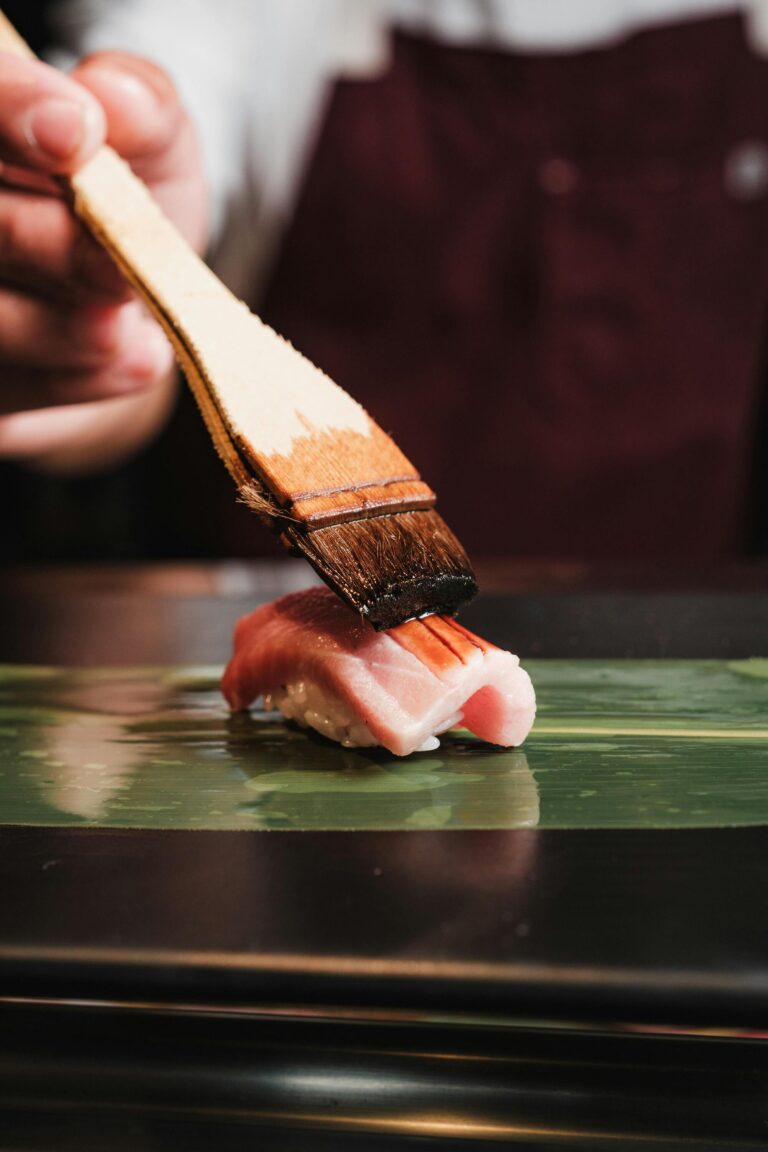
A dinner omakase is often described as a ceremonial culinary journey. The intimate counter seating becomes a stage where the chef’s every move is part of the performance. The slower pace encourages more interaction, allowing guests to learn about each ingredient and technique. It also provides the perfect setting for thoughtful beverage pairings, with sake or wine selections chosen to complement the evolving flavors of the meal. This creates a holistic and deeply cultural experience that engages all the senses.
Lunch Omakase Menu and Dinner Omakase Menu
The structure of an omakase menu varies depending on whether you are dining for lunch or dinner, yet both formats celebrate the chef’s creativity and commitment to the freshest seasonal ingredients. Both lunch and dinner omakase meals are composed of carefully curated omakase courses, with each dish thoughtfully selected to contribute to a memorable dining experience.
A typical lunch omakase menu might include:
- Thoughtfully crafted appetiser to awaken the palate
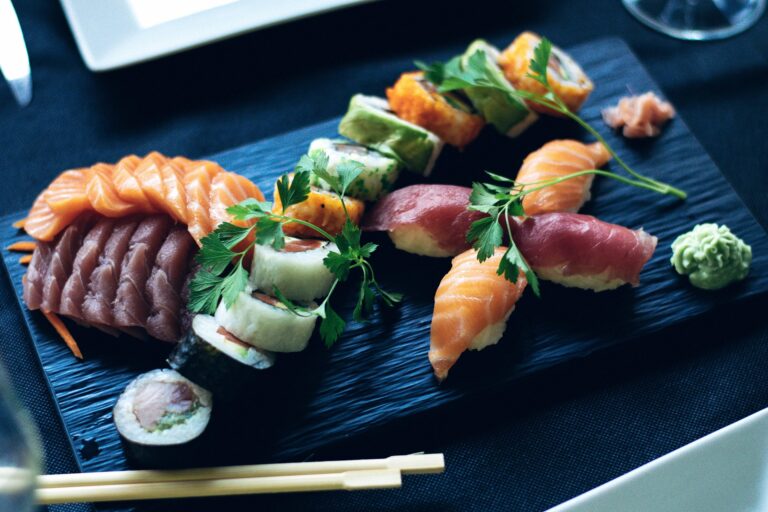
- Selection of sashimi showcasing fresh fish
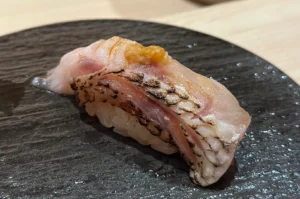
- Several pieces of nigiri sushi highlighting the catch of the day
- Occasional hot dishes such as tempura to offer variety and balance
- Serving of miso soup for warmth and comfort
- Light dessert such as fresh fruit or a delicately prepared sweet
A typical dinner omakase menu often features:
- A series of appetisers with seasonal and premium ingredients
- Broader selection of nigiri prepared with meticulous attention
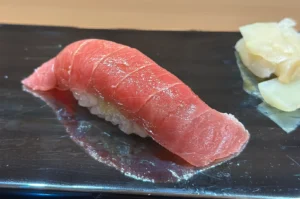
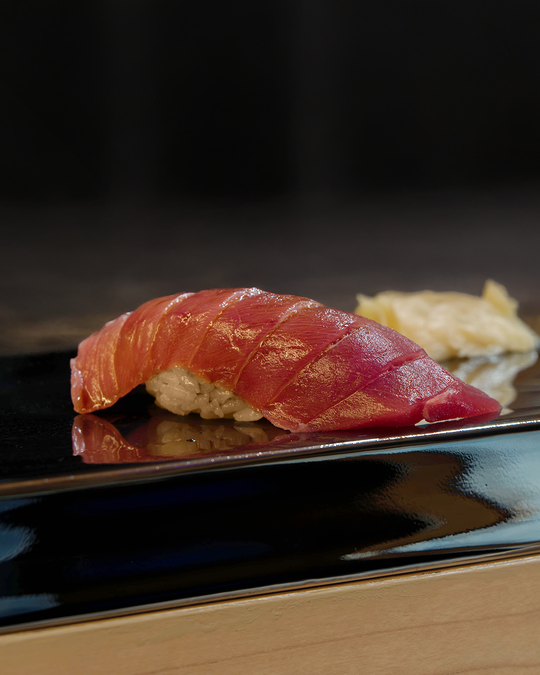
- Premium specialties such as uni (sea urchin) or otoro (fatty tuna)
- Indulgent touches like caviar or truffle
- Expansive range of sashimi and creative hot dishes
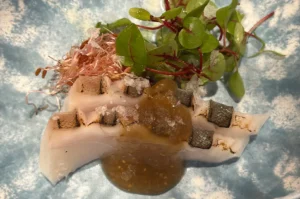
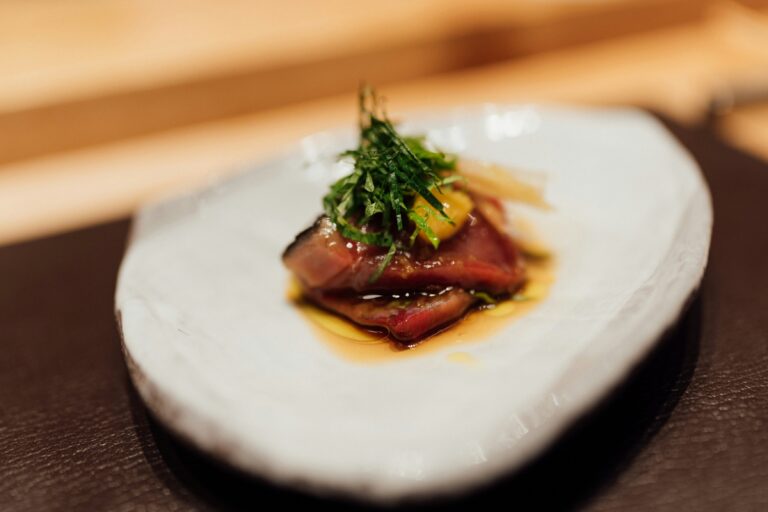
- Signature dish, such as a special carpaccio, highlighting the chef’s artistry
- Additional cooked items, including both seafood and meat options
- Carefully paired beverages such as sake or green tea
- Elegant dessert to complete the experience
Whether at lunch or dinner, omakase restaurants aim to provide diners with an intimate and memorable experience, each meal reflecting the chef’s philosophy and the inspired use of premium, fresh ingredients.
Both lunch and dinner can offer a good omakase experience, depending on what diners are seeking—whether it’s a quick, value-driven meal or a luxurious, extended tasting.
Many diners are pleasantly surprised by the quality and value found in lunch omakase menus, discovering that even at a lower price point, the experience can be memorable and satisfying.
Choosing Your Omakase Experience: What to Consider
Deciding between a lunch and dinner omakase depends entirely on the desired experience. A Japanese omakase lunch is ideal for those with limited time, newcomers seeking an accessible introduction, or diners wanting a high-quality yet efficient meal. Conversely, a dinner omakase suits special occasions, those wishing to immerse themselves fully in a deep culinary journey, or diners eager to explore the pinnacle of a chef’s craft with rare and premium ingredients. It is important to note that popular omakase restaurants are often fully booked, so making reservations well in advance is highly recommended.
An Invitation to the Art of Omakase Restaurant
Both the Japanese omakase lunch and its dinner counterpart hold an important place in Japanese culinary culture, each offering a unique and valid way to experience this beautiful art form. One provides a brilliant snapshot of a chef’s skill, while the other offers the full, immersive novel.
At Sushi Masa by Ki-Setsu, we have dedicated ourselves to the art of the evening omakase. We warmly invite you to join us for our dinner service to experience the depth, craftsmanship, and seasonal stories that Chef Masa tells through his Edomae-inspired creations. We believe that this timeless tradition offers one of the most profound and personal ways to connect with food.