Japanese Omakase Menu: Choosing Between Lunch and Dinner for the Ultimate Sushi Experience
A search for a Japanese omakase lunch often reflects Singapore diners’ growing appreciation for the delicate artistry of authentic Japanese restaurants.
Seeking out a thoughtfully crafted lunch omakase menu or exploring the vibrant omakase scene across omakase restaurants—from Tras Street to Cuppage Plaza and Palais Renaissance—means you’re curious about the subtle differences between midday and evening meals at an omakase restaurant. While a midday omakase lunch offers a glimpse into sushi omakase, many enthusiasts are pleasantly surprised to learn that dinner remains the heart of the Edomae tradition and creative sushi mastery.
Both omakase lunch and dinner present a unique and memorable dining experience, where the atmosphere, chef’s artistry, and overall ambiance come together to create an immersive journey for every guest. We don’t see these as competing experiences, but as different chapters in Japan’s culinary story.
This guide will illuminate why, for many omakase restaurants including Sushi Masa by Ki-Setsu, the full glory of Edomae sushi tradition—nigiri sushi, hot dishes, premium sashimi, appetisers like foie gras, dazzling servings of sea urchin and caviar, and the richest cuts of otoro and scallop—are best experienced in the evening. Join us for a memorable culinary journey and discover what makes the dinner omakase a true celebration of the craft.
Understanding Omakase: A Trust-Based Culinary Art
At its heart, omakase is a Japanese phrase meaning “I’ll leave it up to you.” Choosing a meal in this way, whether for lunch sets or a lavish dinner, builds a special trust between diners and chef—a dialogue that goes beyond any printed omakase menu. You are invited to dine, not simply eat.
The chef’s artistry—especially at a premium Singapore sushi restaurant—is rooted in Edomae sushi tradition, which began centuries ago in Tokyo. Edomae’s meticulous aging and curing methods deeply enhance fresh ingredients from the Toyosu Market, transforming the freshest seasonal ingredients into one-of-a-kind sushi courses and omakase dishes. The food here is a true reflection of quality and craftsmanship, with each dish offering a memorable culinary experience. That focus on quality, patience, and mutual respect is what sets a good omakase apart, no matter where you choose to dine.
The Historical Context: Why Dinner Became Omakase’s Sacred Time
Every day’s sushi omakase begins long before diners take their seats at the counter. Understanding the rhythms of markets and kitchens reveals why the evening was—and remains—the most celebrated time for omakase mastery.
Top dinner omakase experiences are often fully booked well in advance due to their reputation, premium ingredients, and limited seating.
The Tokyo Fish Market Rhythm
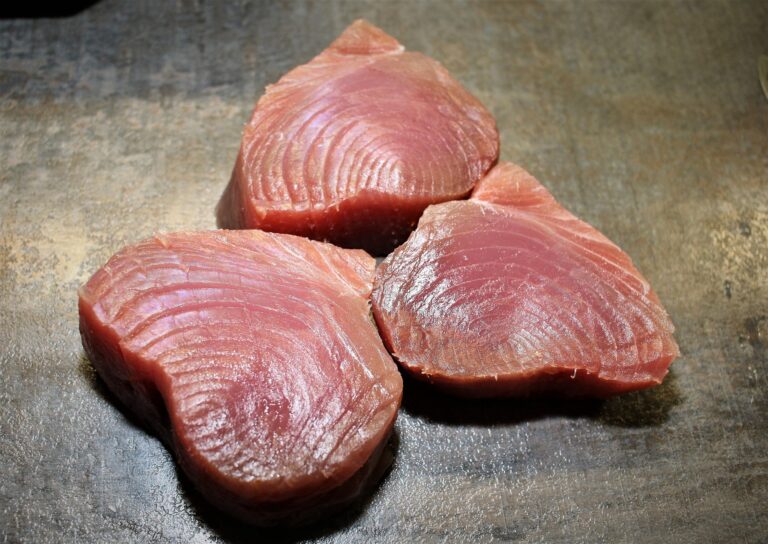
From dawn, Tokyo’s legendary fish markets—like Tsukiji and now Toyosu Market—are alive with the auctioning of the best seafood Japan has to offer. Chefs across omakase restaurants rise early to secure the freshest, highest-quality fish. But a good portion of nigiri sushi, delicate beef, sea urchin (uni), or prized cuts like otoro and scallops aren’t served right away. Instead, they’re aged, marinated, or carefully prepped throughout the day; dinner omakase guests witness the tasting climax of the chef’s skill, where each dish is tasted at its peak flavor and quality.
The Philosophy of "Shun" (Peak Season)
Peak seasonality—shun—is a core tenet of Edomae. The freshest seasonal ingredients shine brightest after hours of patient preparation: caviar that’s gently cured, miso soup that simmers to perfection, delicate scallops and fish that are skillfully sliced or pressed in seaweed, truffle-accented appetisers, and tempura fried at the perfect moment. These flavors reach their zenith at dinner, when our omakase courses, structured to showcase a curated progression of dishes, offer a good balance of cooked and raw items. Our chef, like the best sushi artisans in Japan, uses his full skill set to highlight texture, umami, and seasonality in every serving.
What Japanese Lunch Omakase Menu Represents Today
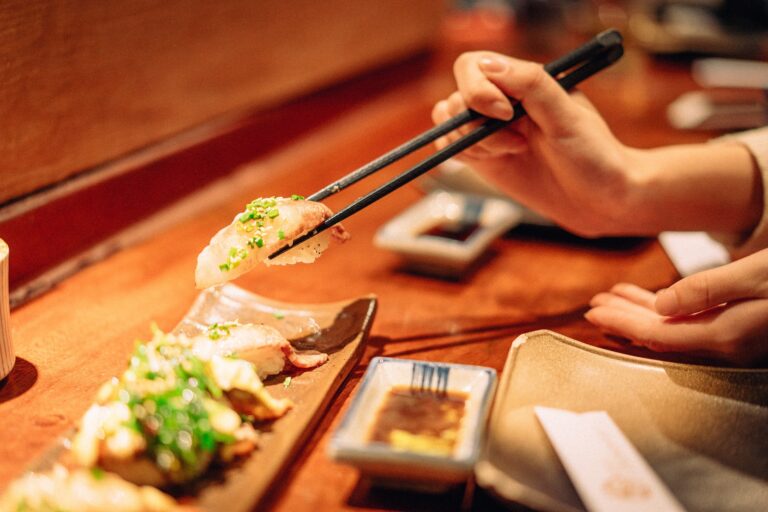
For time-conscious professionals or those trying Japanese omakase for the first time, Japanese omakase lunch menus at traditional Japanese restaurants offer an inviting, efficient way to enjoy a taste of Japan. Standard lunch sets or lunch omakase menus are often shorter—typically 8 to 12 courses—so diners can finish within an hour or so. You may find lighter nigiri, smaller servings of sashimi, or quick appetisers and hot dishes, all with a focus on clean, refreshing flavors ideal for midday.
Lunch omakase menus are often attractively priced, with prices that reflect the quality and quantity of the offerings, making them accessible to a wider range of diners.
Lunch omakase’s lighter style is not just about schedule, but palate. It’s built to refresh and energize, perhaps with a bowl of miso soup, a selection of fresh fish, or a green tea-finished dessert—all part of a good omakase lunch.
Why Dinner Omakase Restaurants Represent the Pinnacle of the Tradition
If Japanese omakase lunch menus are a gentle overture, then true dinner omakase—especially at top omakase restaurants like our own—are a culinary symphony. Here is where craftsmanship, premium ingredients, and the magic of Tokyo’s markets all converge for your most memorable meal.
To ensure you can secure a spot for the dinner omakase experience, remember to check the opening hours of your chosen omakase restaurant.
Time as the Ultimate Luxury Ingredient
Evening omakase menus ranging from 15 to over 20 courses are unhurried, immersive, and perfect for a special occasion. This leisurely procession allows for a deeper connection—diners often sit at a quiet corner sushi counter, interacting with the chef, learning about each dish, and sipping sake or green tea as foie gras, aburi beef, scallop, miso soup, and premium sushi are served in sequence.
Premium Ingredient Availability and Preparation
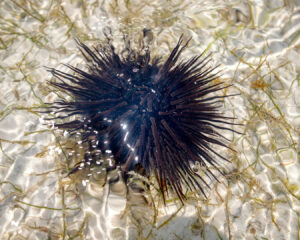
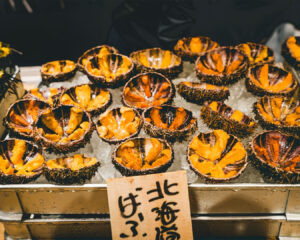
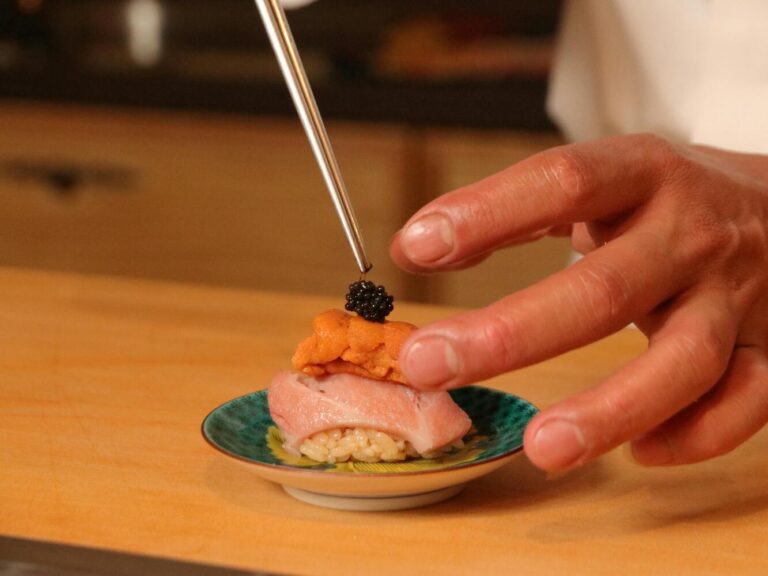
At dinner, Singapore’s sushi lovers are treated to luxury items: sea urchin, truffle-flecked hot dishes, tender wagyu beef, rare shellfish, and the freshest, most sought-after seafood from the Toyosu Market. These standout dishes—caviar-topped nigiri, ikura-filled gunkan-maki, and desserts that end the meal—reflect hours of patient preparation. It’s in these moments that Chef Masa’s Edomae mastery shines: each dish and each piece of sushi is an artwork, beautifully balanced between flavor, freshness, and memory.
The Intimate Theatre of Counter Service
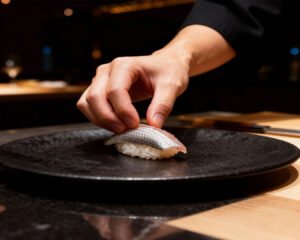
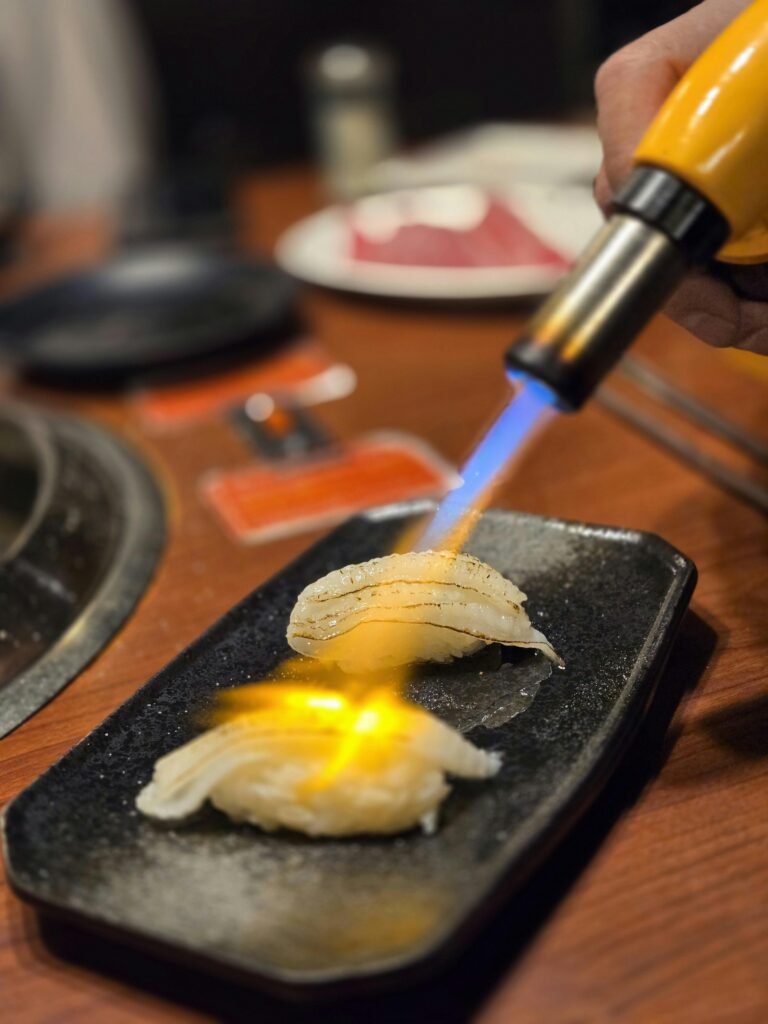
Dinner omakase transforms an evening into a sensory journey. Many diners seek out a Singapore outpost with intimate counter seating, where each movement of the chef is a performance and every course is a new act. Pairing sake, green tea, or wine with the meal draws attention to how thoughtfully each ingredient is selected and presented—a hallmark of a memorable omakase experience.
The Edomae Tradition: Why Timing Matters for Technique
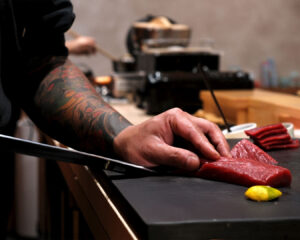
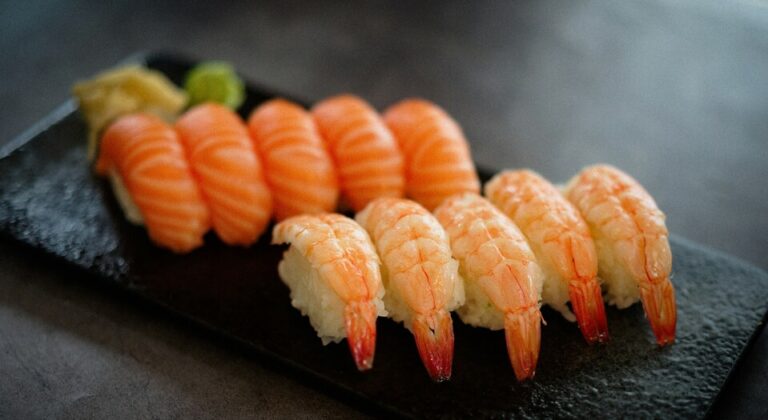
The Edomae sushi tradition relies on slow, thoughtful mastery—aging, curing, pressing, and marinating fish and meat to concentrate umami and texture. Time-intensive preparations, whether for otoro, uni, or delicate slices of sashimi, reveal why evening omakase, not lunch, is prime for presenting the full depth of these techniques.
At Sushi Masa by Ki-Setsu, we honor these practices, curating a dinner omakase that celebrates the full sushi courses spectrum: everything from crisp tempura, marinated appetisers, hand-formed nigiri, and hearty miso soup, to a delicate dessert finale.
Making Your Choice: Understanding What You're Seeking
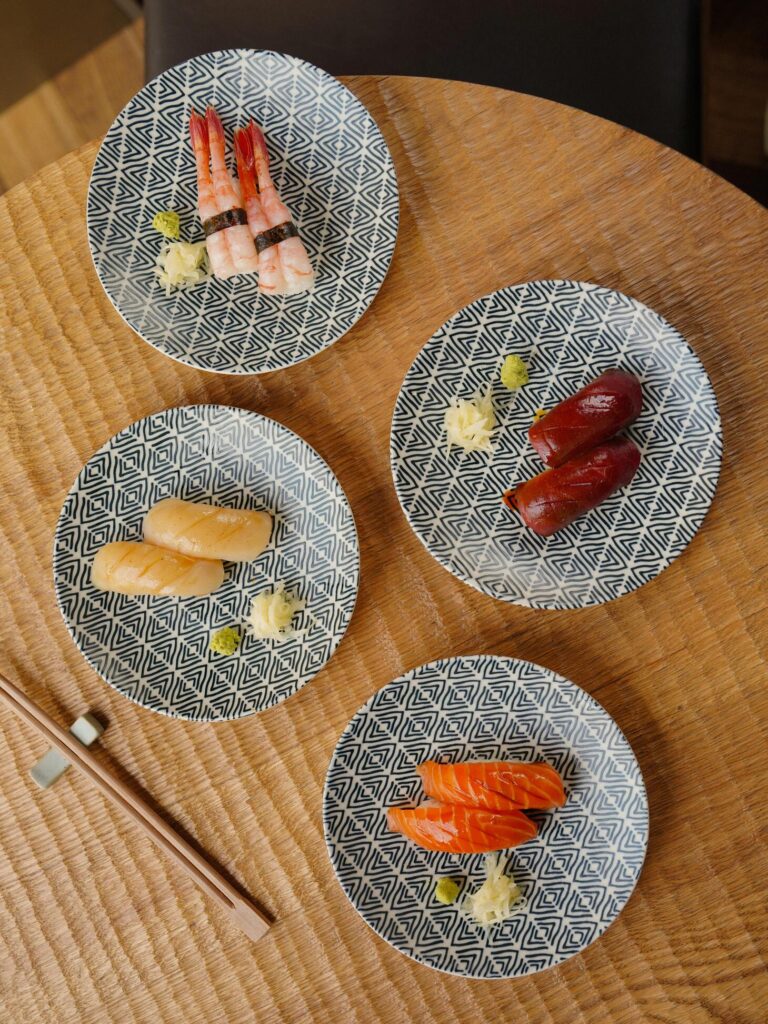
Should you choose a bustling lunch or the focused artistry of a dinner omakase? Lunch omakase is perfect for accessibility—quick, affordable, and offering a fair share of fresh ingredients. The experience will be pleasant, memorable, and might leave you inspired to book a dinner in the future.
Dinner omakase, on the other hand, is an indulgence: a chance to taste premium ingredients, enjoy an extended menu, and savor the chef’s creative storytelling. Diners are often pleasantly surprised at how each seafood, meat, or appetiser fits seamlessly into the overall meal, from the opening amuse-bouche right through to the final dish or sweet.
An Invitation to Evening Excellence
The rise in demand for Japanese omakase lunch shows how Singapore continues to embrace Japan’s culinary treasures. But evening remains when the omakase restaurant transforms into a true theatre of Edomae artistry. Here, every aspect of your meal—from the freshest seasonal ingredients, premium seafood, and delicate hot dishes to the chef’s personal attention—converges for an unforgettable experience.
Looking to dive deeper into the world of omakase? Discover more with our Ultimate Guide to the Best Omakase Restaurant in Singapore: Where Culinary Artistry Meets Japanese Tradition at Sushi Masa by Ki-Setsu.
We warmly invite those seeking an authentic dinner omakase in a quiet corner of Singapore to join us at Sushi Masa by Ki-Setsu—a restaurant dedicated to Edomae legacy, Toyosu-sourced fish, meticulously crafted nigiri sushi, and the kind of memorable meal that lasts long after the last piece is served.