Can World-Class Artistry Be Found Through A Japanese Omakase Singapore Affordable Menu?
In Singapore’s ever-evolving dining landscape, few phrases spark as much curiosity and debate as Japanese omakase Singapore affordable. For diners eager to experience sushi omakase without intimidation, the idea is compelling. It suggests artistry, craftsmanship, and refinement presented at a seemingly accessible level. Yet this raises a deeper question worth exploring with care. Can world-class culinary artistry truly be expressed through an omakase experience framed primarily around affordability?
At Sushi Masa by Ki-Setsu, we approach this question not as a challenge to trends, but as an invitation to reflect. Omakase, at its core, is not a format designed to meet price expectations. It is a philosophy rooted in trust, discipline, and the quiet mastery of Japanese cuisine. As a dinner-only omakase restaurant guided by Edomae tradition and the singular vision of Chef Masa, we believe artistry in sushi is revealed through intention rather than scale.
This article explores how artistry manifests in sushi omakase, what “affordable” often means in practice, and whether the two ideals can genuinely coexist. Our goal is not to define a right or wrong choice, but to illuminate what lies beneath the surface of the omakase experience.
Artistry in Omakase: Beyond Technique
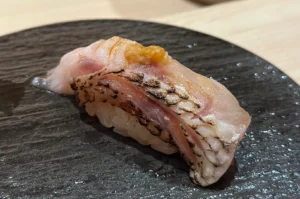
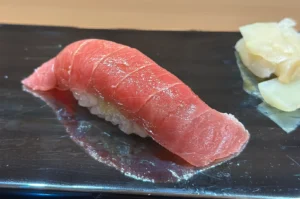
World-class artistry in sushi is often mistaken for complexity or luxury ingredients alone. In reality, it is found in restraint. A single piece of nigiri sushi, composed of fish, rice, and wasabi, leaves no room for error. The temperature of the rice, the cut of the seafood, the pressure of the hand, and the timing of service all matter.
In traditional sushi omakase, artistry is expressed through repetition refined over years. Each movement is intentional. Each sushi course builds upon the previous one, creating a quiet rhythm that guides diners through a gastronomic journey.
When affordability is positioned as the primary attribute, focus can shift away from this discipline. The question then becomes not whether artistry exists, but whether it is allowed the space to fully emerge.
Understanding the Omakase Menu as an Artistic Medium
An omakase menu is not a static list of dishes. It is a living expression shaped by seasonal availability, the day’s seafood, and the chef’s judgment. Omakase menus ranging in structure may appear similar on the surface, yet the difference lies in how deeply they respond to the moment.
At Sushi Masa by Ki-Setsu, our omakase menu features a progression that reflects the freshest seasonal ingredients available, drawing from Toyosu sourcing and guided by Edomae principles. Seasonal sashimi may appear alongside carefully prepared nigiri sushi, followed by thoughtfully paced hot dishes and subtle transitions such as miso soup.
Artistry here is not about abundance. It is about balance, knowing when to pause, when to intensify, and when to simplify.

The Appeal and Limits of Affordable Omakase
Affordable omakase experiences have become increasingly visible in Singapore, often positioned as an introduction to sushi omakase. For diners new to the format, this can feel approachable and exciting. It opens the door to counter seats, direct interaction, and curated sushi courses.
However, when affordability becomes the defining promise, certain compromises may quietly shape the experience. These are not always obvious, nor are they necessarily intentional, but they matter when discussing artistry.
World-class craftsmanship requires time, focus, and access to the finest ingredients. These elements are difficult to compress without consequence.
Cheap Omakase vs. Considered Omakase
The phrase cheap omakase suggests value measured primarily by cost. Yet omakase was never meant to be transactional. It is relational. It asks diners to trust the chef, and in return, the chef commits fully to the ingredient and the moment.
In lower-cost interpretations, sushi courses may become standardised. Assorted sushi may repeat familiar patterns regardless of seasonal produce. Techniques such as aging, curing, or precise aburi sushi preparation may be shortened or omitted.
This does not negate the enjoyment of such meals, but it reframes the experience. The artistry becomes more about replication than expression.

Chef Masa and the Singular Hand Behind the Counter
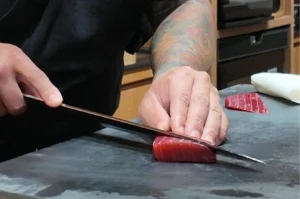
Artistry thrives under singular vision. At Sushi Masa by Ki-Setsu, our chef is not one voice among many. Chef Masa stands alone behind the counter, responsible for every dish, every cut, and every decision.
This singular model allows for accountability and intimacy. Each piece of sushi served reflects Chef Masa’s understanding of seasonal availability and his respect for Japanese culinary traditions. Whether preparing assorted sashimi, shaping nigiri sushi, or composing seasonal appetisers, the process remains deeply personal.
In conversations surrounding Japanese omakase Singapore affordable, this distinction matters. World-class artistry is rarely produced by systems optimised for speed or scale.
Ingredients as the Foundation of Expression
Artistry cannot exist without material worthy of expression. In sushi, that material is seafood at its peak. Fresh ingredients sourced with intention allow the chef’s technique to shine rather than compensate.
Sea urchin, hamachi belly, or seafood prepared for overflowing ikura rice each demand careful handling. Seasonal produce influences not only taste, but texture, aroma, and pacing within the omakase meal.
When affordability dictates sourcing, access to the freshest seasonal ingredients may narrow. The result is an experience that feels complete, yet restrained in depth.
The Structure of the Omakase Experience
A well-composed omakase experience unfolds gradually. An appetiser sets the tone. Sushi courses progress from lighter to richer expressions. Hot dishes provide contrast, while miso soup offers a moment of grounding. Even dessert, when present, is subtle and never overpowering the memory of sushi.
This flow requires attention to dining time and pacing. At Sushi Masa by Ki-Setsu, dinner omakase is approached as an evening ritual rather than a checklist. Counter seats allow diners to observe technique, ask questions, and engage with the process.
Artistry here is temporal as much as visual or technical.

Omakase Restaurant or Omakase Label
Not every omakase restaurant practices omakase in spirit. The term is sometimes used to describe omakase sets that change infrequently or rely on predetermined structures. While such formats can be enjoyable, they differ from omakase experiences shaped in real time.
World-class artistry requires responsiveness to the ingredient, to the diner, and to the moment. Without this responsiveness, omakase becomes a label rather than a philosophy.
At our Singapore outpost, we remain committed to omakase as an evolving dialogue rather than a fixed offering.

Can Artistry Coexist With Affordability?
A Nuanced Answer
The question is not whether affordable omakase exists. The more meaningful question is whether the pursuit of affordability allows artistry to reach its fullest expression.
In some contexts, affordability may introduce diners to sushi omakase. In others, it may set expectations that prioritise quantity or speed over nuance. Neither outcome is inherently wrong, but they are different.
World-class artistry, as we understand it, thrives where time, sourcing, and singular focus are protected.
Our Perspective at Sushi Masa by Ki-Setsu
We do not seek to define ourselves by comparison. Instead, we remain grounded in what we believe omakase represents, responsibility, trust, and craftsmanship.
Our omakase courses are guided by Edomae tradition and shaped by Chef Masa’s experience. We focus on good balance rather than excess, on seasonal availability rather than repetition, and on a dining experience that invites reflection.
This approach may not align with every expectation attached to affordable omakase, but it aligns deeply with our understanding of Japanese cuisine.
Redefining Value at a Japanese Restaurant Built on Omakase Craft
Can world-class artistry be found through a Japanese omakase Singapore affordable menu? The answer depends on how one defines artistry and what one is willing to prioritise.
If artistry is measured by discipline, intention, and respect for ingredients, then it flourishes where these values are given room. At Sushi Masa by Ki-Setsu, we believe omakase is at its most expressive when freed from rigid cost narratives and allowed to unfold as a true gastronomic journey.
For diners seeking an omakase experience shaped by singular vision, seasonal produce, and the quiet confidence of Japanese tradition, we welcome you to experience our dinner omakase, where artistry is not claimed, but practiced, one piece at a time.