Key Takeaways
- Japanese sake (nihonshu) is a brewed drink made from rice, water, koji and yeast-distinct from distilled spirits and grape wine in both process and character.
- Sake styles, rice polishing, alcohol content and serving temperature together shape aroma, body, umami and food pairing potential, producing complex flavors that range from light and fruity to rich and savoury.
- Sake in Singapore is increasingly diverse, and a little foundational knowledge helps diners choose confidently in sushi, izakaya and omakase settings.
- In 2024, Japan’s traditional sake brewing techniques were recognised by UNESCO as part of its Intangible Cultural Heritage, underscoring sake’s cultural depth.
- At Sushi Masa by Ki-setsu in Cuppage Plaza, sake is considered alongside seasonality, seafood, temperature and the rhythm of an omakase meal.
Introduction: Understanding Japanese Sake in Singapore

Japanese sake, or nihonshu, is a brewed alcoholic beverage made from polished rice, water, koji mould and yeast, not a distilled spirit or grape wine, and in Singapore it has become a familiar presence across omakase counters, sushi restaurants and izakaya menus even as its terminology can still feel opaque. Diners encounter words like junmai, ginjo, daiginjo, nama, nigori, kimoto and yamahai, terms that describe different sake styles but rarely come with clear explanation. Meanwhile, sake exports from Japan increased by 70% since 2021, reaching 41.1 billion yen, reflecting the drink’s growing popularity worldwide and in Singapore specifically.
Understanding a few core concepts changes how sake tastes at the table and how confidently you order it. In Japan, the general word “sake” can refer broadly to any alcoholic drink, while nihonshu specifically identifies the rice-brewed beverage that English-speaking diners usually call Japanese sake. What we commonly call sake is not one uniform national beverage but a spectrum of styles shaped by rice polishing, brewing decisions and serving temperature, with flavour ranging from crisp and delicate to rich, savoury and textured.
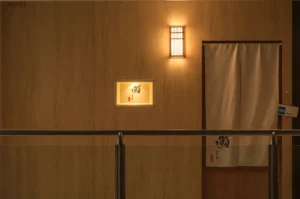
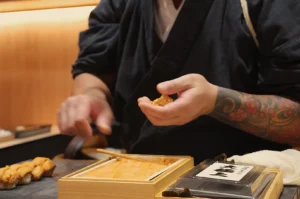
At Sushi Masa by Ki-setsu, an intimate eight-seat omakase counter at 5 Koek Road, #06-03 Cuppage Plaza, near Orchard Road, sake is understood in relation to seasonality, seafood, preparation, temperature and the progression of each dinner. For Singapore diners, whether you are exploring sake for the first time, comparing bottles for sushi, or looking to deepen an omakase experience, this guide explains what Japanese sake is, how it is made, how its classifications and flavour profiles differ, how drinking temperature changes the experience, and how sake fits into Singapore’s Japanese dining scene.
What Is Japanese Sake (Japanese Rice Wine)? Basic Definitions for Singapore Diners

Japanese sake-nihonshu (日本酒)-is a brewed beverage made from polished rice, water, koji mould (Aspergillus oryzae) and yeast. After brewing and dilution, most sake sits at around 15–16% alcohol content, placing it between beer and wine in strength. Sake is made from rice, water, yeast, and kōji-these four ingredients are central, and no fruit, hops or grapes are involved. Sake is traditionally consumed during Shinto purification rituals in Japan, reflecting a history that extends far beyond the dining table.
The English expression Japanese rice wine is useful for recognition, but technically incomplete. Unlike grape wine, where natural sugars ferment directly, sake requires its starch to be converted into sugar before fermentation can occur-a process closer to how beer is produced from grain, though the resulting drink tastes nothing like beer.
Quick comparisons to other types of alcohol:
- Beer: brewed from barley and hops with single-stage fermentation; typically lower ABV
- Grape wine: ferments natural grape sugars; tannins and acidity differ markedly from sake
- Shochu and whisky: distilled spirits with higher ABV; sake is brewed, not distilled
- Umeshu: a fruit liqueur made by steeping plums in spirits-a different category entirely
When people say rice water in a sake context, they refer to the fermentation mash of rice and water rather than a cooking by-product. Sake is often served in units of gō, approximately 180 ml, and is traditionally poured from a tokkuri into small cups called ochoko.
How Japanese Sake Is Made: From Rice and Water to the Glass

Sake production begins with specialised sake rice (sakamai), soft or medium-hard brewing water, koji and selected yeast strains. Yamada Nishiki is the most popular sake rice variety, cultivated primarily in Hyogo prefecture. Each brewery makes decisions at every stage that shape the final flavour, aroma and texture.
The key production methods unfold as follows:
- Rice polishing (seimai-buai): The polishing process removes fats, proteins and impurities from the outer layers of the grain. A 60% polishing ratio means 60% of the original grain remains-40% has been milled away. More rice polished away generally yields cleaner aromas, but at greater cost and fragility.
- Washing, soaking and steaming: Polished rice is washed, soaked to a precise moisture level, and steamed rice is prepared to the correct texture for koji growth.
- Koji-making: A portion of steamed rice is inoculated with Aspergillus oryzae, which is used to convert rice starch into fermentable sugar through its enzymes.
- Yeast starter (shubo/moto): Water, koji and yeast are combined. Sake fermentation occurs through a three-step process called sandan shikomi, building the mash incrementally.
- Multiple parallel fermentation: Saccharification and alcohol fermentation happen simultaneously in the main tank-a process fundamentally different from wine or beer production, and one that gives sake its distinctive character.
- Pressing: The fermented mash is pressed to separate liquid sake from the lees.
- Filtration: Some sake undergoes charcoal filtration; muroka styles skip this step, retaining more colour and aroma compounds.
- Pasteurisation (hi-ire): Most sake receives two gentle heat treatments (~60–65°C). Nama styles omit pasteurisation entirely.
- Dilution and maturation: Sake may be diluted with water to adjust ABV, then matured-weeks, months or years-before bottling.
Sake brewing traditionally occurs in winter for temperature control, when low temperatures help manage fermentation. The fermentation process for sake takes about two weeks. Historically, the Nada-Gogō area in Hyogo produced around 80% of Edo’s sake during the Genroku era of the early Edo period, while Kitagawa Honke in Fushimi near Kyoto has over 360 years of history. The Nada area in Hyogo prefecture remains known for producing bold, sturdy sake, while Niigata is recognised for cleaner, crisper styles-demonstrating how water, climate and environment influence the finished drink.
Core Japanese Sake Classifications and What They Mean

Sake is classified primarily by the degree to which the rice is polished and whether distilled alcohol is added. These classifications-called tokutei meishō-shu under Japanese law-are style indicators rather than a strict quality hierarchy.
The broad split:
- Junmai types: No added brewer’s alcohol and no additives; only rice, water, koji and yeast. Junmai is pure rice wine without added distilled alcohol. Often fuller-bodied and more umami-driven.
- Non-junmai types: A small amount of brewer’s alcohol is added, and some styles may also use additives to shape aroma or texture. These are not lesser sake-they are simply produced differently.
The main classifications:
- Junmai: Rice, water, koji, yeast only. No specific minimum polishing ratio under current rules. Tends toward richer body, more rice-driven flavours.
- Honjozo: Honjozo sake has rice polished to 70% with added distilled alcohol. The addition is modest-typically up to 10%-and serves to refine aroma, not to increase volume.
- Ginjo / Junmai Ginjo: Ginjō sake is made from rice polished to 60% or less. Brewed at cooler temperatures with slower fermentation, often producing fruity, floral aromas.
- Daiginjo / Junmai Daiginjo: Daiginjō is ginjō with rice polished to 50% or less. These are often considered high grade sake and may command the highest price, but that does not automatically make them the most suitable choice for every dish or diner.
Flavor profiles of sake can vary widely, with some being rich and umami-forward while others are light and fruity-even within the same classification. Individual flavour depends on water, yeast, koji, fermentation temperature and dozens of other decisions, not the classification label alone. Sake sold under a given class name should never be assumed to taste identical to other types bearing the same designation.
Key Traditional Sake Styles and Production Terms

Beyond classification, several production terms describe specific processing choices that heavily influence character. These are not rankings-they describe how the sake was made.
- Nama (Namazake): Namazake is unpasteurized sake, retaining fresh flavors. It must be stored cold (around 4°C) and consumed relatively quickly. Nama does not mean sparkling-it refers specifically to the omission of hi-ire pasteurisation.
- Nigori: Nigorizake is cloudy sake filtered through a coarse cloth, leaving fine rice solids in suspension. It is not completely unfiltered; the coarse pressing produces a creamier texture and often gentle sweetness.
- Genshu: Undiluted sake that has not been diluted with water after brewing, retaining naturally higher alcohol content-often around 18–20% ABV. This produces more weight, intensity and warmth.
- Kimoto: A traditional sake starter method with a history reaching back centuries. Kimoto includes a physical mashing stage (yamaoroshi) that encourages natural lactic acid development, often yielding deeper, sometimes earthier flavours with notable acidity. It relies on traditional techniques and natural microbial succession.
- Yamahai: A related method that skips the yamaoroshi but permits similar natural lactic acid development. Both Kimoto and Yamahai are brewing methods, not guarantees of heaviness-some producers create surprisingly elegant sake through these approaches.
- Koshu: Aged sake matured for years rather than months. Maturation may produce nutty, dried-fruit, caramel or soy-like tones, but the flavour depends on storage conditions, temperature and the original brew. Not every koshu tastes the same.
- Sparkling sake: Produced via secondary fermentation or carbonation, usually lower in alcohol (sometimes 5–12% ABV) and often gently sweet. Approachable for those more familiar with wine.
- Muroka: Non-charcoal-filtered sake that may retain more colour and aroma compounds. Some drinkers find muroka styles richer and more aromatic than their filtered counterparts.
These terms commonly appear together on labels-a sake can be both Junmai and Nama, or Kimoto and Genshu-so understanding each term helps diners read what is actually in the bottle.
How to Read and Describe Sake Flavour

Sake flavour is multidimensional. Rather than relying on a single number or category, consider these sensory dimensions:
Aroma families:
- Fruity and floral (apple, pear, melon, banana)
- Rice, cereal and grain notes
- Lactic character (yoghurt, cream)
- Savoury and earthy tones
- Aged and nutty notes (caramel, dried fruit, soy)
Structural elements:
- Sweetness versus dryness
- Acidity-its sharpness or softness
- Umami depth, linked to amino acids
- Alcohol warmth and how prominently it is felt
Mouthfeel:
- Light, medium or full-bodied
- Texture from clean and crisp to silky, creamy or robust
- Length of finish from quick to lingering
No single number on the label can fully describe what a sake will taste like. The overall balance on the palate-especially when sake is enjoyed with food-matters far more than any isolated metric.
Does the Sake Meter Value or Alcohol Content Really Tell You If Sake Is Dry?

The Sake Meter Value (SMV), sometimes called nihonshu-do, measures a sake’s density relative to water. Higher positive numbers often suggest a drier impression; negative numbers suggest a sweeter one. According to NTA Japan data, average SMV values for premium sake range from approximately +4 to +5, while ordinary sake sits around +3.8.
However, SMV is only part of the story. Perceived sweetness also depends on acidity, alcohol, aroma, amino acid content, umami and serving temperature. Consider these examples:
- A sake with SMV +5 may still taste rounded and smooth if its acidity and umami are high
- A sake with SMV –1 can seem balanced or even dry when served chilled alongside savoury dishes
- Warmed sake often feels softer regardless of its SMV reading
- Two sakes with identical SMV can taste markedly different if one has higher amino acid content
Treat SMV as a directional guide rather than a guarantee of how Japanese sake will taste at the table. It belongs in a box of useful indicators, but should never be the only one you open.
Rice-Polishing Ratio and Sake Quality

Rice polishing ratio expresses the percentage of the original grain left after milling-not the amount removed. A ratio of 60% means 40% of the outer layers have been polished away. The polishing process removes fats and proteins that can produce heavier flavours, but the degree of polishing alone does not determine the best sake for any given situation.
Key points to keep in mind:
- Lower polishing ratios do not automatically equal higher quality
- Food pairing suitability depends on the dish and style, not just how much grain remains
- Some dishes pair better with robust, less-polished sake whose rice-forward character supports bold flavours
- Brewers increasingly use technique to create elegant sake even at higher polishing ratios
- Rice polishing ratio affects sake quality and flavor profile, but it is one clue among many
For diners in Singapore choosing sake for omakase, polishing ratio offers useful context without telling the whole story.
Chilled, Room-Temperature and Warm Sake: Choosing the Right Temperature

Sake is enjoyed hot, cold, or at room temperature depending on type, food and personal preference. Sake can be served chilled, at room temperature, or heated-and each approach reveals different aspects of the same bottle. Temperature control at the point of service matters as much as it does during brewing.
Guidance across the range:
- Chilled (around 5–10°C): Emphasises freshness, fruit and aromatic precision. Chilled sake is typically served around 10°C (50°F), ideal for Ginjo and Daiginjo styles or Nama. Sake served chilled tends to feel brighter and firmer.
- Cool/cellar (around 10–15°C): Balances aroma with texture. Useful for versatile Junmai and Honjozo that can span a range of temperatures.
- Room temperature (around 20°C): Reveals complexity, umami and savoury depth, especially in balanced Junmai styles.
- Gently warmed (about 35–45°C): Softens acidity, elevates umami and broadens body. Suitable for Junmai, Honjozo, Kimoto and Yamahai styles. Hot sake is generally served around 50°C (122°F) for bolder warming, though higher temperatures can emphasise alcohol and mute finer aromas.
Warm sake is not automatically cheap or low quality. Historically, warm consumption was the norm in winter across much of Japan. In an omakase context, the chef or host may adjust temperature across the meal to match changing dishes and textures.
Sake is often served in small cups called choko or o-choko, and sake is traditionally poured from a tokkuri into these cups. In formal settings, sake is poured for others, not for oneself-a gesture of hospitality worth knowing when dining at a counter. Some establishments also serve sake in a traditional wooden masu box, particularly during celebratory events.
Japanese Sake and the Omakase Experience

Omakase progresses through sashimi, nigiri, warm seafood courses and final dishes, and different sake styles can support each stage differently. Sake pairs well with various Japanese seafood dishes, enhancing flavours and bringing out umami notes-a quality that makes it a natural companion for seafood-focused dining.
Consider the interplay:
- Lighter, aromatically restrained sake can complement delicate sashimi and sushi rice without overshadowing the vinegar, salt or natural sweetness of the fish
- Fuller-bodied, umami-rich styles can hold their own alongside grilled, simmered or sauce-seasoned seafood, where miso, dashi, soy sauce or citrus appear
- Sake with moderate acidity can cut through the richness of ingredients like uni or fatty tuna
- Nigori’s gentle sweetness and texture can contrast effectively with bolder seasoning
The principle is balance: sake should support the chef’s intention-texture, temperature, seasoning-rather than dominate. For a deeper exploration of how specific sake styles pair with omakase courses, our dedicated pairing articles offer more detailed guidance.
Japanese Sake in Singapore’s Dining Scene

Sake in Singapore has undergone considerable expansion in recent years. What was once limited to a handful of familiar labels at Japanese restaurants now encompasses aged sakes, unpasteurised nama, regional specialities, and lesser-known styles-available at omakase counters, izakaya and specialist bars alike. Singapore ranked sixth in the world by sake sales volume in 2023, according to the Japan Sake and Shochu Makers Association, reflecting strong demand despite the country’s small population.
Key settings where diners might explore Japanese sake in Singapore:
- High-end omakase counters and fine-dining Japanese restaurants
- Casual sushi and donburi spots with curated by-the-glass options
- Izakaya where sake can be enjoyed alongside grilled and fried dishes
- Specialist sake bars and tasting rooms with rotating selections
- Retail shops and educational events that host guided tastings and masterclasses
Singapore’s position as a regional dining hub means access to a broad variety of styles produced across multiple Japanese prefectures. The growing consumption of sake here makes foundational knowledge genuinely useful for curious diners, whether they are exploring a cart of options at a sake bar or choosing from a curated omakase list.
The Sushi Masa by Ki-setsu Perspective on Japanese Sake

At Sushi Masa by Ki-setsu, Japanese sake is best understood as part of the wider omakase experience: seafood, seasonality, preparation, temperature, texture and the rhythm of the meal. We are an intimate, dinner-only eight-seat counter near Orchard Road, led by Chef Nakano Masayuki (Chef Masa), who brings more than 16 years of experience in Japanese cuisine to every service.
For us, sake is considered in relation to:
- The seasonality of seafood and produce flown in from Japan
- The temperature and texture of each course as it progresses from lighter to richer
- The balance of umami, acidity and salinity present in sushi rice, soy sauce and garnishes
- The direct interaction between chef and guest at the counter, where questions about body, aroma and serving temperature are always welcome
We do not treat classifications or polishing ratio as status markers. Instead, the focus remains on how each sake works with the food in front of the guest. Diners who visit over multiple occasions often find their confidence and curiosity grow naturally-learning through taste rather than terminology. To understand more about how seasons shape omakase, our seasonal guides offer further reading.
A Simple Framework to Begin Understanding Japanese Sake

When tasting sake or reading a sake list in Singapore, consider asking yourself these questions:
- Does this sake feel light, medium or full-bodied?
- Is the aroma restrained or expressive-fruity, floral, ricey, savoury?
- Does it seem mainly dry, gently sweet, savoury or balanced between these impressions?
- How much acidity and umami are present, and how do they feel with the dish?
- Is the texture clean, soft, creamy or rich on the palate?
- At what temperature is it served, and how does that affect aroma and body?
- Am I drinking it alone, with sushi, or with cooked dishes?
- Which stage of the meal is this intended to accompany?
- Does the sake support, contrast with, or overshadow the food?
- Which aspects-aroma, texture, finish-do I personally enjoy and want to explore further?
There is no single correct way to enjoy Japanese sake. Whether a diner gravitates toward a crisp, chilled Ginjo or a gently warmed Kimoto is a matter of personal preference, context and curiosity. The questions above are simply a starting point.
Conclusion: Japanese Sake as a National Beverage and Living Part of Omakase in Singapore

Japanese sake is not one uniform drink but a spectrum shaped by rice, water, koji, yeast, brewing decisions, rice polishing, alcohol content, maturation and serving temperature. Its identity emerges from the interaction of all these elements-not from prestige, price, polishing ratio or classification alone.
For diners exploring sake in Singapore, even modest foundational knowledge makes it easier to understand what is in the glass and why it complements or contrasts with the food. Flavour, balance and the relationship between sake and dish are what matter at the counter-not memorising every technical term.
At Sushi Masa by Ki-setsu, this understanding unfolds in a calm environment: an intimate omakase counter in Cuppage Plaza where seasonal seafood, careful preparation and attentive hospitality create the conditions for genuine discovery. We invite diners to use this guide as a starting point and to continue exploring through our Sake Pairing Knowledge Hub, at our counter, and across Singapore’s rich Japanese dining scene.
Frequently Asked Questions about Japanese Sake in Singapore
Below are answers to some of the questions diners most commonly ask when beginning to explore Japanese sake.
What is Japanese sake in simple terms?
Japanese sake (nihonshu) is a brewed alcoholic drink made from polished rice, water, koji mould and yeast, typically reaching around 15–16% alcohol content after dilution. It sits between beer and wine in strength but its production method-where starch conversion and fermentation happen simultaneously-and its flavour range are entirely distinct, spanning from light and aromatic to rich and savoury.
Is sake a wine or a spirit?
Sake is neither a distilled spirit nor a grape wine. It is a brewed beverage whose process more closely resembles beer in its need to convert starch before fermentation, even though the final flavour and texture may remind some drinkers of wine. Calling sake a “Japanese rice wine” is a convenient shorthand commonly used by English speakers, but it is technically incomplete from a brewing perspective. It should not be confused with spirits such as shochu or whisky, which undergo distillation.
Does rice-polishing ratio decide which sake is best?
Rice polishing ratio does not by itself determine quality. It indicates how much of each grain remains after milling-for example, 60% means 40% has been removed-and can influence style and aroma, but the best sake for any given moment depends on context. Some dishes are better matched with more robust, less-polished sake that carries rice-forward character, while others suit delicate, highly polished styles. The choice is always contextual and personal.
Should Japanese sake be served chilled or warm in Singapore’s climate?
Both chilled and gently warmed sake are appropriate in Singapore, depending on the style, the food and the drinker’s preference. Diners may start with a chilled Ginjo-style sake-refreshing in a warm climate-then explore warmed Junmai or Honjozo with richer dishes during cooler, air-conditioned omakase evenings. Neither approach is inherently superior; variety is part of sake’s appeal.
Does Japanese sake pair well with sushi and seafood-only omakase?
Sake is traditionally well-suited to sushi and seafood because its umami, moderate acidity and absence of harsh tannins sit comfortably with fish, shellfish and vinegared rice. At seafood-focused counters like Sushi Masa by Ki-setsu, sake can be selected to echo the delicacy of sashimi courses or to stand alongside bolder grilled or simmered dishes later in the meal. Understanding sake’s body, acidity and serving temperature helps diners appreciate why different styles suit different stages of omakase. For further reading on omakase etiquette and dining customs, our guides offer additional detail.
Where can diners learn more about sake in Singapore?
Diners in Singapore can deepen their understanding by attending guided tastings at specialist sake bars and retail shops, exploring articles in Sushi Masa by Ki-setsu’s Sake Pairing Knowledge Hub, and asking questions at omakase counters and reputable Japanese restaurants. Building experience gradually-sampling different classifications, styles and temperatures over time-is more valuable than trying to memorise every technical term at once.