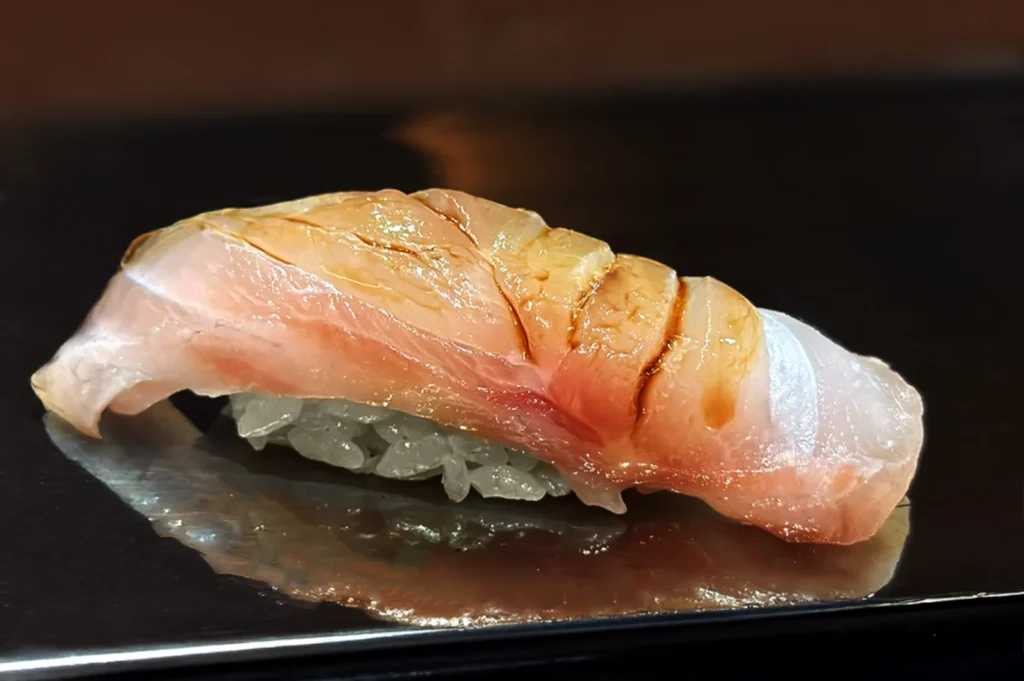
In the clandestine world of deep sea giants, few creatures command as much respect and culinary obsession as the kue fish.
Often referred to as a phantom or a ghost by anglers, this high class fish is a master of camouflage and stillness. Scientifically classified as Epinephelus brusle, but more commonly known as the longtooth grouper or kelp grouper, the kue is the undisputed king of winter gastronomy in Japan.
To look upon its rustic appearance is to see a relic of the deep, but to taste its flesh is to understand why it is prized above almost all other white meat varieties. The story of the kue is not merely one of harvest, but a study in patience, biological rarity, and the transformative power of time.
The Biology of a Deep Sea Phantom
The kue longtooth grouper is a slow growing marvel that inhabits rocky areas and crevices along the coasts of southern Japan, extending down toward Taiwan and the South China Sea. These are not the sleek, silver hunters of the upper currents; they are territorial lurkers.
An adult kue can reach a length of more than one meter, with the largest instance documented weighing as much as a small person. Some adults reach a meter and a half, tipping the scales at over 50 kilograms.
Habitat and Elusiveness
Because they inhabit rocky areas at significant depths, they are notoriously difficult to catch. They do not travel in schools, and they do not easily succumb to mass fishing methods.
Most kue are caught via longline or by individual anglers who must possess the strength to wrestle a giant fish out of its jagged fortress before it can snap the line. This scarcity is the primary reason the kue has earned its phantom moniker and its staggering price tag at market.
A Tale of Two Names: Kue and Ara
In the Kyushu region, particularly during the famous Grand Sumo Tournament in Fukuoka, the kue fish is frequently called ara. However, a culinary student must be careful not to confuse this with the true ara or Niphon spinosus, which is a separate species of sawedge perch.
While the names overlap in regional dialects, the true kue is unmistakable once you see its heavy body and the marbled pattern on its skin that mimics the shadows of the seafloor. In Wakayama Prefecture, another stronghold for kue culture, the fish is celebrated as a local treasure, often becoming the centerpiece of winter festivities.
Key Biological Characteristics of the Kue
| Feature | Description |
|---|---|
| Species | Epinephelus brusle (longtooth grouper) |
| Maximum Length | Often more than one meter |
| Primary Habitat | Rocky areas and reefs in southern Japan |
| Peak Season | Winter, when the fatty part is most developed |
| Texture | Firm white meat with plentiful natural collagen |
The Alchemy of Aging: Why Patience is the Secret Ingredient
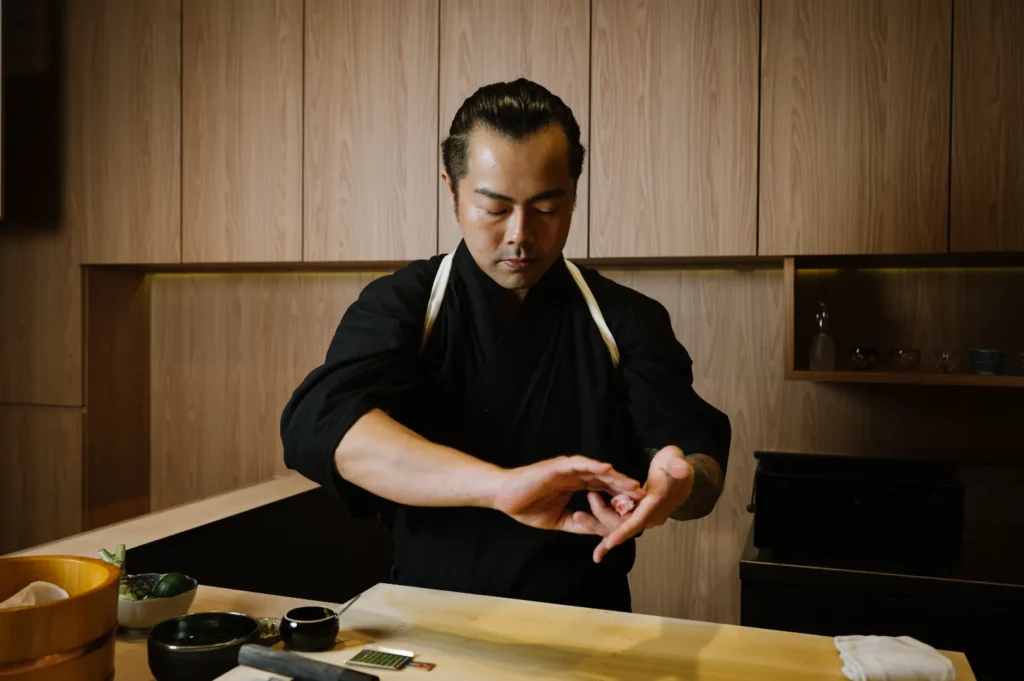
The title of this exploration suggests that the kue exists in the hands of patience, and nowhere is this more evident than in the best omakase counters. While most white meat fish are valued for their transparency and immediate freshness, the kue fish belongs to a rare category where the body must be allowed to rest.
In an omakase setting, the chef’s patience and expertise are crucial to unlocking the full potential of the kue. When freshly caught, the muscles are so firm and the fibers so tight that the light flavor can feel lost. It is only through the hands of a patient master, carefully aging and preparing the fish, that the sweetness and delicate nuances are revealed, elevating the dining experience to an art form.
The Science of Umami Development
As the fish rests under strictly controlled refrigeration, enzymes break down the tough connective tissues and convert proteins into amino acids. This process transforms a seemingly light flavor into a complex, lingering sweetness.
The fatty cut of a kue is not oily like a tuna; instead, the fatty part is deeply integrated into the flesh, creating a mouthfeel that gourmets have imagined in their dreams but rarely found in nature. To rush this process is to ignore the inherent potential of the fish.
The Architecture of the Kue: Collagen and Gelatin
One of the most distinctive reasons people seek out this large fish is the plentiful natural collagen found just beneath the skin and around the fins. When the fish is cooked, this collagen transforms into a rich, silky gelatin. This is why the kue is considered the undisputed champion of pot dishes, specifically the legendary kue nabe.
The Virtues of Kue Nabe
In a traditional pot dish, every part of the kue is utilized. The head, bones, and fins are simmered to release a deep, savory stock. As the white meat and skin are poached in this broth, the gelatin thickens the liquid, coating the palate in a way that is both rustic and incredibly refined.
It is a dish that defines winter in regions like Kyushu and Wakayama, providing warmth and a concentrated hit of umami that many consider the peak of Japanese soul food.
Beyond the Pot: Kue in Nigiri Sushi and Sashimi
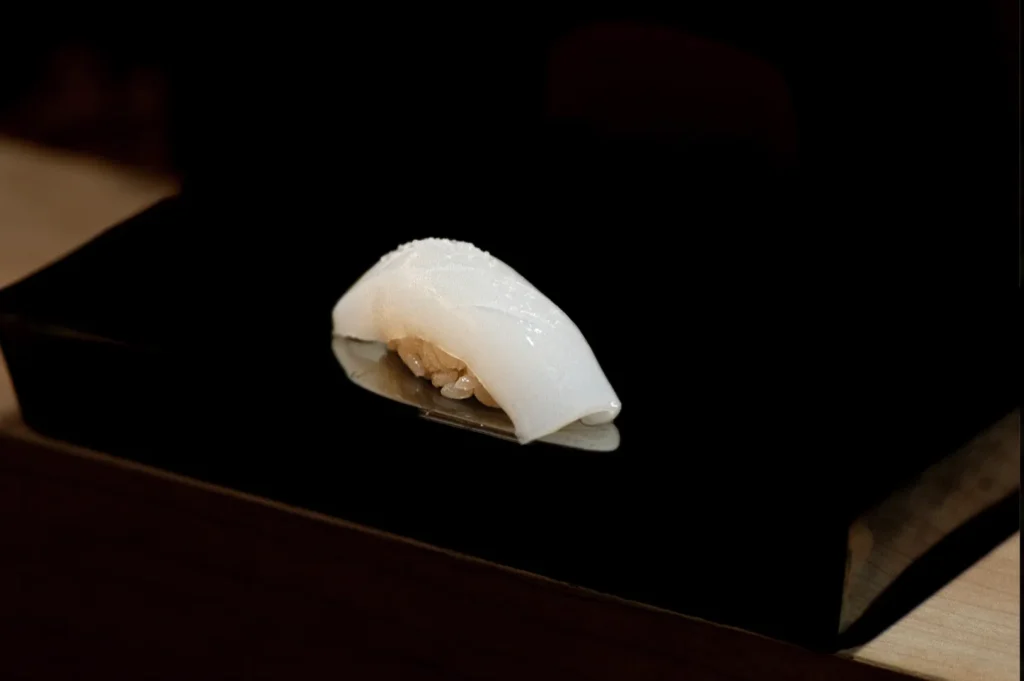
While the hot pot is the most famous preparation, the kue has made significant inroads into the world of high end sushi in recent years. When served as sashimi, it is sliced thinly to allow the diner to appreciate the resilience of the flesh without it being overwhelming.
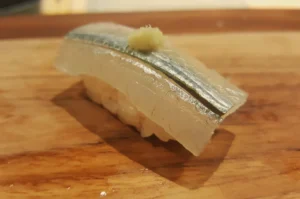
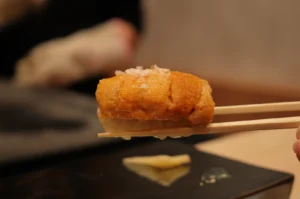
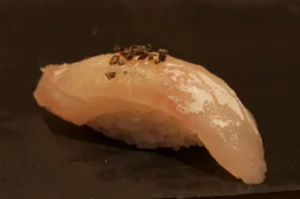
As nigiri sushi, the kue presents a unique challenge for the chef. Because the fish is so fatty and rich in collagen, the vinegar in the sushi rice must be perfectly balanced to cut through the density.
A seasoned piece of kue nigiri often features a small dab of momiji oroshi (grated radish with chili) or a brush of aged soy sauce to highlight its delicate taste. The sweetness of the fish, combined with the slight snap of the aged flesh, makes it a sashimi experience that is entirely different from the soft luxury of otoro.
Sourcing and Scarcity in Recent Years
The market for kue has changed significantly in recent years. While it was once a local secret of the Kyushu region and Wakayama Prefecture, the rise of global food tourism has made it a must try for gourmets worldwide. However, the kue remains stubborn. Despite attempts at aquaculture, the wild caught specimens that weighs over 20 or 30 kilograms are still the gold standard.
The reason for this is simple: the wild kue’s diet of crustaceans and smaller fish in the South China Sea and Japan’s southern coasts creates a flavor profile that cannot be replicated in a tank. Every winter, the auction prices at markets like Toyosu skyrocket as high class fish mongers fight over the few truly giant fish that have been brought in by lucky anglers.
Culinary Techniques: The Art of Breaking Down a Giant
Processing a fish that is more than one meter in length requires more than just a sharp knife; it requires an understanding of anatomy. The bones of the kue are exceptionally hard, often compared to stone. A chef must navigate the body with a heavy deba knife, ensuring that no part of the prized fatty cut is wasted.
The skin is particularly important. Unlike many other fish where the skin is discarded, the kue’s skin is a treasure trove of flavor and gelatin. It is often blanched (the yubiki technique) and served chilled, or simmered until it becomes a soft, melt in the mouth treat. To miss out on the skin is to miss the very essence of what makes the kue a high class fish.
Comparison: Kue vs. Common Grouper
| Attribute | Kue (Longtooth Grouper) | Common Grouper |
|---|---|---|
| Availability | Extremely rare (Phantom) | Relatively common |
| Collagen Level | Very High | Moderate |
| Best Preparation | Aged Sashimi / Kue nabe | Steamed / Fried |
| Flavor Depth | Intense Sweetness (after aging) | Mild and Simple |
The Cultural Significance of the Longtooth Grouper
The kue represents a specific type of Japanese luxury: the luxury of the phantom. Whether it is found in the rocky areas of the sea or on the plate of a sophisticated diner, the kue demands that we slow down. In a fast paced world, the kue fish is a reminder that some of the best things in life take years to grow and days to age.
For those who have traveled to the coasts of southern Japan in the winter specifically to track down this fish, the experience is rarely lost in memory. The combination of the fatty richness, the plentiful natural collagen, and the delicate taste creates a sensory profile that is unique in the aquatic kingdom. It is a fish that bridges the gap between the rustic appearance of a deep sea monster and the elegant sashimi of a refined palace.
Experience the Mastery of Kue at Sushi Masa by Ki-setsu
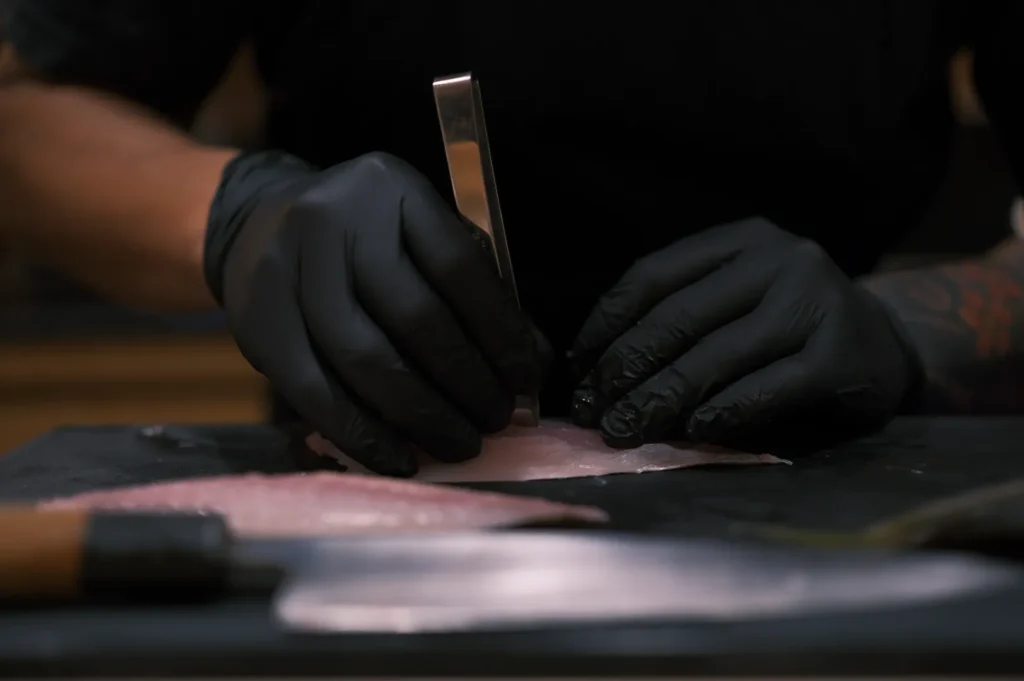
The ethereal qualities of the longtooth grouper are only fully realized when handled with the precision of the Edomae tradition. At Sushi Masa by Ki-setsu, our chef treats each arrival of this high class fish as a momentous event. Sourcing our seafood directly from the most prestigious auctions at Toyosu, we ensure that the kue fish served during our dinner is aged to the exact moment of its peak sweetness.
Within our omakase model, Chef Masa meticulously prepares the fatty cut and the collagen rich skin, inviting guests to witness the transformation of a giant fish into a refined culinary masterpiece. We invite you to join us for an evening where the patience of the sea and the skill of the blade converge on a single, unforgettable plate.