Rush Hour Sushi: Why Lunch Omakase Fails to Capture the True Intimacy and Ritual of the Dinner Counter
There is a quiet magic that settles over an omakase restaurant’s sushi counter as evening approaches. The cypress wood gleams under soft light, the head chef sharpens his knives with practiced grace, and a sense of calm anticipation fills the air. This is the traditional setting for a truly memorable omakase dinner—an unhurried, immersive journey built on trust, fine seasonal produce, and artistry. In recent years, however, a new trend has emerged in many omakase restaurants in Singapore: the lunch omakase menu. It promises a comparable experience, condensed into a midday meal, and often at a more accessible price.
This adaptation has made omakase available to a wider range of diners. But we believe it’s essential to ask what is lost when this time-honored ritual is adapted for the rush of the day. True omakase, especially when it’s sushi omakase helmed by a chef of unwavering passion and skill, is fundamentally an evening experience.
The culinary performance at the dinner counter—where diners witness sushi courses, nigiri sushi, and delicate hot dishes crafted in real time—cannot be abbreviated without sacrificing intimacy, pacing, and detail. The pressure of a lunch omakase service, by its very nature, compromises many of the memorable qualities that define this profound dining tradition.
The Rise of Lunch Omakase Menu: Accessibility vs. Authenticity
The concept of a lunch omakase menu has become popular at numerous Japanese restaurants and newly opened Singapore outposts as a way to expand access to the world of omakase. Business professionals seeking an elevated dining experience during a hectic workday or diners looking for an introduction to omakase often turn to lunch sets, which can be pleasantly priced and offer a good balance of dishes from nigiri to sashimi, and sometimes even dessert. These menus ranging from sushi to hot dishes and seasonal appetisers make the experience approachable and affordable.
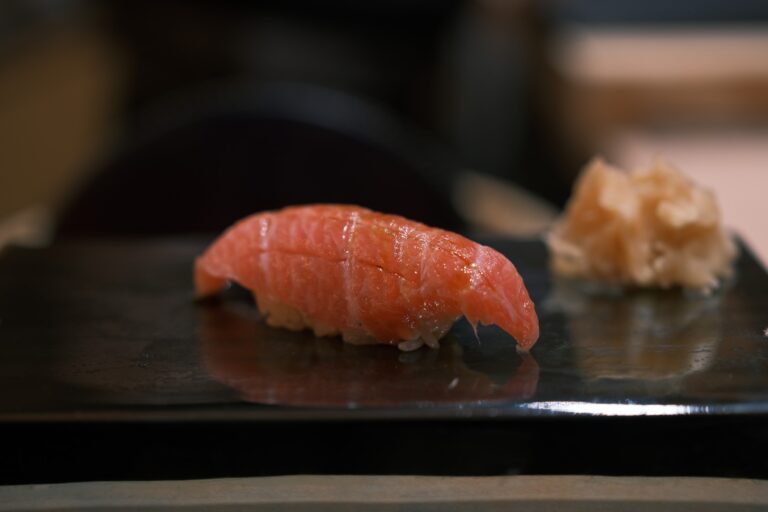
However, this push for accessibility introduces a fundamental tension. The convenience of lunch omakase menus—shorter duration, more appealing price—can shift focus away from the core values that define a traditional omakase dinner.
In Japan, omakase dinners are not just another meal; they are a ritual, a celebration of the chef’s craft, finest ingredients from Toyosu Market, and the time it takes to showcase the full progression of an omakase menu.
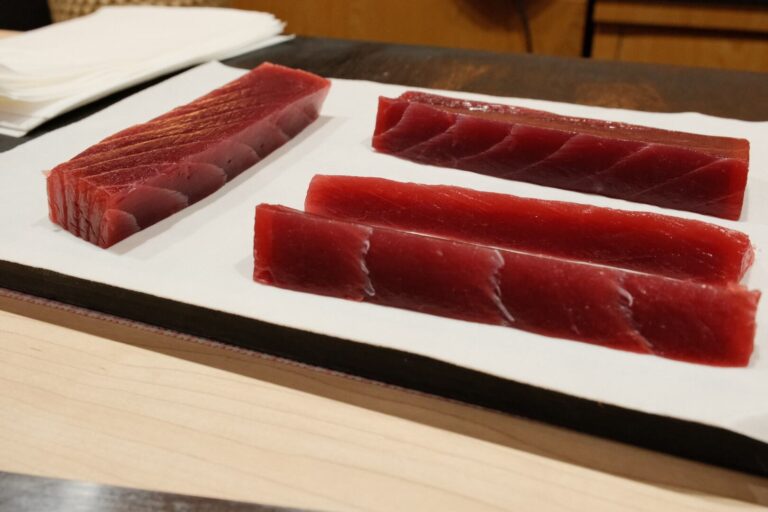
Rush Hour Mentality: How Time Constraints Undermine the Omakase Experience
Perhaps the greatest compromise of a lunch omakase is time itself. As restaurants try to fit omakase menus into the lunch hour, both menu and mindset change for everyone involved—diners and the chef alike.
The Pressure of the Clock
Lunch diners are almost always pressed for time, often juggling meetings and appointments. Even at the best omakase restaurant, this pressure seeps into the experience, shifting the focus from savoring every dish to completing the meal on schedule.
A true omakase dinner, along with its array of sushi courses and rarely seen dishes such as creamy uni or perfectly treated scallop sashimi, is designed to unfold at its own organic pace. The chef closely observes each person at the counter, adjusting the rhythm of the omakase courses, miso soup, and even the serving of green tea or sake to best suit the guest’s pace. These subtle nuances—like the moisture balance of the rice or the delicacy of seaweed—cannot flourish when time is rushed and attention is divided.
Abbreviated Menus and Compromised Storytelling
To fit into midday schedules, many lunch omakase menus are shortened, sometimes offering fewer sushi omakase courses or skipping over the chef’s signature hot dishes and seasonal produce that make a menu special. Instead of the 15 to 18 memorable pieces typically featured in a proper dinner omakase, lunch guests may receive abbreviated menus ranging from 8 to 10 courses. While diners might still enjoy fresh ingredients and a fair share of favorites such as nigiri or tempura, the overall journey is abbreviated.
A proper omakase menu is a story told in chapters, beginning with lighter appetizers, progressing through nigiri sushi, fresh seafood, and sometimes concluding with a delicately balanced dessert. Sea urchin, prized scallop, or rare cuts of fish are often reserved for evening. The result is an experience that lacks the narrative power of a full omakase dinner, forgoing culinary conversation and missed opportunities to be truly impressed or inspired by new produce and technique.
The Sacred Chef-Guest Relationship: Lost in Translation at Lunch
At the heart of any omakase experience is the sacred relationship between chef and diner—especially in an intimate setting like what we create at Sushi Masa. The direct, unspoken communication, the chef’s ability to gauge each guest’s palate and adjust omakase courses accordingly, is what turns a meal into a culinary performance.
Lunch omakase services at some restaurants, by necessity, often sacrifice this connection. Multiple seatings and the pressure to maintain opening hours for lunch sets limit the head chef’s attention and ability to converse or tailor dishes. Thoughtful explanations of seasonal ingredients, the why behind a particular nigiri or the origins of beef or fresh seafood, may be left out. The chef’s focus is diluted, and the opportunity for shared moments and learning diminishes.
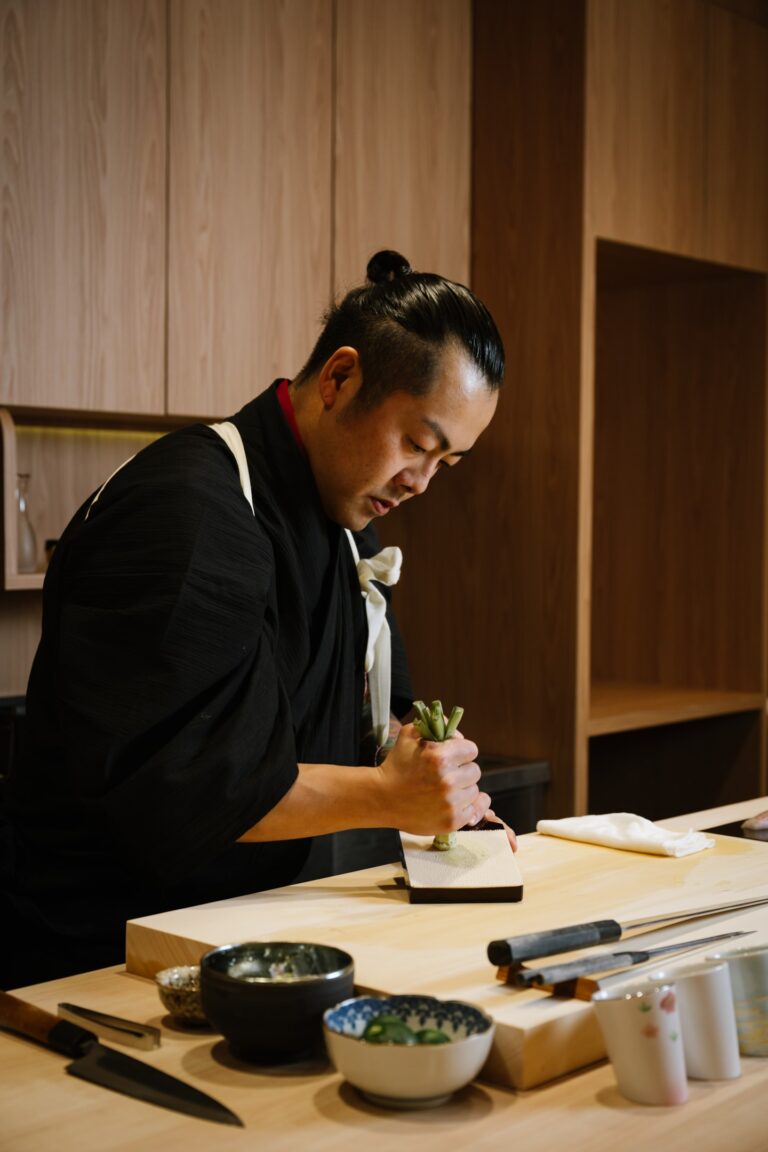
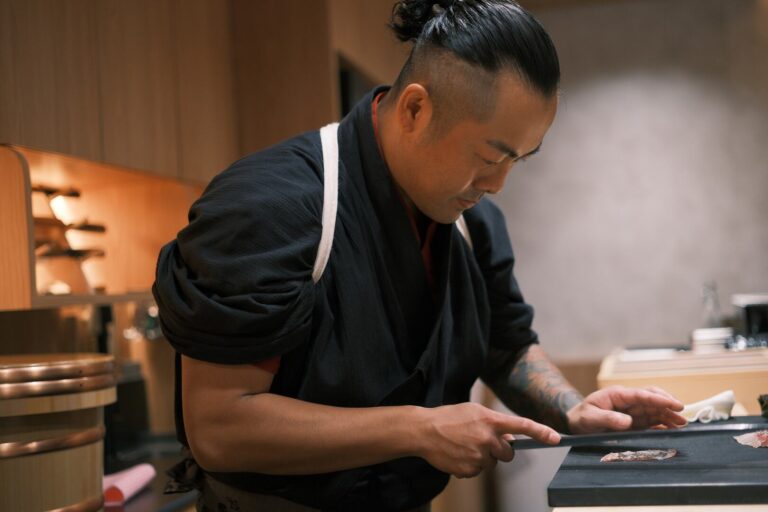
At Sushi Masa, at our Singapore outpost in Cuppage Plaza, Chef Masa believes this relationship to be the soul of hospitality. During dinner omakase, he takes time to attend to every guest, sometimes subtly adjusting a course based on a person’s enjoyment or offering a recommendation for wine, sake, or green tea. This level of attention is nearly impossible during a rushed lunch sitting, even in omakase restaurants with the best intentions.
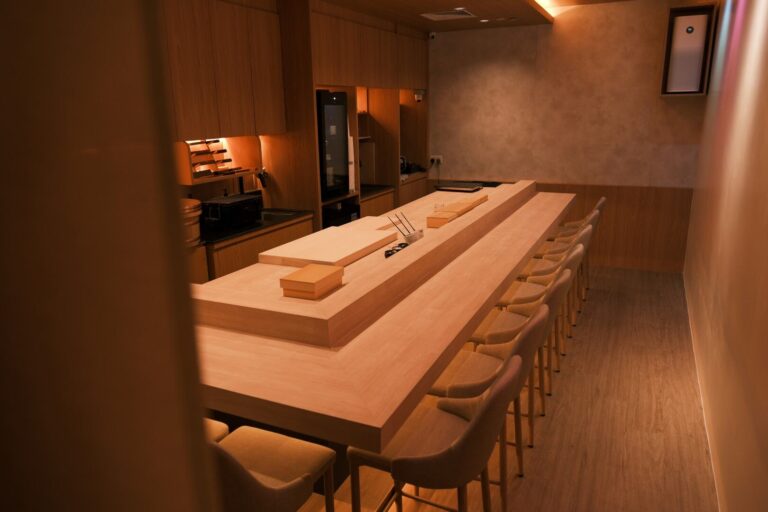
Atmosphere and Ambiance: Why Dinner Omakase Matters
The restaurant setting deeply influences how omakase is experienced. Transitioning from day to night, stepping into a space that’s softly lit and designed for the ebb and flow of conversation, guest anticipation climbs. The pace of evening, the focus a head chef can dedicate, and the willingness of diners to settle in all elevate the omakase ritual.
The Ritual of Transition
Dinner marks a clear transition: guests leave office or daily concerns, and enter a setting curated for relaxation and engagement with food. The evening omakase counter is not just a space to eat, but a place to celebrate—whether for a “first time” diner or someone seeking the most intimate of dining experiences.
Lunch, by contrast, is often just a break. The space might still be bright, filled with ambient city noise, or even shared with diners rushing to finish their meal. This can hinder the sense of intimacy and the focus that omakase’s ritual thrives upon. Even the appreciation of tempura, wine with omakase courses, or a fresh sea urchin nigiri can get lost in the shuffle.
Lighting, Sound, and the Senses
Many dinner omakase restaurants create an environment that respects the importance of all five senses. The gentle soundscape, subtle aroma of heated rice, and the play of light on a freshly served piece of fish all help guests be fully present and enjoy the journey. When these details are overlooked, good balance is hard to achieve.
Lunch omakase restaurants, even with the best intentions, must contend with midday brightness, changing crowd levels, and the desire to serve more people in limited time. The resulting loss of ambiance is more than cosmetic; it has real impact on how memorable the meal and each dish will be.
The Edomae Tradition: A Philosophy Built for Evening
At Sushi Masa, our approach is rooted firmly in the Edomae tradition—one that values precision, patience, and the finest ingredients. Edomae sushi involves classic techniques like aging fish from Toyosu Market, curing with salt or vinegar, and hand-forming nigiri at just the right moment.
These processes are naturally time-consuming, relying on the chef’s experience, the season’s best produce, and constant attention to temperature and texture. Serving a sushi course or hot dish at the wrong time can change how the guest tastes its nuances; the creamy flavor of uni, the subtle sweet scallop, or the perfectly al dente rice can all shift with even five minutes of delay.
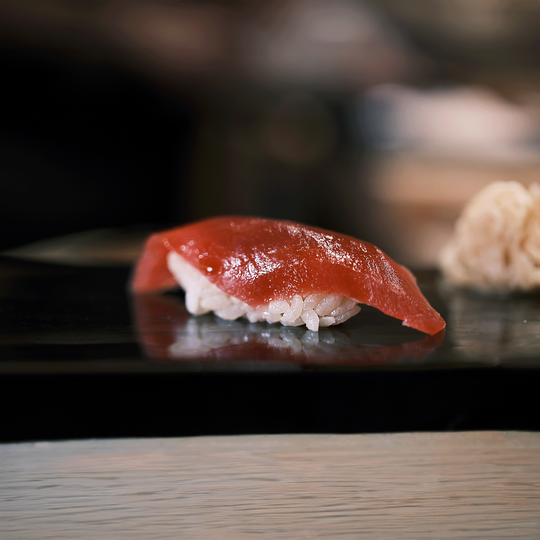
Dinner-only service provides the necessary time and space for these techniques to shine. Each meal is a chance to showcase the freshest seasonal produce, sourced daily and handled without compromise. It’s a strong reason our omakase restaurant stands by the dinner counter as the stage for our most intimate and impressive presentations.
Why Sushi Masa Chooses Dinner-Only Service
Our intentional choice to offer only dinner omakase is built on a simple philosophy: to provide the most authentic, memorable omakase experience possible. This is not about exclusivity for its own sake; rather, it’s about honoring the tradition and the guests who trust us with their time and anticipation.
By dedicating the day to preparation and focusing on evening service, we can ensure that our chef—never a team of chefs, but one passionate head chef—delivers each omakase menu with the respect and care it deserves. Whether preparing delicate appetisers, presenting creamy uni, or carving fresh nigiri sushi, Chef Masa’s unwavering attention never wavers across the omakase courses. Guests can see, taste, and feel this devotion from beginning to dessert.
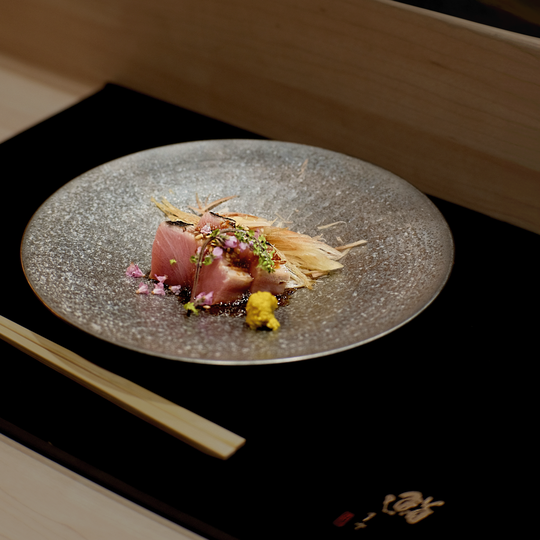
What True Omakase Offers: An Evening to Remember
The rewards of a true omakase dinner go beyond the list of dishes. When diners surrender the evening to a full omakase course, they enjoy a progression of sushi, sashimi, hot dishes, and delicately plated desserts, each course highlighting seasonal produce and the chef’s artistry. Conversations about the origin of a rare fish, the texture difference in ganko sushi, or a chef’s inspiration for a new dish create a dining experience that lingers long after the meal.
Guests are encouraged to indulge with all five senses, tasting both subtlety and boldness, and receiving explanations from the chef whose passion for quality has been honed over years. Whether enjoying a warming bowl of miso soup, the first bite of creamy sea urchin, or a piece of carefully aged nigiri, diners can expect to be pleasantly surprised by the chef’s love for fresh ingredients and his commitment to every single plate served.
Beyond the Bargain: Experience Omakase as It Was Meant to Be
The emergence of the lunch omakase menu has made a fine-dining tradition accessible to many. While there is value in omakase restaurants providing this introduction to the art, it’s crucial to recognize what is compromised in the rush: the ritual, intimacy, and artistry that make omakase truly unique. The tradition of the dinner omakase is no accident. In Japan and reputable Singapore restaurants alike, omakase was always meant as a journey, showcasing seasonal ingredients, precise technique, and the evolving connection between chef and guest.
This is the core philosophy we uphold at Sushi Masa by Ki-Setsu—a dedication to preserving the intimacy and unhurried beauty that only evening service can provide.