There is a quiet question that many diners find themselves asking before booking an omakase experience: does it matter whether you go for lunch or dinner? On the surface, both seem to offer the same concept, a seasonal tasting menu based entirely on the chef’s expertise. But beneath that shared philosophy, the differences between a lunch omakase and a dinner omakase are more significant than most people realise. Understanding them can shape not only what ends up on your plate, but the depth of the entire experience.
At Sushi Masa by Ki-Setsu, known as one of the best omakase Singapore offers, we serve a dinner omakase exclusively, and that choice is deeply intentional. This article walks you through why lunch and dinner omakase differ across the industry, and why that distinction matters to anyone who values authentic Japanese restaurants and Japanese cuisine done properly.
What Lunch Omakase Menu Typically Looks Like

Across many popular omakase restaurants in Singapore, a lunch omakase menu is designed with accessibility in mind. It often features fewer courses, typically 8 to 12 lunch courses, a condensed selection of seasonal sushi and sashimi, and a reasonable price point to attract diners during midday hours.
Lunch menus emphasize precision and balance, allowing diners to enjoy a lighter, more relaxed atmosphere while still experiencing premium sushi and fresh ingredients. A good omakase lunch can still be a genuinely enjoyable dining experience, offering a taste of the chef curates and the seasonal tasting menu based on the freshest seafood available without the full commitment of a dinner sitting.
That said, the tradeoffs are real. Lunch omakase menus are often built around ingredients already available at the start of the day or prepared in advance to manage kitchen workflow across two seatings. The pacing tends to be faster, and the overall arc of the meal, from the first seasonal appetiser to the final sushi courses, is more compressed.
For diners who are new to omakase dining, lunch can serve as a useful introduction. It also provides affordable omakase options, allowing diners to enjoy premium sushi at a more approachable price. But for those who wish to experience the full depth of what a chef’s expertise can offer, dinner is where that conversation truly begins.
The Case for Dinner Omakase Menu

A dinner omakase menu operates under a different set of conditions entirely. With more time, a single focused seating, and access to the day’s freshest seasonal ingredients, the chef is able to build a more considered and expressive meal. The dinner service is not simply a longer version of lunch. It is a different mode of dining altogether.
At Sushi Masa by Ki-Setsu, the reason we do not offer a lunch omakase comes down to one thing: quality. Our premium ingredients, including seasonal sushi and delicacies like foie gras, are flown in daily from Tokyo’s Toyosu Market, arriving fresh each morning. Lunch hours are when Chef Masa prepares, inspects, and primes every component for the evening. That preparation is not a formality. It is an essential part of delivering a dinner omakase experience where every piece of nigiri sushi, every cut of seasonal sashimi, and every hot dish is served at its absolute peak.
Why Timing Changes the Ingredient Story
Premium seafood is acutely time-sensitive. Fish from Toyosu that arrives in Singapore in the morning needs time to rest, to be portioned correctly, and in some cases to be aged briefly under specific conditions before it reaches the right temperature and texture for omakase. Many diners are unaware of just how much invisible preparation precedes a single piece of fatty tuna placed before them. When a dinner omakase is built around this kind of sourcing discipline, the results speak for themselves.
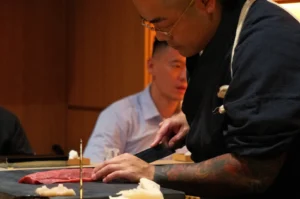
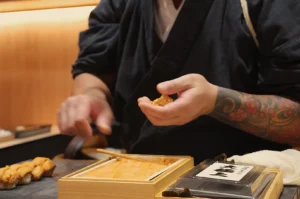
Restaurants that run both lunch and dinner seatings face a genuine challenge in preserving this standard across both services. Compromises, however small, tend to accumulate. At Sushi Masa by Ki-Setsu, Chef Masa dedicates the full day to preparation so that by the time guests are seated at our intimate eight-seat sushi counter, the omakase is ready to perform at its best.
How the Courses Differ

One of the clearest distinctions between lunch and dinner omakase lies in the structure of the omakase courses themselves. A lunch omakase menu across many establishments might offer eight to twelve courses, focusing primarily on sashimi and sushi. It is efficient and often well-executed, but the range of expression is naturally limited.
A dinner omakase menu tends to span a greater number of courses, often 15 to 20 or more, and incorporates more variety in technique and temperature. With us, the evening unfolds with a light soup at the start, not a heavy shellfish-based broth, but a delicate dashi that cleanses the palate and prepares it for what follows.
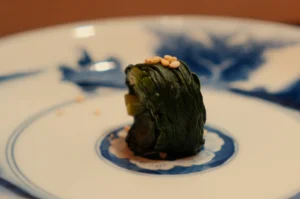
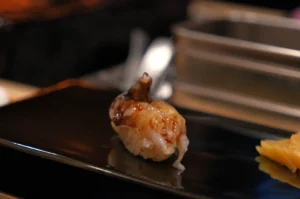
This is succeeded by seasonal appetisers, then a procession of seasonal sashimi, sushi courses, nigiri sushi featuring premium seafood such as fatty tuna, sea urchin, and specially prepared foie gras, and carefully executed hot dishes. Towards the later stages of the meal, a clam miso soup is served, offering a warm and grounding contrast to the richness of the preceding courses.
The Role of Hot Dishes in a Dinner Omakase
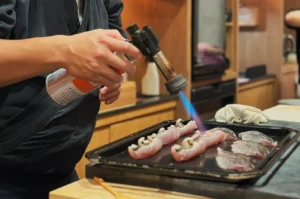
Hot dishes are rarely featured in a lunch omakase menu to any significant degree. The preparation time and kitchen resources required to execute them properly make them better suited to a dinner service. In a Japanese dining style built around Edomae principles, as practised by Chef Masa, cooked dishes are not an afterthought. They are an opportunity to demonstrate technical range, whether through a delicately warmed preparation of seasonal fish or a precisely timed hot dish that complements the overall progression of the meal.
Price, Value, and What You Are Actually Paying For

It is true that a dinner omakase in Singapore typically carries a higher price than a lunch omakase. Lunch omakase prices often range from $68 to $198, while premium sushi omakase dinners can cost $228 or more. Omakase in Singapore typically ranges widely, from $80 to $500+ per person depending on the restaurant tier and ingredients. Entry-level omakase usually starts around $80–$120, making lunch omakase an accessible option for many.
But it is worth considering what that difference represents. A dinner omakase menu at quality establishments reflects the cost of premium ingredients, the labour-intensive preparation involved, the exclusivity of limited seating, and the singular attention of the chef throughout service.
At affordable omakase options, the lower price often correlates with a reduced ingredient budget, a higher turnover of diners, or a more standardised approach to the menu. There is a place for that in the market. But for those seeking a memorable dining experience grounded in authentic Japanese craftsmanship, the dinner omakase represents something more aligned with what omakase was always intended to be: a complete and personal expression of the chef’s skill on that particular day.
Why the Setting Shapes the Experience

Beyond the food itself, the atmosphere of a lunch omakase and a dinner omakase can feel remarkably different. Lunch seatings at many omakase restaurants occur in the full bustle of midday, with diners often on time constraints from work. The dining experience, however good the food, can feel interrupted.
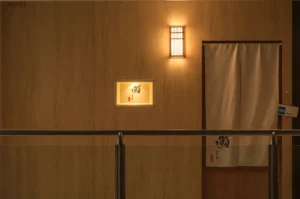
Dinner invites a slower pace. Guests arrive ready to settle in, to observe, and to be present with the meal unfolding in front of them. At Sushi Masa by Ki-Setsu, with just eight seats and a discreet, intimate setting at Cuppage Plaza, the dinner service creates the kind of focused environment where Japanese omakase can be appreciated fully. This is not incidental. Chef Masa has built the format around the belief that a good omakase should never feel rushed, and that every guest deserves the full weight of his attention.
Choosing the Right Omakase Dining Experience for You

If you are new to omakase dining and working within a tighter budget, exploring a lunch omakase at various Japanese restaurants can be a worthwhile starting point. It offers a genuine introduction to Japanese fine dining without the full commitment of a dinner service.
But if you are looking for the complete experience, for premium sashimi, exceptional nigiri sushi, thoughtfully structured omakase courses, and the depth of a meal guided from start to finish by a chef who has sourced every ingredient that morning, dinner is the only answer. The lunch vs dinner omakase question is, at its heart, a question about what kind of experience you want to walk away with.
At Sushi Masa by Ki-Setsu, that answer has always been clear. We invite you to join us for dinner, to sit at the counter, and to let Chef Masa take care of the rest.
Sushi Masa by Ki-Setsu is located at #06-03, Cuppage Plaza, Singapore. Dinner seatings are available Tuesday to Saturday, with private bookings on Sundays. Reservations can be made through our website at kisetsu.com.sg.