Some meals ask for your attention. This one asks for your trust.
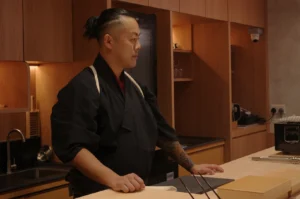
At the counter, before the first piece arrives, there is a pause. A quiet moment where the noise of the day settles. This is where Chef Masa’s philosophy begins, not with technique, but with intention. His approach to omakase rests on a simple belief: fine seafood, treated with care, does not need to be dressed up. It needs to be understood.
What follows is a way of thinking about food that favours balance over excess. Clear flavours. Thoughtful pacing. Ingredients allowed to speak for themselves.
Seasonality as the Starting Point
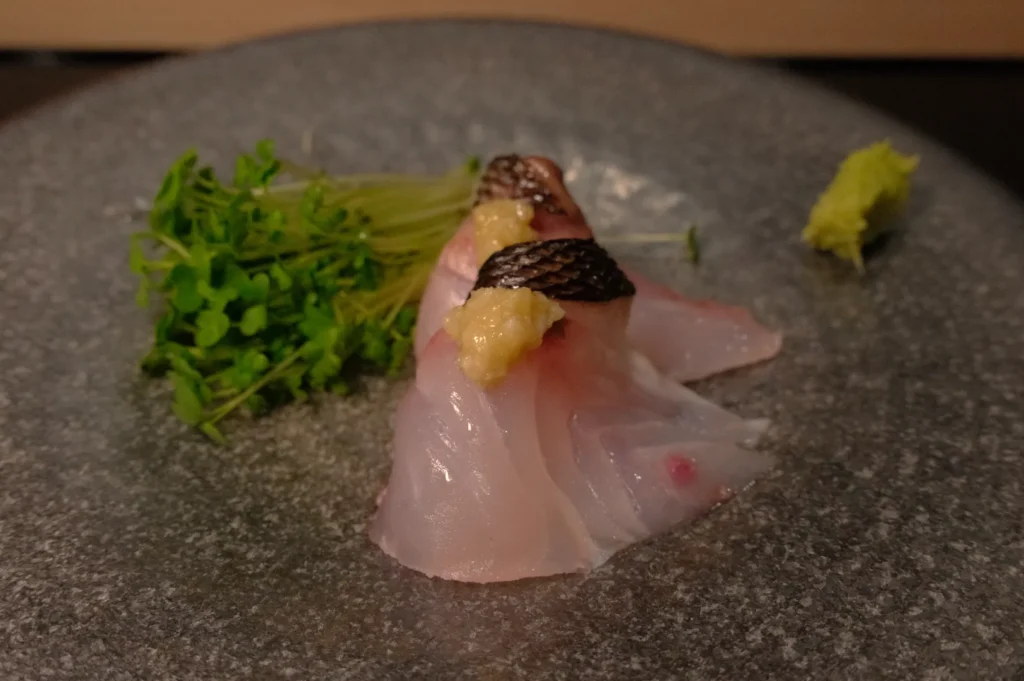
In Japanese cooking, there is a word that guides everything: shun. It describes the brief window when an ingredient reaches its peak: when a fish carries the most fat, when its flesh holds the truest flavour.
Chef Masa builds his craft around this idea. Rather than fixing a menu and forcing ingredients to fit, he follows the season and lets it lead. Early summer might bring lean, bright aji. Winter brings the deep richness of buri.
The result is a table that changes with the calendar. Nothing arrives out of time. Each piece reflects a specific moment, caught at the point where flavour is fullest. Seasonality is not a theme here. It is the foundation.
The Discipline of Restraint
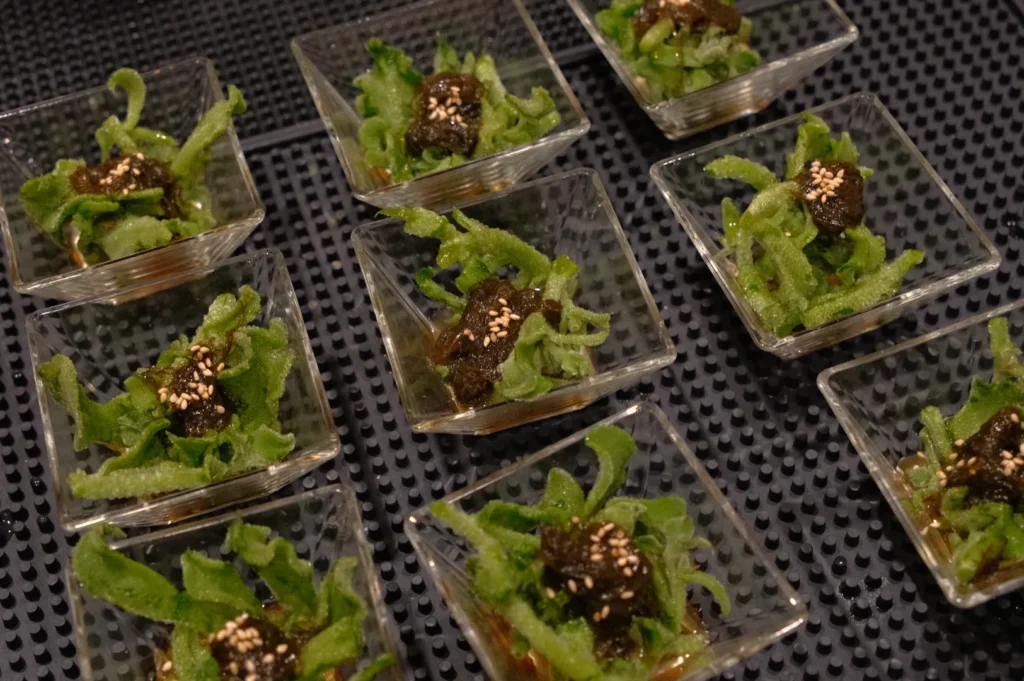
There is a common instinct to add more sauce, more garnish, more flourish. Chef Masa moves in the opposite direction.
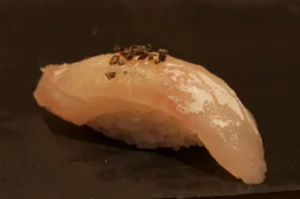
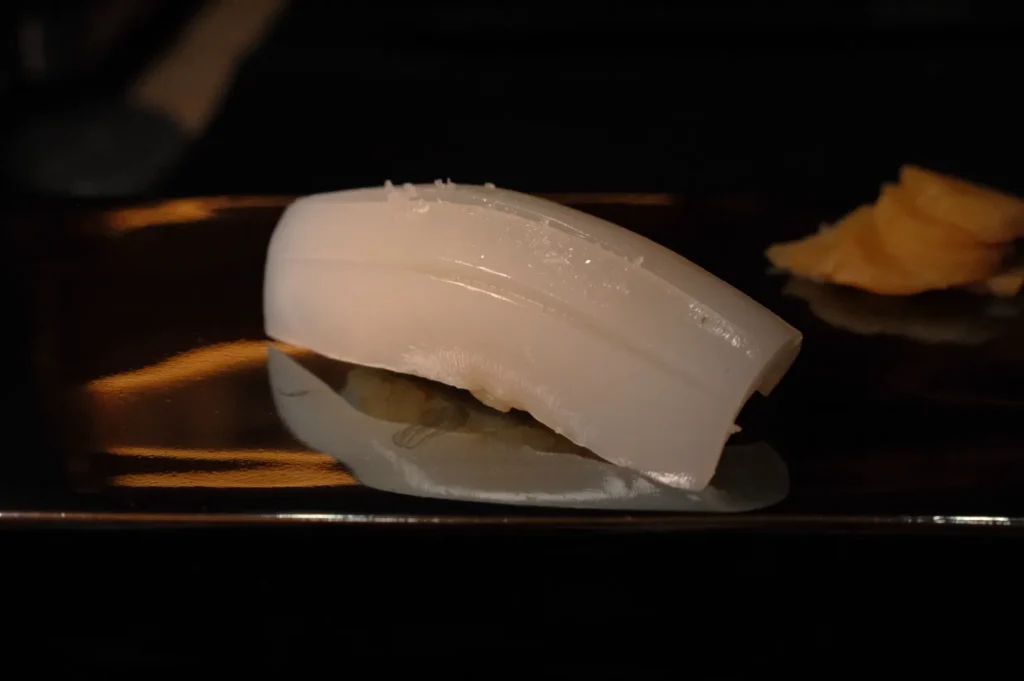
His belief is that quality ingredients should not be overworked. A scallop dressed only in salt. A slice of fish left close to its natural state. When seafood is this good, intervention becomes a kind of interference.
Restraint, in his hands, is not the absence of skill. It is the highest form of it. Knowing when to stop takes as much judgement as knowing what to do. Every decision to leave something alone is a decision made with care.
This is where his style becomes clear. Balance, not abundance. Precision, not spectacle.
Precision in Every Gesture
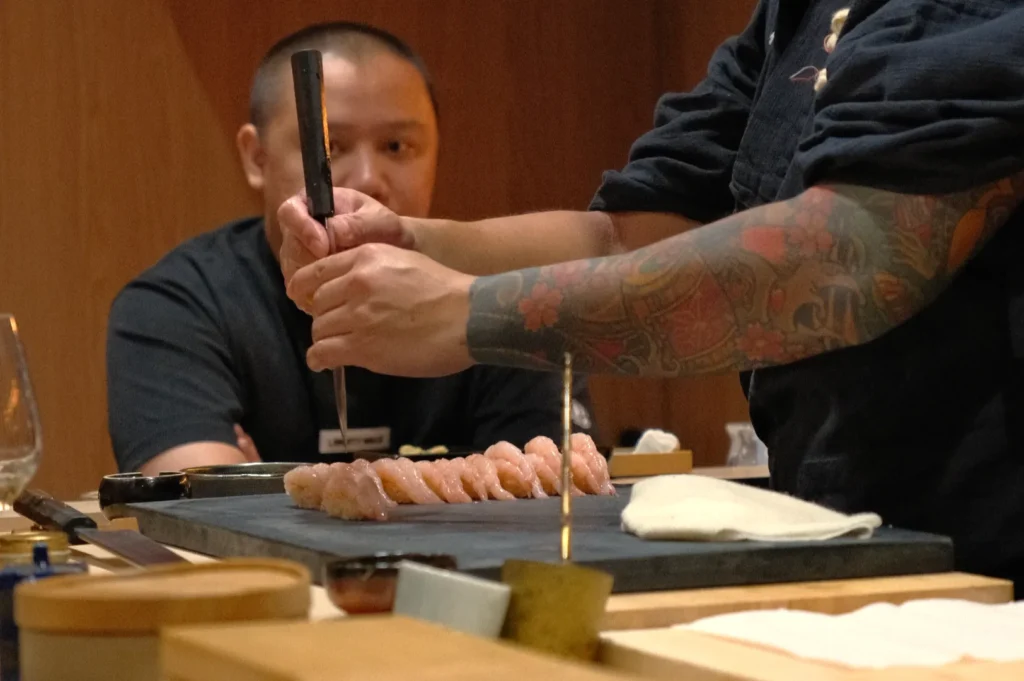
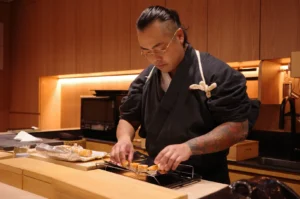
Watch closely and you notice the economy of movement. No wasted motion. The knife slides once, cleanly. The rice is shaped in a few practised presses, warm, loose enough to fall apart on the tongue, firm enough to hold its form.
Temperature matters. Timing matters. A piece served a moment too early or too late loses something.
This precision extends to preparation you never see. Rice seasoned to strike the right balance of tang and sweetness. Wasabi grated fresh, its heat clean and short-lived. These details are quiet, but they hold the whole experience together.
Respect for Technique, Freshness, and the Sea
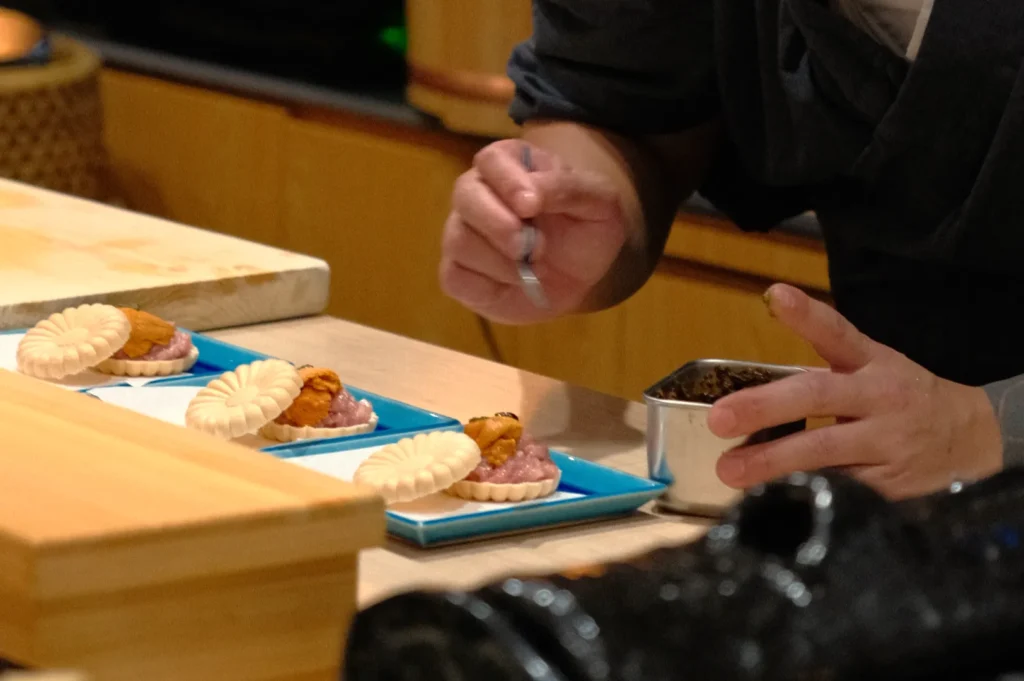
Behind the calm sits a deep respect for Japanese tradition. The methods Chef Masa uses have been refined over generations: curing, ageing, grilling over binchotan. He honours them not out of habit, but because they work.
Freshness anchors it all. Seafood is chosen for its condition, not simply its name. The clean scent of the ocean, the firmness of the flesh, the way light catches the surface, these are the signs that guide selection.
You can read more about how these ideas take shape in omakase at Sushi Masa by Ki-setsu, where technique and season meet at the counter.
How the Philosophy Lives at Sushi Masa
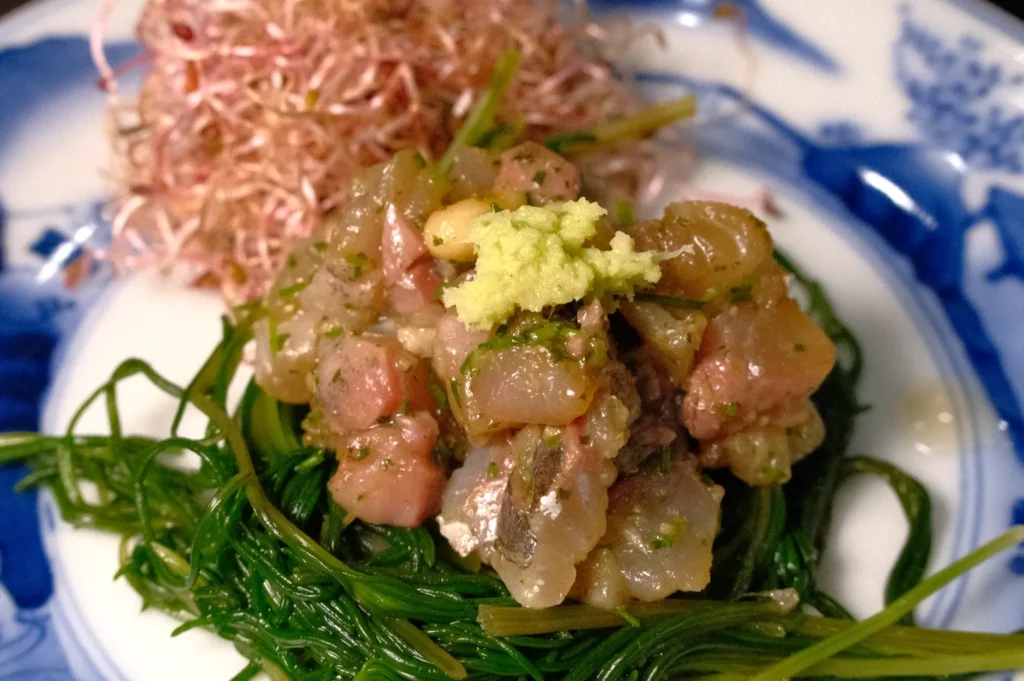
A philosophy means little until you can taste it. At Sushi Masa by Ki-setsu, every choice reflects the thinking behind the food.
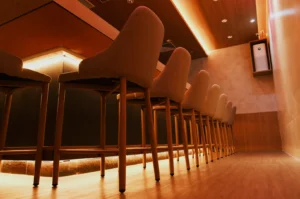
The room holds only eight seats. This is deliberate. A small counter allows Chef Masa to watch, gauge, and respond to each guest. There is presence here, no distraction, no crowd, only the exchange between chef and diner.
Service runs dinner-only. The evening has its own rhythm, unhurried and complete. Each course arrives when the moment is right, building a sequence rather than a series of separate plates.
Seasonal Seafood, Sourced from Japan
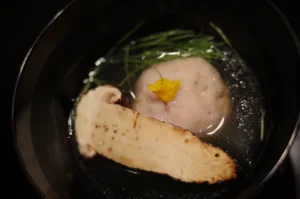
The seafood arrives from Japan, chosen for the season and flown in to preserve its condition. Nothing is generic. A piece of nodoguro, its skin lightly grilled to release its natural oils. A cool slice of sashimi followed by the gentle warmth of a simmered dish.
Ingredients from Japan set the tone, and the season decides the story. What you eat one evening may not appear the next. That is the point.
A Setting That Matches the Craft
You will find Chef Masa from Sushi Masa by Ki-setsu at Cuppage Plaza, on a floor that keeps the outside world at a distance. The location is understated, and that suits the food. There is no showmanship at the door, only a quiet space where craft is given room to breathe.
Balance, from First Piece to Last
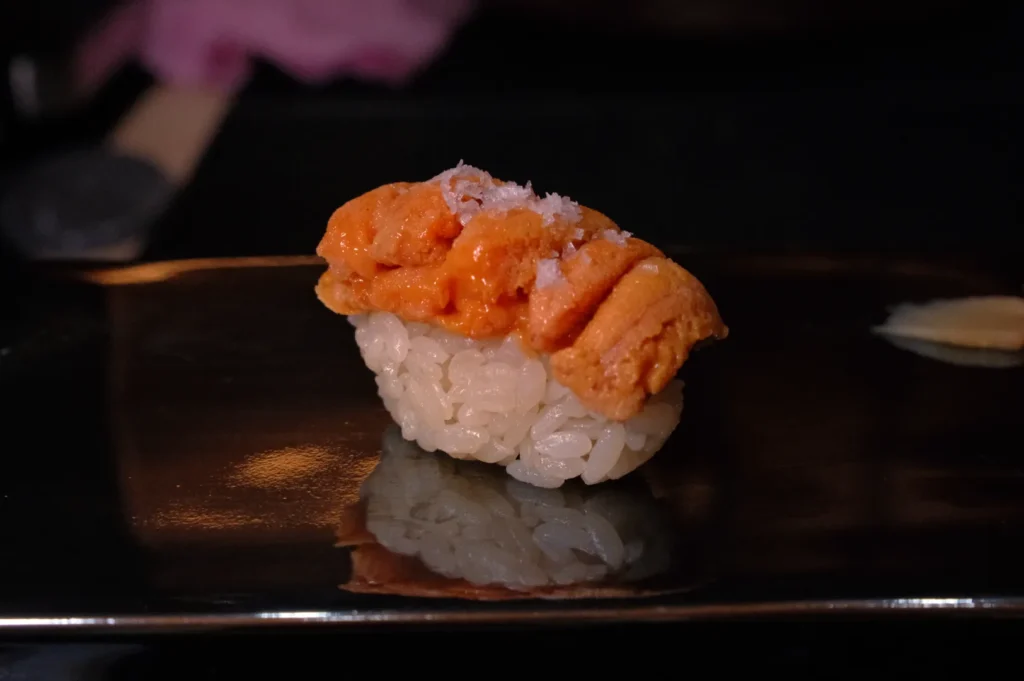
Chef Masa’s philosophy comes down to a few clear ideas. Follow the season. Handle each ingredient with restraint. Move with precision. Trust the fish to carry itself.
The experience is not about excess. It is about clarity, flavours that stay true, pacing that lets each moment land, and technique that serves the ingredient rather than overshadowing it.
If you value craft over spectacle, this is a table worth taking your time at. Reserve an evening, take a seat at the counter, and let the season lead.