Murasaki Uni: Why is it the Preferred Choice of Master Sushi Chefs?
In the high-stakes theater of Edomae sushi, where the difference between a good meal and a transcendent experience is measured in millimeters and degrees Celsius, few ingredients command as much reverence as murasaki uni.
While the casual diner might see only a vibrant dollop of orange or yellow atop a mound of vinegared rice, the connoisseur recognizes a complex marine miracle. Known scientifically as Heliocidaris crassispina, the purple uni serves as the structural foundation for high-end sushi repertoires throughout Japan and the rest of Asia.
To understand why master chefs prioritize this specific sea urchin, one must dive into the cold depths of the Pacific and the meticulous logistics of the Toyosu Market.
The Biological Distinction: Murasaki vs. Bafun
The world of uni is primarily divided into two titans: Murasaki uni and Bafun uni. While both are highly prized, they occupy different niches on the palate and the plate.
Murasaki Uni (Purple Sea Urchin)
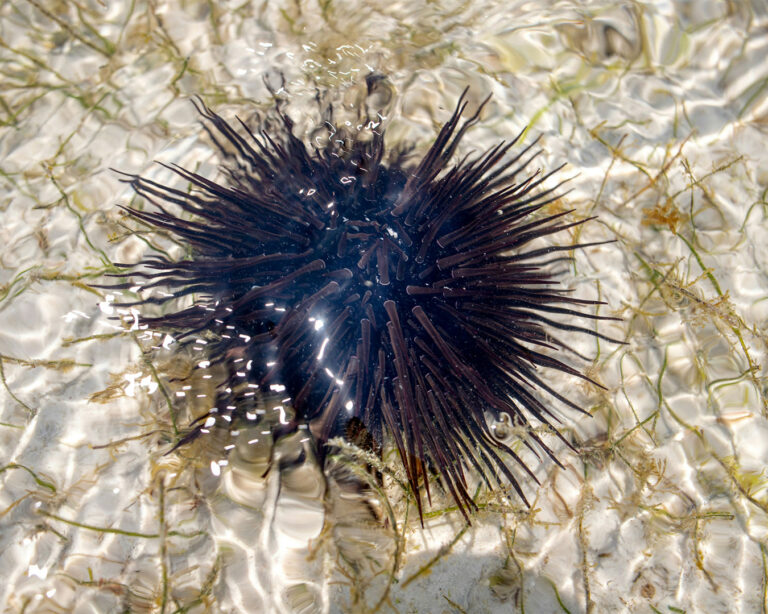
Identified by its long, dark purple spines and larger shell, murasaki uni is the “elegant” sibling. It is commonly found in the warmer waters of the southern parts of Japan, though the highest quality specimens are often harvested from the nutrient-rich currents of Hokkaido.
- Appearance: The lobes (gonads) are elongated, often reaching the size of a thumb.
- Color: A pale, mustard-yellow colour.
- Flavor Profile: Milder, cleaner, and significantly lighter than its counterparts.
- Texture: Remarkably creamy texture that melts instantaneously in the mouth.
Bafun Uni (Horse Dung Sea Urchin)
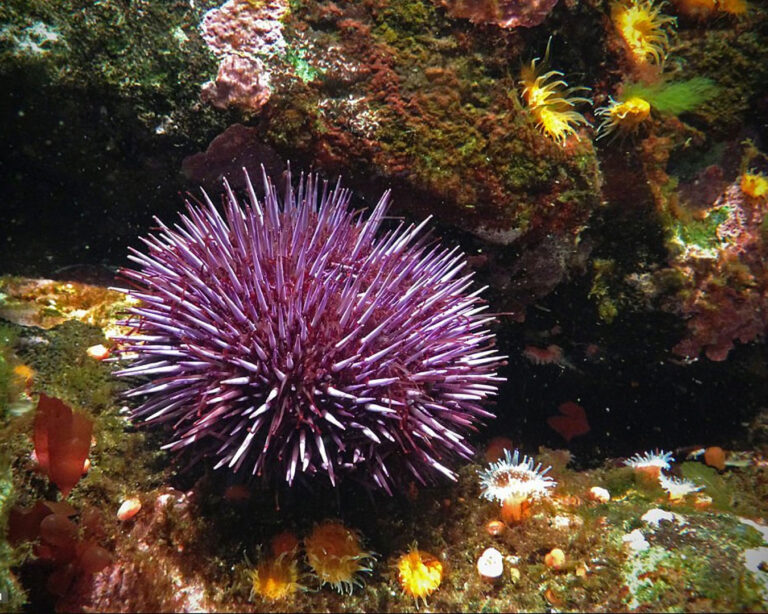
In contrast, Bafun uni is smaller, with shorter spines. It is typically found in deeper, colder waters.
- Color: A deep, intense orange-red.
- Flavor Profile: Exceptionally rich and sweet, often described as having an “oceanic” punch.
| Feature | Murasaki Uni | Bafun Uni |
| Scientific Name | Heliocidaris crassispina | Strongylocentrotus intermedius |
| Primary Season | June to August | December to April |
| Lobe Size | Large, elongated | Small, compact |
| Taste | Delicate, refined sweetness | Intense, umami-forward |
| Best For | Sashimi, Nigiri | Pasta, Risotto, Sauces |
The Alchemy of Umami: Why Chefs Choose Purple Uni
The preference for murasaki uni among master chefs boils down to balance. In the context of a 20-course omakase meal, an overly aggressive ingredient can fatigue the customer’s palate.
The "Melting" Point
Murasaki uni possesses a high fat content that remains soft even when chilled. When consumed, the texture does not require chewing; it simply dissolves, coating the tongue in a sweet, buttery film. This creamy texture acts as a bridge between the acidity of the shari (sushi rice) and the savory notes of the soy sauce.
Subtle Sophistication
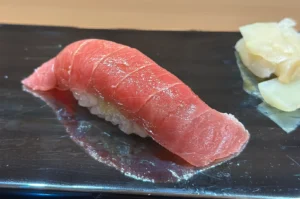
Because the flavor is milder, it allows the natural umami of the sea to shine without overwhelming the delicate white fish (sashimi) that might precede it. It is often served as a climax to the nigiri sequence—a perfect transition into the richer, fattier cuts of tuna.
The journey of a box of highest quality uni is a race against time. Unlike fish that can be aged to enhance flavor, sea urchin begins to degrade the moment it leaves the water.
The Air-Flown Standard
In culinary hubs like Singapore, the demand for air-flown directly ingredients has transformed the supply chain. For a meal to reach the sushi counter in peak condition, it must be processed and packed within hours of harvest.
- Harvesting: Diver-caught in the southern parts or Hokkaido.
- Cleaning: The shell is cracked, and the lobes are meticulously removed. They are cleaned in a salt-water solution that mimics the salinity of the sea.
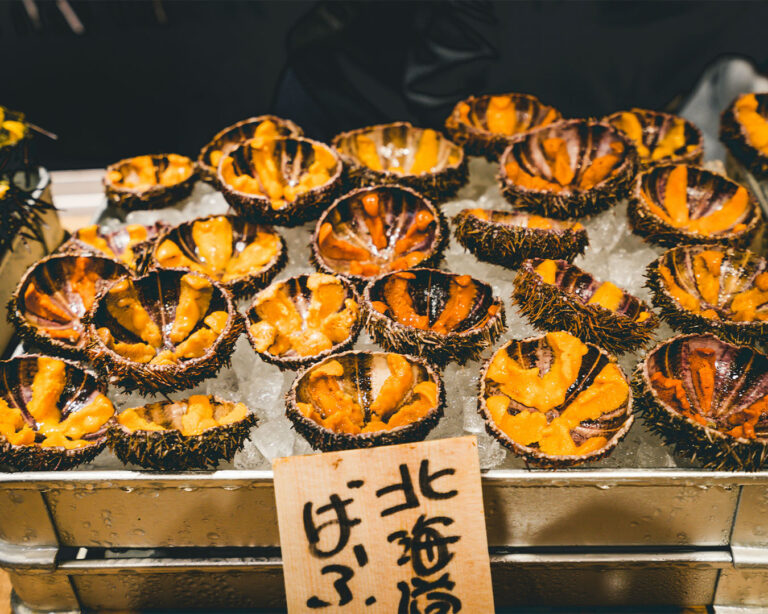
- Arrangement: The uni is placed in wooden boxes (geta) in a precise arrangement to prevent the soft lobes from bruising.
- Delivery: The boxes are packed with ice packs and air-flown to global markets.
- Timing: Ideally, the uni is eaten within two days of arriving at the Toyosu Market.
The Perils of Processing
Lower-grade uni is often treated with alum (a mineral salt) to maintain its shape and firm appearance. However, too much alum can leave a bitter aftertaste. Master chefs will only order and serve uni that has been minimally processed, ensuring the mouth experiences only the pure, delicate sweetness of the sea.
Seasonality and the June Peak
While modern technology allows for year-round delivery, the true season for murasaki uni is a narrow window. June marks the beginning of the prime harvest in many regions. During this time, the sea urchin has reached its peak weight and nutrient density before spawning.
When consumed during the peak season, the difference is undeniable. The lobes are firm yet creamy, and the sweet notes are at their most intense. For many restaurants, this is the only time of year they will sale certain premium dishes, as they refuse to compromise on the quality of the stock.
Identifying Quality: A Guide for the Connoisseur
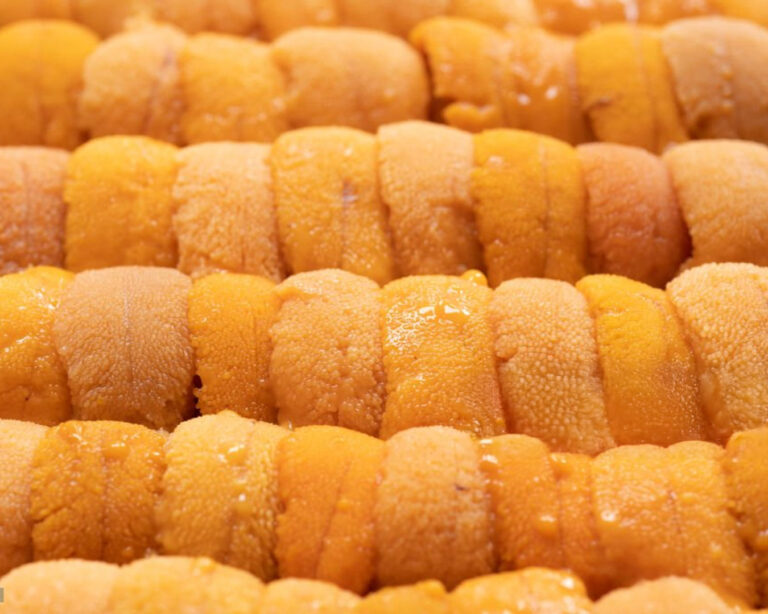
When a customer is presented with a tray of uni, there are specific visual cues to look for:
- Definition: Each lobe should be distinct. If the uni looks like a mushy “paste,” it is likely old or has been handled poorly.
- Glisten: High-quality uni should have a slight sheen, indicating it hasn’t dried out.
- Dryness: There should be no liquid pooling in the corners of the box.
- Uniformity: The color should be consistent across the entire arrangement.
“The soul of the uni is found in its fragility. To serve it is to respect the fleeting nature of the ocean’s bounty.”
The Culinary Versatility of Murasaki Uni
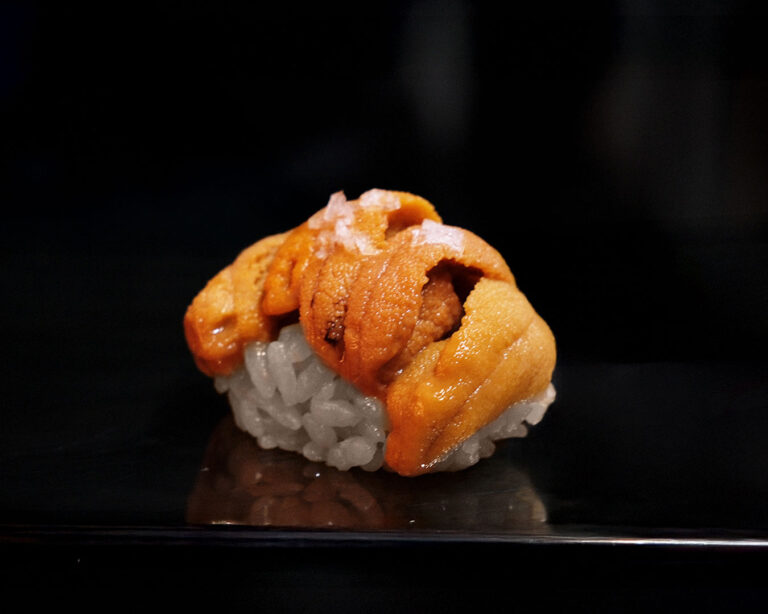
While commonly served as nigiri, the murasaki variety has found its way into modern Japanese cuisine through various innovative dishes.
Uni Pasta
The creamy nature of murasaki makes it an ideal base for a high-end pasta. When whisked into a light dashi or butter sauce, it emulsifies into a rich, golden coating that clings to the noodles, providing a rich mouthfeel without the heaviness of dairy.
Temaki (Hand Rolls)
In many traditional establishments, a perfect meal concludes with a hand-rolled cone of crisp nori, warm rice, and a generous portion of murasaki uni. The contrast between the crunchy seaweed and the soft, melting uni is a hallmark of the sushi experience.
The Myth of Frozen Uni
One must never confuse fresh murasaki with frozen alternatives. Freezing destroys the cellular structure of the sea urchin, leading to a complete loss of that signature creamy texture. Once defrosting occurs, the uni becomes watery and loses its intense umami. Authentic chefs would rather remove the item from the menu than serve a product that has been frozen.
The Art of the Omakase Experience
At the heart of the sushi world is the relationship between the chef and the customer. When a diner sits at the counter, they are placing their trust in the chef’s ability to source the highest quality stock from the middle of the world’s most competitive seafood markets.
The advance preparation required, from monitoring delivery schedules to the delicate cleaning of the lobes, is a testament to the dedication required in Japanese cuisine. Every piece of murasaki uni that melts in your mouth is the result of centuries of tradition and a global logistics network that operates with surgical precision.
Experience the Excellence of Murasaki Uni
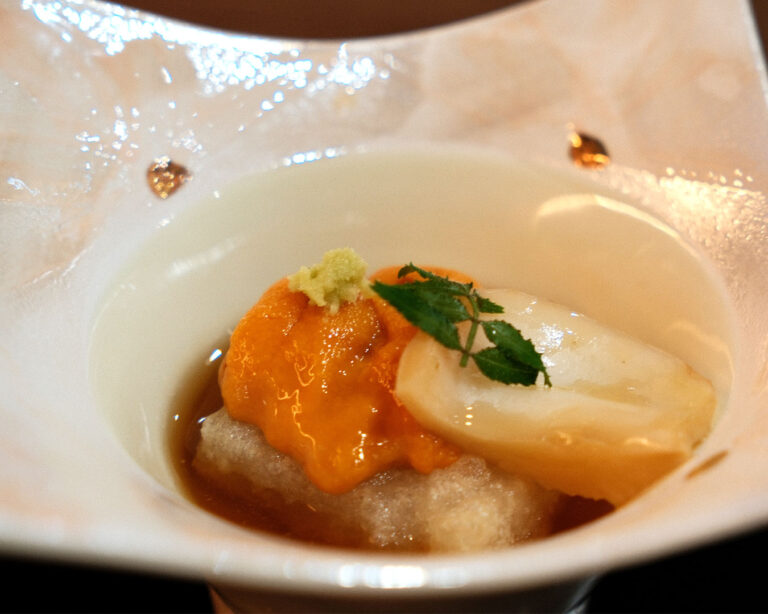
At Sushi Masa by Ki-setsu, we invite you to witness the pinnacle of Edomae tradition through our meticulously curated dinner service. Our chef personally oversees the selection of every ingredient, ensuring that only the highest quality murasaki uni, air-flown directly from the Toyosu Market, reaches your plate. By adhering to a strict omakase model, our chef preserves the integrity of each season, presenting a seafood-focused narrative that honors the natural umami and delicate sweetness of the ocean.
We welcome you to join us for a dinner where the art of the sea is served with unwavering precision and grace.