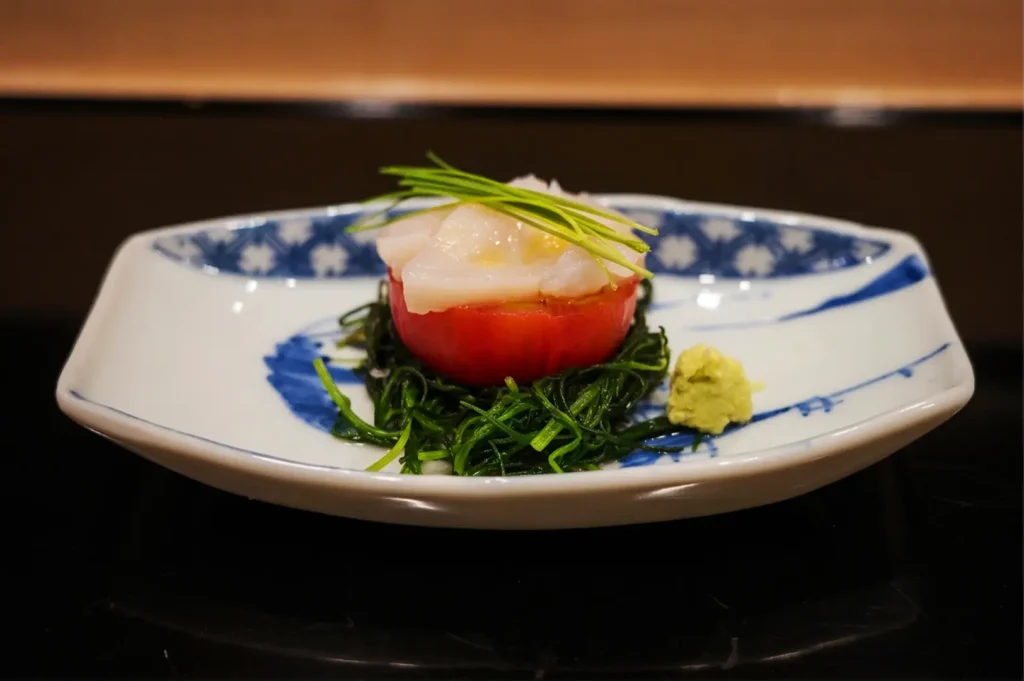
Some ingredients announce themselves. Others work quietly in the background, lifting everything around them. Negi belongs firmly in the second group. It rarely takes centre stage, yet remove it from a bowl of noodles or a pot of broth and the whole dish feels oddly unfinished.
At Sushi Masa by Ki-Setsu, we have long admired ingredients that do their work without fuss, a belief that runs through our Japanese omakase Singapore dining experience, and negi may be the finest example in the Japanese kitchen. Here is what makes it so essential.
Negi: The Allium Japan Cannot Do Without
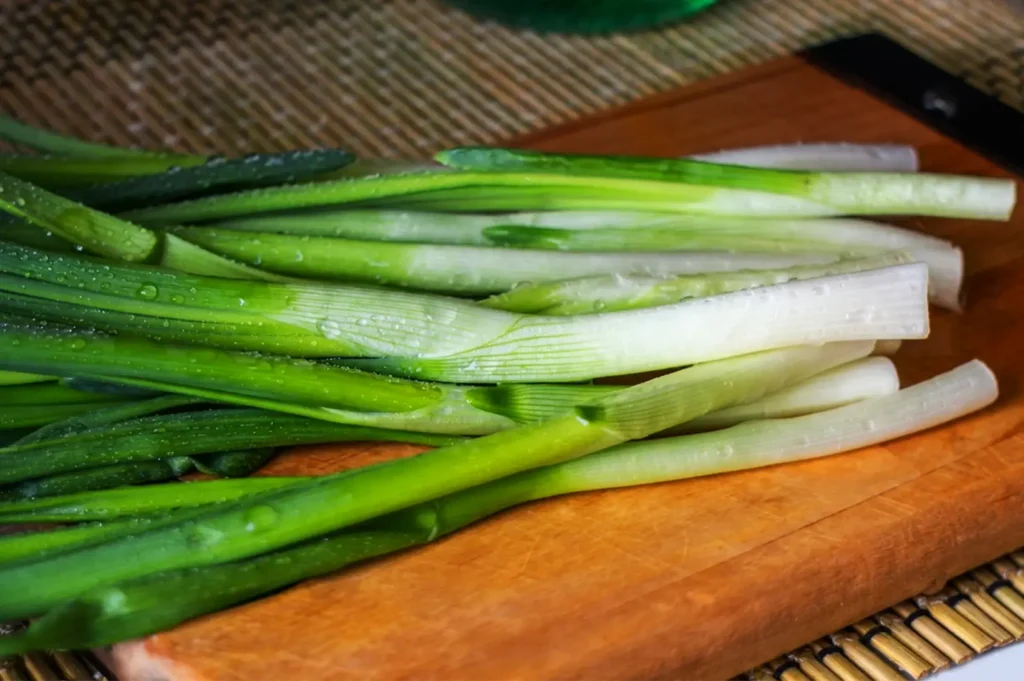
Negi is the Japanese name for a long, slender onion that grows in tall, tidy stalks. Botanically, it is Allium fistulosum, often called the Welsh onion in English, though the name has nothing to do with Wales. It is cultivated across Japan and forms part of everyday cooking, from humble home kitchens to refined dining rooms.
What sets negi apart from other onions is its structure. It does not form a large round bulb. Instead, it develops a long, cylindrical stalk with a crisp white base and hollow green leaves above. The flavour is sharp and fresh when raw, with a pungent, slightly spicy bite that softens into something sweeter once cooked. That range, from sharp taste to gentle sweetness, is why Japanese cooks use it in so many ways.
For us, this versatility is part of the appeal. Chef Masa often says that the best ingredients are the ones that know when to step forward and when to step back. Negi does both with grace.
Spring Onions, Green Onions and Scallions: Sorting Out the Names
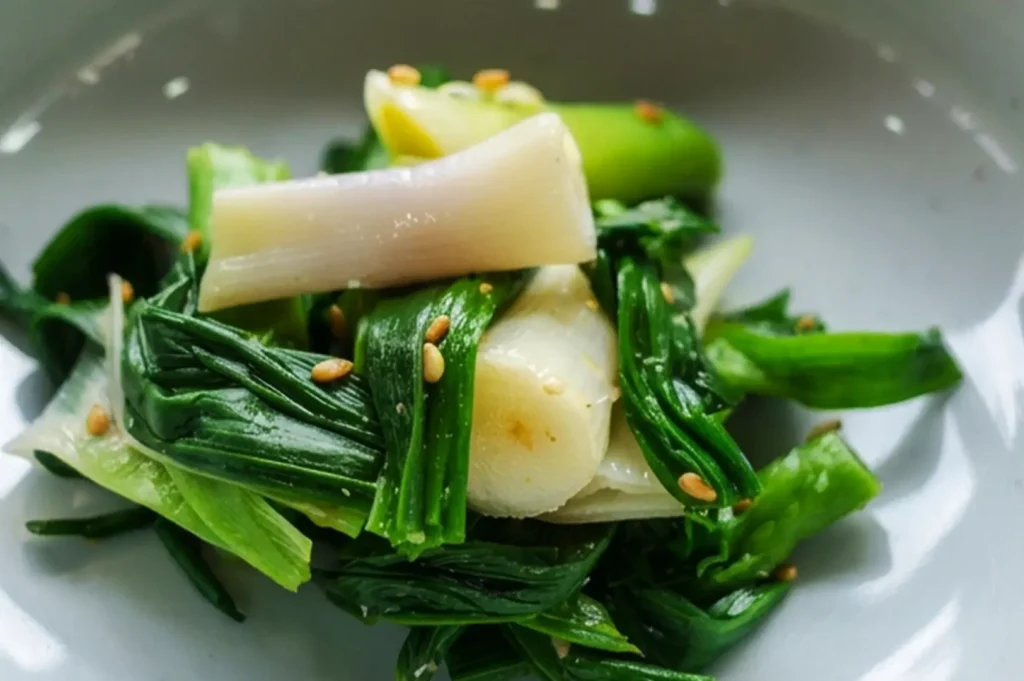
Few ingredients carry as many English names as negi. Depending on where you live, you may hear spring onions, green onions or scallions, and the terms are often used interchangeably. In truth, they can describe slightly different things.
Many of the spring onions sold abroad are young plants harvested early, often with a small bulb forming at the base. Negi is typically a more mature, thicker stalk with a long white section and sturdy green leaves. It has a strong flavour and a firmer texture than the milder green onions most people toss into salads.
Why the Species Matters
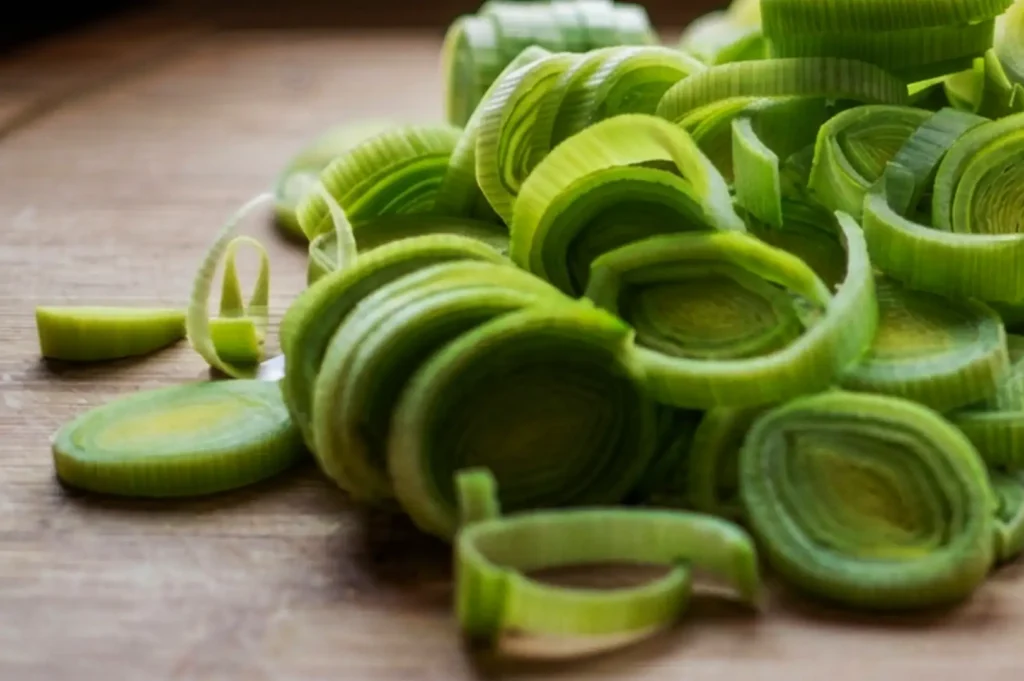
Confusion also arises with leeks, which belong to a different species, Allium ampeloprasum. Leeks are broader, milder and more fibrous. Chinese chives, known as nira in Japan, are another separate plant with flat leaves and a distinct garlicky aroma. Negi sits somewhere between them in character, but it is its own plant, and substituting one for another changes the taste of a dish considerably.
Shiro Negi, Naga Negi and the Long White Stalks
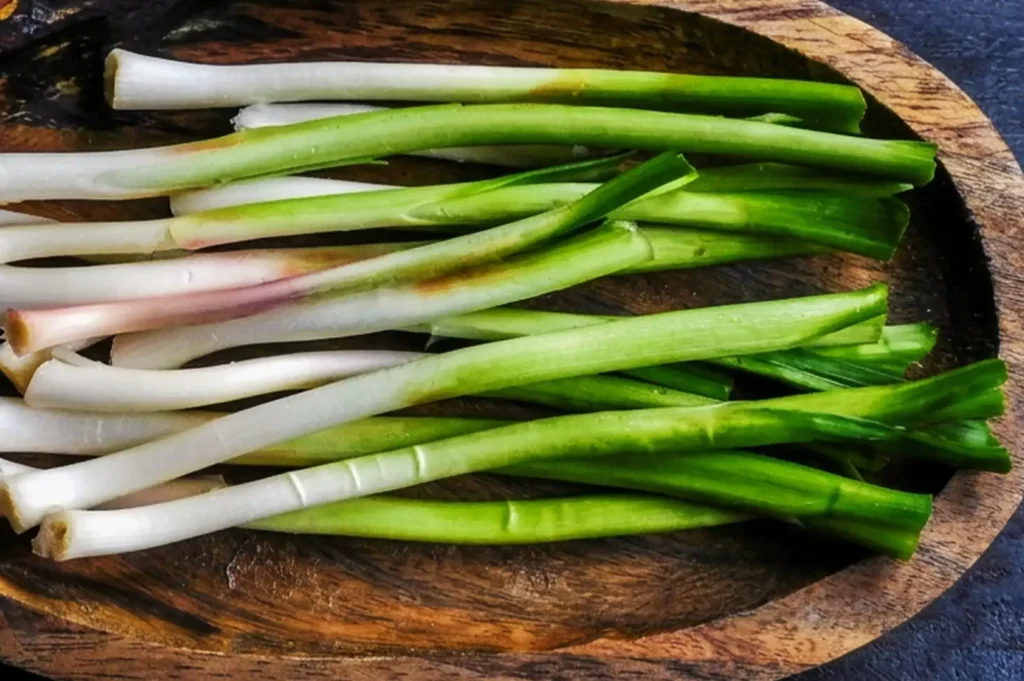
When people in Japan speak of negi, they often mean shiro negi, also called white negi or naga negi, which simply means long negi. This type is grown with a particular goal: a tall, thick white stalk.
To achieve this, farmers plant young seedlings in deep trenches and gradually draw soil around the stems as they grow. The soil blocks sunlight, so the lower portion stays pale and tender instead of turning green. The result is a long white section that can reach impressive lengths, supported by deeper roots that anchor the plant through the colder months.
This method is labour-intensive, which is one reason well-grown shiro negi is valued. The white part is sweet, juicy and gently aromatic once cooked, and it has a satisfying, crunchy bite when sliced raw. It is the cut most often used in soups, hot pots and grilled dishes across eastern Japan.
Senju Negi and the Edo Period Story of Tokyo Negi
Negi has a deep history in the capital. During the Edo period, the area around Senju, along the Sumida River, became a centre for growing vegetables to feed the rapidly expanding city. The negi grown there became known as Senju negi, and it earned a reputation for thick white stalks with a tender, sweet character.
Today, Senju negi is often counted among the heirloom varieties of Tokyo negi, a link to the city’s agricultural past. Although the fields around Senju have long since given way to urban life, the name survives, and cooks who care about tradition still speak of it with respect.
This matters to us because Edomae cuisine grew out of the same Edo period. The sushi style we practise at Sushi Masa by Ki-Setsu was born in that very city, shaped by the same markets, merchants and growers. When we think about Tokyo negi, we are really thinking about the same culinary world that gave rise to Edomae craft: ingredients prepared with care, seasoned with restraint and served at their peak.
Kujo Negi and the Green Part of Western Japan
Travel west and the negi changes character entirely. In Kyoto and the wider region of western Japan, cooks favour Kujo negi, a variety grown for its abundant green leaves rather than its white stalk. The green part is soft, slightly slippery inside and noticeably sweeter than the leaves of eastern types.
The regional divide is one of the most charming quirks of Japanese food culture. In the east, the white portion is prized. In the west, the green leaves take the lead. Neither is better. Each suits the local cooking, climate and taste, and each reflects generations of farmers refining what grows best in their soil.
The green part also carries a nutritional edge. It is generally richer in vitamin C and carotene than the white section, which is one more reason Japanese cooks rarely discard it. Sliced thinly, the green leaves bring colour, freshness and a mild herbal lift to a dish.
Aichi Prefecture and the Land Where Negi Is Cultivated
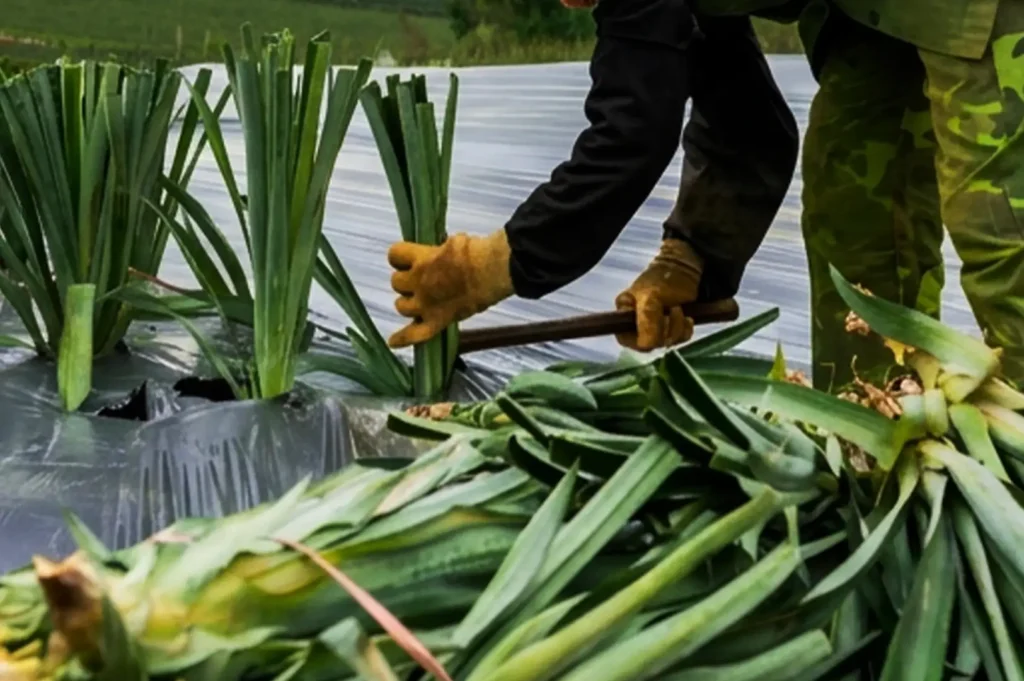
Negi cultivated across Japan varies from region to region, but certain areas have built a strong reputation for it. Aichi Prefecture, in central Japan, is one such area, benefiting from fertile soil and a climate that supports steady growth. Its position between the eastern and western traditions also makes it an interesting meeting point for both styles of cooking.
Planting and harvest follow the seasons closely. Seedlings are typically planted in spring, tended through the warm months and harvested as temperatures fall, when the stalks turn sweetest. Early spring also brings a wave of tender young negi, softer and more delicate than the thick winter stalks. This seasonal rhythm is something we deeply respect. Our approach at Sushi Masa by Ki-Setsu follows the same principle: we serve what is best now, not what is merely available.
The White Part, the Green Part and How We Think About Them
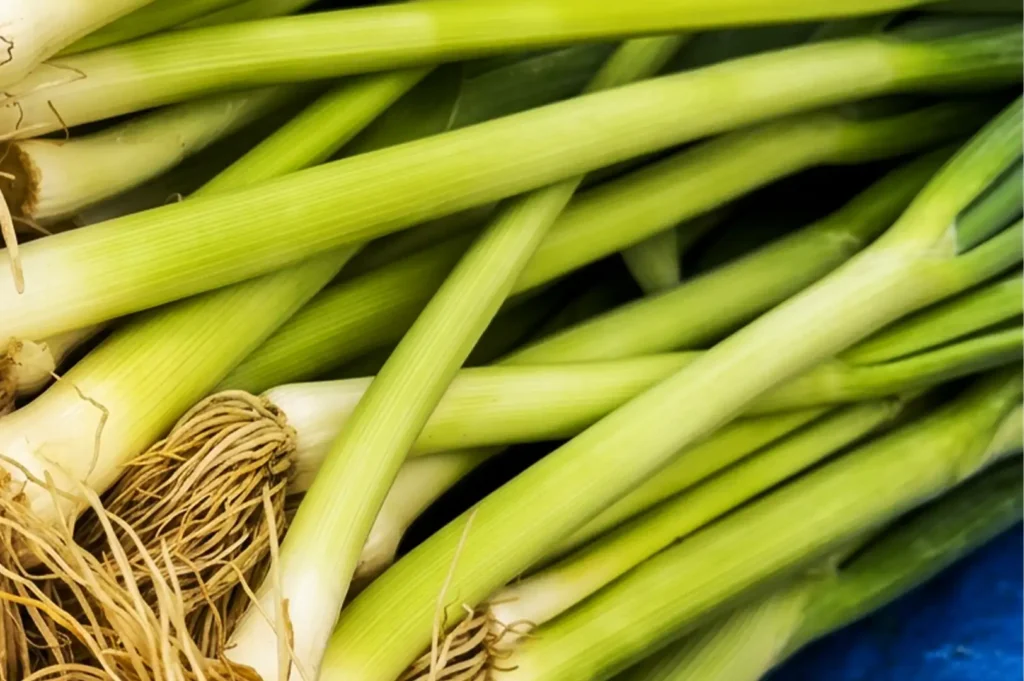
In the kitchen, the two halves of negi behave very differently, and knowing how to use each is part of good cooking.
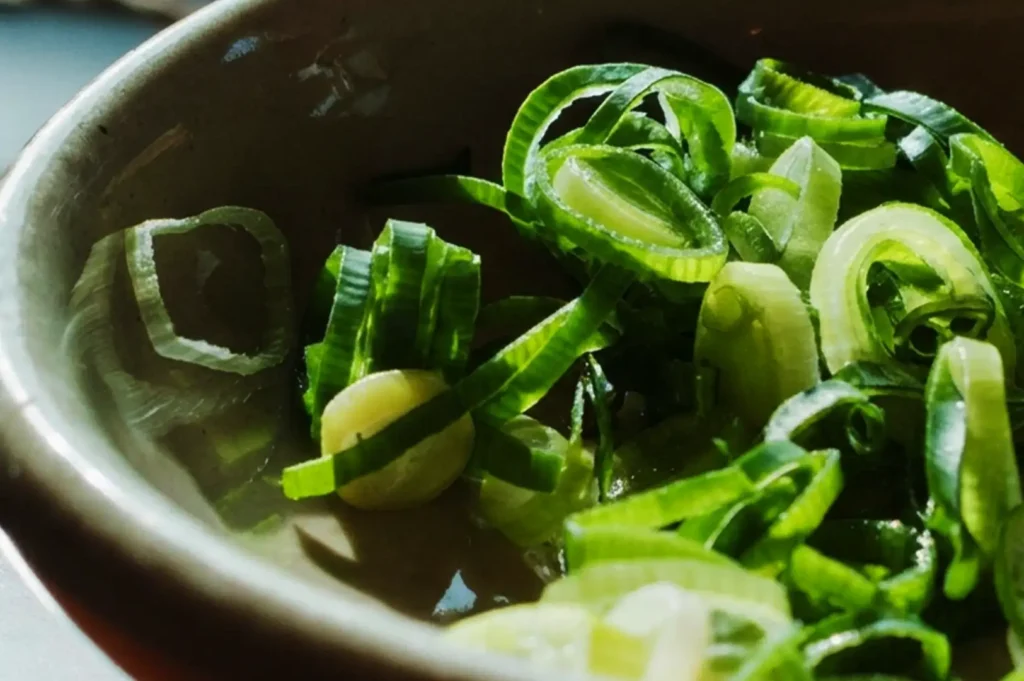
The white part, sometimes called the white section or white portion, is firm, sweet when heated and wonderfully fragrant. Grilled gently until the outside softens and the inside turns silky, it develops a depth that surprises anyone who thinks of it as a mere garnish. Sliced very finely and rinsed in cold water, it becomes crisp and clean, with a pleasant heat that cuts through richness.
The green leaf section is milder and more tender. It is excellent chopped into small pieces as a topping for warm dishes, where it releases an aroma that signals freshness before the first bite.
Negi also has a role beside seafood. Finely chopped, it pairs naturally with fatty tuna, where its sharpness balances the richness of the fish. This kind of contrast is central to Edomae sushi, and it is why we pay attention to even the smallest accompaniments. Chef Masa selects each element with the same care he gives to the fish, sourced from Toyosu, because a single poorly chosen garnish can disturb the balance of a bite. Even a pinch of salt or a touch of soy sauce is chosen with intention, to enhance rather than overwhelm.
Negi at the Table: Noodles, Hot Pots and Beyond
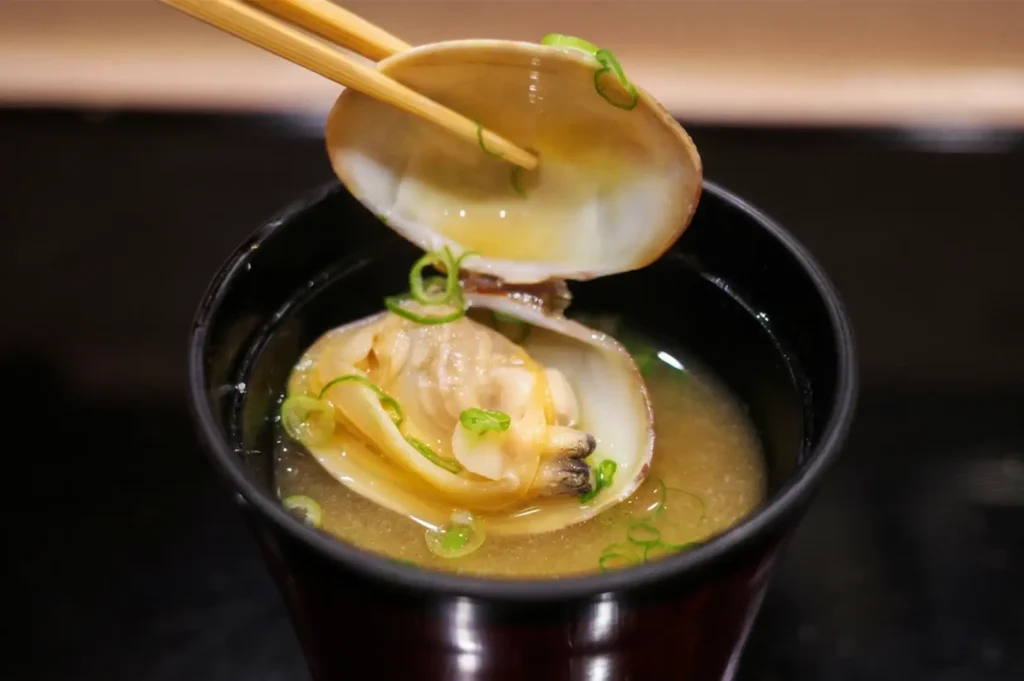
Away from the sushi counter, negi appears in some of the most comforting foods in Japanese cuisine. It is the classic garnish for ramen and other noodles, where a scattering of sliced negi brings brightness to a rich broth. It floats in soups, simmers in stews and takes pride of place in hot pots, where it turns sweet and tender as it absorbs the flavour of the stock.
At home, many Japanese families also use negi in stir fries and alongside grilled meats. Chopped negi is a common companion to dishes such as pork chops, bringing freshness to rich flavours. Those are home-cooking traditions rather than anything we serve, as our table is devoted entirely to seafood, but they show just how adaptable this vegetable is. Eaten raw in salads, cooked slowly until sweet, or sliced as a finishing touch, negi suits countless recipes.
Chinese cuisine uses similar alliums in its own way, and the exchange of ideas between the two culinary worlds is long and rich. Yet the Japanese approach to negi remains distinctive: it is treated not as a background filler but as a vegetable with its own character, worth selecting and preparing carefully.
What Negi Teaches Us About Japanese Cuisine
There is a lesson in this humble ingredient. The most memorable dining experiences are rarely built on spectacle. They are built on balance, on knowing precisely how much of each flavour a dish needs and where it belongs.
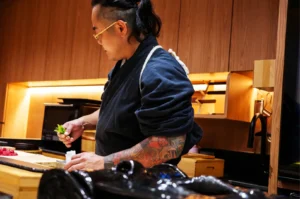
That belief shapes everything at Sushi Masa by Ki-Setsu. Our dinners are served as omakase, guided entirely by Chef Masa, who decides each course according to what the season and the market offer. We begin with a light dashi soup, move through carefully prepared seafood and Edomae-style sushi, and let each piece unfold at its own pace. Nothing is rushed, and nothing is there for show.
If you are curious about how small ingredients can shape a great meal, we would love to welcome you for dinner at Sushi Masa by Ki-Setsu. Sit at the counter, watch Chef Masa at work and taste the quiet details that make Japanese cuisine so rewarding. We look forward to serving you.