In Singapore’s vibrant culinary scene, where the best omakase Singapore Japanese Restaurants compete for attention, a truly nice omakase Singapore stands out as the pinnacle of Japanese dining excellence.
Beyond serving good food, an exceptional Japanese omakase restaurant like Sushi Masa by Ki-setsu offers an intimate journey blending centuries-old tradition, impeccable hospitality, fresh seasonal fish sourced directly from Japan’s Toyosu Market, and the artistry of a master chef at the sushi counter. Each omakase restaurant features a unique new concept that shapes the dining experience, creating a distinctive atmosphere and approach that sets it apart.
The essence of a nice omakase experience goes beyond individual dishes. It involves trust in the chef, authenticity of the Edomae tradition, and harmony between premium ingredients, masterful preparation, and genuine Japanese hospitality. Many omakase menus are inspired by the chef’s travels, seasonal ingredients, or creative storytelling, adding depth and originality to each course. A nice omakase Singapore transports diners into a different world through its immersive atmosphere and meticulous attention to detail. For deeper understanding, explore Omakase: The Ultimate Guide to Japan’s Premier Dining Experience for essential context on this culinary art form.
Understanding What Makes an Omakase Experience “Nice” in Singapore
The foundation lies in the guest-chef relationship. Unlike conventional dining with selectable omakase menus ranging widely, this experience demands full trust in the chef’s expertise, seasonal knowledge, and palate reading. Top omakase restaurants strive to impress even the most discerning diners with their creativity, a chatty chef’s engaging presence, and meticulous attention to detail. This trust is earned through skill, finest ingredients like golden eye snapper and uni, and seamless course orchestration that may include lunch courses or dinner-only menus.
Singapore’s discerning diners, familiar with international cuisine, value genuine Japanese techniques and premium ingredients flown from Tokyo’s Toyosu Market. The intimate nature of omakase dining enhances the experience; whether at a quiet corner in Tanjong Pagar or Cuppage Plaza, direct interaction with the chef personalizes the journey, with each nigiri sushi made for you.
The Art of Edomae Sushi: Foundation of Exceptional Omakase Restaurant
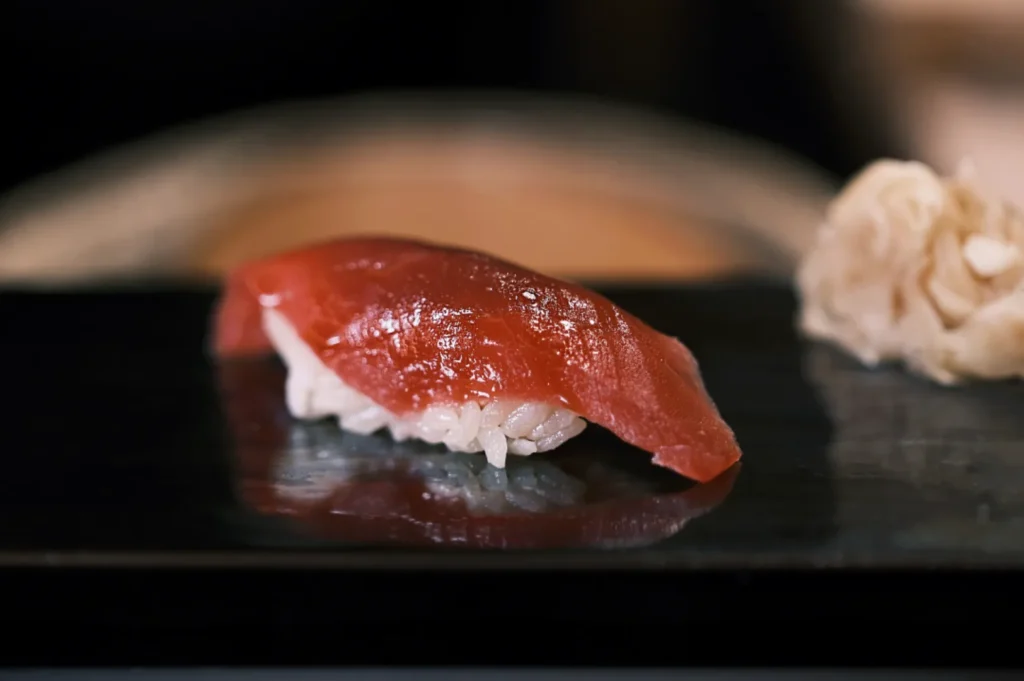
The Edomae tradition forms the backbone of any nice omakase Singapore experience. This centuries-old Tokyo method emphasizes enhancing natural flavors through precise techniques rather than masking them with fusion or heavy seasoning.
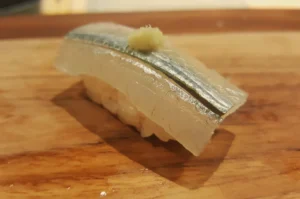
Traditional Edomae techniques like su-jime (vinegar-curing), shoyu-zuke (soy-marinated), and aburi (flame-searing) are artistic expressions transforming premium seafood into transcendent nigiri. Each method suits the fish, season, and its harmony with seasoned sushi rice. Edomae techniques are designed to achieve a good balance of flavors and textures in each piece, ensuring harmony between lean and fatty components.
Premium Ingredients: The Heart of Nice Omakase Singapore for Dinner Omakase menus
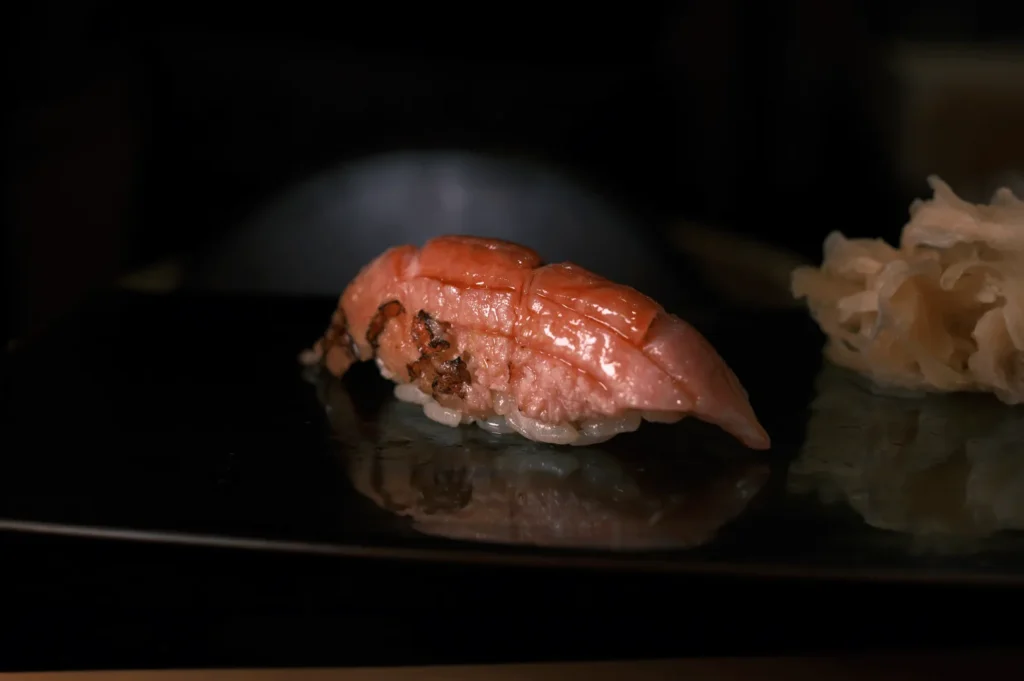
Quality and freshness define an exceptional omakase experience. Nice omakase Singapore venues maintain direct ties with Tokyo’s Toyosu Market, ensuring access to the finest seasonal seafood and fresh ingredients that define authentic Japanese cuisine.
Daily ingredient selection shapes the omakase menu. Premium fish like otoro (fatty tuna belly), uni (sea urchin), and seasonal specialties such as kinmedai or sayori are air-flown multiple times weekly, maintaining freshness akin to Tokyo’s best sushi spots. Other luxurious ingredients such as scallop, abalone, and caviar are often featured in omakase courses, further elevating the dining experience. This justifies premium prices for authentic omakase.
The Intimate Setting: Creating the Perfect Omakase Atmosphere
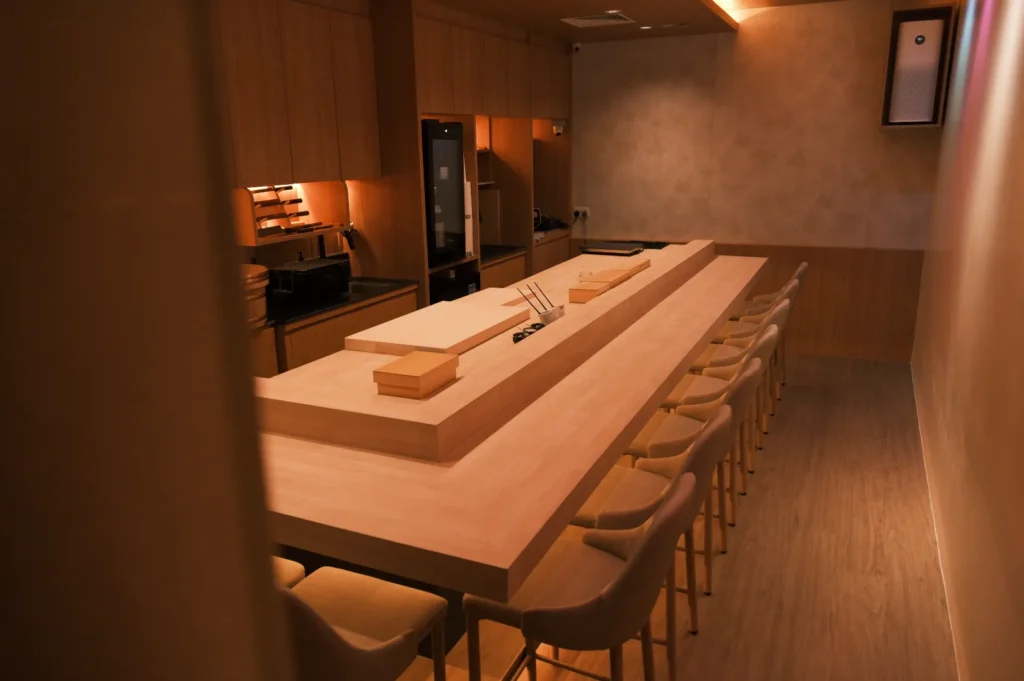
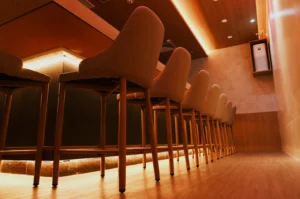
Indulge in a zen-like, intimate counter seating that elevates omakase from excellent food to a transformative journey. Authentic omakase restaurants like Sushi Masa by Ki-Setsu limit seats (e.g., 8-seat counters) to ensure personalized attention and direct communication about preferences and dietary needs.
This scale lets chefs observe diners’ reactions, adjust pacing, and customize courses, creating a unique experience unavailable in larger venues.
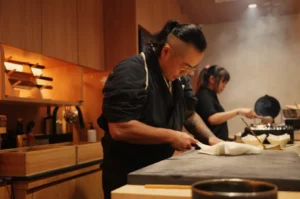
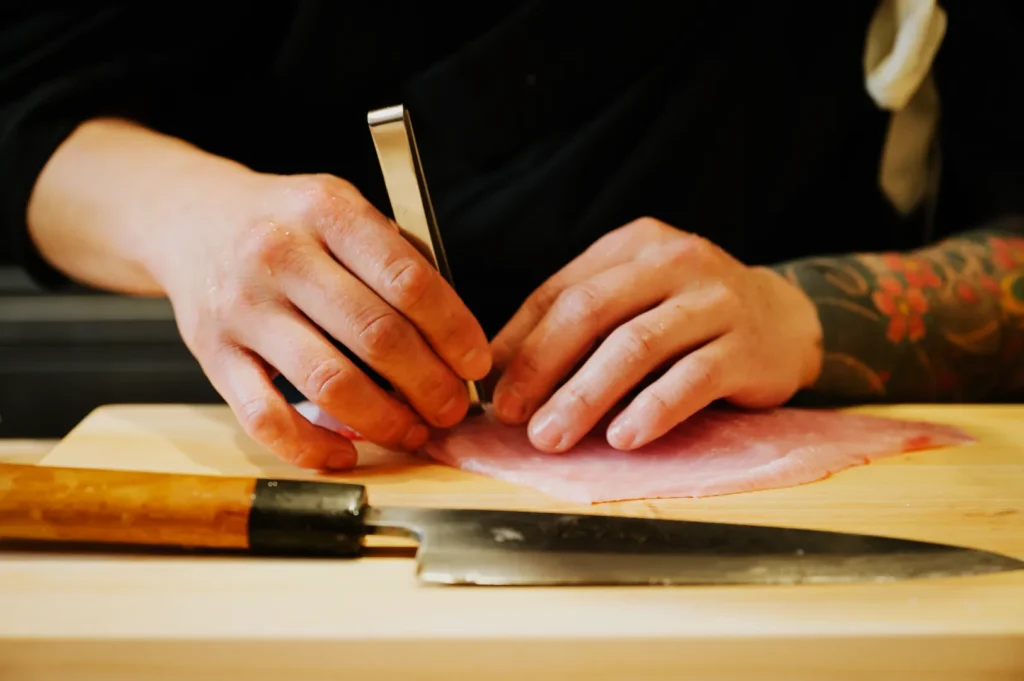
Watching sushi preparation adds anticipation and appreciation. The chef’s knife work, precise nigiri assembly, and presentation showcase the skill behind Edomae sushi.
- Quiet corner venues encourage contemplation, focusing diners on subtle flavors, intimate moments, textures, and aromas defining exceptional Japanese cuisine.
- Temperature control, lighting, and serving vessels contribute to ambiance. Cool temperatures preserve freshness; comfortable lighting highlights presentation.
- Traditional Japanese ceramics and wooden boards connect diners to cultural heritage.
- Curated wine and sake pairings are often offered to complement the flavors of each course and elevate the overall omakase experience.
- Diners never have to skip courses or worry about no meat options, as menus focus on premium seafood and fresh ingredients, ensuring a fulfilling experience for all.
Chef’s Expertise and Personalized Service
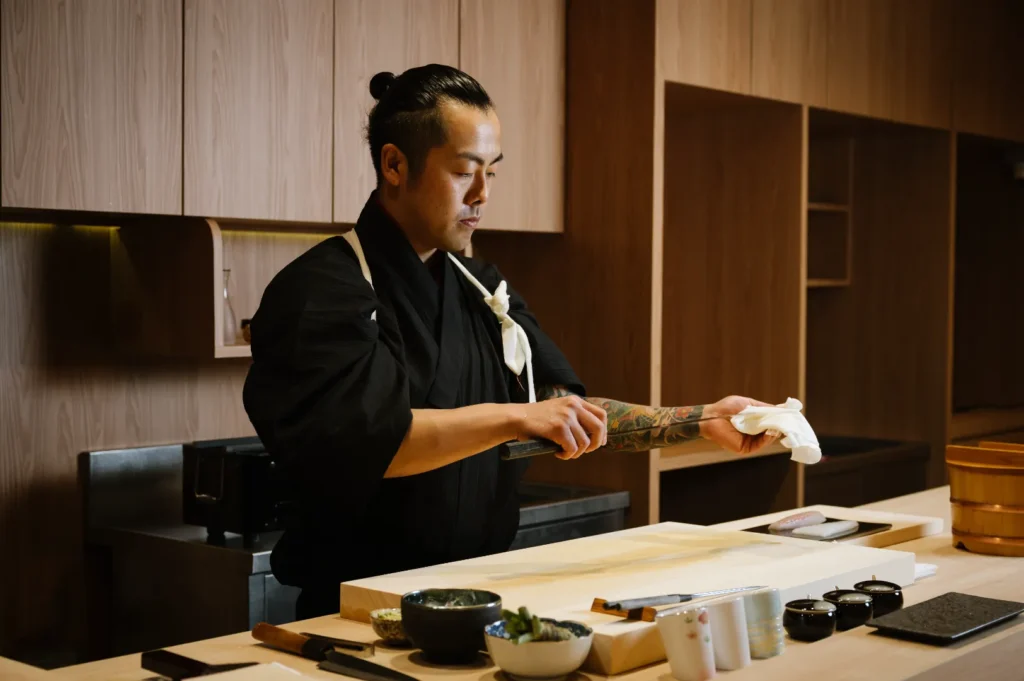
A nice sushi omakase Singapore experience centers on the chef’s expertise and personalized journey creation. Master chefs combine years of training in Japanese techniques with intuitive sequencing of flavors and textures. Sushi Masa by Ki-setsu is recognized for its award-winning approach to omakase dining, reflecting both culinary excellence and dedication to authentic Japanese tradition.
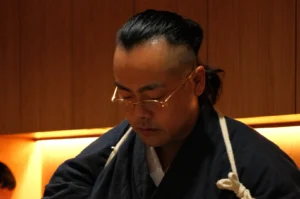
Chef Masa exemplifies this craftsmanship. Each nigiri is prepared considering palate development, starting with lighter flavors and progressing to richer tastes, ensuring courses enhance rather than overwhelm.
The Dinner Only Japanese Omakase & No lunch Omakase Menu Philosophy
Dinner-only service reflects dedication distinguishing premium omakase from casual sushi. It allows time for Edomae preparation and the unhurried atmosphere omakase demands. This also allows traditional Japanese omakase like Sushi Masa by Ki-setsu to stay true to the Japanese omakase Philosophy.
Dinner omakase menus benefit from ingredient freshness, as fish can be assessed and prepared throughout the day. Techniques like aging, marinating, and rice temperature precision require this time.
Evening settings align with contemplative dining. After daily activities, diners focus fully on the culinary journey without lunch-time pressures, appreciating each course and interacting meaningfully with the chef.
What to Expect from a Nice Omakase Experience in Singapore
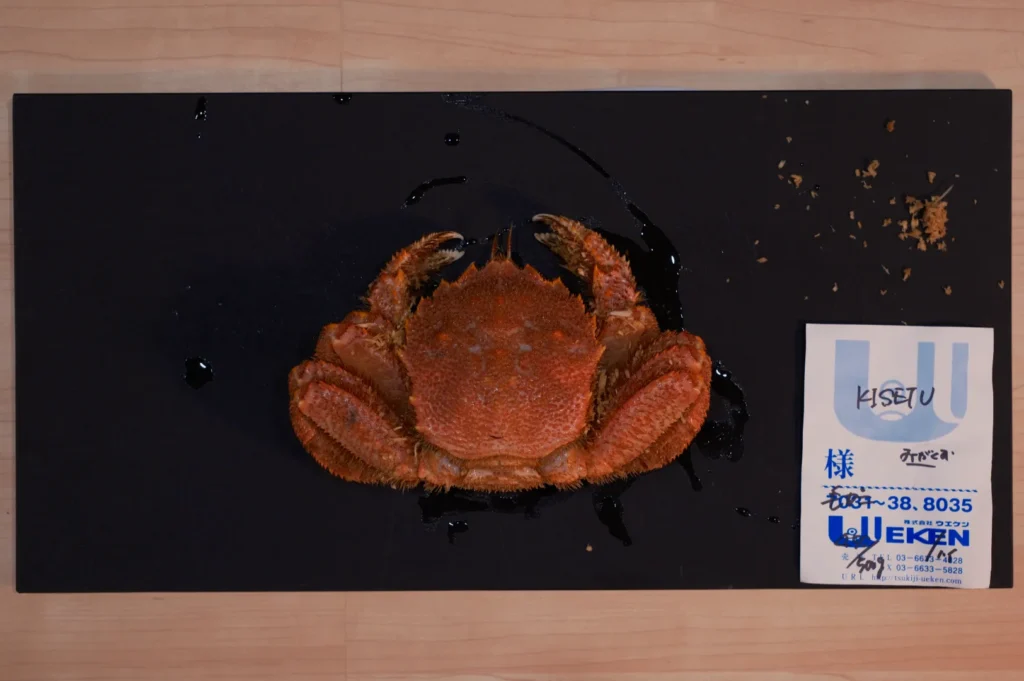
Understanding omakase flow helps diners appreciate their meal. A well-crafted omakase builds a harmonious culinary narrative through stages. Omakase courses are carefully curated to provide a progression of flavors and textures, guiding diners through a thoughtfully sequenced experience.
- It starts with a light appetiser to awaken the palate, like ankimo (monkfish liver) or seasonal vegetables, showcasing Japanese technique and preparing for sushi.
- Sashimi courses follow, highlighting fish quality and knife skills, building anticipation for nigiri.
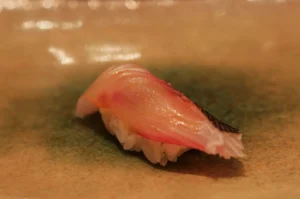
- Nigiri represents chef artistry, progressing from delicate white fish to rich, fatty varieties, concluding the sushi portion satisfyingly.
- The meal often ends with a refined dessert, such as house-made ice cream or traditional Japanese sweets, providing a memorable finish.
Hot dishes intersperse for texture and temperature variety, preventing palate fatigue. Grilled, steamed, or warm soups showcase chef versatility. Tempura is often included as a course, showcasing the chef’s skill in preparing light and crispy fried items.
Seasonal variations keep visits fresh. Spring menus highlight baby vegetables and delicate fish; winter emphasizes fatty fish and warming dishes, encouraging repeat visits.
Proper omakase etiquette enhances experience: eat pieces immediately, stay open to unfamiliar items, engage respectfully with the chef.
The Value of Authentic Japanese Hospitality (Omotenashi)
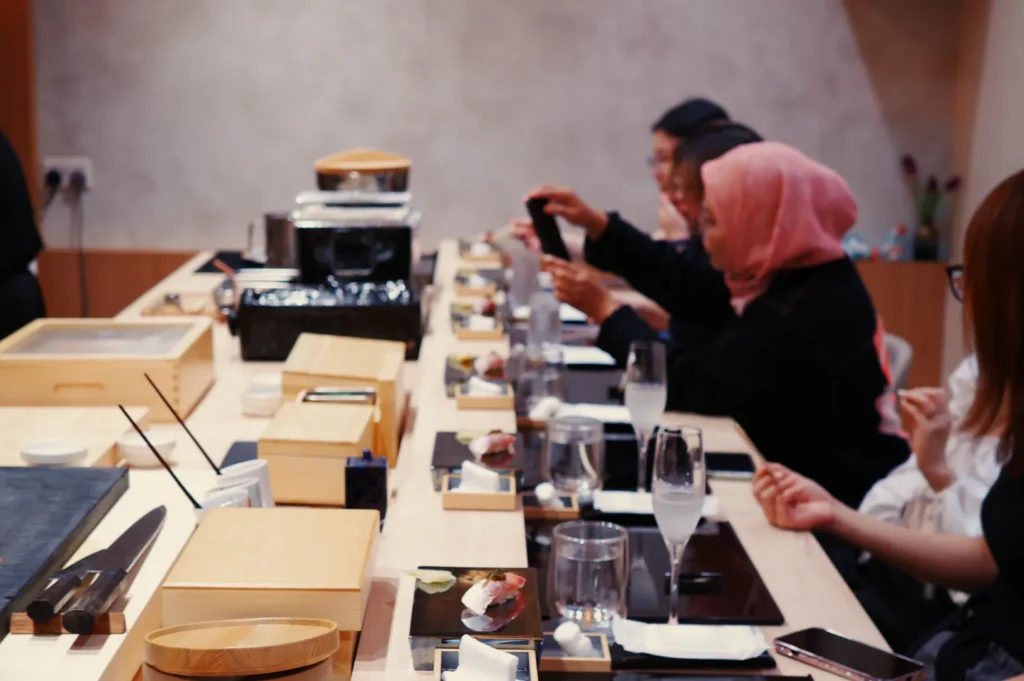
Omotenashi—selfless, anticipatory service—is key to a truly nice omakase. It creates an environment where diners feel genuinely cared for.
Omotenashi begins before arrival, with space prep, ingredient selection, and mental readiness for personalized service. Attention extends to temperature, timing, and presentation.
Anticipating needs means adjusting pace, offering explanations, and accommodating diets without making guests feel singled out.
Genuine omotenashi fosters warmth and respect, honoring diners’ trust and creating a partnership in the culinary journey.
Making Your Japanese Restaurant Omakase Experience Memorable
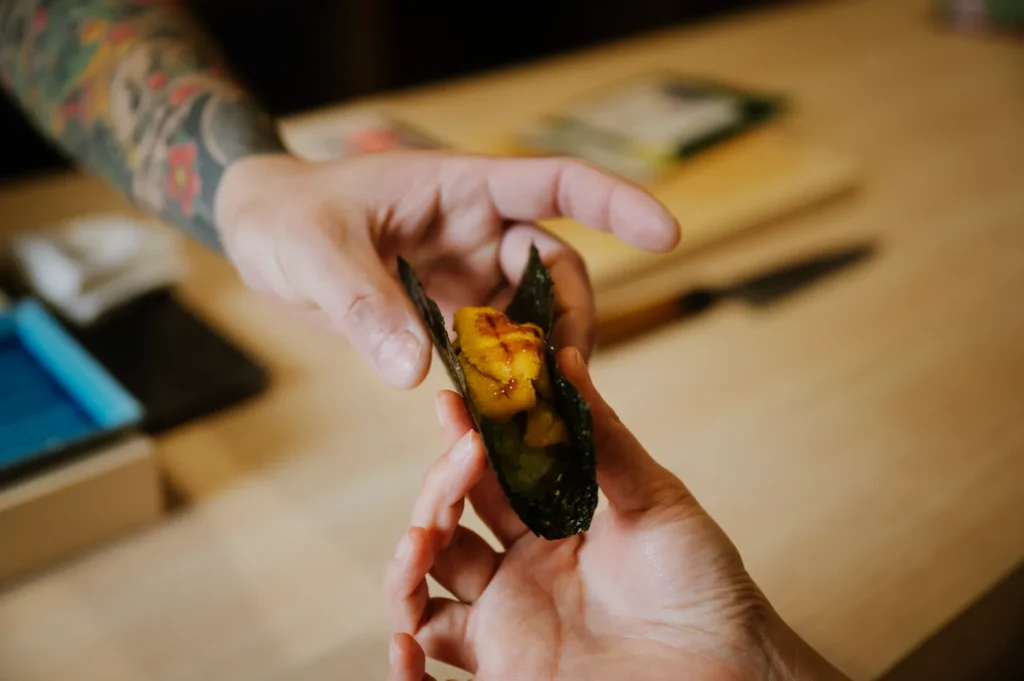
Maximize enjoyment by engaging fully with omakase. First-timers should approach with curiosity, not rigid expectations. Omakase is also a perfect choice for celebrating a special occasion, as its personalized and memorable nature makes any milestone truly unforgettable.
- Communicate allergies, dislikes, or interests to help the chef tailor the experience, but stay open to new flavors and textures.
- Appreciate each course with all senses—visual, aroma, and taste. Follow chef instructions on soy sauce use, bite size, and eating methods to savor dishes as intended.
- Omakase pace is slower than usual dining. Allow time between courses for appreciation and conversation, preventing palate fatigue and embracing omakase’s meditative quality.
- Express appreciation through engagement and feedback, often eliciting special touches or explanations, transforming the meal into a shared cultural experience.
- Understand the investment in time and ingredients behind omakase to appreciate its value beyond cost, making lasting memories.
Experience Authentic Edomae Omakase at Sushi Masa by Ki-Setsu
For those seeking what makes a nice omakase Singapore exceptional, Sushi Masa by Ki-Setsu exemplifies authenticity, quality, and hospitality. Located in a quiet corner of Cuppage Plaza, this intimate 8-seat omakase restaurant commits to traditional Edomae techniques and seasonal ingredient sourcing.
Creating an Affordable omakase experience yet stays true to Edomae Traditions
Chef Masa’s dinner-only service ensures each omakase course receives time and attention for optimal preparation and presentation. Ingredients are sourced directly from Tokyo’s Toyosu Market, combining tradition with Singapore’s discerning diners’ expectations. Sushi Masa by Ki-Setsu’s opening hours are Tuesday to Saturday for dinner, with private bookings available on Sunday, offering weekend availability that sets it apart from venues with more limited schedules.
Reservations reflect the dedication needed for authentic omakase. Limited seating guarantees personalized attention and a front-row view of chef artistry defining exceptional Japanese cuisine.
If you want the best omakase Singapore can offer or a true Japanese omakase that stays true to traditions, you can learn more at our homepage at https://kisetsu.com.sg/