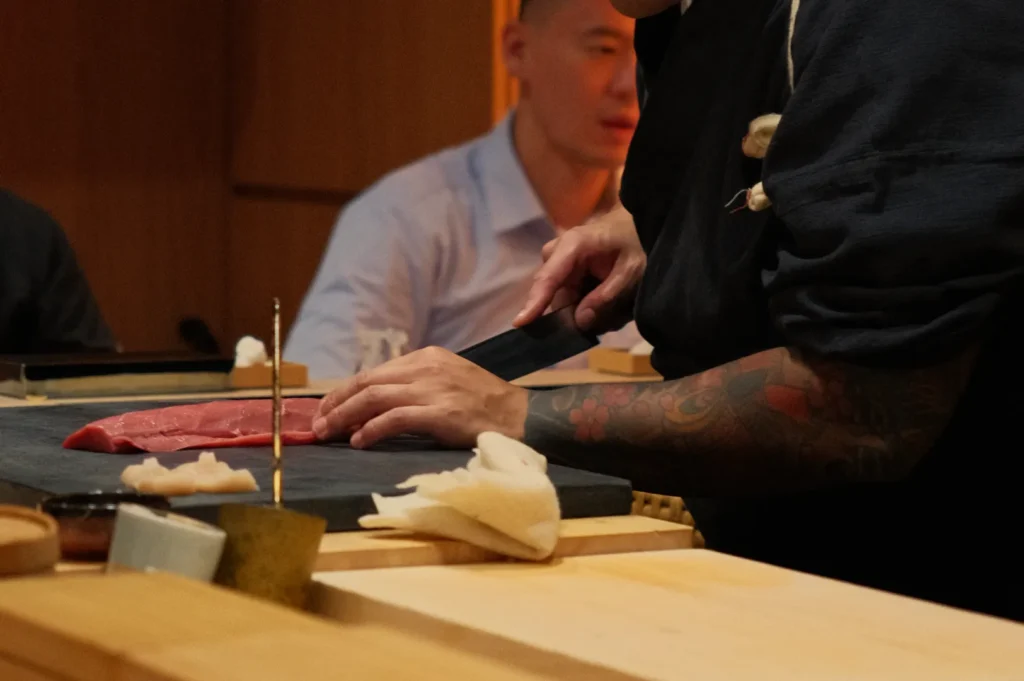
Walk into any sushi restaurant and the vocabulary arrives quickly: nigiri, sashimi, maki. Yet many guests are unsure where one ends and the next begins. The question of nigiri vs sashimi comes up often at Sushi Masa by Ki-Setsu, an omakase Singapore counter where each course is guided by Chef Masa, and it deserves a proper answer. Both celebrate exceptional raw seafood, but they ask very different things of the fish, the rice and the person enjoying them. Here is how Chef Masa explains the difference at our counter.
Nigiri vs Sashimi: The Core Difference
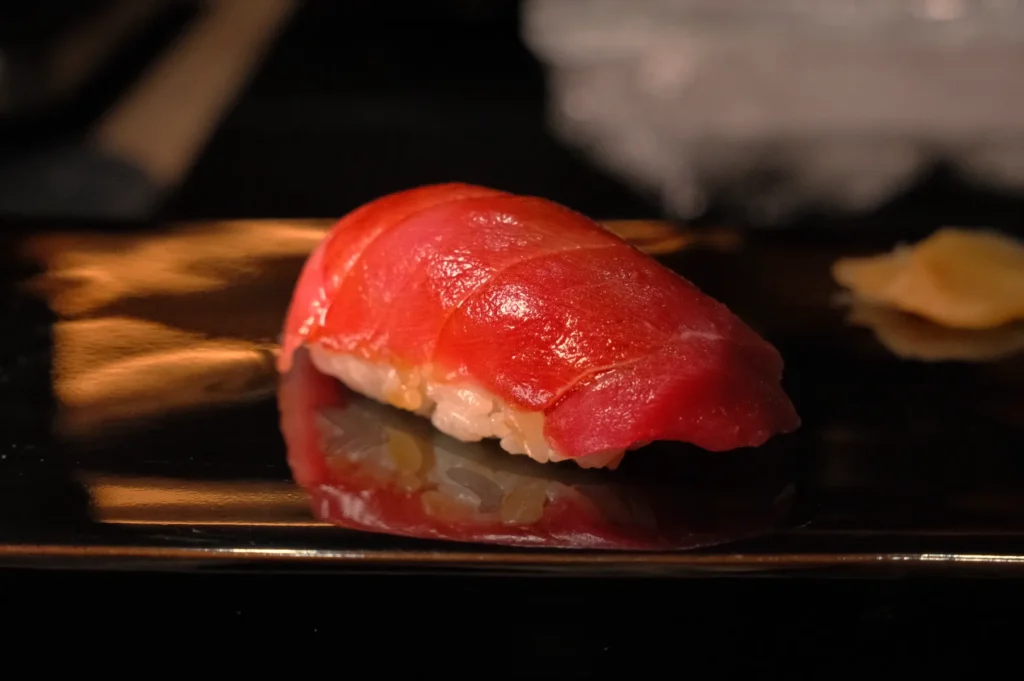
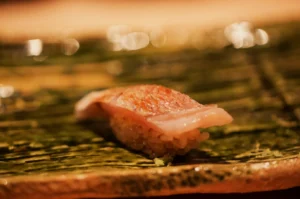
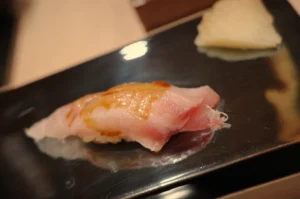
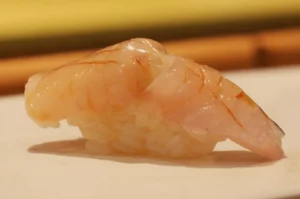
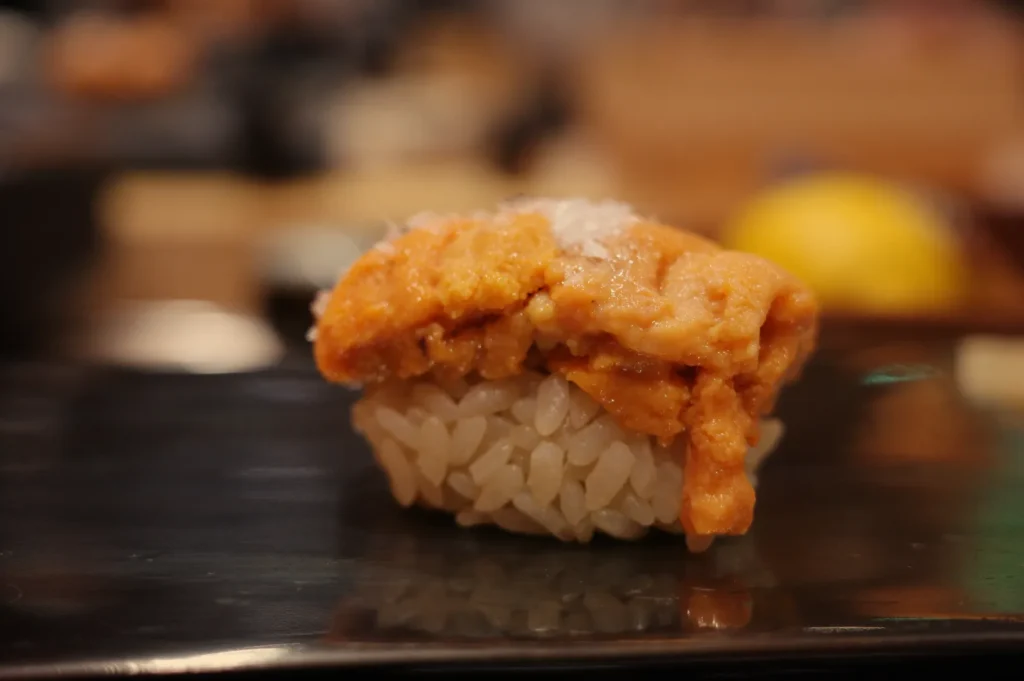
The simplest way to tell them apart is to look at the rice. Nigiri consists of a small, oblong mound of vinegared sushi rice, pressed by hand and topped with a slice of fish or other seafood. Sashimi consists solely of the seafood itself: thinly sliced raw fish, served without any rice base.
That single change alters everything. Sashimi highlights the pure taste of the ingredient, with nothing beneath it to soften or balance the flavour. Nigiri features a conversation between the fish side and the rice, where temperature, acidity and texture must meet in harmony. Both are cherished in Japanese cuisine, and neither is better than the other. They simply showcase different skills.
What Makes Nigiri Sushi Distinctive
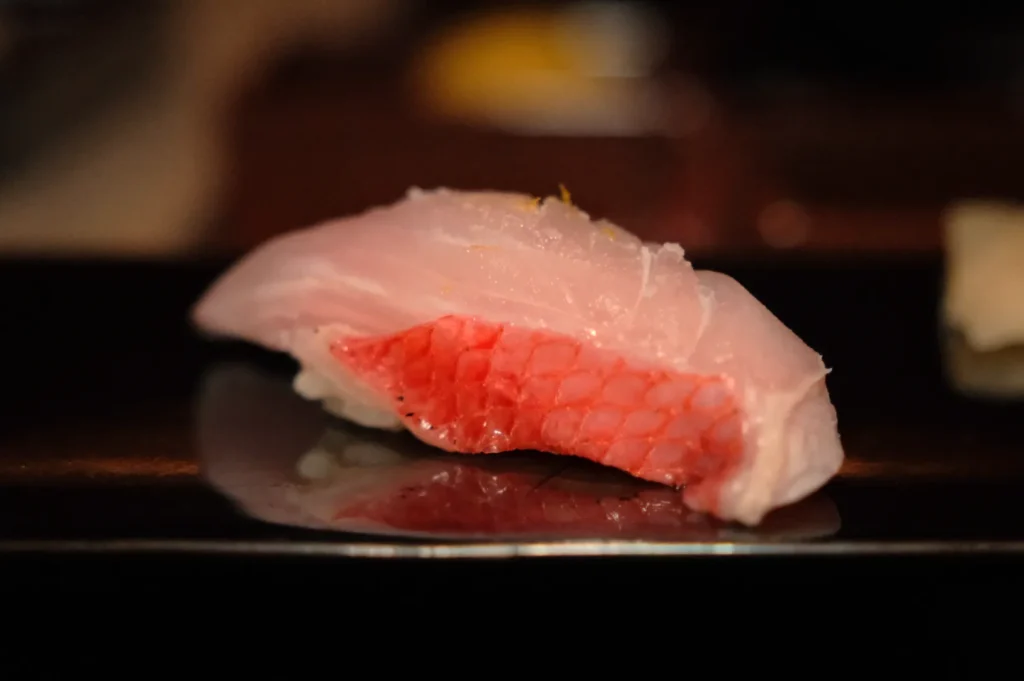
Nigiri sushi has its roots in Edo, the old name for Tokyo, where street vendors pressed fresh catch from the bay onto rice for a quick bite. That heritage gave us Edomae style, the philosophy that guides Sushi Masa by Ki-Setsu. In the Edomae tradition, fish is not simply sliced and served. It may be lightly cured, marinated in soy sauce or aged for a short time to deepen its flavour and refine its texture.
This is why a piece of nigiri can taste so different from the same fish served as sashimi. The rice carries a gentle warmth and acidity, and the topping is often prepared to suit it. Each piece arrives as a complete, balanced bite, so that little extra seasoning is needed.
Why the Rice Matters as Much as the Fish
Many newcomers assume the topping is the star, but any sushi chef will tell you the rice deserves equal respect. Sushi rice is a short-grain, sticky rice seasoned with rice vinegar, salt and a little sugar. If the grains are too loose, the piece collapses. If they are packed too tightly, it feels heavy. Chef Masa aims for a texture that holds its shape in the hand yet loosens gently on the tongue.
Making Nigiri: The Craft Behind Each Piece
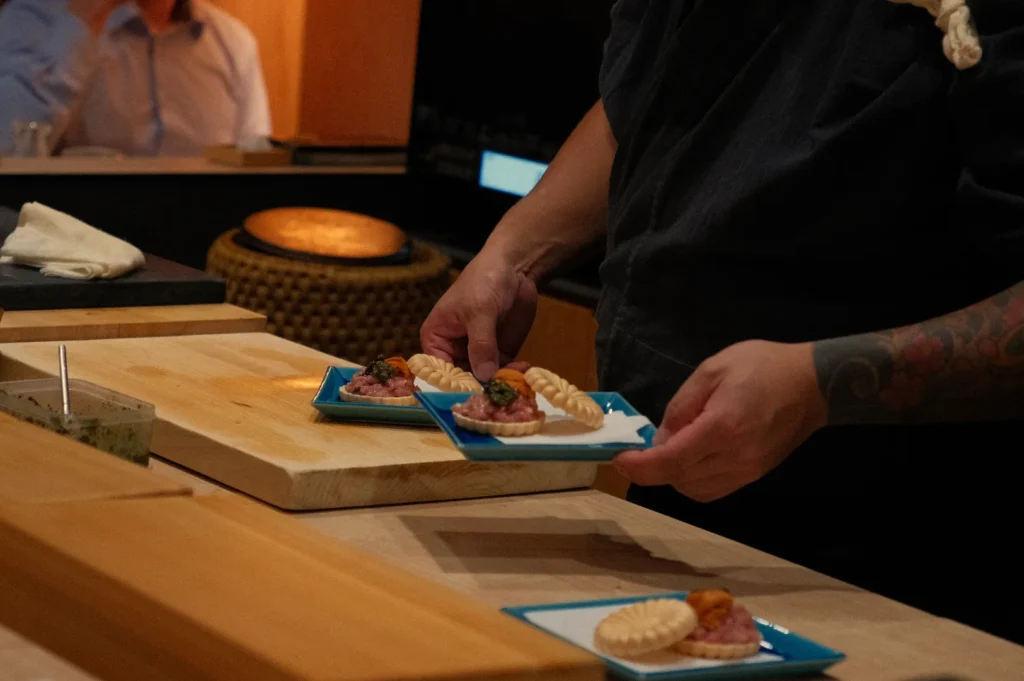
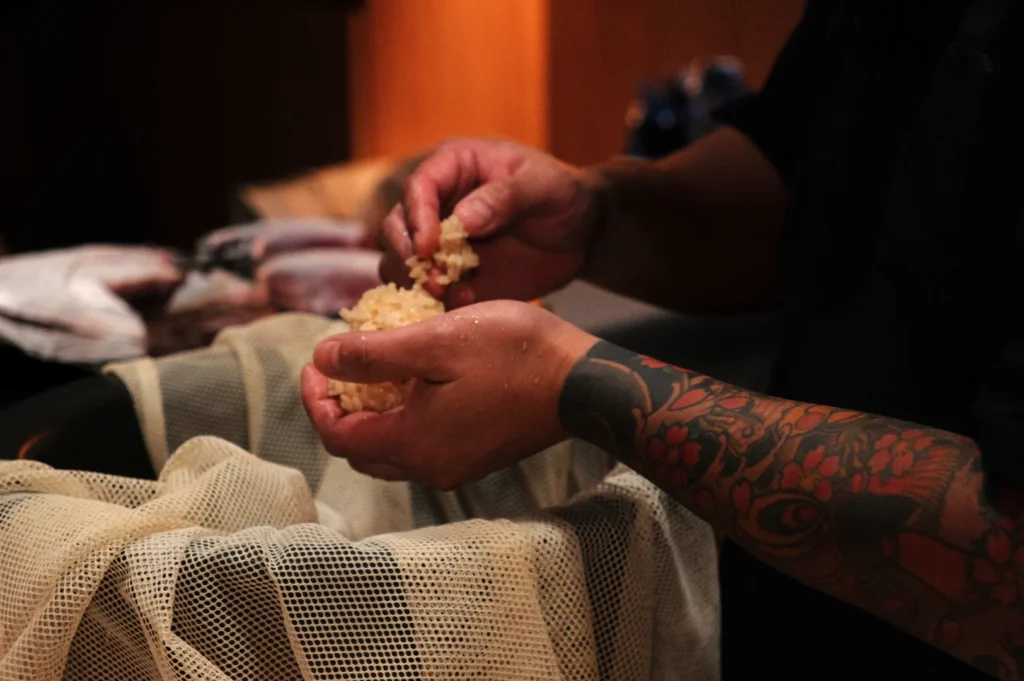
Making nigiri looks effortless, which is precisely the point. In a few seconds, the sushi chef takes a portion of rice, presses it into shape, adds a trace of wasabi, lays the slice on top and completes the piece with a few practised movements. Behind that speed are years of repetition.
The knife work matters just as much. Each slice is cut at a particular angle and thickness to suit the fish, whether it is a rich cut of salmon or a lean white fish that needs a firmer bite. Fresh fish or seafood is essential, which is why we source from Toyosu Market in Japan, and Chef Masa prepares every piece in front of you.
Presentation nigiri is understated by design. Pieces are placed before you one at a time so that each is eaten at its ideal temperature. Nothing is left to sit and nothing is hidden beneath garnish.
Because there is only one chef at our counter, every piece reflects the same hands, the same rhythm and the same standards from the first course to the last. Our dining is Omakase, meaning the sequence is entrusted to Chef Masa, who adjusts the pace and progression of the evening according to the ingredients of the day.
What Sashimi Highlights: Thin Slices and Pure Taste
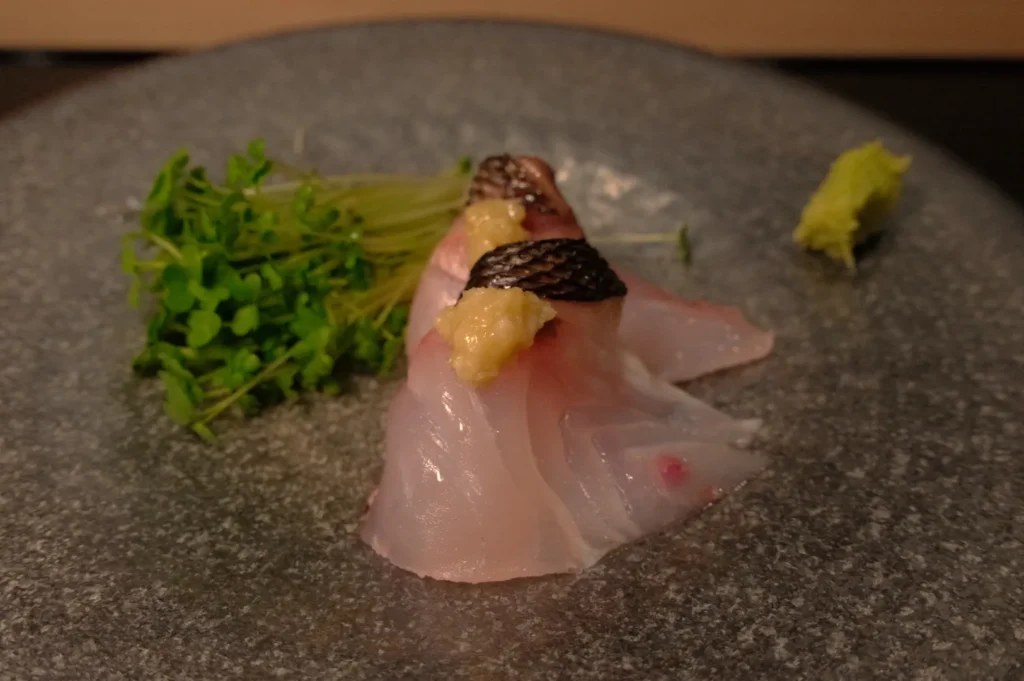
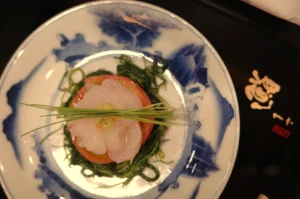
Sashimi is about restraint. With no rice to lean on, the fish must stand alone, so the cut, the temperature and the freshness are all on display. Thin slices are drawn across the fish in a single pull of the blade to keep the surface smooth and glossy, which affects both texture and flavour. What may look like just slices of fish is, in truth, a demonstration of precision.
Sashimi is typically served with a small mound of shredded daikon radish, shiso leaves and a touch of wasabi. The daikon adds a crisp, clean contrast, while shiso brings a herbal fragrance that refreshes the palate between different slices of raw fish. Soy sauce is offered for dipping, though a well-handled cut often needs very little.
Many establishments serve raw or cooked seafood on the same plate, such as lightly seared cuts, though the classic form remains raw seafood at its purest. Octopus, for example, is often gently prepared to bring out its tenderness, while salmon is loved for its rich, buttery character. In a well-paced meal, lighter fish usually comes first, followed by richer flavours.
Sashimi is a Japanese dish that makes sashimi a lighter, protein-focused option with almost no carbohydrates, making it a popular choice among those looking to enjoy fresh fish or seafood without added carbs.
Is Sashimi Healthier Than Nigiri?
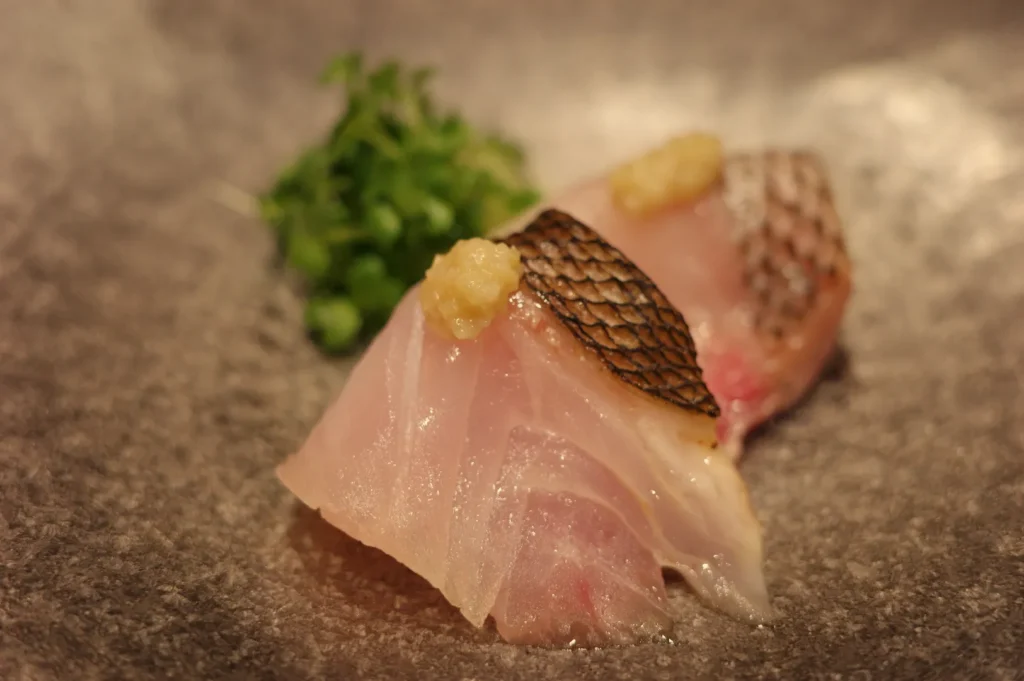
It is a fair question, and the honest answer depends on what you are looking for. Those who call sashimi healthier usually point to one fact: without rice, it is a protein focused option with fewer carbohydrates. Guests who prefer a lighter, fish-forward meal often choose sashimi for exactly that reason.
Nigiri, by contrast, offers a larger portion of food overall because the rice adds substance and energy. It is more filling, and the balance of rice and fish makes it a well-rounded bite. Neither is unhealthy, and both rely on fresh ingredients with little processing. In our view, the better question is which one suits your appetite and the moment.
There is also room for cooked seafood within nigiri. Grilled eel, brushed with a sweet glaze, is a classic example. It is a lovely option for guests who are new to raw fish, or who simply enjoy a warmer, deeper flavour among lighter pieces.
One piece of nigiri has roughly 40–65 calories and adds around 6 grams of carbohydrates per piece, making it a more substantial choice compared to sashimi’s 30–50 calories per serving and almost no carbohydrates.
How to Eat Nigiri and How to Eat Sashimi
Etiquette in Japanese cuisine is about respect for the ingredient rather than strict rules, but a few habits will help you enjoy each dish at its best.
How to Eat Nigiri
Nigiri is typically eaten with your fingers, though chopsticks are perfectly acceptable. If you eat nigiri by hand, hold the piece between two fingers, tilt it slightly and dip the fish side, not the rice, into a little soy sauce. This keeps the rice intact and prevents it from becoming over-seasoned. Then enjoy it in one bite, so the fish and rice meet as the chef intended. At our counter, pieces are often already seasoned by Chef Masa, so you can simply eat them as they arrive.
Nigiri is traditionally served in pairs, which makes it easy to enjoy the dish as a balanced experience.
How to Eat Sashimi
Sashimi is typically eaten with chopsticks. Place a little wasabi on the slice rather than stirring it into the soy sauce, dip lightly and taste the fish on its own. If you eat sashimi with daikon and shiso leaves alongside, treat them as small palate cleansers between different slices. Pickled ginger is best saved to refresh your palate between pieces of nigiri, rather than eaten together with the fish.
Where Maki Sushi Fits In
Maki sushi is the third member of the family. Made by rolling rice and fillings in nori seaweed, then slicing the roll into rounds, it is what many people picture first when they think of sushi. Sushi rolls come in countless styles at many restaurants, from simple cucumber rolls to elaborate creations, and they have their own charm.
Our focus at Sushi Masa by Ki-Setsu is different. Omakase allows Chef Masa to give full attention to the fine details of nigiri and sashimi, where the quality of the ingredient and the precision of the technique are easiest to appreciate.
Is Sashimi Considered Sushi?
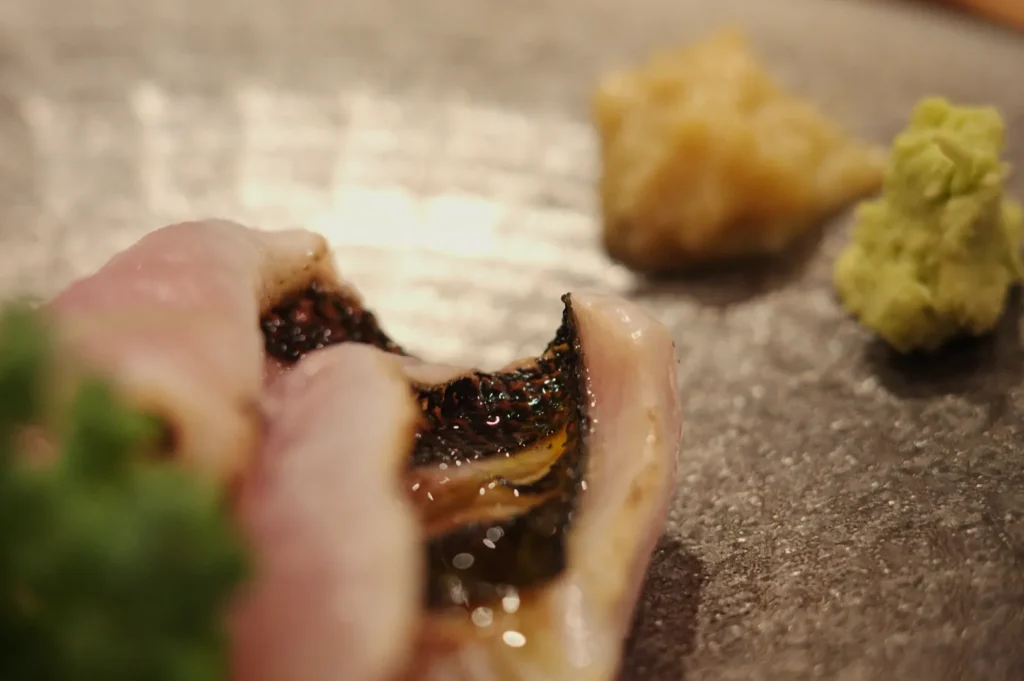
This is a common point of confusion. Strictly speaking, sushi refers to the vinegared rice, so sashimi is not considered sushi in the technical sense. Nigiri is one type of sushi and maki is another, while sashimi stands beside them as its own dish. Yet traditional sushi restaurants nearly always serve them together, and a typical sushi menu lists them side by side because they share the same fish and the same devotion to freshness. In practice, they belong to the same table and the same spirit.
Choosing Between Nigiri and Sashimi
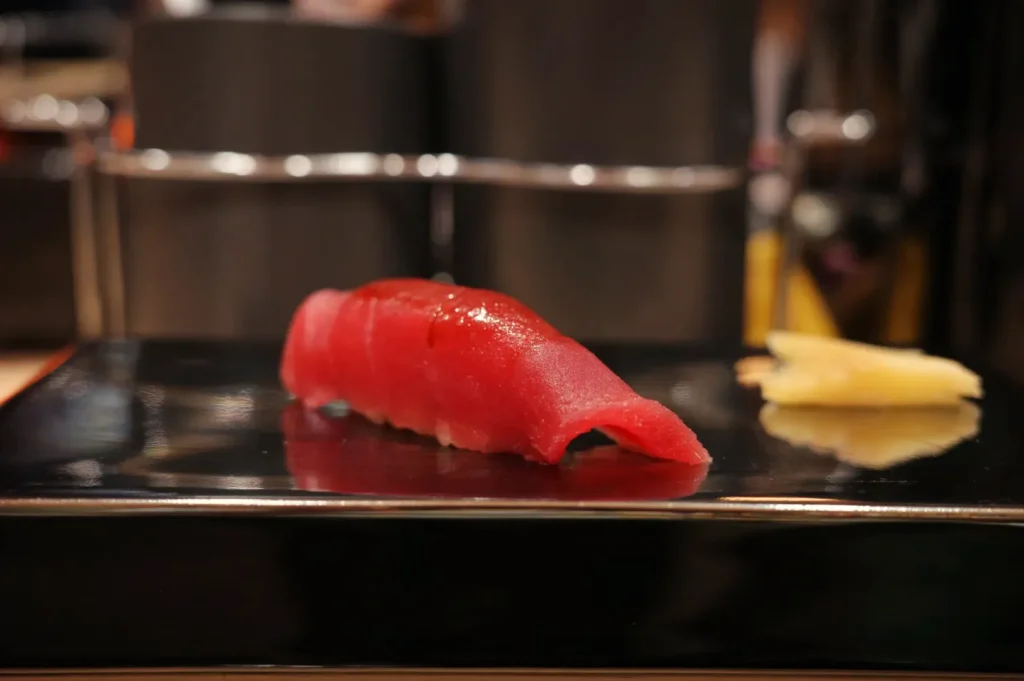
If you enjoy the clean flavour of the sea and want to focus on texture, sashimi is a wonderful place to begin. If you enjoy the interplay of rice, vinegar and fish, nigiri will reward your attention. Salmon offers a gentle introduction to both, while octopus shows how texture can shape a dish. The best approach is to try the two side by side, guided by someone who knows the fish well.
This is where dining as Omakase helps. You place your trust in Chef Masa, who moves between sashimi and nigiri through the evening so that each piece arrives at exactly the right moment.
Experience Nigiri and Sashimi at Sushi Masa by Ki-Setsu

Understanding the difference between nigiri and sashimi makes every bite more meaningful. One shows the harmony of rice and fish, the other the purity of the ingredient itself. At Sushi Masa by Ki-Setsu, we honour both in the Edomae tradition, using fresh ingredients sourced from Toyosu Market in Japan and prepared by Chef Masa in an Omakase experience created for the evening.
We would be delighted to welcome you to our counter for dinner, so that you can taste the difference for yourself.