There is a question that many diners ask before booking a table at any omakase restaurant in Singapore: is this price worth it? It is a fair question, and one that deserves a thoughtful answer. The omakase cost Singapore diners encounter can vary dramatically, from affordable lunch omakase menus ranging around $38 to premium dinner omakase experiences exceeding $300. But the number on the menu is rarely the full story. What matters is what that price is built on, and whether the experience it promises is delivered with genuine craft and integrity.
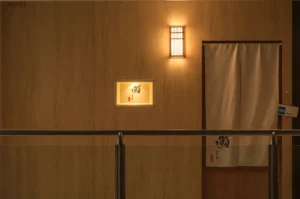
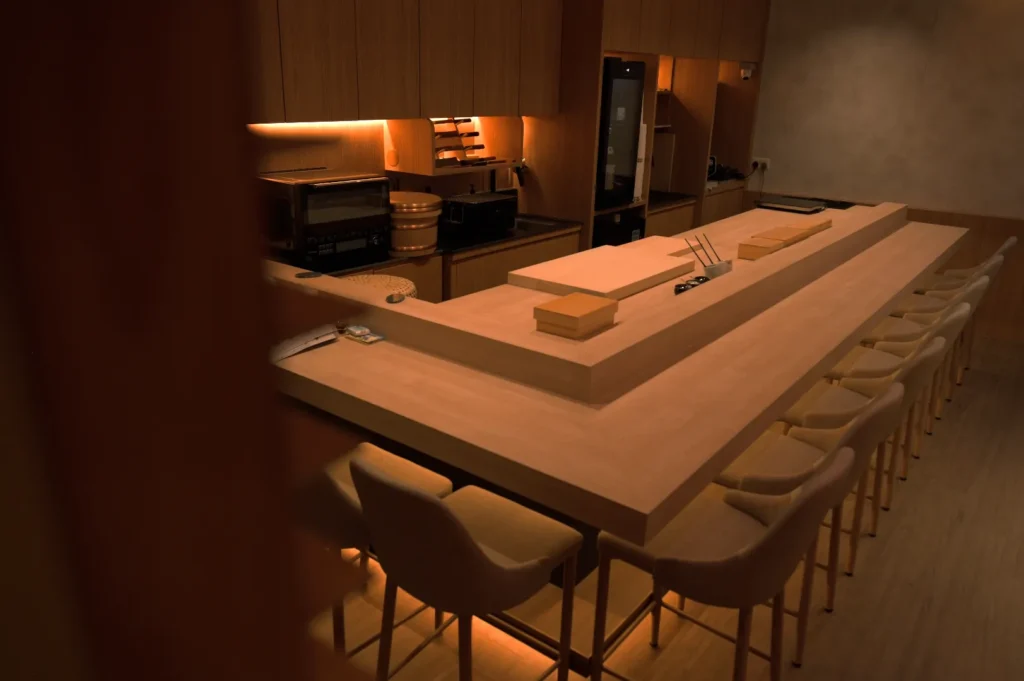
At Sushi Masa by Ki-Setsu, we believe the conversation about price should always begin with the conversation about value. Not value in the discounted sense, but value in the sense of what you are truly receiving: seasonal seafood flown in daily from Tokyo’s Toyosu Market, an Edomae philosophy applied with rigorous discipline, and a Japanese omakase dining experience curated entirely by Chef Masa in an intimate eight-seat sushi counter setting.
What the Price Range of Omakase in Singapore Actually Reflects
Japanese omakase restaurants in Singapore span a wide price range, and that range exists for real reasons. At the more affordable end, an omakase lunch menu may involve fewer courses, ingredients sourced locally or through wholesale channels, and larger seating capacities that allow for operational efficiency. These affordable omakase options can be perfectly pleasant dinners or lunch omakase experiences. But they are structurally different from what premium omakase dining entails.
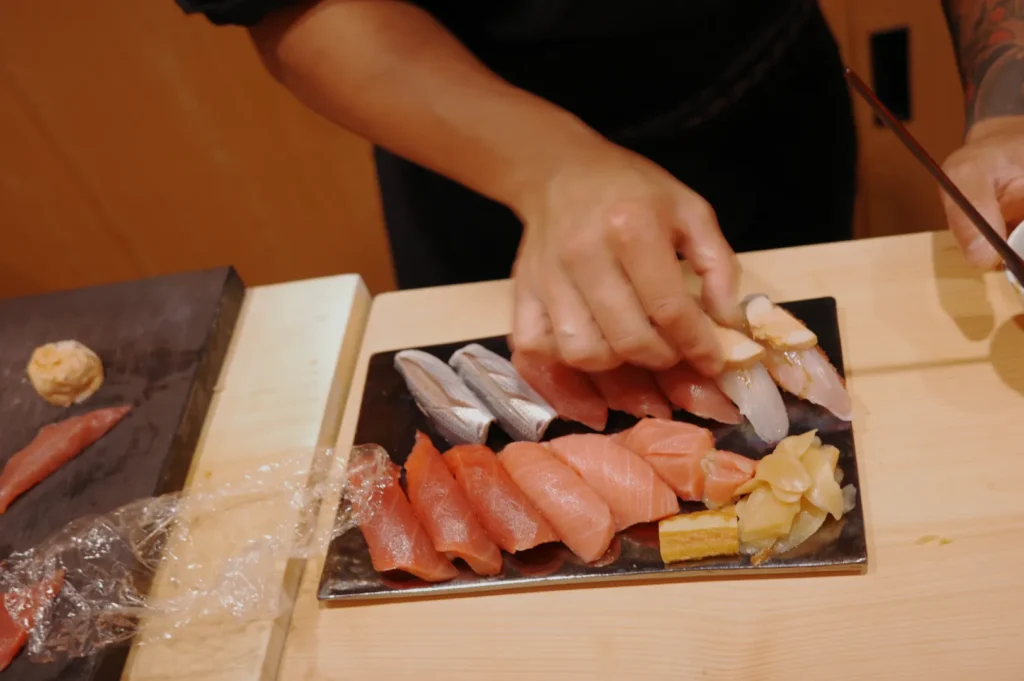
When a restaurant commits to flying in fresh seafood daily, working with the day’s finest seasonal ingredients, and offering each guest a fully personalised progression of omakase sets, the cost of delivering that experience rises considerably. This is not about exclusivity for its own sake. It is about the fundamental economics of quality. Premium sushi omakase selections, for instance, cannot be made with average fish. The sushi rice must be prepared with precision, the seasoning calibrated, and the hand pressure applied with years of trained instinct.
What Drives the Cost of a Quality Omakase Menu
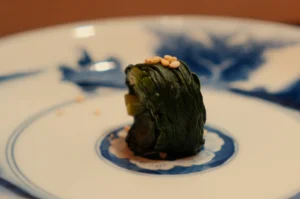
The omakase menu features seasonal tasting menu based on the freshest ingredients available, often including premium ingredients such as uni, foie gras, and otoro. Japan’s Toyosu Market is the global benchmark for premium seafood, and obtaining ingredients from there daily is a significant operational commitment. Chef Masa structures each omakase dinner menu around what arrives fresh that morning, which means no two dinners are ever identical. This is the essence of seasonal sushi: a living, responsive menu that honours the season’s finest offerings rather than relying on frozen stock or pre-set templates.
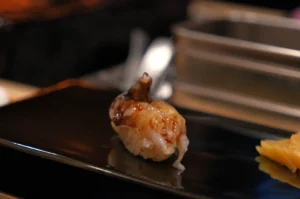
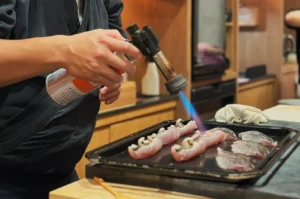
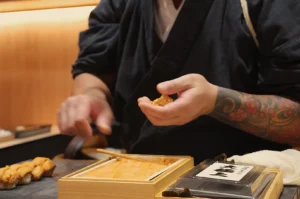
Beyond ingredients, there is the craftsmanship itself. Edomae sushi, the style Chef Masa practises, is one of the most demanding forms of Japanese culinary tradition. Each piece of artisan sushi is shaped by hand, the sushi rice seasoned with red vinegar in the traditional manner, and the fish prepared with techniques refined over generations. When you eat at a counter like ours, you are not simply consuming food. You are witnessing a form of culinary artisanship that takes years to develop.
Why the Omakase Dining Experience Cannot Be Separated from Its Setting
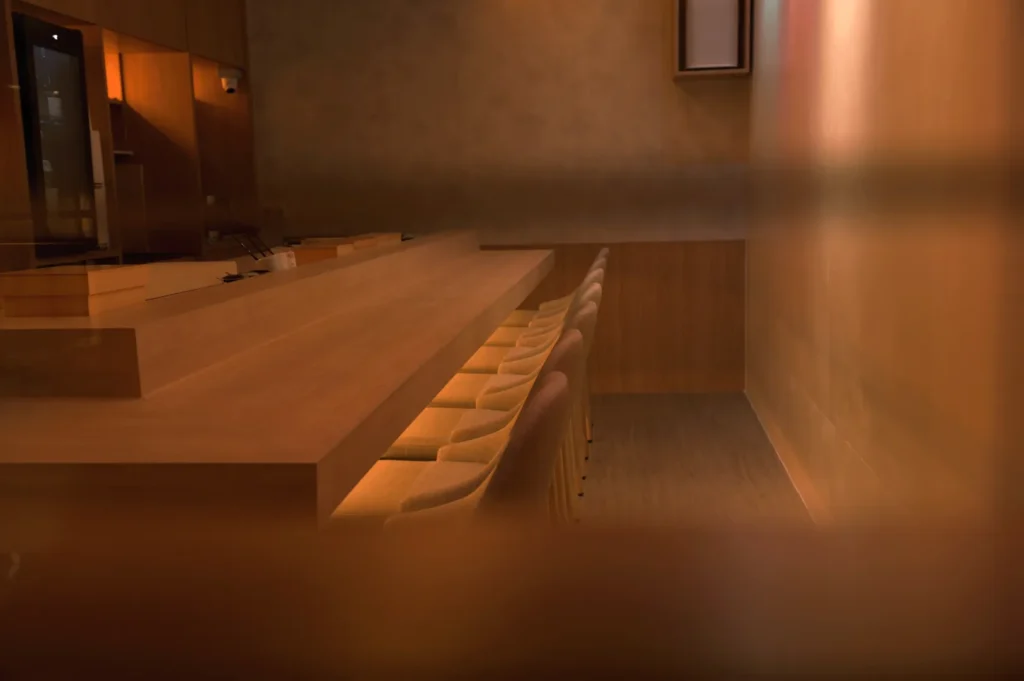
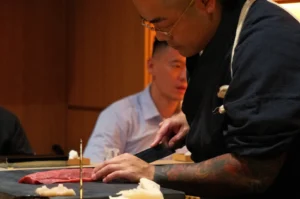
The physical environment of an omakase restaurant matters more than most people realise. Our intimate eight-seat sushi counter is not a limitation; it is a deliberate choice. Intimate dining settings allow Chef Masa to give every guest his full attention, to read the pace of the evening, and to adjust the progression of courses based on what he observes. In a larger restaurant, this sensitivity is impossible to maintain.
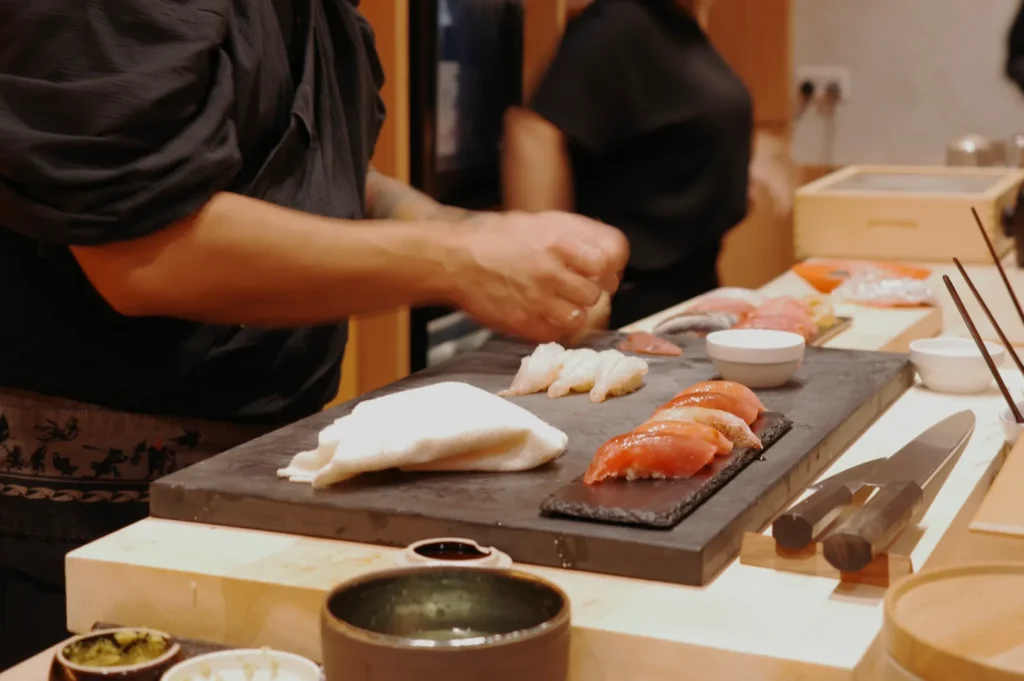
The omakase experience is built on trust. The word itself translates loosely to “I’ll leave it up to you,” and that trust must be earned through consistency and presence. When a chef stands one metre away and places each piece of nigiri before you personally, the connection between creator and guest becomes part of the meal itself. This is something that cannot be replicated at scale, and it is one of the clearest reasons why price range differences exist across omakase restaurants in Singapore.
Seasonal Ingredients and the Honest Cost of Freshness
One of the most misunderstood aspects of omakase cost in Singapore is the role of seasonal availability. Diners sometimes wonder why the same style of dinner carries different price points across seasons. The answer lies in the market. Certain cuts of fatty tuna, premium sea urchin, and seasonal sashimi carry fluctuating costs depending on time of year, weather conditions, and the availability of each catch at Toyosu.
Chef Masa builds each evening’s progression around the freshest seasonal ingredients available that day. If the finest uni that season is from Hokkaido, that is what arrives. If a particular seasonal appetisers or assorted sashimi presents itself at peak quality, it earns its place in the sushi courses. This responsiveness to freshness is what distinguishes a genuine omakase meal from a scripted tasting experience.
Affordable Omakase Versus Premium Omakase: Understanding the Difference
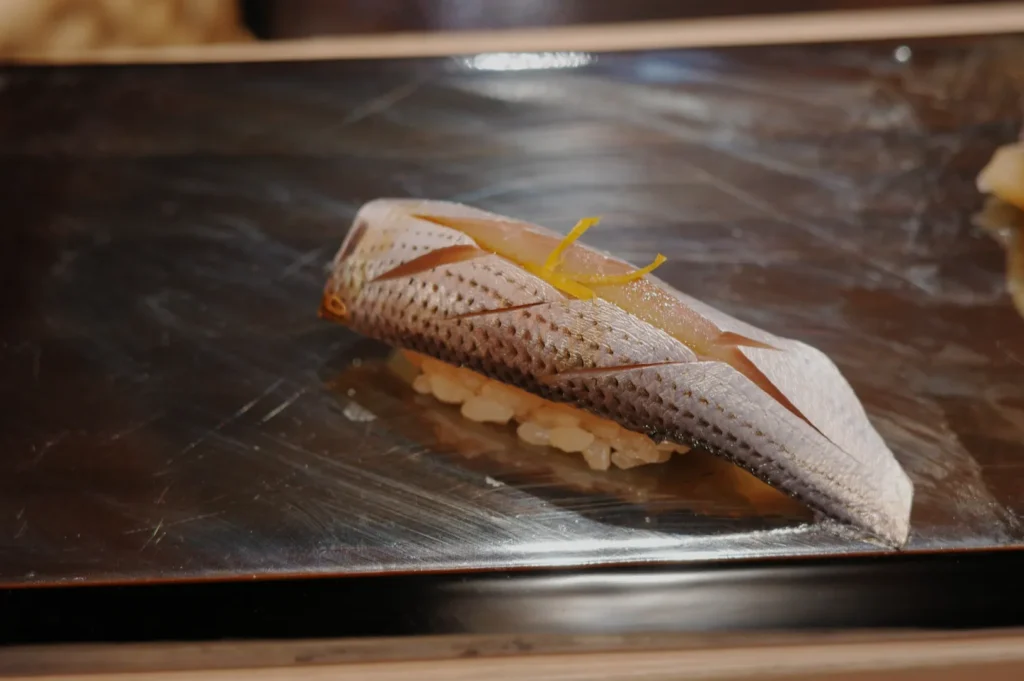
The terms affordable omakase and premium omakase are not opposites on a moral scale. They describe different approaches to the same tradition, and both have their place in Singapore’s dining landscape. What matters is that diners understand what they are choosing between, so that expectations align with what arrives at the table.
Affordable omakase restaurants often offer genuine value within their constraints. They are a wonderful introduction to Japanese restaurants and Japanese culinary tradition for newcomers to the format. However, they typically cannot match the sourcing standards, the level of chef attention, or the depth of seasonal tasting menus found at the premium end. The omakase courses may be shorter, the sushi counter may seat many more guests, and the ingredients, while good, may not carry the provenance of daily Toyosu imports.
Premium omakase, by contrast, is a commitment. It asks more of the diner, in terms of both investment and engagement, and in return it offers something that cannot be found elsewhere. At Sushi Masa by Ki-Setsu, every element of the dinner, from the dashi soup that opens the evening to the miso soup made with clams served towards the close of the meal, is considered within a coherent culinary philosophy. Nothing appears on the course without intention.
What Your Omakase Cost Should Guarantee at Any Restaurant in Singapore
Regardless of the price point, there are benchmarks that any omakase restaurant worth visiting should meet. The progression of courses should feel considered, not arbitrary. The sushi courses should demonstrate genuine technique, not merely assembly. The chef or team overseeing your meal should be present and attentive. And above all, the ingredients should be appropriate to the price being charged.
At the higher end of the price range, the expectations naturally rise further. Guests should encounter premium sushi of demonstrable quality, seasonal ingredients sourced with care, and a dining experience that justifies the full commitment being asked of them. An expensive meal that relies on spectacle rather than substance is not omakase in any meaningful sense.
At Sushi Masa by Ki-Setsu, our philosophy is simple: every dish that Chef Masa places before a guest must be able to stand entirely on its own merit. The omakase in Singapore that we offer is not about volume or variety for its own sake. It is about the integrity of each individual piece, built on an Edomae foundation and brought to life through daily Toyosu sourcing.
An Invitation to Understand Omakase Through Experience
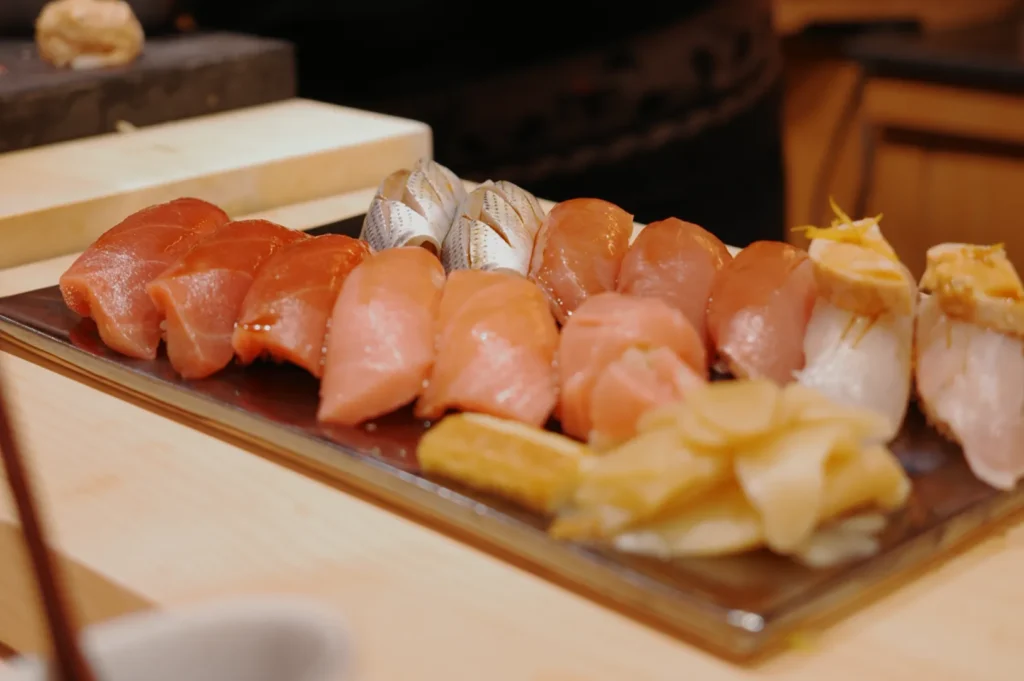
Reading about omakase cost and what it should mean is a useful exercise. But there is no substitute for sitting at a sushi counter, watching a chef work in silence, and tasting the result of that morning’s choices made on your behalf.
We welcome guests who come to Sushi Masa by Ki-Setsu not merely to dine, but to understand. Understanding why the sea urchin tastes as it does this season. Understanding why the cooked hot dishes and special foie gras dishes are sequenced as they are. Understanding why the price you have paid is precisely what was required to bring that evening into being.
When the omakase cost Singapore diners pay is matched by the craftsmanship, sourcing, and attention that surrounds every course, the question of worth answers itself quietly, at the table, with each piece of nigiri sushi placed before you.
Reservations for Sushi Masa by Ki-Setsu are available through our website. Dinner seatings open Tuesday through Saturday, with private bookings available on Sundays.
Identifying Good Quality in Local Sushi Restaurants
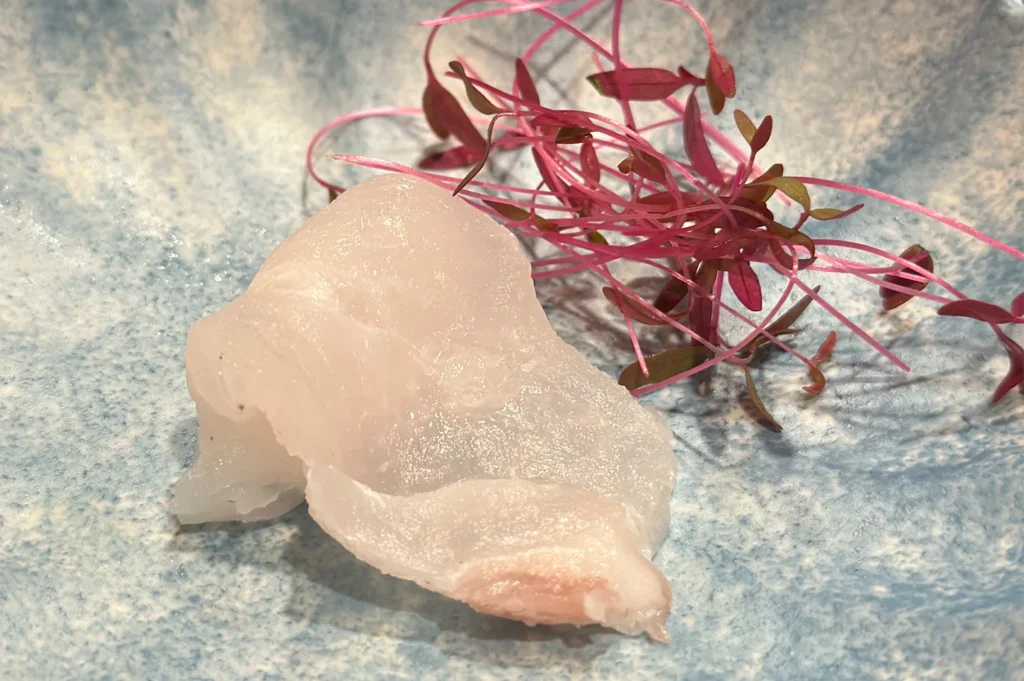
How does one distinguish a truly good restaurant from the rest? For the discerning diners of Singapore, it often comes down to the freshness of the source. Whether you are at a mall in Ngee Ann City or a standalone house in a quiet neighbourhood, the signs of quality are the same. Look for the texture of the tuna, the brightness of the sake, and the overall cleanliness of the sushi bar.
A good restaurant will be transparent about where they get their fish. At Sushi Masa by Ki-Setsu, we take great pride in our Toyosu sourcing. This ensures that our ingredients are not just fresh, but the best that the market has to offer on any given day. Our chef, Chef Masa, applies the Edomae tradition to these ingredients, a craft that involves specific techniques to enhance the natural flavour of the seafood. This is not just about the meal; it is about the rights of the fish to be prepared with the utmost respect. We do not serve tempura or chawanmushi, as our focus is entirely on the pure experience of sushi and sashimi.