How Omakase Delivery Dilutes Authentic Flavor
In the hallowed atmosphere of a traditional omakase counter, the interval between the chef’s hands and the diner’s palate is measured in fleeting, golden seconds. This immediacy is not merely a display of theatrical flair; it is a high-stakes race against the laws of thermodynamics. To truly enjoy Japanese cuisine in its highest form, one must acknowledge that temperature is as vital an ingredient as the fish itself. It is a fleeting art that begins to evaporate the moment an order is packed for islandwide delivery.
The foundation of any superior sushi meal is the rice, or shari, which acts as the beating heart of the dish. Authentic Edomae sushi practitioners serve their rice at approximately body temperature to ensure the seasoned vinegar’s aromatics are in full bloom. However, the journey to your home is a cold one. As the rice undergoes starch retrogradation, it transforms from a supple delight into a hardened, refrigerated grain. By the time you pick up your chopsticks, the “melt-in-the-mouth” magic of the feast has been replaced by a muted, clinical interpretation of what was once a masterpiece.
Why Omakase Delivery Compromises the Physics of Fish
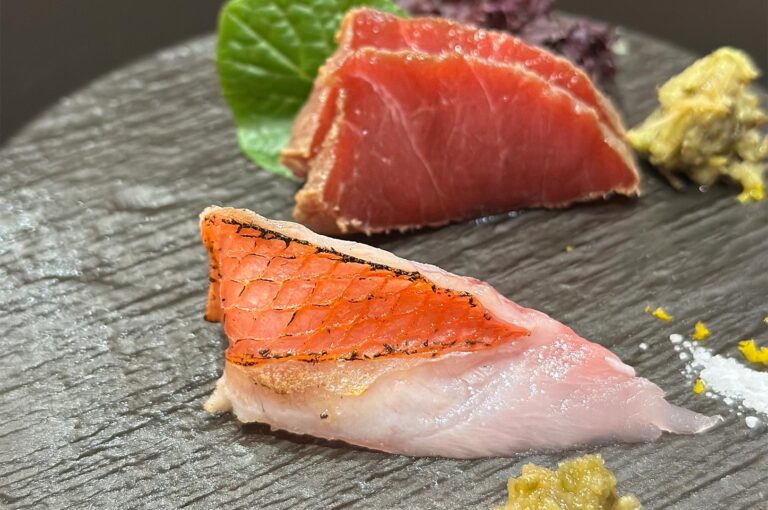
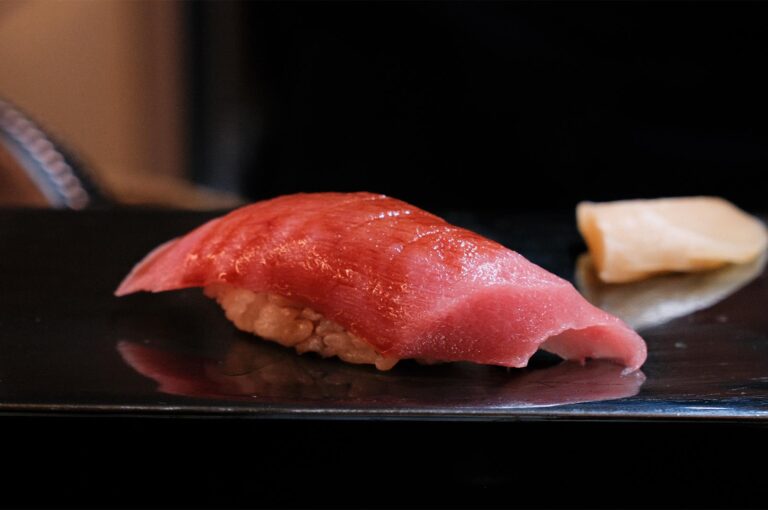
Beyond the rice, the thermal degradation of seafood during omakase delivery is a silent flavor killer. Consider the toro (fatty tuna), a revered indulgence in any high-end plan. The intricate marbling of fats in the tuna belly is designed to soften instantly upon contact with warm rice and the human tongue. In a vacuum-sealed or plastic box, this chemistry is disrupted.
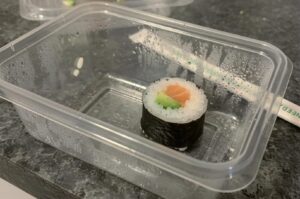
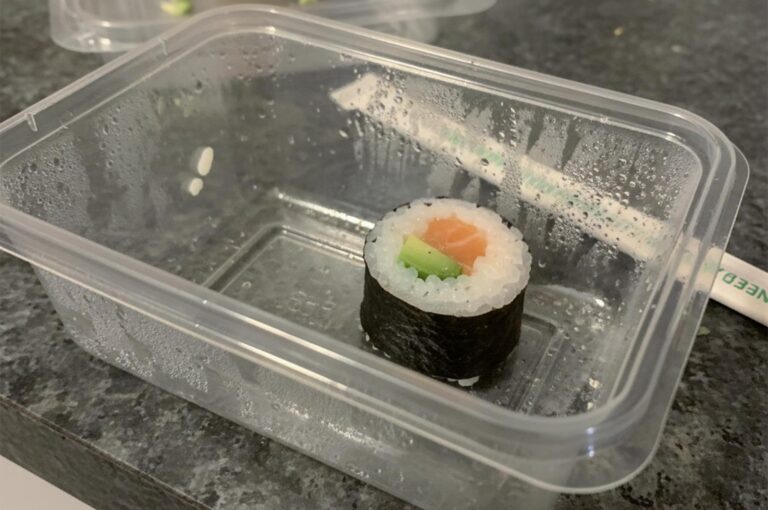
When this delicate art is subjected to a Tuesday afternoon commute, those fats begin to congeal. What should be a buttery delight becomes a waxy, muted interpretation of the original ingredients. Furthermore, the specialized presentation in a box creates a localized humidity trap. As the warm rice slowly cools, it releases moisture that is promptly absorbed by the nori (seaweed), turning a crisp texture into something leathery and uninspired.
The Problem of Osmosis
In a professional setting, the chef applies seasonings like nikiri shoyu or citrus moments before the bite. In a packed sushi container, these liquids sit on the fish for thirty to sixty minutes. This leads to osmosis, where the salt in the soy sauce draws moisture out of the fish, making the flesh tough and the rice soggy. This is particularly damaging to delicate white fish, which lose their clean, translucent finish and become “cooked” by the acidity of the vinegar and salts during the trip across Singapore.
Enzymatic Breakdown
Freshness is often misunderstood in the context of sushi. While some fish benefit from aging, the moment a piece is sliced for a meal, it begins to oxidize. At a traditional counter, the chef slices each piece to order to prevent the loss of natural oils. In a delivery box, the surface area of the sliced tuna is exposed to oxygen for a prolonged period, leading to a metallic tang and a loss of that signature sweetness.
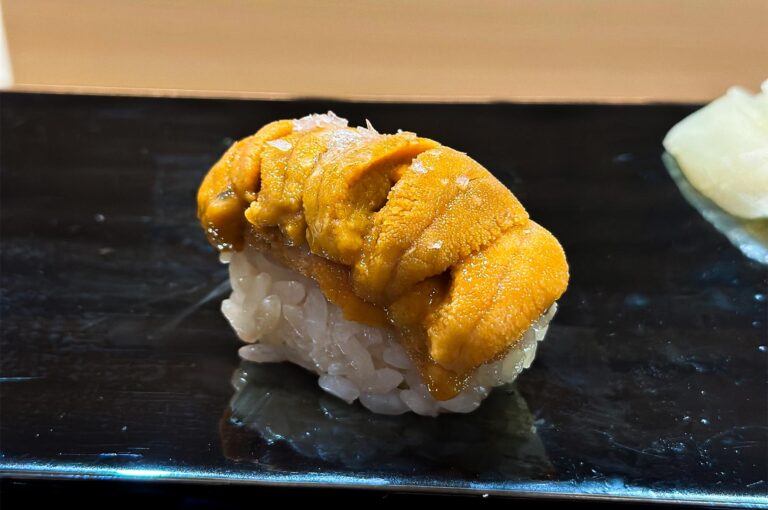
The Fragility of Japanese Cuisine: The Case of Bafun Uni
The sourcing of ingredients is a meticulous plan that begins at dawn in Japan. Most elite establishments rely on daily shipments from the Toyosu market, but these treasures are not built for a long-haul feast in the back of a van.
The Chemistry of Bafun Uni
Bafun Uni is prized for its intense sweetness and creamy texture, yet sea urchin is a structural heartbreaker. Its delicate proteins begin to collapse the moment they are exposed to the fluctuating temperatures and vibrations of a transport box.
- Oxidation: Extended exposure during the presentation and transport process leads to a bitter metallic aftertaste. The aromatic esters that give uni its “ocean-sweet” profile are highly volatile. Once they dissipate, only the heavy, pungent notes remain.
- Structural Integrity: To keep Bafun uni firm for a Tuesday delivery, some providers may use stabilizers like alum (myoban). While this prevents the uni from melting into a puddle, it adds a chemical astringency that clashes with the natural sweetness of the roe.
Abalone and Enzyme Activity
The preparation of abalone (awabi) involves a meticulous steaming process to achieve a specific, tender elasticity. This is a delicate balance of breaking down tough connective tissues without turning the meat into mush. When chilled for transport, the collagen fibers tighten and contract. By the time the diners enjoy it at home, the revered indulgence has become rubbery, losing the nuanced umami that only heat and immediate service can preserve.
Edomae Sushi: A Tradition Built on Immediate Connections
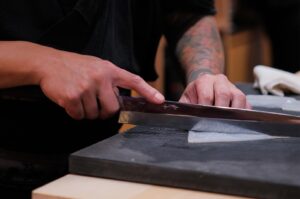
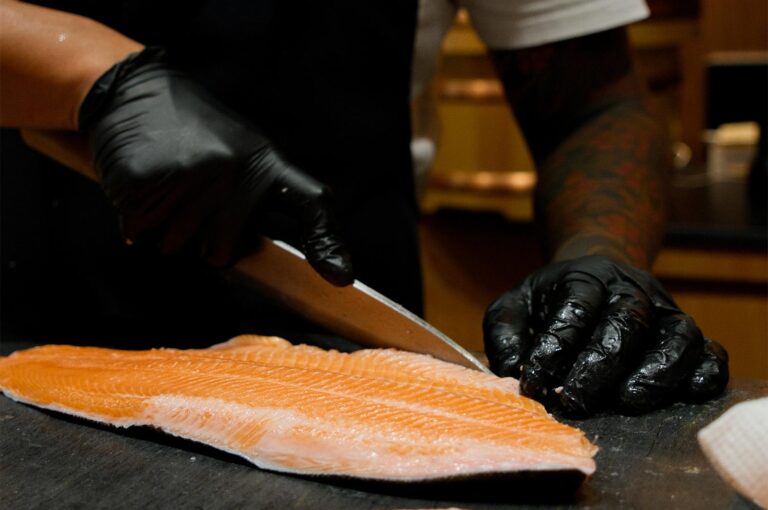
The art of Edomae sushi is defined by kizame, which refers to precise knife work. This is rendered invisible once the sushi is boxed. In a traditional setting, the chef applies nikiri shoyu in the exact ratio required for each specific cut of fish. This is a custom interpretation based on the fat content of that specific piece of tuna or the sweetness of the shellfish.
| Element | In-Person Experience | Delivery Reality |
|---|---|---|
| Wasabi | Grated fresh; loses its floral punch in 15 minutes. | Often oxidized or replaced with a flat-tasting paste. |
| Nori | Toasted to a crisp; it should shatter upon the first bite. | Becomes chewy and damp from the rice’s trapped moisture. |
| Presentation | Topped and served piece-by-piece to ensure freshness. | Packed together, causing flavors to bleed and mingle. |
| Tuna (Toro) | Fat is glistening and active at room temperature. | Fat congeals, resulting in a dull, waxy mouthfeel. |
| Shari (Rice) | Seasoned with red vinegar (akazu); served warm. | Vinegar evaporates; rice becomes hard and cold. |
The "Aged" Fish Fallacy
Many diners believe that since Edomae involves “aging” (jukusei) fish, it should be stable for delivery. This is a common misunderstanding. Aging is a controlled process of enzymatic breakdown aimed at maximizing umami. However, once the fish is sliced, the surface area increases exponentially, accelerating spoilage. A chef slices at the counter specifically to halt this decline at the perfect moment.
Navigating the Seasons: When a Box Fails the Menu
Japanese cuisine is an interpretation of the four seasons (shun). A true omakase menu is not a static list; it is a fluid response to what the sea yields on a specific day. When a chef stands before you, they are making micro-adjustments based on the time of year.
When diners order a pre-set delivery plan, they miss these season-specific nuances. For instance, in the winter, the tuna may be incredibly oily, requiring a slightly stronger vinegar in the rice. In the spring, delicate herbs might be used as a garnish to reflect the arrival of new life. Omakase delivery forces a “one-size-fits-all” approach. It turns a bespoke art form into a mass-produced product, stripping the meal of the connections between the environment, the chef, and the ingredients.
The Lost Dialogue
The omakase experience is also about the verbal note shared between the chef and the guest. Hearing the story of where a specific Bafun uni was harvested or why a certain tuna was chosen for the feast adds a layer of intellectual satisfaction that a box cannot replicate. Without this sharing of knowledge, the diner is simply eating fish and rice, rather than participating in a cultural art.
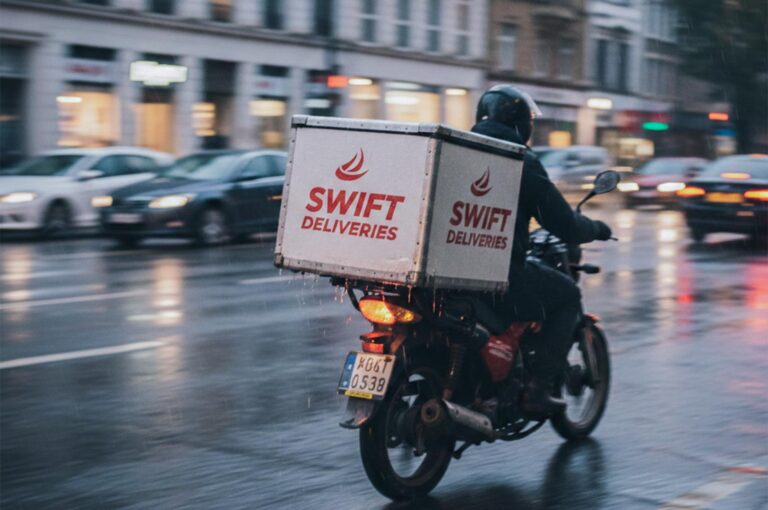
The Logistics of Compromise: Islandwide Delivery Challenges
In a city like Singapore, where humidity is high and traffic can be unpredictable, the logistics of omakase delivery are a nightmare for quality control. Even with the best team and the most sophisticated thermal bags, the vibration of a motorcycle or the air conditioning of a car alters the presentation.
- The Scent of Plastic: Premium Japanese cuisine relies heavily on the sense of smell. Opening a plastic or cardboard box introduces inorganic scents that compete with the delicate aroma of the fish.
- The Movement: Sushi is structurally fragile. The centrifugal forces of transport often cause the fish to slide off the rice or the Bafun uni to smear across the lid. By the time you present the meal to your guests, the visual art has been compromised.
- Condensation: Heat from the rice trapped in a cold environment creates water droplets on the lid of the box. This moisture drips back onto the tuna, diluting the fish’s natural oils and ruining the glaze applied by the chef.
Critical Factors for the Discerning Palate
For those who truly love sushi, it is recommended to check the following criteria before opting for a delivery box over a seat at the counter.
- The Distance: If the time from the kitchen to your home exceeds 20 minutes, the sushi rice is likely compromised beyond repair.
- The Packaging: High-end omakase should never be stored in airtight plastic, which causes “sweating” and ruins the nori.
- The Selection: Avoid Bafun Uni or delicate white fish in delivery formats. They are the first to lose their inspired profile when not served immediately.
- The Chef’s Intent: Consider if the restaurant is a delivery-first operation or a traditional house. A traditional chef knows that their art is designed for the counter, not the box.
The choice to order delivery is often one of convenience, but for the true food connoisseur, the cost is the soul of the dish. Japanese cuisine is not just about fuel. It is about a moment in time that cannot be paused or transported.
A Return to Tradition at Sushi Masa by Ki-setsu
While convenience has its place, the true art of the omakase is an experience that demands presence. At Sushi Masa by Ki-setsu, we believe that the soul of Edomae sushi cannot be contained within a box. We invite you to join us for an evening dinner where Chef Masa honors the sanctity of the moment. By sourcing our ingredients directly from Toyosu, our chef ensures that every slice of tuna, every grain of rice, and every serving of Bafun Uni reaches you at the pinnacle of its seasonal expression.
To truly enjoy the connections between nature and the plate, one must witness the craft firsthand. We invite you to contact us and check for availability to experience a meal where the only time that matters is the second the sushi meets your palate.