Omakase Dining: Understanding Texture and Mouthfeel in Japanese Cuisine
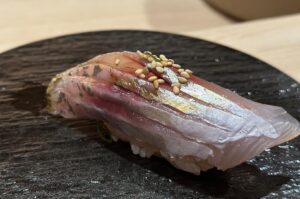
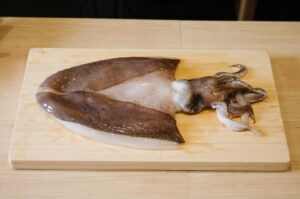
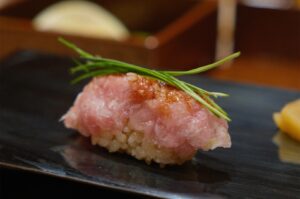
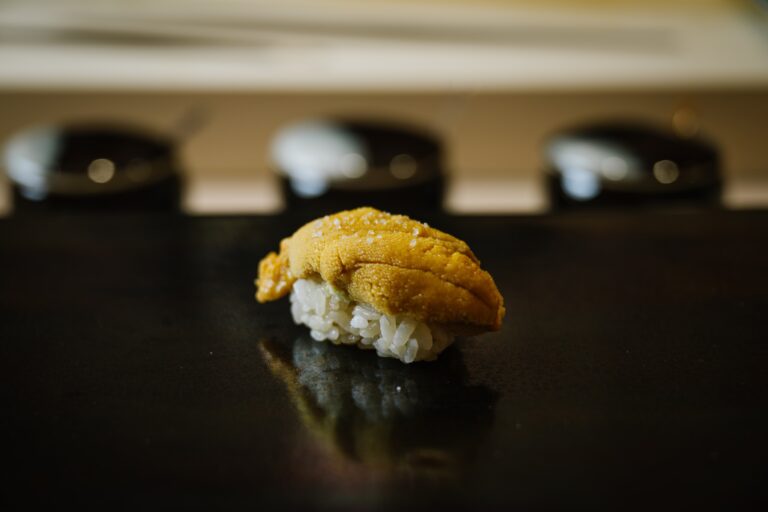
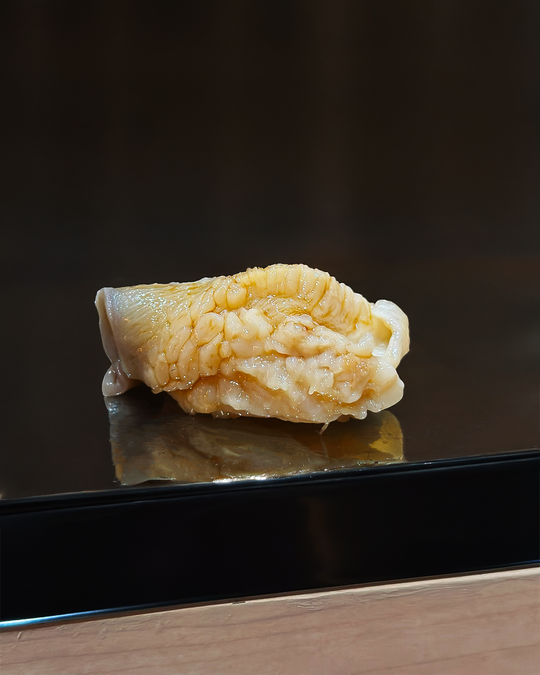
In the intimate setting of an omakase restaurant, the experience goes beyond taste to embrace texture—the vital shokkan in Japanese culinary practices. As the chef presents nigiri sushi topped with fresh fish such as fatty tuna or sea urchin, the first impression is often the mouthfeel: the gentle resistance of squid or the melt-in-the-mouth softness of medium fatty tuna, all balanced atop perfectly prepared rice.
Japanese Food: The Role of Texture in Omakase Menus
Texture is a silent language in Japanese food, especially in sushi bars and sushi restaurants specializing in edomae sushi and seasonal sashimi. The chef’s knife work, aging techniques, and preparation methods like curing with kelp or pickled vegetables, as well as grilled and fried dishes, enhance the natural flavors and savory taste of each dish. Omakase courses ranging from light sashimi to rich sushi courses, tempura, hand rolls, and even premium beef selections such as Wagyu, are designed to showcase these textural contrasts, creating a good balance throughout the meal. The philosophy of ‘shun‘ in Japanese cuisine emphasizes eating ingredients at their peak of freshness and flavor, which is a guiding principle in omakase menus. Omakase menus can vary significantly between restaurants, often reflecting the chef’s personal style and the seasonal availability of ingredients.
Omakase Restaurant Craftsmanship: From Knife Skills to Rice
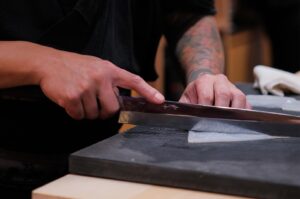
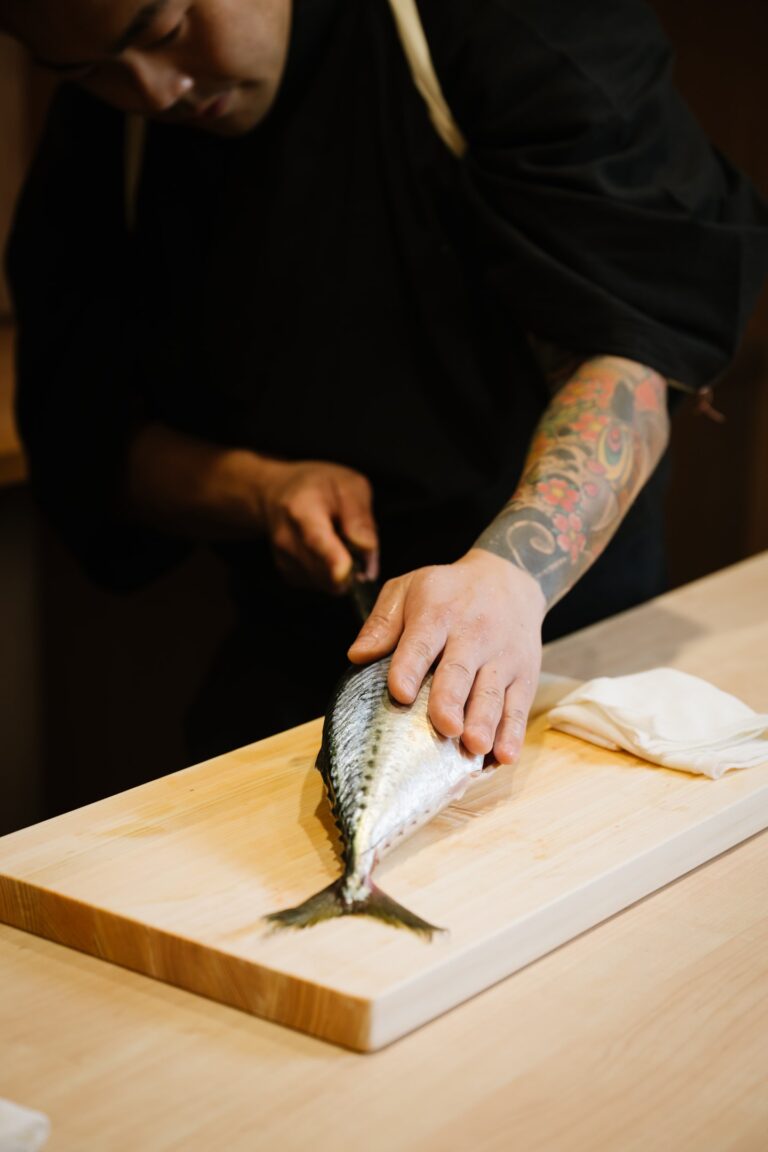
Japanese culinary tradition prizes precision. The hocho (chef’s knife) shapes the texture by scoring or slicing fish to enhance tenderness and flavor. Sushi rice (shari), seasoned with vinegar and served warm, complements the fresh ingredients, providing a firm yet yielding base. Each sushi course, whether a sushi roll or nigiri, is prepared to highlight these elements alongside accompanying dishes like miso soup and green tea, completing the fine dining experience.
It is customary to eat each piece of sushi immediately upon presentation to enjoy its optimal temperature and texture. Sushi is traditionally consumed in one bite to fully appreciate the combination of flavors and textures. While soy sauce is a classic Japanese condiment used to enhance the flavor of sushi and sashimi, diners should resist the urge to add soy sauce or wasabi liberally, as each piece is often already seasoned by the chef.
Seasonal Ingredients and Regional Specialty in Japanese Restaurants
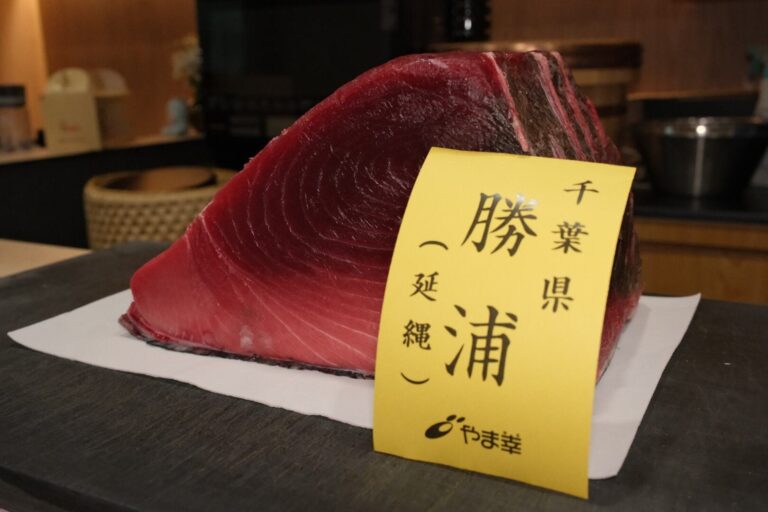
Omakase dining celebrates seasonal ingredients flown in daily from Japan, including premium seafood sourced from Toyosu Market. Seasonal sashimi and dishes reflect regional specialties, with menus adapting to availability. This emphasis on freshness and natural flavors is rooted in the Japanese concept of ‘shun,’ which highlights eating ingredients at their peak of freshness and flavor. The farm-to-table movement is echoed in Japanese cuisine, where a focus on seasonal ingredients served directly at the table has shaped global food trends. Japanese cuisine is also known for its simplicity and deep respect for natural ingredients. These culinary traditions and techniques have influenced chefs worldwide, particularly in the areas of precision and mindful preparation. This ensures diners enjoy an exclusive experience, whether visiting Sushi Masa, sushi jin, or other renowned Japanese restaurants in Ngee Ann City or International Plaza.
Sequencing and Sensory Journey in Omakase Experience
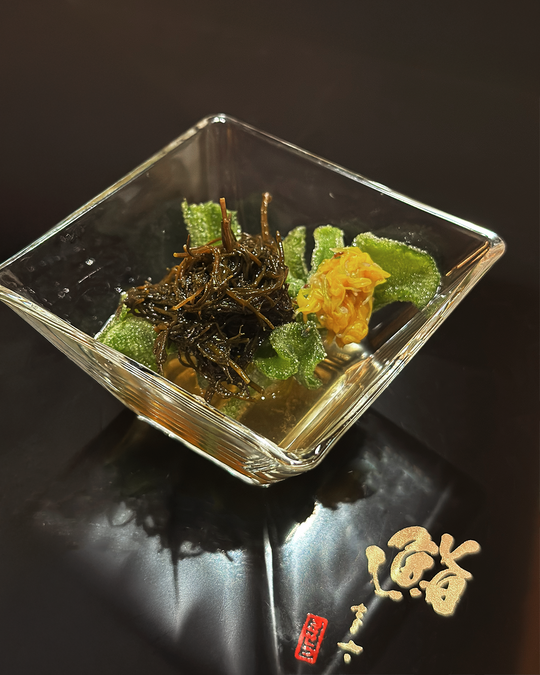
An omakase menu unfolds with thoughtful pacing, starting with lighter flavors and firmer textures, progressing to richer, softer bites like fatty tuna and sea urchin. Interspersed are refreshing elements such as pickled vegetables or a crisp hand roll, enhancing the overall balance. Some omakase experiences incorporate a modern twist, blending traditional Japanese flavors with innovative techniques or stylish presentations. This culinary journey, often paired with sake or green tea, invites diners to savor each dish fully and appreciate the artistry behind the cooking. The omakase experience encourages diners to relax and fully immerse themselves in the meal. Practical Information: Opening Hours and Reservations
For first visits or special occasions, booking a private room or the sushi counter at fine dining omakase restaurants is recommended. Sushi Masa, for example, operates dinner service Tuesday to Saturday with exclusive seating for an intimate meal. Many Japanese restaurants also offer lunch omakase menus at varied price points, allowing more diners to experience this unique dining experience.
Conclusion: The Art of Eating in Omakase Dining
Understanding texture alongside taste enriches the enjoyment of Japanese cuisine. In sushi bars and omakase restaurants, every dish from sashimi and sushi courses to tempura and dessert is crafted with care, balancing sweet, sour, savory taste, and the delicate mouthfeel that defines authentic omakase dining. Whether savoring a sushi roll or sipping miso soup, the experience is a celebration of fresh ingredients, skilled cooking, and the timeless traditions of Japan’s culinary heritage—ideas further explored in Expanding the Ki-Setsu Philosophy: Tea Room by Ki-Setsu and SG Omakase: A Complete Guide to the Lion City’s Premier Japanese Dining Experience.