A Feast for the Eyes: Unveiling the Full Aesthetic of the Omakase Dinner
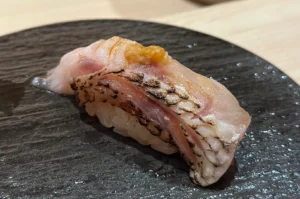
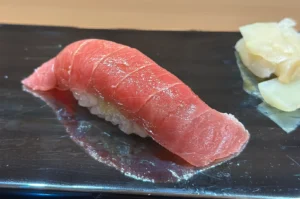
A single, perfectly formed piece of nigiri sushi is placed before you at a premium omakase restaurant. It rests not on an ordinary plate, but atop a piece of handcrafted Japanese ceramic, its earthy texture and subtle glaze amplified by the quiet glow of the evening counter seats. The vibrant hue of the fish, the sheen of creamy sea urchin, and the delicate arrangement of garnishes together announce that the true beauty of an omakase dinner lies not just in taste, but in visual poetry—a feast for the eyes. This is the heart of Japanese omakase—an immersive experience where every dish, from appetiser to dessert, is a work of art.
The evening omakase format transforms the meal into a true gallery of edible masterpieces. The slow pace, intimate atmosphere, and focus on premium ingredients and flawless sushi rice foster a space where every omakase menu outshines mere food, revealing instead thoughtful artistry and careful storytelling. At Sushi Masa by Ki-Setsu, we believe that the omakase dinner is the ultimate canvas for such culinary aesthetics—a journey through time, tradition, and beauty that every guest savors with every sense.
Why the Dinner Omakase Is the Canvas for Culinary Art
There’s magic in the atmosphere of omakase restaurants as night falls. Transitioning from the busy hum of the day to the contemplative hush of evening, guests escape into a quiet corner designed for focus and delight. The setting sun brings with it a sense of ritual, an invitation to unwind and be present. During the typical two-hour span of an evening omakase, you’re granted time to appreciate not only the sushi omakase but also the chef’s visual composition, the arrangement of each sashimi and hot dish, and the intentional use of negative space.
This depth is impossible to achieve in a hurried lunch omakase menu or among the bustle of multiple seatings. There’s a reason the iconic omakase meal is most memorable in the gentle glow of an artfully lit counter, where every element is chosen with intention and every dish receives its due admiration.

The Art of Japanese Dishware in Sushi Omakase Presentation
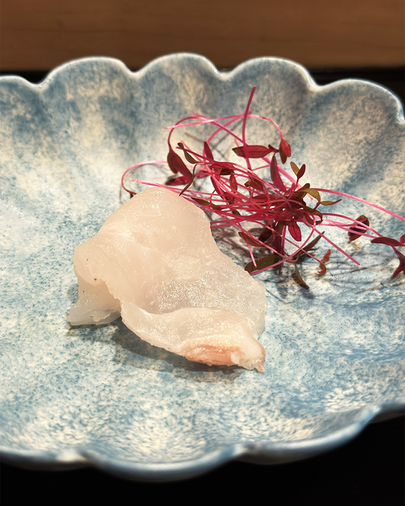
In Japanese cuisine, the dishware is as integral to the dining experience as the food itself. At a high-caliber omakase restaurant, these decisions are never accidental. Each course in a dinner omakase is matched to handpicked ceramics that tell their own story—sometimes centuries old, sometimes strikingly modern—always in harmony with what’s on the plate.
Seasonal Ceramics and Their Significance
True to Japanese dining aesthetics, seasonal dishware anchors the omakase menu in the rhythms of nature. Spring brings cherry blossom porcelain, autumn is marked by warm, rustic textures. The chef selects each vessel with the freshest seasonal ingredients in mind; a glossy lacquer bowl enhances the color of delicate fish, while a rough-edged antique plate makes the rich tones of fatty tuna or uni shine. Each touch pays homage to seasonal produce and elevates the entire meal into an orchestration of color, form, and tradition.
Antique vs. Contemporary: A Balance of Tradition and Modernity
The most unique offerings in Japanese restaurants often blend antiquity and modern flair. The balance between an age-old plate and a contemporary minimalist dish creates a visual dialogue, uniting tradition with innovation. Whether in Orchard Plaza, Cuppage Plaza, or a Tanjong Pagar Singapore outpost, the thoughtful juxtaposition of antique and new ceramics heightens both the eye and the palate, delighting design aficionados and foodies alike.
The Edomae Philosophy: Where Function Meets Beauty
The roots of the Edomae tradition go far beyond technique; they also inform a philosophy of visual restraint and pure presentation. The focus is always on ingredient quality—air flown seafood from Toyosu Market, fresh produce hand-selected for color and freshness, and sushi rice seasoned to enhance rather than overshadow.
This “less is more” approach means that the most standout dishes—be it nigiri sushi, sashimi, or grilled items—arrive unmarred by distraction, inviting diners to appreciate their intrinsic beauty and the craftsmanship of the chef. Every placement of pickled ginger or stroke of nikiri sauce is intentional, its color and shape contributing to the overall aesthetic. For those curious about the deeper tradition behind these choices, our guide, Omakase: The Ultimate Guide to Japan’s Premier Dining Experience in Singapore, explores the philosophy that sets an omakase dinner apart from other omakase menus ranging across the city.
Lighting, Ambiance, and the Theatrical Element of Omakase Restaurants' Dinner Service
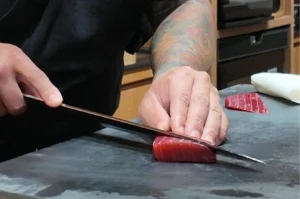
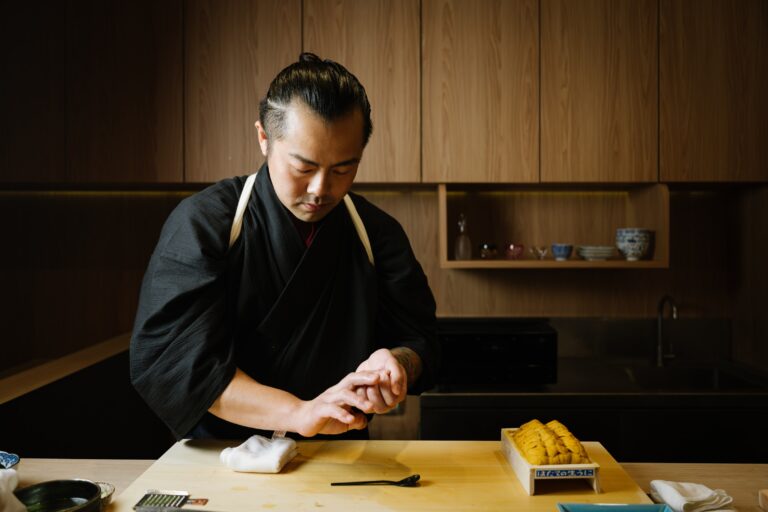
Step into the intimate world of an omakase dinner, and you’ll find more than just a good meal—you’ll find a performance. Counter seats offer a view of the chef at work, each gesture illuminated by expertly arranged lighting designed to bring out the vibrant tones in fish and the subtle textures of rice and seaweed. The soft glow heightens every color and plays across the surface of a perfect slice of scallop, the marbled layers of beef, or the golden gloss of egg yolk adorning the dessert.
The overall ambiance, from the tranquil lines of the counter to the gentle hum of conversation in the restaurant, makes the scene feel more zen garden than mere dining hall. Every sense is engaged—the play of light enhances flavors and textures, making the dinner omakase a multisensory treat and not just another evening out.
From Toyosu to Table: The Journey of Visual Perfection
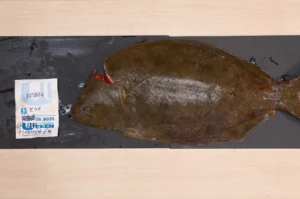
Every detail matters in sushi omakase. The journey starts with the careful selection of premium ingredients, chosen not only for flavor but also for visual appeal. The freshest seasonal ingredients, from glistening cuts of toro to vibrant caviar and the creamy orange of Hokkaido uni, must pass the chef’s visual inspection before being shaped into art.
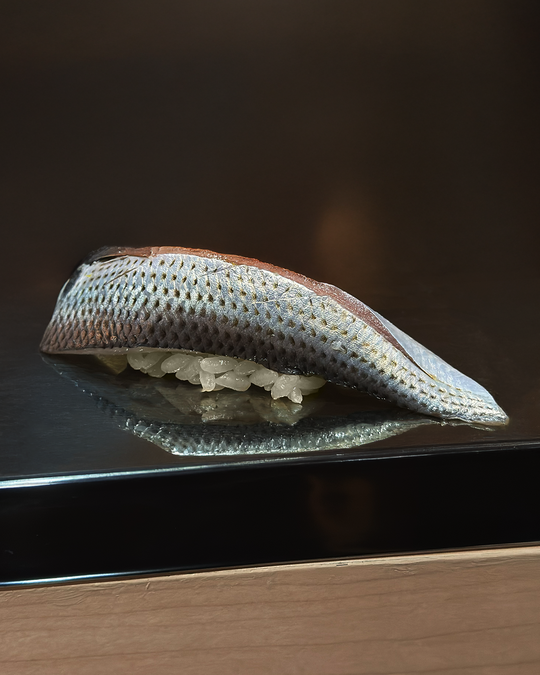
The transparent glow of sashimi, the iridescence of a mackerel’s skin, the vivid color of a perfect nigiri—these are signs of both freshness and of highest quality sourcing. Such dedication connects each dish with the chef’s pride, and is a hallmark of distinguished restaurants in Singapore and beyond.
Omakase Menu as a Visual Narrative
A signature omakase dinner is composed like a painting—each course leading into the next, with attention paid to color palette, form, and progression. The chef’s mastery shines in such details.
Color Palette and Seasonal Harmony
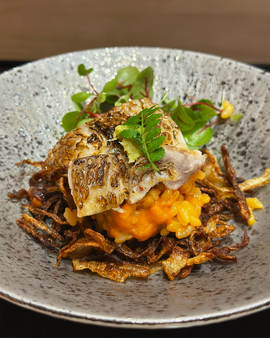
The Japanese concept of shun—celebrating ingredients at their seasonal peak—is more than a sourcing strategy; it is a cornerstone of Japanese dining aesthetics. Spring dishes burst with fresh greens and pastel pinks, while winter might showcase deep reds, creamy whites, and the dark sparkle of nori.
The chef approaches every omakase course as a painter does a canvas, establishing harmony, contrast, and focal points. The way vibrant seafood is paired with crisp greens or the sheen of grilled items creates a visually coherent and satisfying dining experience.
Texture, Height, and Dimension in Plating
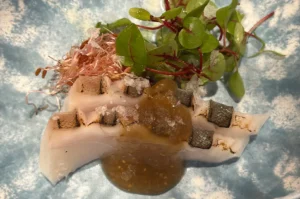
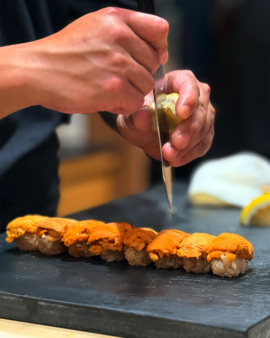
Visual dynamism defines an exceptional omakase menu. Tall hand rolls, gently folded sashimi, and meticulously stacked tempura create layers of height and shadow. The glossy finish of pristine fish sits beside the matte contrast of powdered wasabi or the sparkle of fresh produce. Even the lunch and dinner menus at other omakase restaurants may strive for this effect, but it’s the singular focus and artistic skill of the evening chef that ensures true cohesion and wow factor.
Why Design Aficionados Are Drawn to Omakase Dinner Experiences
The pull of an omakase dinner goes far beyond appetite—it’s a holistic celebration of Japanese food as art and craft. Design enthusiasts, visual artists, and those attuned to balance and negative space are naturally captivated by the way every meal, every set, and every vessel is choreographed for maximum sensory impact. The chef wields both knife and aesthetic sensibility, achieving a good balance of form and color that becomes an ephemeral art installation.
For those who seek beauty in both the fleeting and the crafted, an omakase dinner at Sushi Masa by Ki-Setsu offers a memorable, immersive journey—a treat for both the palate and the eye, making every special occasion a true event.
A Lasting Impression: Where Art and Appetite Meet in Restaurants in Singapore
An omakase dinner is more than an evening meal—it’s a head-turning art show crafted for those who savor beauty in every sense. Each course becomes a brushstroke on a living canvas, with Chef Masa blending tradition, innovation, and the freshest seasonal ingredients into an edible masterpiece right before your eyes. From the shimmer of nigiri sushi on handpicked ceramics to the soothing glow of the counter, every moment invites diners to see, taste, and feel something extraordinary.
This is Japanese dining reimagined—where food transcends flavor to spark inspiration, conversation, and lasting memories. If you crave a dining experience that lingers in your mind as much as on your palate, an omakase dinner at Sushi Masa by Ki-Setsu awaits. Join us for a sensory celebration in one of Singapore’s most intimate settings, and see how each meal can transform not only your evening, but your entire expectation of Japanese cuisine.
To step into this world of artistry, tradition, and hospitality, please visit us at https://kisetsu.com.sg/ and secure your place at our intimate counter. For a practical perspective on planning your visit, you may also find Omakase Price Singapore: How to Budget for an Authentic Edomae Experience helpful.
Start Your Best Omakase Experience Today
As Singapore’s omakase scene matures, emphasis on craftsmanship, seasonality, and cultural education elevates its status as a premier destination for Japan’s revered culinary tradition. Whether newcomer or enthusiast, Singapore’s omakase restaurants offer gateways to culinary perfection.
We invite you to join us at Sushi Masa by Ki-Setsu, where we embody these principles through every carefully crafted dish. Together, we celebrate seasonal perfection, masterful technique, and the intimate chef-to-guest connection that defines authentic omakase. At our exclusive 8-seat sushi counter, Chef Masa and our team curate each course using premium seafood flown daily from Japan’s Toyosu Market, honoring the artistry and trust at the heart of this tradition.